Source Thermal Insulation EPS Pellets for Walls, Acoustics, and Packaging
Compare 17 listings for Thermal Insulation EPS Pellets sourced from China. Options include virgin and recycled grades with features like high efficiency and energy-saving properties. Specifications vary by density and application, supporting thermal insulation boards, acoustic panels, and general engineering plastics.
Key considerations
Products List


Comprehensive Sourcing Guide
Thermal Insulation EPS Pellets Sourcing Guide
Buyers must first distinguish between virgin and recycled feedstock when evaluating Thermal Insulation EPS Pellets, as the source material dictates the final product's structural integrity and thermal performance. The observed listings indicate a clear split between virgin grades, often sourced from specific regions like the USA, and recycled variants that may offer cost advantages but require rigorous verification of purity. Understanding this distinction is critical because virgin pellets typically ensure consistent cell structure for high-performance insulation boards, while recycled options are better suited for general-purpose applications where absolute thermal uniformity is less critical.
Procurement teams should also scrutinize the listed forming methods, as the supply chain presents conflicting data regarding extrusion, blow molding, and injection processes. This variance suggests that suppliers may offer pellets tailored for different downstream manufacturing techniques, requiring buyers to align their specific production equipment with the supplier's output capabilities. Verifying the intended forming method ensures that the purchased pellets will melt and expand correctly within the buyer's existing machinery, preventing production delays and material waste during the initial manufacturing run.
Product Scope and Observed Listing Signals
The market for Thermal Insulation EPS Pellets displays a wide range of physical attributes, including color variations from white to yellow and specific model numbers like Sf301 or King Pearl. These signals indicate that suppliers offer specialized grades for distinct applications, such as acoustic panels or thermal insulation boards, rather than a single generic product. Buyers should carefully match the listed color and model specifications to their end-use requirements, as the visual and structural properties of the pellets directly influence the final appearance and acoustic or thermal performance of the finished component.
Commercial listings reveal significant variability in minimum order quantities, ranging from small batches of one unit to substantial industrial orders of ten or seventeen tons. This disparity highlights the need for buyers to assess their inventory capacity and cash flow before committing to a supplier, as the high-volume options may offer better unit economics but require significant upfront capital. Additionally, the observed price range of 615 to 1985 USD suggests that factors such as raw material origin, certification status, and packaging type heavily influence the final cost, necessitating a detailed breakdown of pricing components before negotiation.
Technical Specifications to Verify
Verification of the plastic properties after heating is essential, as the supply data presents conflicting classifications between thermosetting and thermoplastic behaviors. Buyers must confirm the specific thermal response of the pellets to ensure they align with the intended processing method, as a mismatch can lead to material degradation or failure to expand properly during molding. This technical check is particularly important for applications requiring precise dimensional stability, where the material's reaction to heat determines the final product's ability to maintain its shape under thermal stress.
The physical form and packaging specifications also require close attention, with listings indicating options such as 25kg bags, ton packages, or ocean shipping containers. These packaging choices impact logistics costs and storage requirements, making it vital for buyers to select a format that matches their warehouse capabilities and shipping infrastructure. Furthermore, the presence of specific model numbers like EPS 302 or Regular grades/flame retardants suggests that buyers should request detailed technical data sheets to confirm the exact density, bead size, and expansion ratio required for their specific insulation or molding projects.
Compliance and Safety Documentation
Safety and environmental compliance are paramount when sourcing EPS pellets, especially given the observed features of biodegradability and photodegradability in certain listings. Buyers must verify that the claimed environmental attributes are supported by valid test results, as these features can significantly impact the product's lifecycle and disposal requirements in regulated markets. Ensuring that the material meets specific environmental standards helps mitigate regulatory risks and aligns the procurement with corporate sustainability goals, particularly for applications in construction or consumer goods where eco-friendly credentials are increasingly demanded.
Documentation regarding quality assurance, such as Certificates of Analysis (COA) or SGS reports, serves as a critical verification tool for confirming material consistency and purity. Buyers should insist on receiving these documents prior to finalizing orders to validate that the pellets meet the specified standards for virgin or recycled content and flame retardancy. The absence of such documentation or reliance on unverified claims can lead to significant quality issues downstream, making the review of compliance papers a non-negotiable step in the supplier qualification process.
Cost Drivers and Commercial Terms
The total cost of ownership for EPS pellets is influenced by several variables beyond the base unit price, including raw material origin and delivery lead times. Listings indicating that raw materials are imported from the USA or produced in Shandong suggest that logistics and import duties may significantly affect the final landed cost, requiring buyers to calculate these factors accurately. Understanding the geographic origin of the material helps in assessing supply chain resilience and potential tariff exposures, which are critical considerations for long-term procurement planning and budget forecasting.
Commercial terms such as minimum order quantities and delivery schedules also play a decisive role in the financial viability of the purchase. With observed MOQs ranging from one ton to seventeen tons and delivery times specified as within ten days after deposit, buyers must align their order volumes with their production schedules to avoid inventory bottlenecks or excessive holding costs. Negotiating favorable payment terms and clarifying the exact delivery timeline is essential to ensure that the supply chain remains responsive to fluctuating demand without incurring unnecessary penalties or storage fees.
Supplier Qualification and Quality Control
Establishing a robust supplier qualification process is crucial when dealing with materials that exhibit varying grades, such as the distinction between virgin and recycled EPS. Buyers should conduct thorough audits to verify the supplier's ability to maintain consistent quality across different batches, particularly given the observed variations in product models and material properties. This due diligence helps ensure that the supplier can consistently deliver pellets that meet the strict technical requirements of thermal insulation applications, reducing the risk of production defects and customer complaints.
Quality control measures must extend beyond the initial sample approval to include ongoing monitoring of production processes and final product testing. Buyers should require suppliers to implement strict in-process controls and provide regular quality reports to confirm that the pellets maintain their specified properties, such as color, density, and expansion ratio. Implementing a clear quality agreement that defines acceptable tolerances and rejection criteria is essential for maintaining product integrity and ensuring that the supplied materials perform reliably in the buyer's manufacturing environment.
Long-Term Procurement Checks
Sustaining a successful procurement relationship requires regular performance reviews to ensure that the supplier continues to meet evolving market and technical demands. Buyers should establish a schedule for periodic audits and performance assessments to verify that the supplier maintains their quality standards, delivery reliability, and compliance with safety regulations over time. This proactive approach helps identify potential issues early and allows for corrective actions before they impact production schedules or product quality, ensuring a stable and efficient supply chain.
As the market for thermal insulation materials evolves, buyers must remain vigilant regarding changes in raw material availability, regulatory requirements, and technological advancements. Regularly reviewing the supplier's portfolio for new grades or improved formulations can provide opportunities to enhance product performance or reduce costs. By maintaining open communication and fostering a collaborative relationship, buyers can ensure that their supply chain remains agile and capable of adapting to future challenges, securing a competitive advantage in the long term.
FAQs
What are Thermal Insulation EPS Pellets made from?
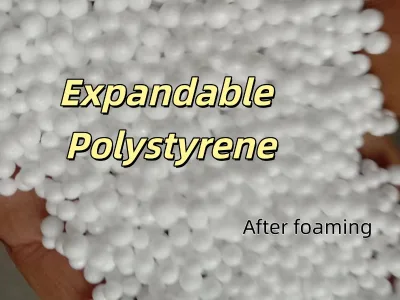
Thermal Insulation EPS Pellets are made from expandable polystyrene, a resin that expands when heated to form a lightweight, closed-cell foam structure. The pellets are available in white and yellow colors, in virgin and recycled types, and in regular grades or flame-retardant grades for different insulation applications.
Which applications use Thermal Insulation EPS Pellets?
These pellets are mainly used to produce thermal insulation boards and acoustic panels. They are also applied in formed walls and as a layer for heat preservation in building projects. Buyers should choose between regular and flame-retardant grades depending on the fire-safety requirements of the end application.
Can I order Thermal Insulation EPS Pellets in custom specifications?
Yes, customization is available from listed suppliers. You can specify the model grade, such as SF301 through SF501 series, the material type as virgin or recycled, and color options. Confirm your required grade, packaging format, and order quantity with the supplier before placing a trial or bulk order.
How is EPS pellet material packed and delivered?
Packaging is typically 25kg bags, offered in formats such as PP bags or ton packages, with ocean shipping for export orders. Some suppliers state delivery within 10 days after receiving the deposit. Confirm the exact packing format, shipping terms, and dispatch schedule with your chosen supplier when ordering.
What is the typical minimum order quantity for EPS pellets?
Listed minimum order quantities generally fall in the range of 10 to 17 tons, since EPS pellets are commodity resins shipped in bulk. Smaller trial quantities may be negotiable with individual suppliers, but buyers should expect tonnage-level orders and should verify MOQ, packing, and freight costs before confirming.
How do I choose between virgin and recycled EPS pellets?
Virgin EPS pellets offer consistent expansion performance and are preferred for new insulation board production, while recycled pellets suit cost-sensitive or non-critical applications. Some listings also indicate raw material imported from the USA for virgin grades. Match the grade to your product quality targets and confirm the material type with the supplier.