Source Thread Rolling Machine for Fasteners, Bolts, and Screws
Find 30 Thread Rolling Machine listings with varying specifications and prices. Compare models like Z28-150 and ZP30, noting certifications such as CE and ISO, and features including hydraulic power and flexible production capabilities.
Key considerations
Products List


Automatic Thread Rolling Bar Threading Machine Thread Rolling Machine
$8300.00 - $9800.00
MOQ: 1 Pieces


Thread Making Machine Thread Rolling Machine Hydraulic Thread Rolling Machine
$14000.00 - $14600.00
MOQ: 1 Pieces

Z28150 Thread Rolling Machine Thread Rolling Machine Tube Thread Rolling Machine
$8300.00 - $9800.00
MOQ: 1 Pieces


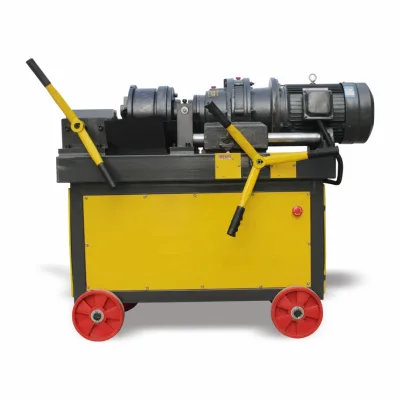
Comprehensive Sourcing Guide
Strategic Sourcing Guide for Thread Rolling Machines
Understanding Core Technical Specifications and Configuration
When evaluating thread rolling machines for industrial procurement, the primary focus must remain on the mechanical configuration and operational parameters that define the machine's capability. The supplied product data indicates a diverse range of models, specifically the Z28 series (including variants Z28-150, Z-28-215, Z28-250, and Z28-200) alongside the ZP30 and model 003. These designations typically correspond to the maximum workpiece diameter or tonnage capacity, a critical variable for matching equipment to production needs.
The Z28 series machines are characterized by a hydraulic pressure power source, which is essential for delivering the consistent force required for cold forming processes. This hydraulic system supports the "Mold Forging" forming method, a technique where the thread profile is formed by pressing the workpiece between rotating dies rather than cutting material away. This process is inherently linked to the "High Efficiency" attribute observed in the listings, as material removal is eliminated, resulting in stronger grain structure and faster cycle times compared to thread cutting.
Dimensional specifications vary significantly across the observed inventory, reflecting the different scales of operation. For instance, the Z28-150 model lists a standard dimension of 153016801630, while the Z-28-215 expands to 170018501545mm. The Z28-250 and Z28-200 models further illustrate this variance with dimensions of 180016801620mm and 170018501545mm respectively. Buyers must verify that the floor space available in their facility can accommodate these specific footprints. Additionally, the ZP30 model presents a distinct standard size of 200016001750mm, suggesting a different application scope or capacity tier.
Power requirements are another critical technical specification. The data points to a power rating of 5.5kw for certain configurations, operating at a voltage of 380V. This electrical profile is standard for industrial machinery in many regions but requires verification against the buyer's local grid infrastructure. The transmission type is noted as "Flexible," which implies an ability to adapt to varying production rhythms or load changes. However, one listing mentions a "Non Flow Production Line" rhythm, contrasting with another that specifies an "Assembly" line type. This discrepancy highlights the need for buyers to clarify whether the machine is intended for a continuous flow environment or a discrete batch assembly process.
Compliance, Certification, and Safety Standards
In the global B2B market, compliance with international standards is non-negotiable for safety and market access. The observed product listings consistently reference CE and ISO certifications. These designations indicate that the machinery meets specific European safety directives and international quality management standards, respectively. Some listings also include CCC (China Compulsory Certification) and SGS, suggesting a broader scope of regulatory adherence for domestic and international markets.
However, buyers must exercise caution when interpreting these certifications. The data shows variations in how certifications are presented; one entry lists "CE,ISOCondition:New," which may indicate a formatting artifact rather than a distinct certification type. It is imperative for the procurement team to request valid, up-to-date certification documents directly from the supplier. The presence of a "CE" mark, for example, does not automatically guarantee compliance with the specific machinery directive applicable to the buyer's region without verifying the specific directive number and the issuing body.
Safety features are often embedded in the machine's design. The "Automatic Grade" classification suggests a high level of automation, which reduces direct human intervention and associated risks. Nevertheless, the "Easy to Maintenance" advantage noted in the data implies that access points for service are designed into the unit, which is a crucial safety feature for preventing accidents during routine upkeep. Buyers should verify that the machine includes emergency stop mechanisms, light curtains, or physical guards that comply with the safety standards claimed in the certification documents.
Furthermore, the "Factory Inspection Video" being provided is a valuable tool for remote verification. This allows the buyer to visually confirm the build quality, the presence of safety guards, and the general condition of the machine before shipment. While this is a positive indicator, it should be supplemented by third-party inspection reports if the procurement value is high. The "New" condition of the machines is a standard expectation for new equipment, but buyers must ensure that "New" refers to the machine's state and not a refurbished unit sold as new.
Cost Drivers and Pricing Structure Analysis
The pricing landscape for thread rolling machines is influenced by a complex interplay of factors, including capacity, automation level, and customization options. The observed price range in the market spans from $700 to $40,000 USD. This wide variance suggests that the market includes both small-scale, manual or semi-automatic units and large, fully automated production lines. The lower end of the spectrum likely corresponds to smaller models like the Z28-150 or basic configurations, while the upper end reflects high-capacity models like the Z28-250 or specialized lines with intelligent manufacturing features.
Customization is a significant cost driver. The data indicates that "Customization" is available, yet some listings specify "Non-Customized" while others state "Customized." This duality suggests that buyers can opt for standard off-the-shelf models or request tailored modifications. Customization typically involves altering the die holder, changing the motor specifications, or integrating specific control systems, all of which increase the base cost. The "Flexible Production" attribute, linked to "Intelligent Manufacturing," likely commands a premium price due to the advanced software and hardware integration required.
The Minimum Order Quantity (MOQ) is another financial consideration. The observed MOQ range is between 1 and 5 units. This flexibility is advantageous for small to medium-sized enterprises that may not require a full production line immediately. However, buyers should be aware that ordering a single unit might incur higher per-unit costs compared to bulk orders. The "Standard Packaging" and "Standard Wooden Crate" options are generally included in the base price, but specialized packaging requirements could add to the total cost.
Warranty terms also play a role in the total cost of ownership. The listings consistently mention a "1 Year" or "12 Months" warranty. This standard coverage protects against manufacturing defects but does not typically cover wear and tear or operational misuse. Buyers should evaluate whether the warranty includes on-site service or if it is limited to parts replacement. The "Year of Manufacture" being listed as "Update" in some contexts is ambiguous; buyers must clarify the actual production date to ensure the machine is not an older model being sold as new.
Typical Applications and Production Scope
Thread rolling machines are versatile tools used across various industries where high-strength fasteners and threaded components are required. The "Product Line" scope mentioned in the data suggests these machines are suitable for mass production environments. The "Mold Forging" method is particularly effective for producing bolts, screws, and studs where the cold working process increases the tensile strength of the material. This makes them ideal for automotive, aerospace, and construction sectors where component reliability is paramount.
The specific models observed cater to different production scales. The Z28 series, with its hydraulic power source, is well-suited for medium to heavy-duty applications. The "Speed" attribute, noted as 150-185cm, likely refers to the feed rate or the speed of the workpiece movement, which impacts the throughput of the machine. This speed range is critical for buyers calculating their production capacity and cycle times.
The "Flexible Production" and "Intelligent Manufacturing" attributes indicate that these machines can be integrated into modern, automated assembly lines. This is particularly relevant for industries that require high mix, low volume production or rapid changeovers. The "Assembly" line type mentioned suggests compatibility with downstream processes, allowing for a seamless workflow from raw material to finished product.
However, the "Non Flow Production Line" rhythm noted in some listings suggests that certain models may be better suited for batch processing rather than continuous flow. Buyers must align the machine's production rhythm with their overall factory layout and workflow strategy. The "Production Scope" of "Product Line" implies that these machines can handle a variety of product sizes, but the specific capabilities should be verified against the buyer's product portfolio.
Supplier Evaluation and Operational Due Diligence
Selecting the right supplier is as critical as selecting the right machine. The data indicates that the products originate from specific regions in China, including Hebei and Guangdong. These regions are known for their manufacturing clusters, but buyers should not assume uniform quality across all suppliers in these areas. The "Factory Inspection Video" is a strong indicator of a supplier's transparency and confidence in their product. Buyers should request these videos to assess the manufacturing environment, the condition of the machinery, and the professionalism of the production team.
The "Condition: New" attribute is a baseline expectation, but buyers must verify the machine's history. Some listings mention "Year of Manufacture: Update," which is vague. Buyers should request the specific manufacturing date and serial number to ensure the machine is not a reconditioned unit. The "Customized" vs. "Non-Customized" distinction also requires careful supplier evaluation. A supplier offering customization must demonstrate the engineering capability to modify the machine without compromising its structural integrity or safety.
The "Warranty: 1 Year" and "12 Months" terms are standard, but the scope of the warranty is often where disputes arise. Buyers should clarify whether the warranty covers labor costs for on-site repairs or only parts. The "Easy to Maintenance" advantage is a positive sign, but buyers should request a maintenance manual and a list of recommended spare parts to ensure long-term support. The "Standard Packaging" and "Wooden Box" options are standard, but buyers should confirm that the packaging is sufficient to protect the machine during international shipping, especially given the "Standard Wooden Crate" option for larger models.
Quality Control and Long-Term Procurement Considerations
Quality control is essential for ensuring the longevity and performance of thread rolling machines. The "CE, ISO, SGS" certifications provide a framework for quality assurance, but buyers should implement their own quality control protocols. This includes requesting detailed technical drawings, material certificates for critical components, and test reports for the hydraulic system and electrical components. The "High Efficiency" and "Work Flexible" attributes should be validated through performance testing, either at the supplier's facility or upon delivery.
Long-term procurement considerations extend beyond the initial purchase price. The "1 Year" warranty is a starting point, but buyers should consider the availability of spare parts and the cost of maintenance over the machine's lifespan. The "Flexible Production" and "Intelligent Manufacturing" features suggest that the machine may require software updates or specialized training for operators. Buyers should factor in the cost of training and the potential for future upgrades.
The "Standard Packaging" and "Wooden Box" options are designed to protect the machine during transit, but buyers should verify that the packaging meets the specific requirements of their logistics provider. The "New" condition of the machine should be confirmed upon delivery, with a thorough inspection for any signs of damage or wear. The "Factory Inspection Video" can serve as a reference point for the machine's condition at the time of shipment.
Finally, buyers should consider the "Production Scope" and "Product Line" capabilities of the machine. If the buyer plans to expand their product range, the machine should have the flexibility to accommodate new product sizes and types. The "Mold Forging" method is a robust process, but the dies and tooling must be compatible with the specific materials and thread profiles the buyer intends to produce. By carefully evaluating these factors, buyers can ensure a successful procurement that meets their operational needs and long-term strategic goals.
FAQs
What certifications do thread rolling machines typically have?
Most units carry CE and ISO certifications to meet international safety and quality standards. Some listings also include CCC and SGS marks, but buyers must verify valid documents directly from the supplier before purchase.
How much does a Thread Rolling Machine cost?
Prices range from 700 to 40000 USD depending on capacity and automation level. Lower costs usually cover smaller models like the Z28-150, while higher prices reflect larger units or intelligent manufacturing features.
Which models are available for hydraulic thread rolling?
The Z28 series including Z28-150, Z-28-215, Z28-250, and Z28-200 are available with hydraulic pressure power sources. These models use mold forging methods suitable for high-efficiency cold forming processes.
Can I get customized thread rolling machines?
Customization is available for specific production needs, though some units are sold as non-customized standard models. Buyers should confirm if modifications to dies or motors are required for their specific application.
What is the warranty period for these machines?
The standard warranty period is one year or 12 months covering manufacturing defects. This coverage typically excludes wear and tear, so buyers should clarify if on-site service is included in the terms.
Where are these thread rolling machines manufactured?
Products originate from manufacturing hubs in Hebei and Guangdong, China. Buyers should verify the specific factory location and request inspection videos to confirm build quality and condition before finalizing orders.