Source TiCN Coated Sleeve Anchor for Building and Machinery
Find 30 TiCN Coated Sleeve Anchor options for building, machinery, and chemical industry applications. Compare specifications including stainless steel and carbon steel materials, various head styles, and surface treatments to identify suitable fasteners for your project needs.
Key considerations
Products List


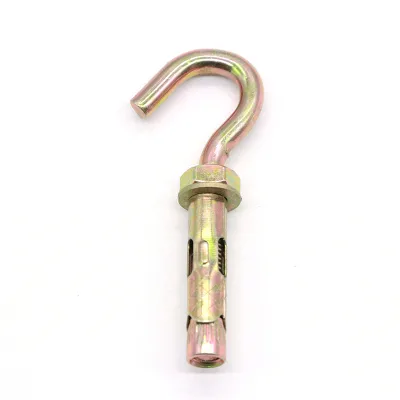


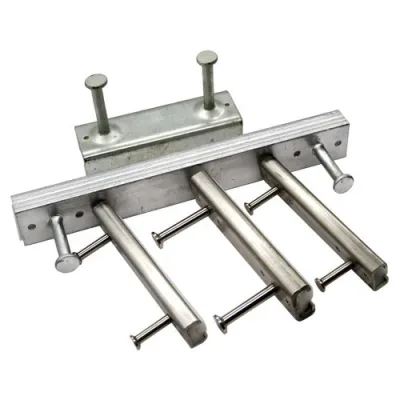


Comprehensive Sourcing Guide
TiCN Coated Sleeve Anchor Sourcing Guide
Sourcing high-performance anchoring systems requires a disciplined approach to verifying material integrity, surface treatment efficacy, and compliance with international standards. The term "ticn coated" often appears in search queries related to specialized corrosion-resistant fasteners, yet the supplied product data indicates that the primary surface treatments observed for sleeve anchors are galvanized sheet, zinc plating (including yellow plating), and plain finishes. Buyers must carefully distinguish between marketing terminology and actual metallurgical specifications to ensure the selected anchor meets the environmental demands of the installation site. This guide provides a structured framework for evaluating sleeve anchor offerings, focusing on the observable attributes, technical verifications, and commercial terms associated with these critical construction components.
The procurement of sleeve anchors involves navigating a complex landscape of material grades, standard compliance, and packaging logistics. While the core keyword suggests a specific coating technology, the available evidence highlights a broader category of stainless steel and carbon steel anchors with various protective finishes. Understanding the distinction between these materials is crucial for making informed purchasing decisions. This guide aims to equip procurement professionals with the necessary insights to validate supplier claims, assess quality control measures, and negotiate favorable terms, ensuring that the final product delivers the required structural integrity and longevity in applications ranging from machinery installation to building construction.
Product Scope and Observed Listing Signals
The observed product listings reveal a diverse range of sleeve anchors characterized by specific material compositions and surface treatments. Stainless steel and carbon steel are the primary materials identified, with the latter often featuring zinc plating or yellow plating to enhance corrosion resistance. The surface treatment options observed include galvanized sheet, bright uncoated finishes, and plain surfaces, indicating that buyers should not assume a specific "ticn" coating is standard unless explicitly verified. The presence of these varied finishes suggests that suppliers offer solutions tailored to different environmental conditions, from indoor machinery mounting to outdoor structural applications where moisture resistance is critical.
Listing signals also highlight significant variability in product specifications and packaging methods. Sizes range from M4 to M32, with specific models like JINF-FA015 and diameter options such as 12mm being noted. Packaging varies from small boxes and blister packs to bulk cartons and wooden pallets, reflecting different order volumes and logistical needs. The observed minimum order quantities (MOQ) span from 1 piece to 1,500,000 pieces, indicating that suppliers cater to both small-scale repair projects and large-scale industrial procurement. Buyers must align their order volume with the supplier’s packaging capabilities and MOQ requirements to avoid unnecessary logistical complications or cost inefficiencies.
Technical Specifications to Verify
Verifying the technical specifications of sleeve anchors is paramount to ensuring their suitability for the intended application. Key attributes to confirm include the head type, connection style, and standard compliance. The observed data lists head types such as clip, hexagon, and round, with connection styles ranging from L clips to common bolts. Buyers should verify that the selected anchor’s head and connection design match the installation requirements, particularly for applications involving machinery or chemical industry equipment where specific torque and load-bearing characteristics are essential. The standard compliance, including DIN, BSW, GB, ANSI, JIS, and GOST, must be explicitly confirmed to ensure compatibility with local building codes and engineering standards.
Material grade and size specifications are equally critical for performance validation. The observed data mentions grades such as 8.8 and sizes ranging from 6-20mm and M6-M20, with some listings specifying M4-M32. Buyers must verify the exact material grade and diameter to ensure the anchor can withstand the expected loads and environmental stresses. Additionally, the measurement system, typically metric for these products, should be confirmed to prevent compatibility issues with existing infrastructure. The customization availability noted in the listings suggests that suppliers may offer tailored solutions for unique engineering requirements, but buyers should clearly define their specifications to avoid miscommunication and ensure the final product meets all technical criteria.
Compliance and Safety Documentation
Compliance with international quality and safety standards is a non-negotiable aspect of sourcing sleeve anchors. The observed data indicates that suppliers hold ISO9001 certification and provide SGS third-party product certificates, which are critical for verifying manufacturing quality and product reliability. Buyers should request these certifications to ensure that the supplier adheres to rigorous quality management systems and that the products have undergone independent testing. The presence of these certifications provides a baseline assurance of product consistency and safety, reducing the risk of structural failures or non-compliance with regulatory requirements in the end application.
In addition to company and product certifications, buyers should verify adherence to specific industry standards and testing protocols. While ASTM E488 is mentioned as a background standard, its applicability to the specific sleeve anchor models should be confirmed with the supplier. Buyers must ensure that the anchors meet the relevant standards for their application, such as DIN, GB, or ANSI, depending on the project location and engineering specifications. Documentation should also include details on the surface treatment processes, such as zinc plating or galvanization, to verify corrosion resistance claims. Comprehensive compliance documentation is essential for risk mitigation and ensuring that the anchors perform as expected in demanding environments.
Cost Drivers and Commercial Terms
Understanding the cost drivers and commercial terms is essential for effective procurement planning. The observed price range of 0-1790 USD and MOQ range of 1-1,500,000 pieces indicate significant variability in pricing based on order volume, material type, and surface treatment. Buyers should consider the total cost of ownership, including shipping, handling, and potential customs duties, when evaluating quotes. The delivery terms observed, such as FOB, CNF, CIF, and EXW, impact the final cost and logistics responsibility, so buyers must clearly define their preferred Incoterms to avoid unexpected expenses.
Payment terms and lead times are also critical factors in the procurement process. The observed payment terms include TT or LC at sight, which are standard for international trade but require careful financial planning. Lead times of 30-45 days are noted, which buyers must account for in their project schedules to avoid delays. Capacity constraints, such as the observed 200kg capacity for certain products, may also influence pricing and availability. Buyers should negotiate favorable terms based on their order volume and relationship with the supplier, ensuring that all commercial aspects are clearly documented in the purchase agreement to prevent disputes.
Supplier Qualification and Quality Control
Supplier qualification is a critical step in ensuring the reliability and consistency of sleeve anchor supplies. Buyers should verify the supplier’s manufacturing capabilities, quality control processes, and track record in the industry. The observed data mentions self-check quality control (QC) procedures, which are a basic requirement but should be supplemented with third-party inspections for high-volume or critical applications. Buyers should request detailed information on the supplier’s production facilities, testing equipment, and personnel qualifications to assess their ability to meet specific engineering requirements.
Quality control documentation should include inspection reports, material test certificates, and surface treatment verification records. Buyers should establish clear acceptance criteria and inspection protocols to ensure that the delivered products meet the specified standards. The observed packaging methods, such as carton packing on wooden pallets or bulk cartons, should be evaluated for their ability to protect the anchors during transit. Buyers should also consider the supplier’s responsiveness and communication skills, as these factors can significantly impact the procurement process and issue resolution. A thorough supplier qualification process helps mitigate risks and ensures a reliable supply chain for critical construction components.
Long-Term Procurement Checks
Long-term procurement success depends on continuous monitoring and evaluation of supplier performance and product quality. Buyers should establish key performance indicators (KPIs) to track delivery times, product quality, and customer service responsiveness. Regular audits and site visits can provide valuable insights into the supplier’s manufacturing processes and quality control measures, ensuring ongoing compliance with agreed-upon standards. Buyers should also maintain open communication channels with suppliers to address any issues promptly and foster a collaborative relationship that supports continuous improvement.
Market trends and technological advancements in anchoring systems should be monitored to ensure that the selected products remain competitive and relevant. Buyers should stay informed about changes in industry standards, material innovations, and surface treatment technologies that may impact product performance and cost. Periodic reviews of the supply base and alternative sourcing options can help mitigate risks and ensure access to the best available products. By implementing a proactive and disciplined procurement strategy, buyers can secure a reliable supply of high-quality sleeve anchors that meet their long-term operational and project requirements.
FAQs
What certifications do sleeve anchor manufacturers hold?
Manufacturers typically hold ISO9001 and SGS certifications for their products. These third-party certificates ensure quality control and compliance with international standards for sleeve anchors and bolt anchors.
Which materials are used for sleeve anchor production?
Sleeve anchors are commonly manufactured from stainless steel or carbon steel. The choice of material depends on the specific application requirements and environmental conditions where the anchor will be installed.
How is the surface treatment applied to these anchors?
Surface treatments include galvanized sheet, zinc plating, or bright uncoated finishes. These processes protect the metal from corrosion and ensure durability in various industrial and building applications.
What is the standard packaging for sleeve anchor orders?
Products are packed in small boxes, blister packs, or cartons on wood pallets. Specific configurations vary, such as 50 or 100 pieces per box, with multiple boxes per outer carton for shipping.
Can customization be arranged for sleeve anchor specifications?
Customization is available for headmarks, sizes, and specific product models. Buyers can request tailored solutions to meet unique project requirements while adhering to standard dimensions like M6 to M20.
What is the typical delivery lead time for these anchors?
The standard delivery time ranges from 30 to 45 days after order confirmation. This timeline accounts for production, quality checks, and logistics arrangements for international shipping terms like FOB or CIF.
Which standards govern the production of sleeve anchors?
Production follows multiple international standards including DIN, GB, ANSI, BSW, JIS, and GOST. These standards ensure the anchors meet specific mechanical and dimensional requirements for global markets.