Source Tie Rod Thread Rolling Machine for Auto, Construction, and Machinery
Explore 30 verified listings for the Tie Rod Thread Rolling Machine to compare specifications like CNC machining, hydraulic power, and forging tolerances. Buyers can evaluate features such as automation levels, CE certification, and packing options from suppliers in China.
Key considerations
Products List


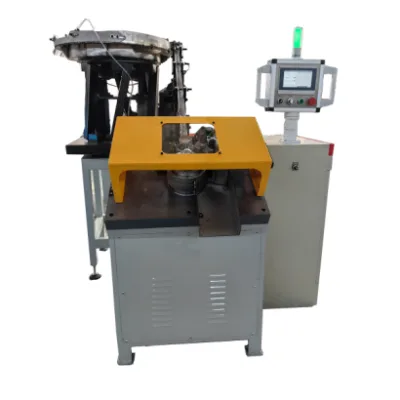
Automatic Thread Rolling Bar Threading Machine Thread Rolling Machine
$8300.00 - $9800.00
MOQ: 1 Pieces


Comprehensive Sourcing Guide
Strategic Sourcing Guide for Tie Rod Thread Rolling Machines
The global demand for high-strength fasteners, particularly tie rods used in construction, automotive, and heavy machinery applications, continues to drive the need for precision manufacturing equipment. Tie rod thread rolling machines represent a critical segment of this industrial ecosystem, offering a cold-forming alternative to traditional cutting methods. This guide synthesizes observed market data and technical attributes to assist procurement professionals in evaluating potential suppliers and selecting machinery that aligns with operational requirements. The focus remains on evidence-based criteria derived from current product listings, ensuring that decisions are grounded in verifiable specifications rather than marketing assertions.
Technical Specifications and Machine Capabilities
When evaluating a Tie Rod Thread Rolling Machine, the primary technical differentiator lies in the forming mechanism and the specific capabilities regarding material processing. The observed market data indicates a diversity in machine types, ranging from electric-driven units to hydraulic systems. Buyers must first determine the power source that best suits their production environment. Listings show options labeled as "Electric" and "Hydraulic Pressure," each offering distinct advantages in terms of force control and energy consumption. Hydraulic machines, often identified by models such as the Z28 series, are frequently noted for their ability to handle higher tonnage requirements, which is essential for larger diameter tie rods.
The forming process itself is another critical specification. The data highlights "Mold Forging" and "Thread Rolling" as the primary forming methods. Unlike cutting, which removes material, thread rolling displaces metal to create threads, resulting in a grain structure that follows the thread profile. This process generally yields higher tensile strength and better fatigue resistance. The observed "Forging Tolerance" of +/-0.5mm serves as a benchmark for precision, though buyers should verify if this tolerance applies to the specific machine model or the final product output. Furthermore, the "Feeding" mechanism is a key operational detail; "Vibrator" feeding systems are noted in several listings, suggesting an automated approach to material handling that can significantly increase throughput compared to manual loading.
Size capacity is another non-negotiable specification. The observed product range includes capabilities for sizes from M3 to M20. This range covers a vast majority of standard tie rod applications but may not cover heavy-duty industrial fasteners exceeding M20. Procurement teams must cross-reference their specific production needs against these observed specifications. If the requirement involves threads larger than M20, the buyer must explicitly verify the machine's maximum capacity, as the standard observed range may not be sufficient. Additionally, the "Molding Style" is consistently identified as "Forging," confirming that these machines are designed for cold forging processes rather than hot forging or casting.
Compliance, Certification, and Safety Standards
In the international procurement of industrial machinery, compliance with safety and quality standards is paramount. The supply chain data reveals a strong emphasis on certification, with "CE" and "ISO" appearing frequently as key attributes. The CE mark indicates conformity with health, safety, and environmental protection standards for products sold within the European Economic Area, a critical requirement for any machinery exported to or used in Europe. The presence of "ISO" certification, often listed alongside "Condition: New," suggests that the manufacturing facility adheres to international quality management systems. However, buyers should treat these as observations of the specific product listings and verify the validity of the certificates with the supplier directly, as certification status can vary between different models or production batches.
Beyond general certifications, specific standards for the machine's physical dimensions and weight are also relevant. Observed product standards include dimensional specifications such as 168015801460mm and 191517671700mm, as well as weight standards like 1900kg. These figures are essential for factory floor planning, ensuring that the facility has adequate space and structural support for the equipment. The "Standard" field also lists "SGS CE," indicating that third-party inspection services may have been involved in the verification process. While the data confirms the availability of these certifications, it does not guarantee that every unit in a supplier's inventory holds them. Therefore, the procurement strategy must include a request for current, valid certification documents for the specific model being purchased.
Cost Drivers and Pricing Structures
Understanding the cost structure of tie rod thread rolling machines is vital for budgeting and total cost of ownership (TCO) analysis. The observed price range in the market spans from $2,700 to $80,000 USD. This wide variance is not arbitrary but is driven by several distinct factors. The lower end of the spectrum likely corresponds to smaller, electric-driven units with limited automation features, suitable for low-volume production or smaller diameter fasteners. Conversely, the higher price points are associated with advanced hydraulic systems, such as the Z28-200 model, which offer higher tonnage, greater automation, and the ability to process larger or more complex tie rods.
Material composition is another significant cost driver. The listings consistently identify "Metal" and "Iron" as the primary materials used in the construction of these machines. The quality of the steel and the precision of the CNC machining processes directly impact the machine's durability and accuracy. Units described with "CNC Machining" attributes are likely to command a premium due to the higher precision and repeatability they offer. Additionally, the "Customized" nature of the equipment plays a role in pricing. Many suppliers offer "Customization" and "Customized" options, allowing buyers to tailor the machine to specific production lines. These bespoke solutions inevitably increase the base cost but can reduce long-term operational inefficiencies.
The "Warranty" period is also a factor in the overall cost equation. A standard "12 Months" warranty is observed in the market data. While this is a common baseline, buyers should consider the cost of extended warranties or service contracts, especially for high-value machines in the upper price range. The "Factory Inspection Video" being provided is a positive indicator of transparency, potentially reducing the risk associated with the purchase, but it does not replace the need for a formal inspection clause in the contract.
Typical Applications and Operational Scope
Tie rod thread rolling machines are specialized tools designed for a specific set of industrial applications. The primary "Application" field in the data points to "Machinery Parts," which encompasses a broad range of components used in heavy equipment, automotive assemblies, and construction frameworks. Tie rods, in particular, are essential for maintaining structural integrity in concrete forms, bridge construction, and various mechanical linkages where high tensile strength is required. The "Use Widely" advantage noted in the listings suggests that these machines are versatile and can be integrated into diverse manufacturing environments.
The "Feature" of "Automation" is a critical operational capability. Automated machines reduce the reliance on skilled labor for thread rolling, minimizing human error and increasing production consistency. This is particularly important for high-volume production runs where efficiency is paramount. The "High Efficiency" attribute further supports the suitability of these machines for mass production scenarios. However, the "Work Flexible" advantage suggests that these machines are also adaptable to different production schedules or product variations, making them suitable for job shops that handle a variety of tie rod specifications.
The "Green" attribute, listed as "Top Quality," is an interesting observation that may refer to the environmental friendliness of the cold-forming process or the machine's energy efficiency. Cold forging is generally considered a more sustainable manufacturing method compared to cutting, as it generates less waste and requires less energy. Buyers interested in sustainability goals should verify if the "Green" label refers to the process efficiency or specific eco-friendly features of the machine's design.
Supplier Evaluation and Verification Protocols
Selecting the right supplier requires a rigorous evaluation process that goes beyond the information provided in product listings. The data indicates that the "prod_origin" is primarily "China," with specific mentions of "Hebei China." While this provides a geographical context, it does not constitute a quality guarantee. Buyers must verify the supplier's reputation, financial stability, and track record in exporting machinery. The "Year of Manufacture" being listed as "Update" suggests that suppliers may not always provide specific production dates, which can be a red flag for buyers seeking the latest technology.
The "prod_packing" methods, described as "Wooden Box," "Wooden Case," and "Seaworthy," are critical for logistics planning. Seaworthy packing is essential for international shipments to protect the machinery from moisture and physical damage during transit. Buyers should ensure that the packing specifications meet the requirements of their shipping route and that the supplier has a history of successful deliveries. The "Customized" and "Customization" attributes indicate that the supplier is willing to engage in a collaborative design process, which is a positive sign of flexibility and customer service orientation.
Quality Control and Long-Term Procurement Considerations
Quality control is the final pillar of a successful procurement strategy. The "Forging Tolerance" of +/-0.5mm is a specific metric that buyers should use as a baseline for quality acceptance. However, this tolerance should be verified against the buyer's own product requirements. If the application demands tighter tolerances, the buyer must negotiate this with the supplier and potentially request a trial run or a sample production batch. The "Rolling Process: Available" attribute confirms that the machine is capable of performing the necessary operations, but the consistency of this process over time is what matters most.
Long-term procurement considerations include the availability of spare parts, technical support, and maintenance services. The "12 Months" warranty is a starting point, but buyers should inquire about the availability of spare parts beyond the warranty period. The "CNC Machining" capability of the machine suggests a need for specialized maintenance, so the supplier's ability to provide technical training and support is crucial. Additionally, the "Factory Inspection Video" being provided is a useful tool for initial quality assessment, but it should be complemented by a third-party inspection before final payment.
In conclusion, sourcing a Tie Rod Thread Rolling Machine requires a balanced approach that considers technical specifications, compliance, cost, and supplier reliability. The observed data provides a solid foundation for understanding the market landscape, but buyers must conduct due diligence to ensure that the selected machine meets their specific operational needs. By focusing on verifiable attributes such as certification, tolerance, and power source, procurement professionals can make informed decisions that drive efficiency and quality in their manufacturing processes.
| Feature Category | Observed Attributes | Verification Requirement |
|---|---|---|
| Power Source | Electric, Hydraulic Pressure | Confirm suitability for facility power grid and load requirements. |
| Certification | CE, ISO, SGS CE | Request valid, current certificates for the specific model. |
| Dimensions | 168015801460mm, 191517671700mm | Verify floor space and structural load capacity. |
| Weight | 1900kg | Ensure shipping and installation logistics are planned. |
| Thread Capacity | M3-M20 | Confirm if larger diameters are supported or require custom models. |
| Packing | Wooden Box, Wooden Case, Seaworthy | Verify packing integrity for international transit. |
| Warranty | 12 Months | Clarify terms for extended coverage and spare parts availability. |
| Origin | China, Hebei China | Assess supplier reputation and export history. |
By adhering to these evidence-based guidelines, buyers can navigate the complexities of the Tie Rod Thread Rolling Machine market with confidence, ensuring that their investments yield the desired operational outcomes.
FAQs
What certifications do tie rod thread rolling machines typically have?
These machines commonly carry CE and ISO certifications to ensure safety and quality standards. Buyers should verify specific certificate validity for each model as standards like SGS CE may vary between batches.
Which power sources are available for these rolling machines?
Available power sources include electric and hydraulic pressure systems. Hydraulic models like the Z28 series often handle higher tonnage requirements while electric units suit smaller diameter fasteners.
Can I find customized tie rod thread rolling machines?
Yes, customization is available for these machines to meet specific production needs. Buyers can request tailored features, though this may affect the base price and lead time compared to standard models.
What is the typical warranty period for this equipment?
A standard warranty period of 12 months is observed in the current market listings. Extended service contracts may be available for high-value units to ensure long-term operational reliability.
How are these machines packed for international shipping?
Machines are typically packed in wooden boxes, wooden cases, or seaworthy containers. This packaging protects the equipment from moisture and physical damage during transit to global destinations.
What is the price range for tie rod thread rolling machines?
The observed price range spans from 2700 to 80000 USD depending on specifications. Lower prices usually correspond to electric units while hydraulic models with higher capacity command higher costs.
Which material types are processed by these rolling machines?
These machines process metal and iron materials using cold forging techniques. The forging tolerance is typically around plus or minus 0.5mm for the resulting thread profiles.