Source Tie Rods for Auto, Furniture, and Industrial Uses
Compare 30 verified Tie Rod options from Chinese manufacturers. Buyers can evaluate steel models with ISO certifications, various surface treatments, and customization options for automotive, furniture, and industrial applications; compare the available evidence and request quotations based on your requirements.
Key considerations
Products List


$2.00 - $3.00
MOQ: 1 Pieces


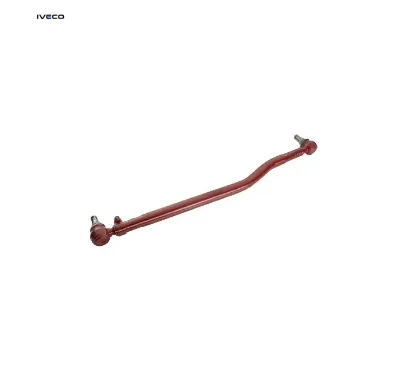


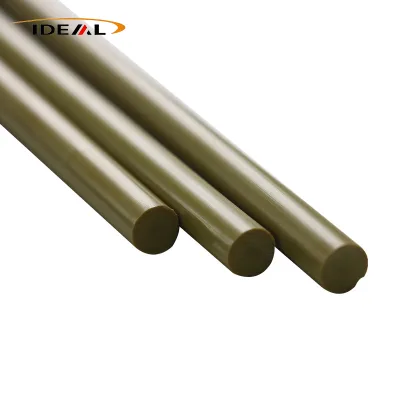


Comprehensive Sourcing Guide
Tie Rod Sourcing Guide
Sourcing tie rods requires a clear understanding of their dual role in steering systems and structural anchoring. In automotive contexts, these components transmit steering motion from the rack to the wheels, demanding high precision and durability. In construction, they serve as critical elements in building anchor systems, ensuring stability during erection. Buyers must distinguish between these applications early, as material specifications and performance criteria differ significantly. The observed market includes products labeled for hydraulic auto-climbing systems and general industrial use, indicating a broad spectrum of utility.
Procurement decisions should be guided by the specific functional requirements of the end-use environment. For instance, some listings highlight features like easy assembling and reusable usage, which are vital for temporary structures or modular furniture applications. Others emphasize technical support, such as remote or on-site instruction, suggesting complex installation procedures. Understanding whether the Tie Rod is intended for extension, torsion-bar shapes, or straight configurations helps narrow the supplier pool. This initial clarity prevents mismatches between product capabilities and operational needs, reducing the risk of costly procurement errors.
Product Scope and Observed Listing Signals
The current market landscape for tie rods reveals a diverse array of product models and material compositions. Steel is the predominant material observed, providing the necessary strength for both automotive and construction applications. Listings indicate a wide range of model numbers, such as 99100430021, AZ9700430050, and 60601, alongside generic descriptors like "Accessory" or "Tie Rod." This variety suggests that buyers will encounter both standardized parts and highly customized solutions. The presence of specific model codes implies that exact replacements or specific engineering integrations are common requirements in this category.
Pricing and minimum order quantities (MOQ) vary substantially, reflecting the complexity of manufacturing and the scale of demand. Observed prices range from minimal values to over one thousand USD, while MOQs span from single items to two thousand units. This disparity highlights the importance of volume planning in procurement strategies. Some products are packaged for ocean freight or in standard bundles, indicating considerations for logistics and storage. Buyers should align their order sizes with these MOQs to optimize unit costs and ensure supply continuity, especially for high-volume industrial or automotive assembly lines.
Technical Specifications to Verify
Verifying technical specifications is crucial to ensure compatibility and performance. Key attributes to confirm include the product type, such as straight tie rods or suspension arms, and the load type, which may involve extension or torsion forces. The shape of the component, whether torsion-bar or other forms, must match the mechanical design of the assembly. Additionally, the surface finish plays a significant role in durability; options like paint, powder coating, electro-galvanization, and hot-dip galvanization offer varying levels of corrosion resistance. Buyers should specify the required finish based on the environmental conditions of the application.
Dimensional accuracy and standard compliance are equally important. Specifications such as D15, D20, and D26.5 indicate specific size requirements that must be met for proper fitment. The production process, often cold rolling for tie rods, affects the material's grain structure and strength. Buyers must verify that the supplier can meet these dimensional tolerances and process requirements. Furthermore, the condition of the product, typically new, should be confirmed to avoid issues with refurbished or used parts. Ensuring these technical details are explicitly stated in the purchase order prevents discrepancies upon delivery.
Compliance and Safety Documentation
Compliance with international standards is essential for both safety and market access. Certifications such as ISO9001 and ISO indicate that the supplier adheres to quality management systems, ensuring consistent product quality. Some listings also mention CE certification, which is critical for products sold in the European market. Buyers should request valid certification documents to verify that the supplier’s quality control processes meet regulatory requirements. This documentation provides assurance that the tie rods have been manufactured under controlled conditions, reducing the risk of defects.
Safety standards and testing protocols further validate the reliability of the components. While specific test results are not always listed, buyers should inquire about adherence to relevant industry standards, such as SGS for general safety and quality. The application of the Tie Rod, whether in hydraulic systems or building anchors, dictates the necessary safety margins. Buyers must ensure that the supplier can provide evidence of compliance with these standards. This due diligence is particularly important for applications involving high loads or critical structural support, where failure could have severe consequences.
Cost Drivers and Commercial Terms
Several factors influence the total cost of ownership for tie rods. Material costs, primarily steel, fluctuate with market conditions, affecting the base price. The complexity of the manufacturing process, such as cold rolling or specific surface treatments, adds to production expenses. Customization availability allows for tailored solutions but may increase costs due to setup and tooling requirements. Buyers should evaluate the trade-off between standard and custom parts, considering the long-term benefits of each option. Volume discounts and MOQs also play a significant role in determining the final unit price.
Commercial terms, including payment methods and shipping arrangements, impact the overall procurement cost. Products packaged for ocean freight or in cartons require careful logistics planning to avoid damage. Lead times and delivery schedules should be negotiated to align with production needs. Buyers should also consider the cost of technical support, such as remote or on-site instruction, which may be included or charged separately. Understanding these commercial dynamics helps in budgeting accurately and avoiding unexpected expenses. Clear communication of terms ensures a smooth transaction process.
Supplier Qualification and Quality Control
Evaluating supplier qualifications is a critical step in the sourcing process. Buyers should assess the supplier’s production capabilities, including their ability to perform cold rolling and apply various surface finishes. The location of origin, often Shandong, China, indicates a hub for manufacturing, but buyers must verify the supplier’s reputation and reliability. Quality control measures, such as ISO certifications, provide insight into the supplier’s commitment to consistency. Buyers should request samples to test the product’s dimensions, surface finish, and overall quality before placing large orders.
Establishing a robust quality control protocol is essential for maintaining product integrity. Regular inspections and audits can help identify potential issues early in the production process. Buyers should define clear acceptance criteria for dimensions, material strength, and surface treatment. Communication channels should be open to address any discrepancies promptly. Additionally, considering the supplier’s technical support capabilities can enhance the procurement experience. A qualified supplier with strong quality control practices ensures that the tie rods meet the specified requirements, reducing the risk of post-delivery issues.
Long-Term Procurement Checks
Long-term procurement success depends on continuous monitoring and relationship management. Buyers should regularly review supplier performance metrics, such as delivery times, product quality, and responsiveness to issues. Establishing key performance indicators (KPIs) helps in tracking these metrics objectively. Regular feedback sessions with the supplier can foster improvement and address any emerging concerns. This proactive approach ensures that the supply chain remains resilient and adaptable to changing market conditions.
Sustainability and ethical sourcing practices are increasingly important in procurement strategies. Buyers should inquire about the supplier’s environmental policies and labor practices. Ensuring that the tie rods are produced in compliance with ethical standards aligns with corporate social responsibility goals. Additionally, staying informed about market trends and technological advancements in Tie Rod manufacturing can provide competitive advantages. By maintaining a strategic focus on long-term partnerships and continuous improvement, buyers can secure a reliable supply of high-quality tie rods for their operations.
FAQs
What materials are used for tie rods?
Tie rods are primarily manufactured from steel to ensure structural integrity and durability under load. This material choice supports various surface treatments such as painting, powder coating, and electro-galvanization. These finishes protect the steel components from corrosion, making them suitable for industrial, automotive, and furniture applications where long-term performance is critical.
Can tie rods be customized for specific needs?
Yes, customization is available for tie rods to meet specific project requirements. Buyers can request custom standards and specifications tailored to their unique engineering needs. This flexibility allows for precise fitting in hydraulic auto-climbing systems or building anchor systems, ensuring that the components align perfectly with existing infrastructure or machinery designs.
What certifications do Tie Rod suppliers hold?
Reputable Tie Rod suppliers typically hold ISO9001 and CE certifications to ensure quality and safety compliance. These certifications verify that manufacturing processes meet international standards for quality management and product safety. Buyers can rely on these credentials to assess supplier reliability and ensure that the tie rods meet necessary regulatory requirements for industrial and automotive use.
How are tie rods packed for shipping?
Tie rods are packed using standard packages, bundles, or cartons depending on the order size and shipping method. Options include ocean freight packaging for bulk shipments or standard carton packing for smaller orders. This flexible packaging approach ensures that the products remain protected during transit, whether they are being shipped domestically or internationally to various global destinations.
What technical support is provided for tie rods?
Technical support for tie rods includes remote or on-site instruction to assist with installation and usage. This support ensures that buyers can correctly assemble and operate the tie rods in their specific applications, such as hydraulic systems or building anchors. Proper guidance helps prevent installation errors and maximizes the efficiency and safety of the Tie Rod systems in industrial environments.
Are tie rods reusable after installation?
Yes, tie rods are designed to be reusable, offering cost-effective solutions for various applications. Their durable steel construction and protective surface treatments allow them to withstand repeated use without significant degradation. This reusability makes them ideal for temporary structures or systems where components may need to be dismantled and reinstalled multiple times during their service life.