Source Tile Leveler for Masonry, Wall, and Tile Installation
Compare 30 Tile Leveler options from Chinese suppliers with varying materials like PP and Nylon. Buyers can evaluate specifications for tile thickness, gap sizes, and customization services to find suitable leveling systems for masonry and wall applications.
Key considerations
Products List


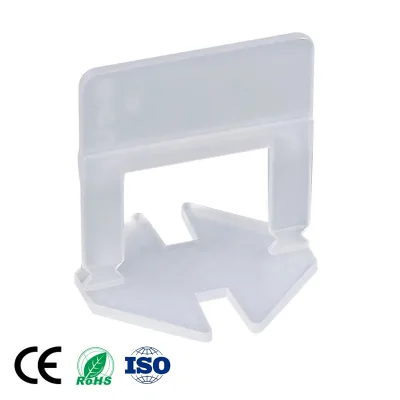

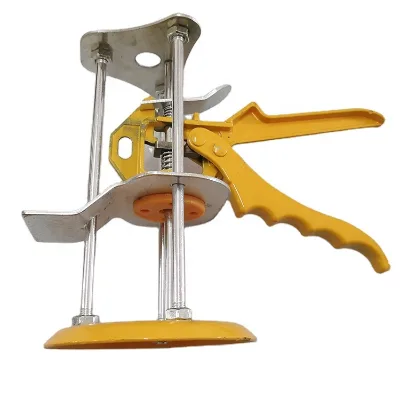


$120000.00 - $350000.00
MOQ: 1 Sets


Comprehensive Sourcing Guide
Tile Leveler Sourcing Guide
Tile leveling systems are essential tools in modern masonry and tiling projects, designed to ensure flat, uniform surfaces by maintaining consistent gaps between tiles during installation. These systems typically consist of interlocking clips and wedges that apply upward pressure to tile edges, compensating for minor height variations in the substrate or tile thickness. Sourcing the right Tile Leveler requires a clear understanding of material properties, dimensional compatibility, and the specific demands of the installation environment. Buyers must navigate a market where products vary significantly in design, durability, and application scope, making precise specification critical to avoiding installation failures or excessive material waste.
The procurement landscape for tile levelers is characterized by a wide range of options, from basic plastic clips to more advanced mechanical systems. Observed listings indicate a broad price spectrum, ranging from minimal unit costs to high-value bulk orders, reflecting differences in material quality, packaging, and supplier scale. Minimum order quantities (MOQs) also vary widely, allowing both small contractors and large distributors to find suitable supply partners. However, this variety necessitates rigorous verification of product attributes, as not all listed items will meet the specific technical requirements of a given project. Buyers must carefully cross-reference supplier claims with actual product specifications to ensure compatibility with their tile types and installation methods.
Product Scope and Observed Listing Signals
Tile leveling systems are primarily designed for masonry applications, including both floor and wall tile installations. The observed product scope indicates that these tools are suitable for a variety of tile thicknesses, with specific models accommodating ranges from 3mm to 17mm. This versatility allows contractors to use a single system across different project types, provided the clip and wedge dimensions match the tile thickness. The applicable brick gap is typically specified as greater than or equal to 1.6 mm, ensuring that the leveling mechanism does not interfere with grout lines or tile edges. Buyers should verify that the selected system aligns with their specific tile dimensions and gap requirements to prevent installation issues.
Material composition is a key differentiator among tile levelers, with polypropylene (PP), polyethylene (PE), and nylon being the most common materials observed. PP and PE offer cost-effective solutions with adequate durability for standard installations, while nylon provides enhanced strength and resistance to deformation under high pressure. The color of the components, often orange, red, yellow, or black, serves both aesthetic and functional purposes, helping installers quickly identify clip sizes and orientations. Some suppliers offer customized colors, which can be beneficial for branding or for distinguishing between different tile thicknesses on large sites. Buyers should consider the material's resistance to moisture and chemicals, especially for outdoor or wet area installations.
Technical Specifications to Verify
Dimensional accuracy is paramount when sourcing tile levelers, as even minor deviations can lead to uneven tile surfaces. Key specifications to verify include the applicable tile thickness range, which varies from 3mm to 17mm across different models, and the clip size, which may be 1.0mm, 1.5mm, 2.0mm, 2.5mm, or 3.0mm. These dimensions must match the specific tiles being installed to ensure proper engagement and pressure application. Additionally, the standard thickness of the leveling system itself, often 1.0mm to 3.0mm, should be considered to avoid excessive height differences between tiles. Buyers should request detailed dimensional drawings or samples to confirm that the product meets their project's tolerance requirements.
Packaging and unit count are also critical technical considerations, as they impact logistics and on-site efficiency. Observed packaging formats include bags containing 50 or 100 pieces, with cartons holding multiple bags for bulk shipping. Some suppliers offer specialized packaging that includes a wrench or other installation tools, which can simplify the procurement process for contractors. The model numbers, such as TL10, TL-008, or JNZ-TLS-C01, often correspond to specific clip and wedge combinations, so buyers must ensure they are ordering the correct set for their needs. Verifying the packaging dimensions and weight is essential for calculating shipping costs and storage requirements, especially for large-scale projects.
Compliance and Safety Documentation
Certification status is a vital indicator of product quality and regulatory compliance, with ISO, CE, and RoHS being the most commonly cited standards in the Tile Leveler market. ISO certification suggests that the manufacturer adheres to international quality management standards, while CE marking indicates compliance with European health, safety, and environmental protection requirements. RoHS certification ensures that the product is free from certain hazardous substances, which is particularly important for projects with strict environmental regulations. Buyers should request valid certification documents from suppliers and verify their authenticity through the issuing bodies, as counterfeit certificates are not uncommon in the industry.
Safety documentation should also include material safety data sheets (MSDS) and usage instructions, which provide critical information on handling, storage, and disposal. These documents help ensure that installers use the products correctly, reducing the risk of injury or product failure. For products made from PP, PE, or nylon, buyers should verify that the materials are non-toxic and suitable for indoor use, especially in residential or commercial spaces with high foot traffic. Additionally, suppliers should provide clear guidelines on the maximum pressure the leveling system can withstand, as exceeding this limit can cause the clips to break or the tiles to shift.
Cost Drivers and Commercial Terms
Pricing for tile levelers is influenced by several factors, including material type, packaging complexity, and order volume. The observed price range of $0.01 to $350,000 reflects the diversity of products and order sizes, from single-unit purchases to large industrial contracts. Buyers should be aware that lower prices may indicate lower material quality or less rigorous quality control, so it is essential to balance cost with performance requirements. Customization options, such as branded colors or specialized packaging, can also impact the final price, as they require additional production steps and setup costs.
Commercial terms, including minimum order quantities (MOQs) and lead times, play a significant role in procurement planning. Observed MOQs range from 1 to 100,000 units, with some suppliers accepting small orders to accommodate smaller contractors. Lead times typically average around 10 days, but this can vary based on order size and production capacity. Buyers should negotiate clear terms regarding payment methods, shipping responsibilities, and return policies to mitigate financial risks. Additionally, suppliers offering OEM/ODM services can provide tailored solutions, but buyers should verify the supplier's capability to maintain consistent quality across customized orders.
Supplier Qualification and Quality Control
Supplier qualification is a critical step in ensuring the reliability of Tile Leveler supplies. Buyers should assess the supplier's production capacity, quality management systems, and track record in the industry. Suppliers with ISO certification and a history of successful exports are generally more reliable, as they have demonstrated adherence to international standards. Additionally, buyers should verify the supplier's ability to provide customization services, such as branded packaging or specialized product designs, if required. Requesting references or case studies from previous clients can provide valuable insights into the supplier's performance and customer service.
Quality control measures should be implemented throughout the procurement process, from initial sampling to final delivery. Buyers should request pre-production samples to verify material quality, dimensional accuracy, and packaging integrity. During production, regular inspections can help identify and address any issues early, reducing the risk of defective products reaching the site. Post-production, buyers should conduct random sampling of finished goods to ensure consistency with the approved samples. Establishing a clear quality assurance protocol with the supplier, including criteria for acceptance and rejection, is essential for maintaining high standards and minimizing project disruptions.
Long-Term Procurement Checks
Long-term procurement success depends on continuous monitoring of supplier performance and product quality. Buyers should establish key performance indicators (KPIs) to track metrics such as on-time delivery, defect rates, and customer satisfaction. Regular audits of the supplier's production facilities and quality control processes can help identify areas for improvement and ensure ongoing compliance with standards. Additionally, buyers should maintain open communication with suppliers to address any issues promptly and foster a collaborative relationship. This proactive approach helps build trust and ensures a steady supply of high-quality tile levelers for future projects.
Market trends and technological advancements in tile leveling systems should also be monitored to stay competitive. New materials, designs, and installation techniques may offer improved performance or cost savings, so buyers should be open to adopting innovations that align with their project needs. Engaging with industry associations and attending trade shows can provide valuable insights into emerging trends and best practices. By staying informed and adaptable, buyers can optimize their procurement strategies and ensure long-term success in the tile leveling market.
FAQs
What materials are used for tile levelers?
Tile levelers are primarily constructed from PP, PE, and Nylon materials. These durable plastics ensure the clips and wedges withstand the pressure required during masonry and tile installation processes without breaking.
Which tile thicknesses are compatible with these levelers?
The applicable tile thickness ranges from 3 mm to 17 mm depending on the specific model. Some variants support thicknesses between 5 and 17 mm, while others are designed for 3 to 12 mm applications.
Can I order small quantities of tile levelers?
Small orders are accepted for this product category. While some listings specify an MOQ of 100 bags, the general availability allows for smaller purchase quantities to accommodate initial project needs or testing.
What certifications do Tile Leveler manufacturers hold?
Manufacturers often hold ISO, CE, and RoHS certifications for their tile leveling systems. These standards verify that the products meet international safety and quality requirements for construction tools and materials.
How long is the lead time for Tile Leveler orders?
The standard lead time for production and delivery is approximately 10 days. This duration applies to customized orders and standard stock items, ensuring timely supply for construction projects.
Are custom colors available for tile levelers?
Customized colors including orange, red, yellow, white, and blue are available upon request. Buyers can specify unique color requirements to match branding or site identification needs for their construction projects.
What is the minimum order quantity for tile levelers?
The minimum order quantity typically starts at 100 bags, though some suppliers accept orders as low as 1 unit. The specific MOQ depends on the supplier and the packaging configuration selected.