Source Tiger Statue for Garden, Park, and Art Collecting
Find and compare 30 Tiger Statue options from Chinese manufacturers. Browse natural marble and metal sculptures with hand-carved or lost-wax techniques for park landscaping, garden decoration, and art collecting projects.
Key considerations
Products List
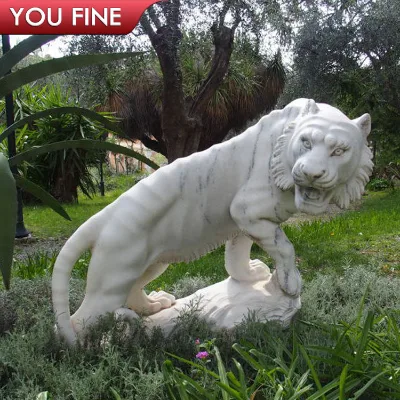
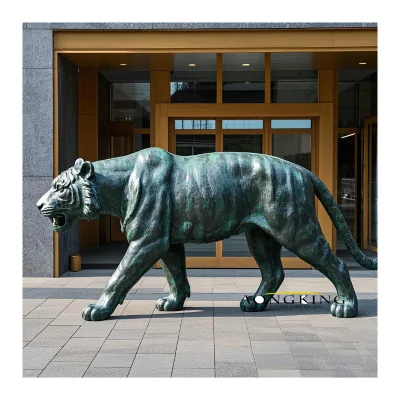
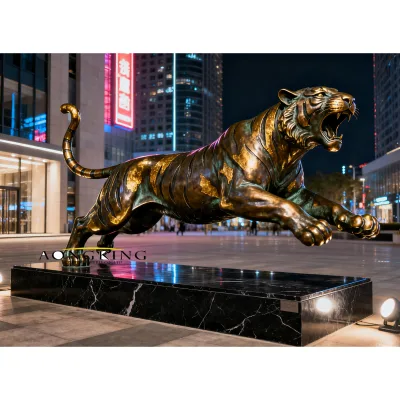
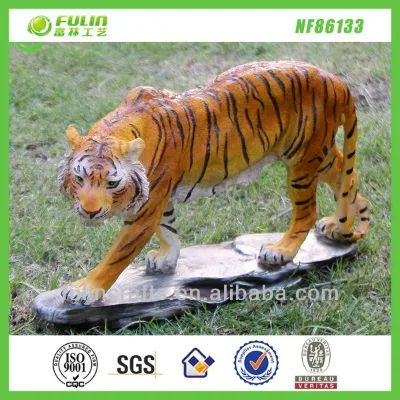
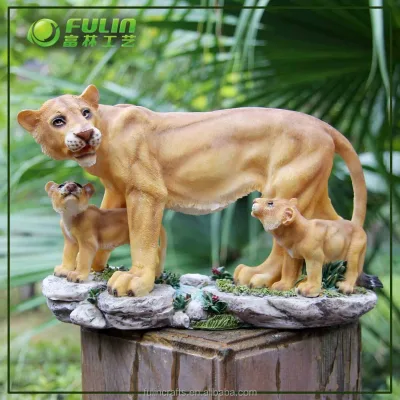


Tiger Sculpture Realistic Animal Statue Animatronic Animal Artificial Aninal Tiger Statue
$999.00 - $1999.00
MOQ: 10 Pieces
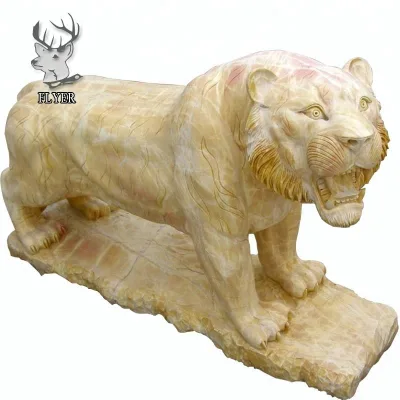


Outdoor Garden Sculpture Life Size Animal Golden Bronze Tiger Statue
$2000.00 - $5000.00
MOQ: 1 Pieces


Life Size Garden Ornament Abstract Sculpture Silver Stainless Steel Tiger Statue
$2588.00 - $3200.00
MOQ: 1 Pieces

Hand Cast Antique Brass Animal Sculpture Bronze Jumping Tiger Statue
$3088.00 - $4500.00
MOQ: 1 Pieces
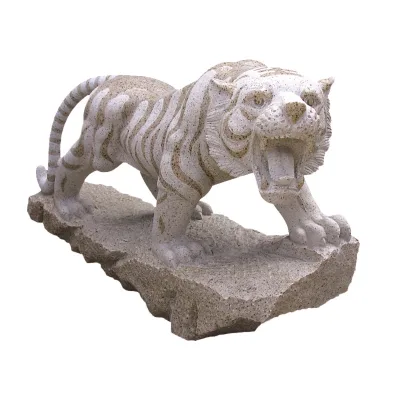


Outdoor Decoration Life Size White Animal Sculpture Stone Tiger Garden Statues
$800.00 - $2000.00
MOQ: 1 Pieces

Chinese Fengshui Bronze Statue of Fury Animal Wings Beast Tiger Lucky Sculpture
$850.00 - $1950.00
MOQ: 1 Pieces


High Quality Life Size Animal Sculpture Marble Garden White Tiger Statues
$750.00 - $2000.00
MOQ: 1 Pieces


Outdoor Hand Carved White Marble Animal Sculpture Stone Tiger Garden Statues
$500.00 - $2000.00
MOQ: 1 Pieces
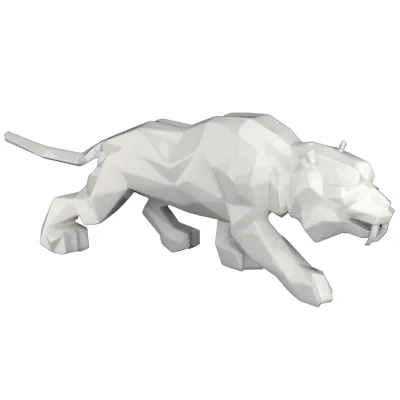

Garden Decoration Life Size Bronze Brass Animal Tiger Statues Sculpture
$2000.00 - $9000.00
MOQ: 1 Pieces

Custom High Quality Antique Life Size Brass Tiger Garden Statue Sculpture
$880.00 - $3380.00
MOQ: 1 Pieces
Comprehensive Sourcing Guide
Tiger Statue Sourcing Guide
Sourcing a Tiger Statue requires a nuanced understanding of material properties, manufacturing techniques, and logistical constraints, as the final product’s aesthetic and durability vary significantly based on the chosen medium. Buyers must first distinguish between natural stone carvings and metal castings, as these categories serve different aesthetic goals and structural requirements. Natural marble statues, often originating from regions like Hebei, China, offer a traditional, heavy, and permanent aesthetic suitable for large-scale outdoor installations. In contrast, metal sculptures, which may utilize zinc alloy, aluminum, or brass, provide greater design flexibility through lost-wax casting processes and are often lighter, making them suitable for both indoor art collections and garden decorations.
The procurement process is further complicated by the high degree of customization available in this category. Suppliers frequently offer model-specific variations, such as the YFMMST-23(3) marble tiger or the AK-T28 metal sculpture, alongside fully custom-made options where dimensions and finishes are tailored to specific project needs. This variability means that buyers cannot rely on a single standard specification sheet. Instead, they must engage in detailed technical discussions to define size, weight, and surface treatment before finalizing orders. Understanding these distinctions is critical for aligning the product with the intended application, whether it is a park installation, a private garden, or an art collectible.
Product Scope and Observed Listing Signals
The market for tiger statues presents a wide spectrum of product types, ranging from traditional hand-carved marble pieces to modern metal castings. Observed listings indicate that natural marble statues are typically produced in Hebei, China, with specific origins in Quyang County, a region known for its stone carving heritage. These products are often described as having a traditional design style and are marketed for applications in parks and public spaces. The material is specified as natural marble, and the technique involves hand carving and polishing, resulting in a heavy, durable sculpture that requires robust packaging to prevent damage during transit.
Conversely, metal tiger statues offer a different set of characteristics, often sourced from Fujian, China. These products may be made from zinc alloy, aluminum, or brass and are frequently produced using the lost-wax process, which allows for intricate detailing. Listings for these items often highlight their suitability as art collectibles or garden decorations, with colors ranging from bronze to brown. The packaging for these items is generally less bulky than marble counterparts, with some suppliers offering single package sizes as small as 10x10x5 cm for smaller decorative pieces, while larger sculptures may require custom packing solutions.
Technical Specifications to Verify
When evaluating marble tiger statues, buyers must verify critical dimensions and structural integrity parameters. For instance, specific models like the YFMMST-23(3) are available in sizes such as 50 inches or can be customized to meet project requirements. The weight and density of natural marble are significant factors that influence foundation requirements and handling logistics. Buyers should confirm the exact dimensions and weight of the sculpture to ensure it fits the intended space and that the supporting structure can bear the load. Additionally, the surface finish, whether polished or textured, should be specified to match the desired aesthetic and environmental resistance.
For metal tiger statues, technical verification focuses on the alloy composition and casting method. Models such as the AK-T28 and AK-CC024 illustrate the variety in size and material, with single gross weights ranging from 3.000 kg to 20.000 kg depending on the scale. Buyers must confirm whether the metal is zinc alloy, aluminum, or brass, as this affects the color, durability, and cost. The lost-wax process is a key technical detail to verify, as it ensures high fidelity in the tiger’s features. Furthermore, buyers should inquire about the plating or patina finish, as this determines the final color and resistance to weathering for outdoor applications.
Compliance and Safety Documentation
Safety and compliance considerations are paramount when sourcing large stone sculptures for public or commercial use. Marble statues, due to their weight and potential for sharp edges, require careful handling and installation protocols. Buyers should request documentation regarding the structural stability of the base and any anchoring mechanisms provided by the supplier. For outdoor installations, it is essential to verify that the marble has been treated to resist weathering and staining, although specific chemical treatments should be confirmed with the manufacturer. Additionally, buyers must ensure that the packaging meets international shipping standards to prevent damage, as observed in the detailed packing steps involving shockproof foam, waterproof film, and wooden crates.
Metal sculptures also require attention to safety and environmental compliance, particularly regarding the materials used in the casting and finishing processes. Buyers should verify that the metal alloys comply with relevant environmental standards, especially if the statues are intended for indoor use or areas with strict air quality regulations. For outdoor metal statues, the finish should be tested for resistance to corrosion and UV degradation. While specific certification standards may vary by region, buyers should ask for material safety data sheets (MSDS) and any relevant test reports that confirm the safety of the pigments and coatings used in the final product.
Cost Drivers and Commercial Terms
The cost of a Tiger Statue is influenced by several factors, including material choice, size, and the complexity of the design. Natural marble statues tend to be more expensive due to the cost of the raw stone and the labor-intensive hand-carving process. The supply ability for such items may be limited, with some suppliers offering only 46 pieces per month, which can impact pricing and availability. Buyers should also consider the cost of customization, as non-standard sizes or designs may incur additional charges. The observed price range for these products is broad, reflecting the variability in material quality and craftsmanship.
Metal tiger statues offer a different cost structure, with prices influenced by the type of metal and the casting method. Smaller decorative pieces may have lower minimum order quantities (MOQ) and prices, while larger, custom-made sculptures can be significantly more expensive. The observed MOQ for metal statues can range from 1 piece for custom orders to 200 pieces for standard items, affecting the unit cost through economies of scale. Buyers should also factor in transportation costs, as shipping heavy marble statues by sea or air can be costly, whereas smaller metal pieces may be shipped via door-to-door services, potentially reducing logistics expenses.
Supplier Qualification and Quality Control
Selecting a reliable supplier is crucial for ensuring the quality and timely delivery of tiger statues. Buyers should verify the supplier’s production capabilities, including their experience with specific materials and techniques. For marble statues, suppliers in Hebei, China, such as those with brands like YOUFINE, may have established expertise in traditional carving. For metal statues, suppliers in Fujian, China, like Aongking, may specialize in lost-wax casting. Buyers should request samples or detailed photographs of previous work to assess the quality of craftsmanship, paying attention to details such as the definition of the tiger’s features and the smoothness of the finish.
Quality control measures should be clearly defined in the purchase agreement. For marble statues, this may include inspections for cracks, color consistency, and dimensional accuracy. For metal statues, buyers should verify the integrity of the casting, checking for porosity or defects in the surface. Suppliers should provide a warranty, such as the 1-year warranty observed for some marble statues, to cover potential defects. Additionally, buyers should confirm the after-sale service options, such as online technical support, to ensure that any issues during installation or maintenance can be addressed promptly.
Long-Term Procurement Checks
Long-term procurement success depends on establishing a sustainable relationship with suppliers and maintaining consistent quality standards. Buyers should conduct regular audits or inspections of the production process, especially for custom orders, to ensure that the supplier adheres to the agreed-upon specifications. For marble statues, this may involve monitoring the selection of raw stone blocks to ensure consistency in color and texture. For metal statues, buyers should verify that the casting process remains consistent and that the finishing techniques are applied uniformly across batches.
Logistics and packaging should also be reviewed periodically to ensure that products are being shipped safely and efficiently. Buyers should track any damage incidents during transit and work with suppliers to improve packaging methods if necessary. For example, the detailed packing steps for marble statues, including the use of thickened wooden crates and reinforcing metal plates, should be maintained to protect the fragile stone. By maintaining open communication and regular quality checks, buyers can ensure that their Tiger Statue procurement remains reliable and cost-effective over time.
FAQs
What material is used for the Tiger Statue?
The Tiger Statue is crafted from natural marble. Some alternative options include metal materials like zinc alloy, aluminum, or brass depending on the specific model selected by the buyer.
Where is the Tiger Statue manufactured?
The marble Tiger Statue originates from Hebei, China, specifically Quyang County in Baoding City. Another listed product originates from Fujian, China, indicating multiple manufacturing regions are available.
Can I customize the size of the Tiger Statue?
Yes, the size can be customized to meet specific requirements. The standard marble model offers a 50-inch size, but buyers can request other dimensions to fit their unique project needs.
What is the minimum order quantity for the Tiger Statue?
The minimum order quantity varies by product type. One marble model has an MOQ of 1 piece, while a metal model requires a minimum order of 200 pieces for purchase.
How is the Tiger Statue packaged for shipping?
The marble Tiger Statue is packed with shockproof foam, waterproof plastic film, a thick wooden crate, and reinforcing metal plates. Metal sculptures may use customized packing to ensure safe transport.
What payment methods are accepted for the Tiger Statue?
Accepted payment methods include T/T and L/C for marble statues. Metal sculptures also accept T/T payments, providing flexible financial options for international buyers to complete their transactions.
What technique is used to create the Tiger Statue?
The marble Tiger Statue is created using hand carving and polishing techniques. The metal Tiger Statue utilizes the lost-wax process to achieve its detailed design and finish.