Source Touch Screen Amoled Display for Medical, Industrial, and Consumer Use
Find and compare Touch Screen Amoled Display options from 30 verified listings. Evaluate specifications like pixel pitch, drive modes, and glass types to select the right module for your project.
Key considerations
Products List


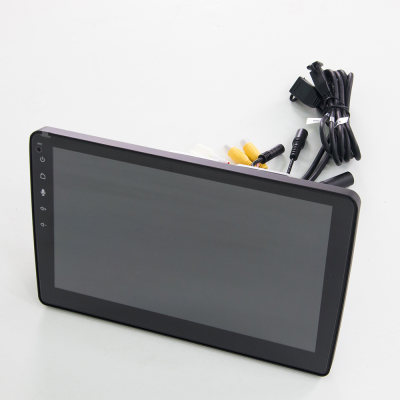
Hot Best-Selling, Convenient, Durable, User-Friendly, Clear Touchscreen Display
$20.18 - $21.30
MOQ: 45 Pieces



Comprehensive Sourcing Guide
Touch Screen Amoled Display Sourcing Guide
Sourcing touch screen AMOLED displays requires a disciplined approach to balancing visual performance with technical compatibility. AMOLED technology offers superior contrast, deep blacks, and wide viewing angles, making it ideal for high-end consumer electronics and specialized industrial interfaces. However, the procurement process involves verifying critical attributes such as pixel pitch, drive mode, and touch screen type to ensure the component fits the final product’s design constraints. Buyers must navigate a market where specifications vary significantly between suppliers, requiring careful validation of every technical claim before committing to volume orders.
The observed market data indicates a wide range of product models and configurations, from small-sized LCD modules to larger interactive displays. While AMOLED is a key focus, the broader category includes various display technologies like FSTN/CSTN and TN TFT, which may be listed alongside AMOLED options. Procurement teams must distinguish between these technologies to avoid specification mismatches. For instance, some listings highlight capacitive or resistive touch options, while others specify surface acoustic wave or digital resistive types. Understanding these distinctions is essential for selecting the right component for applications ranging from food service systems to general consumer electronics.
Product Scope and Observed Listing Signals
The current market landscape for touch screen displays includes a diverse array of models, with observed product counts reaching thirty distinct items. Prices range from $0.35 to $6,999, reflecting the vast difference between basic small-sized modules and high-resolution large-format displays. Minimum order quantities (MOQs) typically span from 1 to 1,000 units, offering flexibility for both prototyping and mass production. Buyers should note that while AMOLED is a specific technology, many listings may refer to other display types such as STN, TFT, or TN, so keyword filtering is crucial to isolate true AMOLED offerings.
Specific product models observed in the market include LX132C2490CTP01 and LX143B2405CTP01, which are associated with AMOLED display modes and specific pixel pitches. The LX132C2490CTP01 features a pixel pitch of 0.072mm, while the LX143B2405CTP01 has a pitch of 0.078mm, indicating high-density displays suitable for detailed visual output. Other models like BBI20210318009 and BBI20210202006 represent different form factors, with the latter being a static drive LCD module. These variations highlight the importance of verifying the exact model number and display technology rather than relying solely on general category titles.
Technical Specifications to Verify
Pixel pitch and display glass are critical technical parameters that define the clarity and durability of the screen. For AMOLED displays, pixel pitch values such as 0.072mm or 0.078mm are indicative of high-resolution capabilities. Buyers must verify the display glass type, as options like EDO or BOE glass can affect optical performance and touch sensitivity. Additionally, the aspect ratio and screen size must align with the device’s mechanical design. Some listings specify sizes ranging from 0.96 inches to 15-20 inches, requiring precise measurement checks to ensure compatibility with the intended enclosure.
Touch screen technology and drive mode are equally important for functionality. Capacitive and resistive touch options are commonly available, with some models offering surface acoustic wave or digital resistive types. The response time, observed at 3ms for certain modules, impacts user experience, particularly in interactive applications. Display modes such as AMOLED provide vibrant colors and high contrast, but buyers should also confirm the drive mode, whether static or row/column-driven, to ensure proper integration with the host controller. Verification of these specifications prevents performance issues in the final product.
Compliance and Safety Documentation
Regulatory compliance is a non-negotiable aspect of sourcing electronic components. Buyers must ensure that suppliers provide documentation for relevant standards, such as CE, FCC, and ROHS, which are observed in some product listings. These certifications indicate that the display meets safety and environmental requirements for markets in Europe, North America, and beyond. Without proper certification, products may face customs delays or legal restrictions, so verifying the status of these documents is essential before placing orders.
In addition to regulatory standards, product standards and model-specific certifications should be reviewed. Some listings reference standards like LX132C2490CTP01 or 2.4 INCH, which may denote internal company standards or size classifications. Buyers should request test reports or compliance certificates directly from the supplier to confirm that the specific batch of displays meets the required safety norms. This due diligence protects against liability issues and ensures that the components can be legally sold in the target markets.
Cost Drivers and Commercial Terms
Pricing in the touch screen display market is influenced by several factors, including display size, resolution, touch technology, and order volume. The observed price range of $0.35 to $6,999 reflects these variables, with high-resolution AMOLED displays commanding higher prices. Buyers should analyze the cost per unit in the context of the total project budget, considering that higher specifications may reduce overall system costs by simplifying design requirements. Negotiating volume discounts is common, with MOQs starting as low as 1 unit for some suppliers.
Packaging and logistics also impact the total cost of ownership. Observed packing methods include foam slot/tray in carton, customized packages, and wooden boxes, which vary in protection level and cost. Buyers should specify packaging requirements to prevent damage during transit, especially for fragile AMOLED panels. Additionally, lead times and payment terms should be clarified early in the negotiation process. Understanding these commercial terms helps in planning inventory levels and cash flow, ensuring a smooth procurement cycle.
Supplier Qualification and Quality Control
Supplier qualification is vital to ensure consistent quality and reliable supply. Buyers should verify the supplier’s origin, with China being a common source for these components. Assessing the supplier’s production capabilities, quality control processes, and customization options is essential. Some suppliers offer customized packaging and display options, which can be beneficial for specific product designs. However, buyers must ensure that customization does not compromise the core technical specifications or lead times.
Quality control measures should include incoming inspection and functional testing of the displays. Buyers should request samples to verify pixel pitch, touch response, and display quality before committing to large orders. Establishing clear quality acceptance criteria, such as defect rates and performance benchmarks, helps in maintaining product standards. Regular audits and communication with the supplier can also help in identifying and resolving potential issues early in the production process.
Long-Term Procurement Checks
Long-term procurement success depends on continuous monitoring of supplier performance and market trends. Buyers should track changes in technology, such as advancements in AMOLED resolution or touch sensitivity, to stay competitive. Regularly reviewing supplier certifications and compliance status ensures that the components remain suitable for evolving regulatory environments. Additionally, maintaining a diversified supplier base can mitigate risks associated with supply chain disruptions.
Feedback loops from the production and quality teams are crucial for identifying any recurring issues with the displays. Documenting these issues and sharing them with the supplier can lead to improvements in product quality and reliability. Buyers should also consider the lifecycle of the components, ensuring that the displays remain available for future production runs. By maintaining a proactive approach to supplier management and quality assurance, buyers can secure a stable supply of high-quality touch screen AMOLED displays.
FAQs
What customization options are available for touch screen amoled displays?
Customization is available for touch screen amoled displays to meet specific project requirements. Buyers can select between capacitive or resistive touch screen types depending on their interface needs. Additionally, packaging can be customized beyond standard foam slot or tray options. This flexibility allows for tailored solutions in consumer electronics and other applications.
Which display glass types are used in these touch screen amoled modules?
Touch screen amoled displays utilize various display glass types including EDO and BOE options. These materials are selected to ensure durability and optical clarity for the final product. The choice of glass often depends on the specific model and application requirements. Buyers should verify the glass type against their design specifications for optimal performance.
Can touch screen amoled displays be used in indoor food service systems?
Yes, touch screen amoled displays can be deployed in indoor food service systems. These modules are designed for indoor user places and offer reliable touch functionality. Features like high brightness and specific aspect ratios support clear visibility in commercial environments. The displays are suitable for applications requiring robust and responsive user interfaces.
What are the standard packaging methods for these touch screen amoled products?
Standard packaging for touch screen amoled displays includes foam slot or tray arrangements within cartons. Some products may use Ari or wooden box packaging depending on the model. Customized packaging options are also available to protect the modules during shipping. Buyers should specify their packaging preferences to ensure safe delivery and handling of the sensitive electronic components.
What certifications apply to these Touch Screen Amoled Display products?
Touch Screen Amoled Display products may comply with CE, FCC, and ROHS standards. These certifications indicate adherence to safety and environmental regulations for electronic goods. Buyers should verify specific model certifications to ensure compliance with their regional market requirements. The presence of these standards supports the product's suitability for global distribution and use.