Source Touch Screen Helmet Washer for Garages, Stations, and Fleets
Compare 22 Touch Screen Helmet Washer units featuring insulation, power-off protection, and self-detection. These automatic machines support coin and note payment systems with H5 mobile backend management for diverse operational needs.
Key considerations
Products List

Touch Screen Self-Service Automatic Washer with UV-C D Helmet Cleaning Machine
$2899.00 - $3199.00
MOQ: 1 Pieces


New Touch-Free Automatic Washer with Disinfec Intelligent Helmet Cleaning Machine
$2599.00 - $3399.00
MOQ: 1 Pieces


Low-Maintenance Helmet Washer with Self-Cleaning Cycle and Long-Life Parts
$1700.00 - $1920.00
MOQ: 1 Pieces

Helmet Washer with Customized Payment Systems for Different Countries
$1980.00 - $2250.00
MOQ: 1 Pieces


$1950.00 - $2150.00
MOQ: 1 Pieces


Comprehensive Sourcing Guide
Touch Screen Helmet Washer Sourcing Guide
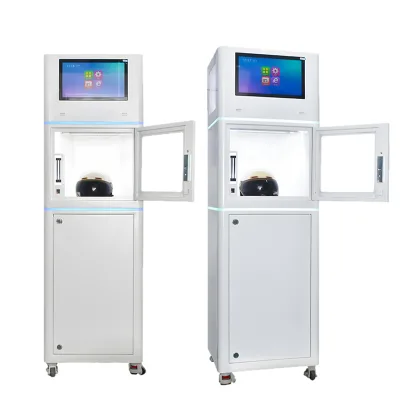
The modern Touch Screen Helmet Washer represents a specialized intersection of hygiene automation and user interface design, primarily deployed in high-traffic commercial environments such as gas stations, motorcycle service centers, and large-scale parking facilities. These units are engineered to provide a self-service solution for cleaning and sanitizing protective headgear, utilizing advanced liquid dispensing systems and UV light technology to ensure thorough maintenance without manual intervention. The integration of a touch screen interface allows operators to customize cleaning cycles, monitor inventory levels, and manage payment transactions through a user-friendly digital interface, significantly reducing labor costs while enhancing the customer experience.
Procurement of these units requires a careful evaluation of the specific operational environment, as the hardware must withstand varying conditions ranging from indoor climate-controlled spaces to outdoor exposure. The observed market offerings include models designed for both indoor and outdoor use, with distinct variations in power supply methods, such as built-in power cords, and environmental resilience features. Buyers must distinguish between units that offer basic insulation functions and those that provide advanced heating capabilities, as the choice directly impacts the cleaning efficacy in different climates and the overall energy consumption profile of the installation.
Product Scope and Observed Listing Signals
When analyzing the current market listings, buyers will observe a diverse range of product models, including specific identifiers like WL-TK005, OYTK2504-1, and HEL001, each tailored to different capacity and functional requirements. The observed product attributes indicate a strong emphasis on automation, with many units featuring automatic grading systems and self-detection failure mechanisms to minimize downtime. The presence of a touch screen is a consistent feature across the high-confidence data, serving as the primary control point for operations, while the payment systems vary between swiping cards and coin-and-note mechanisms to accommodate different user preferences and regional payment habits.
The physical specifications and packaging details reveal significant variation in unit dimensions and shipping requirements, with some models listed with precise dimensions like 7407002010mm while others are packaged in wooden cases or crates to ensure safe transit. Buyers should note that the "Change" attribute varies between "Without Small Change" and "With Small Change," suggesting that some suppliers offer customizable modifications while others provide standard configurations. The observed price range of 1399 to 3399 USD reflects these differences in complexity, with higher-priced units likely incorporating advanced features such as extended networking capabilities, H5 mobile backend management, and multi-language support for international deployment.
Technical Specifications to Verify
A critical verification step involves confirming the electrical compatibility of the unit with the local power grid, as the observed specifications list voltage ranges of 110~240V and frequencies of 50/60Hz, which must align with the installation site's infrastructure. The power supply method is typically a built-in power cord, but the total power consumption and the specific voltage requirements for heating or insulation functions must be validated to prevent electrical overloads or inefficient operation. Additionally, the liquid system, which utilizes cleaning liquid, should be inspected for its capacity and flow rate, ensuring it meets the washing capacity requirements, which can range from 70kg to 300-600 PCS depending on the model.
The structural integrity and material composition are equally important, with cold rolled steel being a common material choice for durability and resistance to corrosion. Buyers must verify the installation method, as most units are designed for plug-and-play installation, yet the physical footprint and standard dimensions, such as 12659126CM or 5656183cm, must be measured against the available space in the intended location. The presence of power-off protection and failure self-detection features should be confirmed through technical documentation to ensure that the unit can safely shut down during power fluctuations or internal errors, protecting both the hardware and the user.
Compliance and Safety Documentation
Safety compliance for touch screen helmet washers is paramount, particularly regarding the electrical components and the chemical handling systems involved in the cleaning process. While specific certification names are not universally listed in the provided data, buyers must request evidence of compliance with local electrical safety standards and environmental regulations, especially for units intended for outdoor use where exposure to moisture and varying temperatures is a factor. The inclusion of UV light sanitization technology in some models necessitates verification of radiation safety standards to ensure that the UV exposure is contained within the unit and poses no risk to users or bystanders.
Documentation regarding the environmental conditions under which the unit operates is essential for long-term reliability, with distinct models available for indoor versus outdoor environments. Buyers should verify that the manufacturer provides clear guidelines on the operating temperature ranges and humidity limits, as these factors can significantly impact the performance of the touch screen and the electronic control systems. Furthermore, the management backend, which often includes H5 mobile backend management, must be assessed for data security and privacy compliance, ensuring that user data and payment information are handled in accordance with relevant data protection laws.
Cost Drivers and Commercial Terms
The commercial terms for sourcing touch screen helmet washers are influenced by several key factors, including the level of customization, the complexity of the payment system, and the inclusion of advanced features like extended networking and multi-language support. The observed minimum order quantity (MOQ) is consistently low, often at 1 unit, which allows for flexible procurement strategies but may impact the per-unit cost if bulk discounts are not negotiated. The payment terms, such as the acceptance of swiping cards or coin-and-note systems, can also affect the overall cost, as more complex payment modules may require additional licensing or integration fees.
Customization is a significant cost driver, with many suppliers offering OEM and ODM services to tailor the unit to specific branding or functional needs. The "Customized" attribute and the availability of small changes indicate that buyers can request modifications to the design, color, or software interface, but these requests will likely increase the unit price and potentially extend the lead time. Buyers should also consider the packaging costs, as units shipped in wooden cases or crates may incur higher freight charges compared to standard packaging, and these costs should be factored into the total landed cost calculation.
Supplier Qualification and Quality Control
Supplier qualification for touch screen helmet washers requires a thorough assessment of the manufacturer's production capabilities, particularly their ability to deliver consistent quality in automated systems. The observed data indicates that many suppliers are located in Guangdong, China, a region known for its manufacturing expertise, but buyers must verify the specific factory's quality control processes and their experience with similar products. The acceptance of OEM and ODM services suggests that suppliers are capable of custom production, but buyers should request samples or visit the facility to ensure that the production standards meet their requirements for durability and performance.
Quality control measures should include rigorous testing of the touch screen responsiveness, the reliability of the payment systems, and the effectiveness of the cleaning and sanitization cycles. Buyers should verify that the supplier conducts pre-shipment inspections and provides test results for key performance indicators, such as the washing capacity and the efficiency of the power-off protection mechanisms. The presence of failure self-detection features in the product design is a positive indicator, but buyers must ensure that the supplier provides clear documentation on how these systems function and how they can be maintained or repaired in the field.
Long-Term Procurement Checks
Long-term procurement success depends on establishing a robust relationship with the supplier to ensure ongoing support, maintenance, and the availability of spare parts. Buyers should verify the supplier's commitment to providing technical support and training, particularly for the H5 mobile backend management system and the touch screen interface, which may require specialized knowledge for troubleshooting and optimization. The availability of extended networking support suggests that the units can be integrated into larger management systems, but buyers must confirm that the supplier can provide the necessary software updates and network security patches to keep the system secure and functional over time.
Regular performance audits and maintenance checks are essential to ensure that the touch screen helmet washers continue to operate efficiently and meet the hygiene standards required by the facility. Buyers should establish a schedule for inspecting the cleaning liquid levels, the UV light sanitization units, and the mechanical components to prevent wear and tear from affecting the unit's performance. Additionally, buyers should monitor the supplier's response time to any reported issues and their ability to provide timely replacements for defective parts, ensuring that the units remain operational and minimize downtime for the end-users.
FAQs
What payment methods does the Touch Screen Helmet Washer support?
The machine supports swiping card payments and accepts both coins and notes. This dual payment system ensures flexible transaction options for users in various settings. The integrated touch screen interface simplifies the payment process, allowing for quick and secure transactions without manual intervention or complex setup requirements.
Can the Touch Screen Helmet Washer operate without small change?
Yes, specific models are designed to operate without requiring small change. This feature enhances user convenience by eliminating the need for exact coins. The system processes payments directly through card swipes or note acceptance, streamlining the operation and reducing maintenance issues associated with coin mechanisms in high-traffic environments.
How is the Touch Screen Helmet Washer powered and installed?
The unit features a built-in power cord and supports plug-and-play installation. It operates on a wide voltage range of 110 to 240V at 50/60Hz, making it adaptable to different regional power standards. This design allows for immediate deployment without complex electrical wiring or specialized installation tools.
What safety features are included in the Touch Screen Helmet Washer?
The device includes power-off protection and failure self-detection capabilities. These features ensure operational safety by automatically shutting down or alerting users during anomalies. The automatic grade and built-in safeguards protect both the machinery and the user, ensuring reliable performance during the cleaning and sanitization cycles.
Is customization available for the Touch Screen Helmet Washer?
Customization is available for this equipment, including OEM and ODM acceptance. Buyers can tailor specifications such as dimensions, packaging, and backend management systems. The H5 mobile backend allows for remote monitoring and management, while the structure supports extended networking for integrated facility operations.
What is the typical packaging for the Touch Screen Helmet Washer?
The machine is typically packed in wooden cases or wooden crate packaging to ensure safe transit. Dimensions vary by model, with some units measuring approximately 740 by 700 by 2010mm. This robust packaging protects the cold-rolled steel structure and sensitive electronic components during international shipping and handling.