Source Car Interior Wax for Dashboard, Seats & Trim
Source Car Interior Wax from 30 verified listings. Compare glossing, polishing, and anti-static formulas for dashboard, seat, and trim care. Evaluate volumes, certifications, and OEM services to find the right supplier; compare the available evidence and request quotations based on your requirements.
Key considerations
Products List


Auto Maintenance Plastic Restoration Vehicle Interior Car Dashboard Wax
$0.43 - $0.48
MOQ: 3000 Pieces


Wholesale Car Accessories Hydrophobic Brightening Dashboard Care Car Interior Wax
$0.74 - $0.83
MOQ: 3000 Pieces


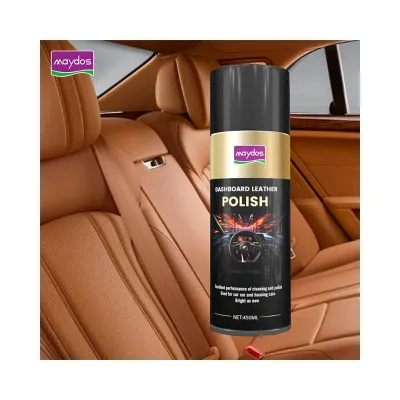

Popular Interior Refinishing Coating Treatment Car Leather Seat Panel Wax
$0.64 - $0.70
MOQ: 1550 Pieces




Comprehensive Sourcing Guide
Car Interior Wax Sourcing Guide
Buyers must first distinguish between liquid and solid formulations when evaluating Car Interior Wax options, as the physical condition directly impacts application methods and storage requirements. The observed market data indicates a mix of liquid products designed for anti-static and anti-water protection alongside solid variants intended for glossing and polishing. This distinction is critical because liquid silicon-based formulas often serve as cockpit shine agents, while solid waxes may be required for deep decontamination or specific polishing tasks.
Procurement teams should also scrutinize the functional claims against the actual product type, noting that some listings describe "glossing, polishing, and grinding" capabilities while others focus solely on "lustre adding" or "clean and shine" performance. The presence of customization options suggests that buyers can tailor fragrance profiles, such as lemon, orange, or rose, to match brand identity, but this requires early engagement with the supplier to ensure the active ingredients remain compatible with interior materials.
Product Scope and Observed Listing Signals
The observed product range reveals significant variation in volume and packaging, with capacities ranging from 230g to 650ml and carton configurations varying between 12 and 24 pieces per container. Buyers must verify the specific volume required for their operational scale, as the 450ml and 500ml options appear frequently, yet the 650ml variant offers a distinct bulk advantage for high-volume fleets. Understanding these packaging differences is essential for calculating accurate landed costs and optimizing warehouse space utilization.
Listing signals also highlight diverse model numbers such as TE-8063, VSL-1C, and DG-17, which often correlate with specific functional attributes like Apiezon wax types or grease compositions. While some products are explicitly labeled as "Decontamination Wax" or "Silicon Grease Protective Wax," others function primarily as "Cockpit Shine" agents. This diversity necessitates a careful review of the product description to ensure the selected item aligns with the specific interior cleaning or protection needs of the target vehicle fleet.
Technical Specifications to Verify
Technical verification must begin with the physical condition and active ingredient composition, as the market data confirms the presence of both liquid and solid states with silicone as a primary component. Buyers should confirm whether the product is a grease or a specialized wax, as this determines its viscosity and suitability for different interior surfaces like leather, plastic, or vinyl. The distinction between "Anti-Water" and "Anti-Static" functions further dictates the formulation requirements, ensuring the selected wax provides the intended protective barrier without damaging sensitive electronic components.
Carton dimensions and gross weight are equally critical for logistics planning, with observed specifications ranging from 27.5x20.5x29.0cm to 41.5x27.5x20.8cm and weights between 8kg and 9kg. These physical parameters directly influence shipping costs and palletization efficiency, requiring buyers to match the supplier's packaging data with their own freight constraints. Additionally, the shelf life of three years for most observed products provides a stable inventory window, but buyers must verify the validity period for each specific batch to prevent degradation issues upon arrival.
Compliance and Safety Documentation
Compliance verification requires a rigorous check of the certification portfolio, as the observed listings cite a broad array of standards including CE, RoHS, SGS, GMP, and ISO9001. Buyers must ensure that the specific product model they intend to purchase carries the relevant certifications for their target market, as the presence of one standard does not guarantee the validity of others for a different SKU. The ISO9001 certification, in particular, indicates a commitment to quality management systems, which is a strong indicator of consistent manufacturing processes for interior care chemicals.
Safety documentation must also address the chemical composition and fragrance profiles, which range from lemon and orange to strawberry and peach. Since these products are applied inside vehicle cabins, the safety data sheets must confirm that the active ingredients, such as silicone, are non-toxic and safe for prolonged human exposure. Buyers should request detailed MSDS documents to verify that the fragrance additives do not trigger allergic reactions or emit harmful volatile organic compounds, ensuring the product meets both regulatory and health safety standards.
Cost Drivers and Commercial Terms
Cost structures are heavily influenced by the minimum order quantity, which varies significantly from 1 piece to 7500 pieces depending on the supplier and product model. Buyers with smaller volume needs may face higher unit costs, while those capable of meeting the 3000-piece MOQ threshold can likely negotiate more favorable pricing tiers. The observed price range of 0.3 to 2.14 USD suggests that volume discounts and customization levels, such as specific fragrance blends or packaging designs, are primary drivers of the final unit price.
Commercial terms regarding payment and delivery lead times must be clearly defined to manage cash flow and inventory planning. The observed delivery window of 20 to 25 working days indicates a moderate production cycle, which requires buyers to factor in this lead time when scheduling restocking. Payment terms are noted as negotiable, offering an opportunity for buyers to secure favorable conditions such as letters of credit or partial payments, which can mitigate financial risk during the initial procurement phase.
Supplier Qualification and Quality Control
Supplier qualification should prioritize manufacturers offering OEM and ODM services, as the observed data confirms that customization is available for many product lines. This capability allows buyers to develop unique product identities with specific fragrances or packaging, but it requires a robust quality control framework to ensure that custom formulations meet the same performance standards as standard SKUs. Buyers must verify the supplier's capacity to maintain consistency across different batches, especially when altering active ingredient ratios or fragrance profiles.
Quality control protocols must also address the physical integrity of the product during transit, given the varying gross weights and carton sizes observed in the market. Suppliers should provide evidence of their packaging standards, ensuring that the 12 or 24-piece cartons are robust enough to prevent leakage or damage during shipping. Additionally, buyers should request sample testing results to validate the "Clean & Shine" performance claims and ensure the product maintains its efficacy over the stated three-year shelf life.
Long-Term Procurement Checks
Long-term procurement strategies must include regular audits of the supplier's adherence to the stated standards and certifications, as regulatory requirements can evolve over time. Buyers should establish a schedule for re-verifying that the product continues to meet CE, RoHS, and ISO9001 standards, particularly if the supply chain involves multiple manufacturing sites or changes in raw material sourcing. This proactive approach ensures that the product remains compliant with international safety regulations throughout the contract duration.
Inventory management should also account for the validity period and shelf life, with a three-year window observed for most products. Buyers must implement a first-expiry-first-out (FEFO) system to prevent the use of degraded wax, which could compromise the "Glossing" or "Polishing" performance. Regular reviews of the supplier's production capacity and lead times are essential to maintain a steady supply, ensuring that the procurement team can respond quickly to market fluctuations or unexpected demand spikes.
FAQs
What packaging options are available for Car Interior Wax orders?
Car Interior Wax is commonly packed in cartons, with configurations such as 12 pieces per carton or 24 pieces per carton depending on the model. Carton dimensions like 27.5 by 20.5 by 29.0 cm and gross weights around 8 to 9 kg are typical. Buyers should confirm the packing format and carton size for the specific model before placing an order.
Can suppliers provide OEM or ODM customization for Car Interior Wax?
Yes, customization is generally available, and many listed products offer OEM and ODM services. Buyers can typically request adjustments to fragrance, formulation emphasis, packaging, and branding. Fragrance options may include lemon, orange, apple, strawberry, peach, rose, and lavender. Contact the supplier with your volume, specification, and branding requirements to confirm which customization options apply to the chosen model.
What is the typical minimum order quantity for Car Interior Wax?
Minimum order quantities vary by model and supplier. Some listings state an MOQ of 3000 pieces, while other items allow smaller trial quantities starting from a single piece. Trade quantities often reach 7500 pieces. Since payment terms are usually negotiable, buyers should confirm the MOQ for the specific model and discuss sample orders before committing to bulk purchasing.
How long does delivery take for a Car Interior Wax order?
A commonly stated delivery time is 20 to 25 working days after order confirmation, depending on order size and customization requirements. Stocked standard models may ship sooner, while customized fragrances, packaging, or private-label orders can extend the schedule. Buyers should confirm the exact lead time, production capacity, and shipping arrangements with the supplier before finalizing their purchase contract.
What volume sizes does Car Interior Wax come in?
Listed products are available in several sizes, including 230g solid wax, 450ml, 500ml, and 650ml liquid formats, covering a capacity range of roughly 300 to 500ml for spray-type items. Smaller formats suit retail shelves and sample testing, while 650ml aerosols work well for professional detailing. Choose the size based on your target channel and confirm packing details per carton.
Which certifications should Car Interior Wax products have?
Relevant certifications on listed products include CE, RoHS, SGS, GMP, and ISO9001. These indicate compliance with safety, environmental, and quality-management expectations for chemical cleaning products. Certification coverage differs by model and supplier, so buyers should request copies of current certificates for the exact product model they intend to order and verify validity before shipment.
What is the shelf life of Car Interior Wax?
Most listed Car Interior Wax products have a validity or shelf life of three years from the production date. Store the wax in a cool, dry place away from direct sunlight to preserve the silicone-based formulation and fragrance. Check the production date printed on each can or container when receiving goods, and rotate stock so older batches ship first.
How does Car Interior Wax perform on dashboard and plastic surfaces?
Car Interior Wax, also called cockpit shine, is designed to clean and shine interior surfaces such as dashboards and trim. Silicone is a common active ingredient, providing glossing, polishing, and anti-static or anti-water effects depending on the formula. Physical condition varies between liquid sprays and solid paste, so match the product type to the surface and application method you prefer.