Source Tow Chain Cable for Automotive, Industrial, and Construction
Find 30 Tow Chain Cable options featuring UL2586 standards, high bending cycles, and salt spray resistance. Buyers can compare specifications including conductor materials, insulation types, and connector details for automotive, industrial, and construction applications.
Key considerations
Products List


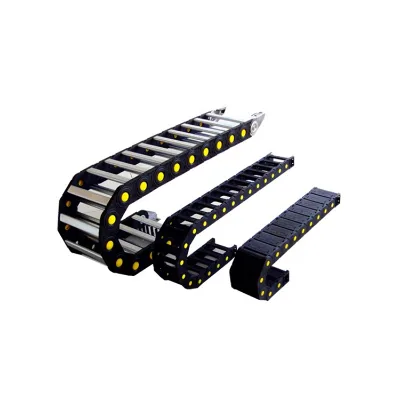


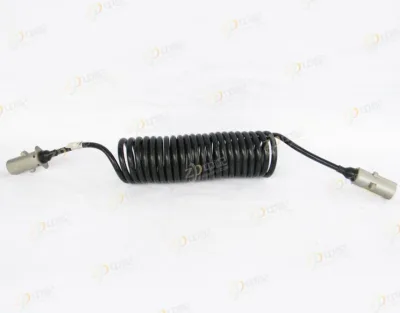


Comprehensive Sourcing Guide
Tow Chain Cable Sourcing Guide
Sourcing high-performance tow chain cables requires a nuanced understanding of industrial wiring harnesses that bridge the gap between standard automotive wiring and heavy-duty industrial applications. These components are not merely simple conductors; they are complex assemblies designed to withstand extreme mechanical stress, environmental exposure, and continuous electrical load. Buyers must recognize that the term "Tow Chain Cable" in this context often refers to specialized signal or power wiring harnesses used in automotive, industrial, and construction sectors where flexibility and durability are paramount. The procurement process involves navigating a landscape of customized solutions, where off-the-shelf items rarely meet the specific mechanical and electrical demands of heavy machinery or specialized vehicle towing systems.
The market for these cables is characterized by a high degree of customization and a wide variance in technical specifications. Suppliers often offer tailored solutions based on the specific industry type, whether it be automotive wiring harnesses, industrial wire harnesses, or specialized applications in telecommunications and power stations. Buyers should approach this category with the understanding that the product is likely a composite of various materials, including copper wire cores, specific insulation types like PE or ceramic, and protective sheathing such as crosslinking materials or corrugated pipes. The goal is to secure a component that not only conducts electricity efficiently but also survives the rigors of its operational environment, from underground installations to overhead power lines.
Product Scope and Observed Listing Signals
The observed product listings reveal a diverse range of configurations, indicating that the market for tow chain cables is segmented by application and technical requirement. Listings frequently highlight attributes such as low voltage and high voltage wiring harnesses, suggesting that buyers must clearly define their voltage requirements before engaging with suppliers. The presence of both AC and DC current specifications further emphasizes the need for precise matching between the cable’s electrical properties and the system it will serve. Additionally, the variety of interface types, including AC/DC connections, underscores the complexity of these assemblies, which often require specialized connectors such as 4-core aviation plugs and terminals to ensure secure and reliable connections in high-vibration environments.
Material composition is a critical differentiator in this product scope, with listings showcasing a mix of copper wire cores, steel cores, and various insulation and sheath materials. Some products feature ceramic materials, which may indicate specialized high-temperature or high-insulation applications, while others rely on PE insulation and crosslinking sheaths for standard durability. The bandaging materials also vary, with options including corrugated pipes and PVC pipes, each offering different levels of protection against abrasion, chemicals, and physical impact. Buyers should pay close attention to these material specifications, as they directly influence the cable’s lifespan, flexibility, and suitability for specific environments, such as underground, overhead, or industrial settings.
Technical Specifications to Verify
When evaluating tow chain cables, buyers must prioritize the verification of mechanical durability and electrical performance metrics. One of the most critical specifications is the number of bending cycles, with some listings indicating a capability of greater than or equal to 10 million times. This metric is essential for applications involving frequent movement or vibration, such as in automotive or industrial machinery, where standard cables would fail prematurely. Additionally, the salt spray test results, ranging from greater than or equal to 48 hours to greater than or equal to 72 hours, provide insight into the cable’s corrosion resistance, which is vital for outdoor or marine applications where exposure to moisture and salts is inevitable.
Electrical specifications must also be rigorously checked to ensure compatibility with the intended system. Key parameters include the rated voltage, which in some listings is specified as 300V, and the insulation resistance, which should be greater than or equal to 10 megaohms to prevent leakage and ensure safety. Conductor resistance, listed as less than or equal to 2 ohms, is another crucial factor that affects power efficiency and heat generation. Buyers should also verify the wire type, such as UL2586 Tow Chain Cable or UL2464, as these standards indicate specific compliance with industry benchmarks for flexibility, durability, and electrical performance. Confirming these technical details with the supplier is non-negotiable to avoid costly failures in the field.
Compliance and Safety Documentation
Compliance with international and regional standards is a fundamental requirement for sourcing tow chain cables, particularly for applications in automotive, industrial, and construction sectors. Listings frequently mention certifications such as CCC, CE, ISO, RoHS, UL, and VDE, which indicate that the products have undergone rigorous testing for safety, environmental impact, and electrical performance. Buyers must verify that the specific certifications required by their target market are present on the product documentation, as these are often mandatory for customs clearance and regulatory approval. For instance, the UL certification is critical for products intended for the North American market, while CE marking is essential for European compliance.
Environmental protection attributes, such as RoHS and Reach compliance, are also increasingly important as global regulations tighten around hazardous substances. These certifications ensure that the cables do not contain restricted materials that could pose health risks or environmental hazards during production, use, or disposal. Additionally, the presence of ISO 9001 certification indicates that the supplier adheres to a quality management system, which is a strong indicator of consistent product quality and reliable manufacturing processes. Buyers should request copies of these certificates and verify their validity with the issuing bodies to ensure that the supplier’s claims are accurate and up-to-date.
Cost Drivers and Commercial Terms
The cost of tow chain cables is influenced by several factors, including the complexity of the design, the materials used, and the level of customization required. Listings show a wide price range, from as low as $0.1 to as high as $980, reflecting the diversity of products available. This variance is driven by differences in wire core material, insulation thickness, sheath durability, and the inclusion of specialized connectors or bandaging materials. Buyers should be aware that higher prices often correlate with superior performance metrics, such as higher bending cycle counts or better corrosion resistance, and should evaluate the total cost of ownership rather than just the initial purchase price.
Commercial terms, including minimum order quantities (MOQ) and packaging, also play a significant role in the procurement process. MOQs can range from 1 to 1000 units, allowing for flexibility in ordering depending on the buyer’s volume needs. Packaging options vary from PP bags to wooden boxes and cartons, which can impact shipping costs and product protection during transit. Buyers should negotiate these terms carefully, considering the lead times and the supplier’s ability to meet their specific delivery schedules. Additionally, the availability of OEM and ODM services suggests that buyers can customize products to their exact specifications, which may involve additional costs but can result in a better fit for their application.
Supplier Qualification and Quality Control
Selecting a reliable supplier for tow chain cables requires a thorough assessment of their manufacturing capabilities and quality control processes. Buyers should verify that the supplier has experience in producing the specific type of wiring harness required, whether it be for automotive, industrial, or specialized applications. The presence of advanced processing techniques, such as riveting, welding, and assembly, indicates a high level of manufacturing sophistication. Buyers should request information about the supplier’s production lines, testing equipment, and quality assurance protocols to ensure that they can consistently produce high-quality products.
Quality control should extend beyond the final product to include raw material inspection and in-process testing. Buyers should inquire about the supplier’s procedures for verifying the purity of copper wire cores, the integrity of insulation materials, and the durability of sheathing. Additionally, the ability to provide detailed test reports, including salt spray tests and bending cycle tests, is a strong indicator of a supplier’s commitment to quality. Buyers should also consider the supplier’s location, with many listings indicating origin in China, and evaluate their logistics capabilities to ensure timely delivery. Establishing a clear communication channel for addressing quality issues is also essential for long-term partnership success.
Long-Term Procurement Checks
Long-term procurement of tow chain cables requires ongoing monitoring of product performance and supplier reliability. Buyers should establish a feedback loop with their end-users to track any failures or issues related to the cables, such as insulation breakdown, connector failure, or mechanical wear. This data should be used to refine specifications and provide constructive feedback to the supplier for continuous improvement. Regular audits of the supplier’s quality management system and production processes can also help identify potential issues before they impact the supply chain.
Additionally, buyers should stay informed about changes in industry standards and regulations that may affect the compliance of their products. This includes updates to electrical safety standards, environmental regulations, and material restrictions. Maintaining a diversified supplier base can also mitigate risks associated with single-source dependencies, ensuring that the buyer has alternative options if a primary supplier faces production or quality issues. By proactively managing these aspects, buyers can ensure a stable and reliable supply of high-quality tow chain cables that meet their evolving needs.
FAQs
What certifications are available for tow chain cables?
Certifications include CCC, CE, ISO, RoHS, UL, and VDE. These standards ensure safety and compliance for industrial applications, with options for customized certification requirements depending on the specific product model and manufacturer capabilities.
Can I request custom specifications for the cable?
Yes, customization is available for size, length, and standard specifications. Buyers can select from various models like 25*38 or 35*50, and request specific wire types such as UL2586 to match their unique industrial or automotive needs.
Which materials are used for the wire core?
The wire core material is typically copper wire, though steel is also listed for specific applications. Insulation materials include PE, and sheath materials feature crosslinking properties to ensure durability and safety in high-voltage or low-voltage environments.
How long is the salt spray test duration?
The salt spray test duration is at least 72 hours for some models and at least 48 hours for others. This testing ensures corrosion resistance, which is critical for cables used in outdoor, automotive, or harsh industrial environments.
What is the minimum order quantity for these cables?
The minimum order quantity ranges from 1 to 1000 units depending on the supplier and product configuration. Buyers should verify specific MOQ values with manufacturers, as options vary based on customization levels and packaging requirements like wooden boxes or cartons.
Can the product be packed in wooden boxes?
Yes, wooden box packing is an available option for certain product models. Other packaging methods include PP bags and cartons, allowing buyers to choose the most suitable protection method for shipping and storage requirements across different industries.
What is the rated voltage for the wiring harness?
The rated voltage is 300V for specific models, supporting both low and medium voltage applications. These cables are designed for use in automotive, industrial, and power station settings where reliable electrical performance is essential for safety and efficiency.