Source Touchscreen Smart Home Control Panel for Lighting, HVAC, and Security
Find 30 verified options for the Touchscreen Smart Home Control Panel featuring Android 11, RK3566 processors, and 8-inch IPS displays. Buyers can compare specifications including 2GB RAM, 32GB storage, and various I/O ports to select the right device for residential or commercial automation projects.
Key considerations
Products List


Smart Home Touch Control Panel Smart Room Dashboard Hotel Touchscreen Smart Switch 4inch
$140.00 - $150.00
MOQ: 1000 Pieces

Touchscreen Panel Solution IoT Smart Home Device Touch Screen Monitor Factory
$7.60 - $8.00
MOQ: 1000 Pieces
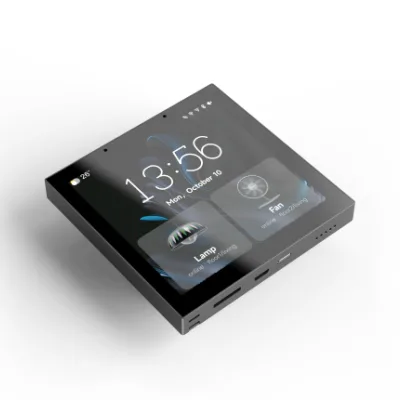
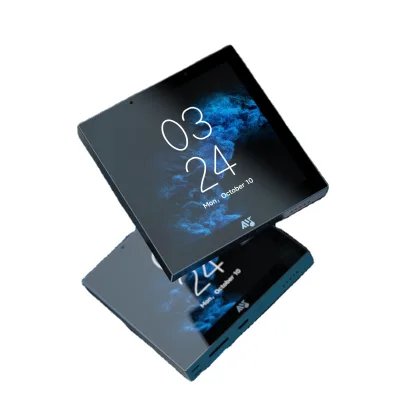
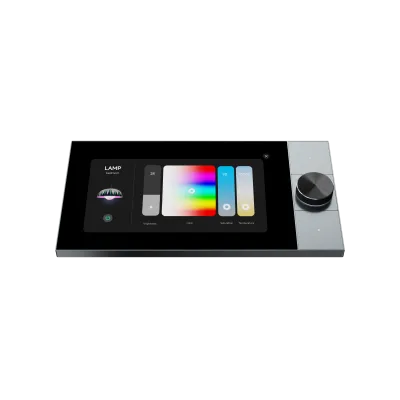
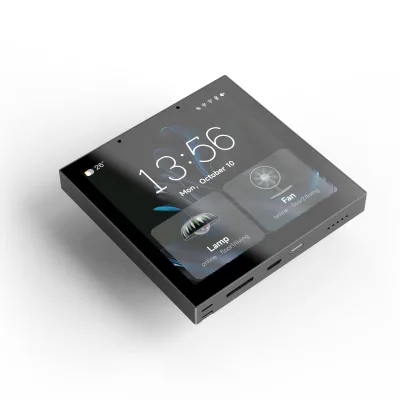
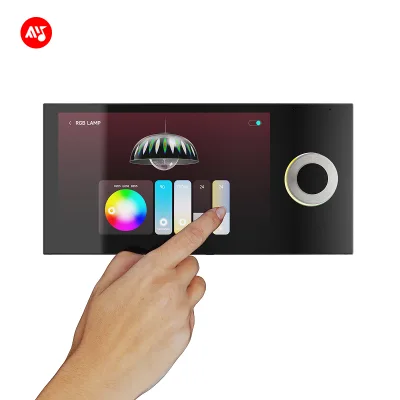

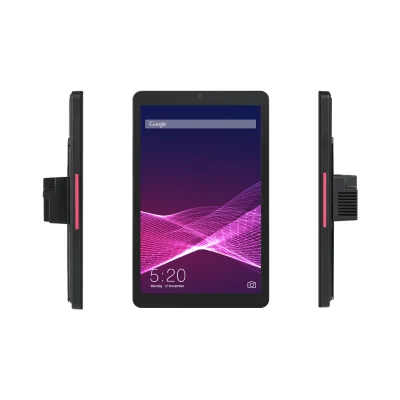


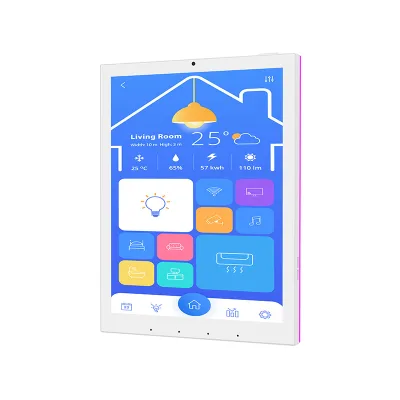
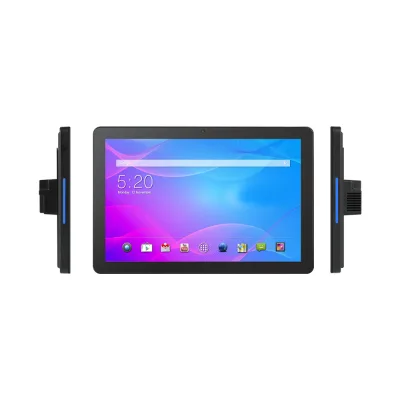

Smart Home 3.95inch Touch Control Panel Touchscreen with Smart Switch Dashboard
$28.80 - $58.80
MOQ: 1 Pieces

4inch Smart Home Touch Control Panel Screen Applied for Household Appliances
$28.80 - $58.80
MOQ: 1 Pieces


Comprehensive Sourcing Guide
Touchscreen Smart Home Control Panel Sourcing Guide
Sourcing a Touchscreen Smart Home Control Panel requires a careful balance between hardware specifications, software compatibility, and physical installation requirements. These devices serve as the central interface for managing lighting, climate, security, and audio-visual systems within residential and commercial environments. Buyers must distinguish between standalone units and those designed for specific mounting configurations, such as wall boxes, to ensure seamless integration into existing infrastructure. The market offers a variety of form factors, from compact displays to larger interactive panels, each with distinct capabilities regarding processing power, connectivity, and user interface design.
The procurement process is heavily influenced by the underlying operating system and hardware architecture, which dictate long-term software support and feature expansion. Android-based systems are prevalent, offering flexibility for third-party applications but requiring rigorous verification of version stability and security patches. Buyers should prioritize panels that offer robust connectivity options, including Wi-Fi, Ethernet, and specialized protocols like RS485, to ensure reliable communication with peripheral devices. Understanding the specific I/O ports and power supply requirements is essential to avoid compatibility issues during the final installation phase.
Product Scope and Observed Listing Signals
The current market landscape for touchscreen smart home control panels reveals a diverse range of product attributes, with observed prices spanning from $0.10 to $1,305 USD. This wide variance reflects differences in screen size, processing power, and included features such as built-in microphones or cameras. Minimum order quantities (MOQs) typically range from 1 to 3,000 units, indicating that suppliers cater to both small-scale custom projects and large-scale residential developments. Buyers should note that while some listings offer low MOQs for prototyping, bulk orders often unlock better pricing tiers and customization options, which are frequently available for tailored branding or specific software configurations.
Observed product specifications highlight a strong preference for Android operating systems, with many units running Android 11 OS. Screen sizes vary, with common configurations including 8-inch displays and smaller units under 5 inches, catering to different aesthetic and functional needs. The hardware often features quad-core processors, such as the Rockchip RK3566, paired with 2GB of RAM and 32GB of internal storage. These specifications suggest a focus on smooth multitasking and sufficient local storage for applications and logs. Additionally, many panels include built-in Bluetooth and Wi-Fi capabilities, along with Ethernet ports, ensuring versatile connectivity options for smart home ecosystems.
Technical Specifications to Verify
When evaluating technical specifications, buyers must verify the screen resolution and type to ensure optimal user experience. Common resolutions include 1280x800 for 8-inch panels, providing clear and sharp visuals for interface navigation. The display technology is often IPS, offering wide viewing angles and consistent color reproduction, which is crucial for control panels mounted on walls where users may approach from various angles. Touch functionality is typically capacitive, allowing for responsive and accurate input. It is important to confirm whether the panel includes a front camera or fingerprint sensor, as many observed models lack these features, which may impact security or voice command capabilities depending on the buyer’s specific requirements.
Connectivity and I/O ports are critical for integrating the control panel with other smart home devices. Buyers should verify the presence of essential ports such as RJ45 for wired Ethernet, Type-C for data or power, and RS485 for industrial or legacy device communication. Some models also support TF card expansion and DC power input, providing flexibility in power management and data storage. The inclusion of a built-in microphone is common, facilitating voice control features, while the absence of a webcam in many models suggests a focus on privacy or cost efficiency. Additionally, the power supply options, including AC and PoE (Power over Ethernet), should be matched to the installation site’s electrical infrastructure to ensure reliable operation.
Compliance and Safety Documentation
Compliance with international standards is non-negotiable for smart home control panels, particularly when deploying them in regulated markets. Buyers must verify that products carry relevant certifications such as CE, RoHS, and CB, which indicate adherence to safety, electromagnetic compatibility, and environmental standards. These certifications are essential for market access in regions like Europe and Asia, and their absence can lead to customs delays or legal liabilities. It is crucial to request valid certification documents from suppliers and cross-reference them with official databases to ensure authenticity and current validity.
Safety features and installation compatibility are also key aspects of compliance. Panels designed for wall box installation, such as those suitable for EU/86 type boxes, must meet specific mechanical and electrical safety standards to prevent hazards during installation and use. Buyers should confirm that the power supply components, whether AC or PoE, are rated for the intended operating environment. Additionally, software security protections should be verified, as smart home devices are potential entry points for cyber threats. Ensuring that the operating system receives regular security updates and that the hardware includes basic security protections is vital for maintaining the integrity of the smart home network.
Cost Drivers and Commercial Terms
Several factors influence the total cost of ownership for touchscreen smart home control panels, including hardware specifications, customization options, and commercial terms. Higher-end models with larger screens, more powerful processors, and additional features like cameras or fingerprint sensors command higher prices. Customization, such as branding or specific software configurations, can also add to the cost but may be necessary for brand consistency or unique functional requirements. Buyers should negotiate clearly on pricing tiers based on order volume, as MOQs can significantly impact unit costs.
Commercial terms, including lead times and payment conditions, play a crucial role in procurement planning. Suppliers may offer different lead times depending on stock availability and production capacity, so it is important to align order schedules with project timelines. Payment terms should be structured to mitigate risk, such as using secure payment methods or escrow services for large orders. Additionally, buyers should inquire about warranty periods, which are commonly one year, and clarify the process for handling defective units or software issues. Understanding these commercial dynamics helps in budgeting accurately and avoiding unexpected expenses during the procurement process.
Supplier Qualification and Quality Control
Selecting a reliable supplier is paramount to ensuring the quality and consistency of touchscreen smart home control panels. Buyers should conduct thorough due diligence on potential suppliers, verifying their manufacturing capabilities, quality control processes, and track record in the smart home industry. Suppliers based in regions like Guangdong, China, often have established supply chains and expertise in electronics manufacturing, but buyers must still assess their specific capabilities and reliability. Requesting samples before placing bulk orders is a critical step to evaluate build quality, software stability, and user interface responsiveness.
Quality control measures should be clearly defined and agreed upon with the supplier. This includes specifications for packaging, such as white box packaging, and standards for product dimensions and weight. Buyers should also verify the supplier’s ability to provide consistent product quality across batches, as variations in components or assembly can lead to performance issues. Implementing incoming quality checks upon receipt of goods is essential to catch any defects early. Additionally, establishing a clear communication channel for technical support and after-sales service ensures that any issues can be resolved promptly, minimizing downtime and customer dissatisfaction.
Long-Term Procurement Checks
Long-term success in sourcing touchscreen smart home control panels depends on ongoing supplier performance monitoring and product lifecycle management. Buyers should regularly review supplier performance metrics, including on-time delivery rates, product defect rates, and responsiveness to issues. Maintaining a diversified supplier base can mitigate risks associated with supply chain disruptions or quality inconsistencies. It is also important to stay updated on software updates and security patches for the Android operating systems used in the panels, ensuring that devices remain secure and functional over time.
As technology evolves, buyers must be prepared to adapt their procurement strategies to incorporate new features and standards. This may involve upgrading to newer hardware models with improved processors or connectivity options, or integrating panels with emerging smart home protocols. Regularly reassessing the compatibility of control panels with existing smart home ecosystems is crucial to avoid obsolescence. Additionally, monitoring market trends and competitor offerings can provide insights into potential improvements or new opportunities for customization. By maintaining a proactive approach to procurement, buyers can ensure that their smart home installations remain robust, secure, and user-friendly for years to come.
FAQs
What operating system does the panel use?
The panel runs on Android 11 OS. This system supports various applications and ensures compatibility with modern smart home ecosystems while providing a stable user interface for daily operations.
Can the device be customized for specific needs?
Yes, customization is available for this product. Buyers can request tailored solutions to meet unique project requirements, ensuring the device fits specific installation or functional needs effectively.
Which certifications does the product hold?
The product holds ROHS, CE, and CB certifications. These standards confirm compliance with safety and environmental regulations, making the device suitable for international markets and professional installations.
How is the screen resolution defined?
The screen resolution is 1280x800 pixels. This display quality provides clear visibility for interface elements and media content on the 8-inch capacitive screen without requiring external monitors.
What network modes are supported by the unit?
The unit supports WiFi, Bluetooth, and Ethernet network modes. These connectivity options allow flexible integration into existing home networks or wired infrastructure for reliable data transmission and control.
Does the panel include a built-in microphone?
Yes, the panel includes a built-in microphone. This feature enables voice interaction capabilities or audio input for video calls and smart home commands without needing external audio devices.
What is the CPU configuration of the device?
The device features a Quad-Core Cortex-A55 CPU running up to 1.8GHz. This processor architecture ensures smooth performance for multitasking and responsive control of connected smart home devices.