Source Towable Man Lift for Building Crane, Warehouse Crane, Shipboard Crane
Compare 30 Towable Man Lift options from verified suppliers in China. Buyers can evaluate specifications like working height, capacity, and power sources for applications in construction, maintenance, and installing across various crane types; compare the available evidence and request quotations based on your requirements.
Key considerations
Products List


Towable Boom Lift 18m Aerial Working Platform Hydraulic Tracked Man Boom Lift
$3999.00 - $6999.00
MOQ: 1 Pieces


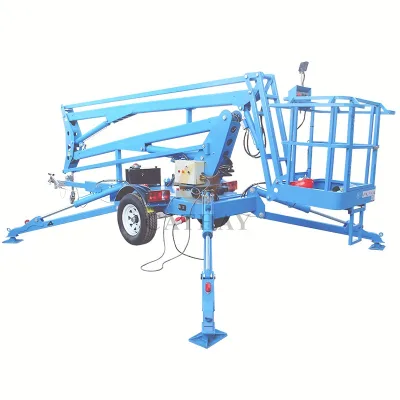
China Supplier 18m Towable Man Boom Lifts Ladder Lift Truck for Lift and Carry
$1520.40 - $3192.85
MOQ: 1 sets

500kg Capacity 4m Trailer Mounted Boom Lift Portable Towable Man Lift
$1315.00 - $1425.00
MOQ: 1 Pieces


Trailer Lift Boom Towable Articulating Man Lift for Complex Height Access
$8500.00 - $9000.00
MOQ: 1 Pieces

Towable Boom Lift Trailer Mounted Man Lift for Elevated Work Projects
$8500.00 - $9000.00
MOQ: 1 Pieces


Man Lift Towable Boom Lift Spider Elevator Articulated Tracked Spider Lift
$2000.00 - $20000.00
MOQ: 1 Pieces


Comprehensive Sourcing Guide
Towable Man Lift Sourcing Guide
Procuring a Towable Man Lift requires careful evaluation of mechanical stability, power source versatility, and compliance with international safety standards. Buyers must distinguish between self-propelled units and those requiring external towing, as this distinction dictates site logistics and operator training requirements. The market offers a range of configurations, from electric-powered scissor lifts to diesel-driven articulated booms, each suited for specific industrial environments. Understanding these mechanical differences is the first step in aligning equipment capabilities with operational needs.
This guide synthesizes observed market data to help procurement teams navigate technical specifications, certification requirements, and commercial terms. By focusing on verified attributes such as lifting height, capacity, and drive type, buyers can avoid common pitfalls associated with mismatched equipment. The following sections provide a structured approach to evaluating suppliers, ensuring that selected machinery meets both immediate project demands and long-term safety regulations.
Product Scope and Observed Listing Signals
The current market for towable man lifts includes a diverse array of models designed for various industrial applications, including building construction, warehouse maintenance, and shipboard operations. Observed listings indicate a strong presence of articulated and scissor lift mechanisms, with working heights ranging from 4 meters to 24 meters. These units are typically classified by their carrying capacity, with common configurations supporting loads of 200kg to 300kg, ensuring safe personnel transport during high-altitude tasks.
Power sources vary significantly across available models, with options including electric, diesel, gasoline, and hybrid systems. This diversity allows buyers to select equipment based on environmental constraints, such as indoor ventilation requirements or outdoor fuel availability. Additionally, features like explosion-proof and insulating properties are available for specialized hazardous environments, highlighting the need for precise specification matching during the sourcing phase to ensure operational safety and efficiency.
Technical Specifications to Verify
When evaluating technical specifications, buyers should prioritize the lift mechanism type, such as articulated or scissor designs, which directly impact reach and stability. Maximum working heights observed range from 12 to 24 meters, with specific models offering standard lengths like 12m, 14m, and 16m. It is crucial to verify the actual working height against the platform dimensions, ensuring that the equipment can access the required work zones without compromising stability or safety margins.
Drive type and power source are equally critical, with options including AC electric, hydraulic, and multiple power configurations. Buyers must confirm the power output, such as 1.1kw or 1.5kw motors, and ensure compatibility with available site infrastructure. Additionally, weight and dimensions, such as 800kg or 1170kg units with specific footprint measurements, must be assessed to guarantee transportability and site accessibility, particularly in confined or restricted work areas.
Compliance and Safety Documentation
Certification verification is a non-negotiable aspect of sourcing towable man lifts, with CE, RoHS, and GS marks being common indicators of compliance with international safety standards. Buyers must request valid certification documents to ensure that the equipment meets regulatory requirements in their target markets. These certifications often cover electrical safety, mechanical integrity, and environmental impact, providing a baseline for assessing the manufacturer’s commitment to quality and safety.
Beyond certifications, buyers should inquire about additional safety features, such as insulating properties for electrical work or explosion-proof designs for hazardous environments. Documentation should also include detailed operational manuals, maintenance schedules, and emergency procedures. Ensuring that all safety-related documentation is complete and up-to-date helps mitigate risks and ensures that operators are fully trained and informed about the equipment’s capabilities and limitations.
Cost Drivers and Commercial Terms
Pricing for towable man lifts varies widely, with observed ranges from $890 to $61,210, influenced by factors such as lifting height, power source, and additional features. Buyers should analyze cost drivers carefully, considering that higher working capacities and specialized power options may increase the initial investment. It is essential to request detailed quotes that break down costs for the base unit, optional accessories, and any customization services to avoid hidden expenses.
Commercial terms, including minimum order quantities (MOQ) and delivery times, also impact procurement decisions. Observed MOQs range from 1 to 10 units, with delivery times typically spanning 7 to 15 working days. Buyers should negotiate clear terms regarding packaging, shipping, and after-sales support to ensure a smooth transaction. Understanding these commercial dynamics helps in budgeting accurately and planning project timelines effectively.
Supplier Qualification and Quality Control
Supplier qualification involves verifying the manufacturer’s origin, production capabilities, and quality control processes. Many observed listings indicate origins in Shandong, China, a region known for heavy machinery manufacturing. Buyers should assess the supplier’s track record, including their experience in producing towable man lifts and their adherence to international standards. Requesting references or case studies can provide insights into the supplier’s reliability and product performance.
Quality control measures should include factory audits, product inspections, and testing protocols. Buyers should inquire about the supplier’s quality assurance processes, such as material testing, assembly checks, and final product inspections. Ensuring that the supplier has robust quality control systems in place helps guarantee that the equipment meets specified standards and performs reliably in the field. This due diligence reduces the risk of receiving substandard or non-compliant machinery.
Long-Term Procurement Checks
Long-term procurement success depends on establishing strong relationships with suppliers who offer consistent quality and reliable support. Buyers should consider the availability of spare parts, maintenance services, and technical assistance when selecting a supplier. Ensuring that the supplier can provide ongoing support helps minimize downtime and extends the lifespan of the equipment. Regular communication and feedback loops can also help identify areas for improvement and foster a collaborative partnership.
Additionally, buyers should monitor market trends and technological advancements in towable man lifts to stay informed about new features and improvements. Periodic reviews of supplier performance and product quality can help identify potential issues early and allow for proactive adjustments. By maintaining a strategic approach to procurement, buyers can ensure that their equipment investments continue to meet operational needs and safety standards over time.
FAQs
What certifications do towable man lifts typically have?
These units commonly carry ISO, RoHS, and CE certifications to ensure safety compliance. Some models also include GS certification for additional market access. Buyers should verify specific documentation for their target region before finalizing procurement decisions.
Which power sources are available for these lifts?
Operators can choose from electric, gas, diesel, DC battery, or hybrid power options. Multiple power configurations allow flexibility for different job sites like construction or maintenance. Select the source that best matches your operational environment and fuel availability.
Can I customize the specifications of the towable lift?
Yes, customization is available to meet specific project requirements. Buyers can request tailored packing solutions and adjust working heights ranging from 12 to 24 meters. Contact suppliers directly to discuss detailed modifications for your unique application needs.
What is the maximum working height for these models?
Standard models offer working heights between 12 and 24 meters depending on the configuration. Specific variants like the SBL18 series reach up to 18 meters. Always confirm the exact height specification with the manufacturer to ensure it fits your vertical access requirements.
How much does a Towable Man Lift typically cost?
Prices observed in the market range from 890 to 61,210 USD based on capacity and features. Costs vary significantly due to differences in power sources, lift mechanisms, and customization levels. Request detailed quotes from multiple vendors to compare current pricing accurately.
What is the minimum order quantity for these lifts?
The minimum order quantity typically ranges from 1 to 10 units depending on the supplier. Some vendors may offer single-unit purchases for testing or small projects. Check specific supplier terms to determine the exact MOQ applicable to your order size.
Where are these towable man lifts manufactured?
Most units originate from Shandong, China, with specific models produced in Jinan. This region is known for manufacturing industrial lifting equipment. Buyers should verify the exact origin location on the product page to confirm shipping logistics and supplier reliability.