Source Triple Axle Trailer Suspension Equalizer for Light Duty, Heavy Haul, and Utility Trailers
Find and compare Triple Axle Trailer Suspension Equalizer options from verified Chinese manufacturers. With 30 products available, buyers can review specifications like leaf spring types, axle counts, and ISO certifications to select the right component for light duty or heavy haul applications.
Key considerations
Products List


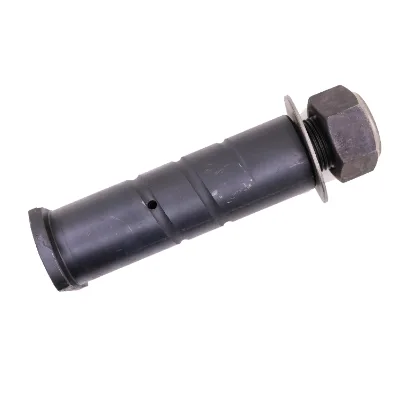
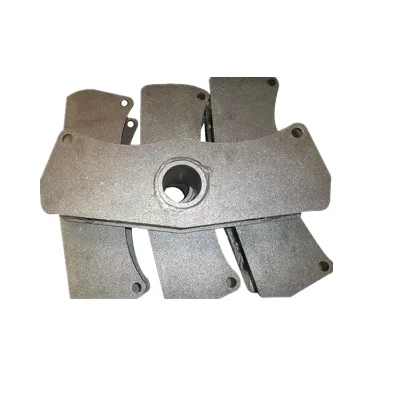
Suspension Trailer Suspension Components Leaf Spring Balance Beam Equalizer
$12.00 - $65.00
MOQ: 50 Pieces




Comprehensive Sourcing Guide
Strategic Sourcing Guide for Triple Axle Trailer Suspension Equalizers
Understanding the Component and Market Context
The Triple Axle Trailer Suspension Equalizer is a critical mechanical component designed to distribute load evenly across multiple axles, ensuring stability and reducing wear on the trailer frame and tires. In the context of B2B procurement, this component is often categorized under leaf spring suspension systems, specifically tailored for light-duty to medium-duty trailer applications. The market for these parts is characterized by a diverse range of specifications, where buyers must navigate between various material compositions, dimensional standards, and manufacturing processes.
Current market observations indicate that the core keyword "Triple Axle Trailer Suspension Equalizer" often intersects with products labeled as "hutch equalizers" or general suspension springs. While the specific configuration of a triple axle system requires precise engineering, the available supply chain data reveals a mix of products ranging from single-axle configurations to those explicitly designed for tandem or multi-axle setups. Buyers must be vigilant in distinguishing between products intended for single-axle trailers and those capable of handling the complex load dynamics of triple-axle arrangements. The supply landscape includes manufacturers originating from China, offering a wide array of models such as the ET-Series, 13-104, TE005, and EQ-356, among others. These model numbers often correspond to specific dimensional standards and load capacities, necessitating a detailed review of technical datasheets before placing an order.
Technical Specifications and Dimensional Verification
When sourcing suspension equalizers, technical specifications are the primary determinant of compatibility. The supplied data highlights a variety of dimensional standards that buyers must verify against their trailer chassis requirements. For instance, specific product standards are listed with precise measurements, such as 184x43x92mm, 170x43x80mm, 225x45x101mm, and 191x45x90mm. These dimensions likely refer to the overall length, width, and thickness of the equalizer or its mounting points. A mismatch in these dimensions can lead to improper fitment, causing suspension binding or uneven load distribution.
Furthermore, the physical attributes of the component are critical. The data indicates that products are available in different material compositions, with Iron and Stainless Steel being the primary materials observed. The choice of material directly impacts the durability, corrosion resistance, and load-bearing capacity of the equalizer. For heavy-duty applications, stainless steel may be preferred for its resistance to environmental degradation, whereas iron-based components might be suitable for lighter duty cycles where cost is a primary driver.
The manufacturing process is another vital technical aspect. Most observed products utilize a casting process, which involves pouring molten metal into a mold to achieve the desired shape. This process allows for complex geometries but requires strict quality control to prevent defects like porosity or inclusions. Buyers should verify that the casting process adheres to specific quality standards to ensure the structural integrity of the component under dynamic loading conditions. Additionally, the "Quantity Per Box" and "Weight Per Piece" vary significantly across listings, ranging from 0.7 kg to 1.2 kg per piece, and packing quantities from 700 to 1000 pieces per box. These variations affect logistics planning and inventory management, requiring buyers to calculate the total volume and weight of their order accurately.
Compliance, Certification, and Quality Assurance
In the B2B procurement of automotive and trailer components, compliance with international standards is non-negotiable. The supplied data explicitly mentions certifications such as ISO/TS16949, which is a critical quality management standard for the automotive industry. This certification indicates that the manufacturer has implemented a robust quality management system capable of ensuring consistent product quality and meeting customer-specific requirements. However, the data also contains entries where certification is listed as "ISOISO/TS," suggesting potential inconsistencies in how suppliers report their status. Buyers must independently verify the validity of these certifications rather than relying solely on product listing descriptions.
Beyond specific certifications, buyers should look for evidence of adherence to broader industry standards. While the data mentions "ISO 9001:2015" as a background standard, it is essential to confirm that the manufacturer maintains active certification under this framework. The absence of a specific certification claim in a listing does not necessarily mean the product is non-compliant, but it does require the buyer to request documentation. For trailer suspension components, the ability to withstand repeated stress cycles and environmental exposure is paramount. The "Condition" of the products is listed as "New," which is a baseline expectation, but buyers should also inquire about the testing protocols used to validate the product's performance under load.
The "Warranty" period is another indicator of manufacturer confidence. A 3-year warranty is observed in the data, which suggests a reasonable expectation of product longevity. However, the terms of the warranty, including what constitutes a defect and the process for claims, should be clearly defined in the procurement contract. Buyers should also verify if the manufacturer offers OEM (Original Equipment Manufacturer) services, as indicated by the "OEM: Yes" attribute in some listings. This capability allows for customization of the equalizer to meet specific trailer designs, which is often necessary for specialized applications.
Cost Drivers and Pricing Dynamics
The pricing of triple axle trailer suspension equalizers is influenced by several factors, including material costs, manufacturing complexity, and order volume. The observed price range in the market spans from $1.26 to $1000 USD, a wide variance that reflects differences in product specifications, material quality, and order quantities. Lower-priced items typically correspond to standard, off-the-shelf components made from iron with basic dimensions, while higher-priced items may involve stainless steel, custom dimensions, or specialized certifications.
The Minimum Order Quantity (MOQ) is a significant cost driver, with observed ranges from 1 to 1000 pieces. For buyers seeking to minimize inventory costs, suppliers with lower MOQs are preferable, although this may come at a higher unit price. Conversely, bulk purchases often result in significant cost savings per unit. The "Weight Per Case" and "Case Size" are also critical for logistics cost calculations. For example, cases weighing up to 1020 kg with dimensions like 1050x880x770 mm will incur higher shipping costs compared to lighter, more compact packages. Buyers must factor in these logistics expenses when evaluating the total cost of ownership.
Customization is a key feature available in the market, which can impact pricing. While standard equalizers are readily available, customizing the number of holes, dimensions, or material composition will likely increase the unit cost. The "Customization: Available" attribute suggests that buyers can request modifications to meet specific trailer requirements, but this should be negotiated clearly regarding additional costs and lead times.
Typical Applications and Load Capacity Analysis
The primary application for these equalizers is in light-duty trailers, as indicated by the "Application: Light Duty Trailer" attribute. However, the "Loading Weight" specification of 5000 lbs suggests that some models are capable of handling moderate loads, which may be relevant for specific trailer configurations. The "Type" of suspension is listed as "Leaf Spring Suspension," which is a common and reliable system for trailers. The "Axle Number" varies, with some products designed for single axles and others for tandem setups. For a triple axle configuration, buyers must ensure that the equalizer is compatible with the specific axle arrangement and load distribution requirements of their trailer.
The "Tire Number" and "Axle Number" attributes provide further insight into the intended use. Products with "Axle Number: 1" and "Tire Number: 2" are clearly designed for single-axle trailers. Buyers seeking components for triple axle trailers must look for products that explicitly support multi-axle configurations or verify compatibility through technical consultation. The "Position" attribute, listed as "Rear," indicates that these equalizers are typically installed at the rear of the trailer to manage the load distribution between the rear axles.
The "Color" of the components is generally black, which is standard for painted steel or iron parts to prevent rust. The "Condition" is consistently listed as "New," ensuring that buyers receive fresh, unused components. The "Tent Type" being "Simple" suggests that these products are not part of a complex, multi-part assembly but are standalone components that integrate into the existing suspension system.
Supplier Evaluation and Procurement Strategy
Evaluating suppliers for triple axle trailer suspension equalizers requires a systematic approach to ensure reliability and quality. The "prod_origin: China" attribute indicates that the majority of the supply comes from Chinese manufacturers. While this region is a global hub for automotive components, buyers should conduct thorough due diligence to verify the supplier's capabilities. Key evaluation criteria include the supplier's experience with OEM projects, their quality control processes, and their ability to meet specific customization requests.
The "OEM: Yes" attribute is a strong indicator of a supplier's capability to produce custom parts. Buyers should request samples or technical drawings to verify that the supplier can meet their specific dimensional and material requirements. The "Certification" status, particularly ISO/TS16949, should be verified through independent audits or certificates of authenticity. Suppliers with valid certifications are more likely to maintain consistent quality and adhere to industry standards.
The "Warranty" period is another important factor in supplier evaluation. A 3-year warranty suggests a high level of confidence in the product's durability. Buyers should review the warranty terms to understand the coverage and the process for handling defects. Additionally, the "Customization: Available" attribute indicates that suppliers are willing to work with buyers to develop tailored solutions. This flexibility is valuable for buyers with unique trailer designs or specific load requirements.
Quality Control and Long-Term Procurement Considerations
Quality control is paramount when sourcing suspension components, as failures can lead to serious safety issues. Buyers should implement a rigorous quality control process that includes incoming inspection, random sampling, and performance testing. The "Casting" process used in manufacturing requires careful monitoring to ensure that the final product is free from defects. Buyers should request test reports or certificates of analysis to verify the material composition and mechanical properties of the components.
Long-term procurement considerations involve building a sustainable relationship with suppliers. This includes negotiating favorable terms for volume discounts, establishing clear communication channels for technical support, and ensuring a reliable supply chain. The "Quantity Per Box" and "Weight Per Case" data should be used to optimize packaging and shipping strategies, reducing costs and minimizing the risk of damage during transit.
Buyers should also consider the "Standard" dimensions and specifications when planning for future orders. Consistency in specifications can simplify inventory management and reduce the risk of ordering incorrect parts. The "prod_model" numbers, such as ET-Series, 13-104, and EQ-356, serve as unique identifiers that can help streamline the ordering process. By maintaining a clear record of these model numbers and their corresponding specifications, buyers can ensure that they consistently source the correct components for their trailer fleet.
In conclusion, sourcing triple axle trailer suspension equalizers requires a comprehensive understanding of technical specifications, compliance requirements, and market dynamics. By carefully evaluating suppliers, verifying certifications, and implementing robust quality control measures, buyers can secure high-quality components that meet their specific needs and ensure the safety and reliability of their trailer operations.
FAQs
What materials are used for triple axle trailer suspension equalizers?
These components are primarily manufactured using iron or stainless steel. Iron is common for light-duty applications, while stainless steel offers superior corrosion resistance for harsh environments.
Which certification ensures quality for these suspension parts?
ISO/TS16949 certification is a key indicator of quality management for automotive components. Buyers should verify this specific standard rather than relying on generic ISO claims.
Can I customize the dimensions of the equalizer?
Customization is available for specific dimensional requirements. Buyers can request modifications to fit unique trailer chassis designs, though this may affect unit pricing and lead time.
What is the typical warranty period for these equalizers?
A standard warranty period of 3 years is observed for these suspension components. This coverage typically protects against manufacturing defects under normal operating conditions.
How does the loading weight capacity vary by model?
Loading weight capacities vary, with some models rated for 5000 lbs. Buyers must verify the specific capacity against their trailer's total load requirements before purchase.
What is the minimum order quantity for these parts?
Minimum order quantities range from 1 to 1000 pieces depending on the supplier. Lower MOQs allow for smaller initial orders, while bulk purchases often reduce the unit cost.
Where are these suspension equalizers typically manufactured?
The majority of these products originate from China. Buyers should evaluate Chinese manufacturers based on their specific certifications and ability to meet customization requests.