Source Triple Axle Air Suspension with ABS for trailers, trucks, and buses
Explore 30 listings for Triple Axle Air Suspension with ABS designed for heavy-duty trailers, semi-trucks, and buses. Buyers can compare specifications, certifications, and pricing from verified suppliers in China to find the right suspension kit.
Key considerations
Products List


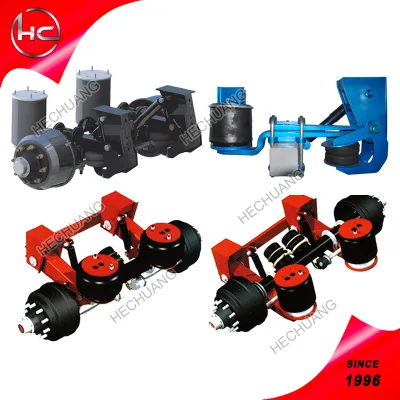


Trailer Axle Differential Rear Axle Auto Parts Air Spring Suspension for Trucks
$480.00 - $668.00
MOQ: 30 Pieces

Transportation Heavy Truck & Trailer Axle Auto Parts 12t Air Spring Suspension
$1050.00 - $1855.00
MOQ: 3 Pieces


30000 Lbs Underslung Air Spring Suspension with/Without Lifting System
$1200.00 - $1800.00
MOQ: 5 Pieces
Comprehensive Sourcing Guide
Strategic Sourcing Guide for Triple Axle Air Suspension Systems
Procuring a triple axle air suspension system with integrated anti-lock braking capabilities represents a complex procurement challenge that demands rigorous technical verification and supply chain due diligence. The core keyword "Triple Axle Air Suspension with ABS" implies a heavy-duty configuration designed for maximum load distribution and safety in demanding transport environments. Buyers must navigate a market where product attributes vary significantly between suppliers, ranging from standard heavy-duty trailer kits to specialized universal suspension parts. This guide outlines the critical factors for sourcing these systems, focusing on verified product attributes, compliance standards, and operational reliability without relying on unverified marketing claims.
Technical Architecture and Configuration Verification
The foundational requirement for any triple axle system is the structural integrity of the air suspension components. Based on observed product data, the primary material composition for these systems is typically steel, with specific components such as pistons often constructed from aluminum to optimize weight-to-strength ratios. The product type is consistently identified as "Air Suspension" or "Suspension Spring," designed specifically for heavy-duty trailer applications. A critical technical distinction in the market is the mounting configuration; buyers must verify whether the system supports underslung or overslung mounting, as this dictates the compatibility with existing chassis designs.
The applicability of the suspension is a primary filter for procurement. The observed data confirms that these systems are engineered for tandem and triple axle sets, making them suitable for high-capacity logistics. The "Position" attribute is frequently listed as "Rear," indicating the primary deployment zone for load-bearing stability. Furthermore, the integration of ABS (Anti-lock Braking System) is a functional requirement for modern heavy transport. While the specific integration of ABS sensors is not explicitly detailed in the raw product attributes, the presence of "Drake Drum Brakes Classification" and "Brake Drum" references in the data suggests that the suspension systems are often paired with drum brake assemblies. Buyers must explicitly confirm that the air suspension kit includes or is compatible with the necessary ABS sensors and control modules to ensure the braking system functions in unison with the air springs.
The model specifications observed include designations such as "BZ-Air suspension," "8050," and "Universal." These model numbers often correlate with specific load capacities, such as 11T or 13T, which are critical for determining if the system can handle the intended payload. The "Car Make" attribute lists a wide array of manufacturers including Volvo, Ford, and Mercedes-Benz, suggesting that many of these suspension kits are designed with universal compatibility or specific adaptations for major vehicle platforms. However, the "German type" model specification indicates that some units are tailored to specific regional engineering standards. Procurement teams must match the specific model number and axle configuration to the vehicle's original equipment manufacturer (OEM) requirements to avoid fitment issues.
Compliance, Certification, and Material Standards
Navigating the certification landscape is essential for ensuring that the purchased suspension systems meet international safety and quality benchmarks. The observed product data lists "ISO/TS" and "ISO" as certifications, alongside specific mentions of "ISO9001" in background contexts. While "ISO/TS" is a recognized standard for automotive quality management, buyers must verify the specific scope of the certification for the triple axle system in question. The data also notes "Material: Stainless Steel" in some certification entries, which contrasts with the primary "Steel" material attribute. This discrepancy highlights the need for buyers to request material test reports to confirm the exact grade of steel used in the air springs and mounting brackets, particularly for corrosion resistance in harsh environments.
The "Standard Size or customization" attribute indicates that while many systems adhere to standard dimensions, customization is a viable option. This is further supported by the "Customization: Available" and "OEM: Yes" attributes. However, buyers must distinguish between standard compliance and custom engineering. A system claiming "ISO/TS" certification must have undergone the rigorous testing protocols associated with that standard. The "Standard Size" reference suggests that off-the-shelf units may exist, but for triple axle configurations, the "11T, 13T" standard load ratings imply that specific load-bearing certifications are required.
Buyers should also scrutinize the "Product Standard" field, which in some listings is described simply as "air suspension" or specific model numbers like "8050." This lack of specific standard naming in some entries is a red flag that requires clarification. Procurement teams should demand documentation proving that the suspension system meets the specific regulatory standards of the target market, such as ECE regulations in Europe or FMVSS in North America. The "Certification" field also lists "ISOISO/TSMaterial:Stainless Steel," which appears to be a concatenated data entry. This reinforces the necessity of obtaining a valid, standalone certificate of conformity rather than relying on the product listing text alone.
Cost Drivers and Pricing Structure Analysis
The pricing structure for triple axle air suspension systems is influenced by several variable factors, including material costs, customization levels, and packaging requirements. The observed price range in the market spans from 1 to 3000 USD, a wide variance that reflects the difference between individual components and complete kits. A single air spring or a basic suspension part may fall at the lower end of this spectrum, while a fully integrated triple axle kit with ABS integration and custom engineering will command prices closer to the upper limit.
Material composition is a primary cost driver. The use of steel for the main structure and aluminum for pistons affects the final price. Systems utilizing higher-grade stainless steel components, as hinted at in some certification data, will inherently cost more due to the raw material expenses and the additional processing required. Customization is another significant factor. The "Customization: Available" and "OEM: Yes" attributes indicate that buyers can request tailored solutions, but these custom orders typically incur higher unit costs and longer lead times compared to standard inventory items.
Packaging and logistics also impact the total cost of ownership. The data lists various packaging methods, including "Iron Shelves," "Export Standard," "1PCS Into One Box," and "Pallet." The choice of packaging affects shipping efficiency and potential damage during transit. For example, "Iron Shelves" may offer superior protection for heavy components but add weight and cost, whereas "Export Standard" packing is designed for efficient container loading. Buyers must factor in the "Port of dispatch," such as Dalian port, and the "Place of Origin," which varies between Shandong and Liaoning, as these locations influence freight costs and supply chain reliability.
Typical Applications and Operational Environments
The application scope for triple axle air suspension systems is predominantly heavy-duty transport. The "Application" attribute explicitly states "Heavy Duty Trailer Suspension Kit" and "Auto Suspension Systems." These systems are designed to support the immense weight of triple axle configurations, which are common in long-haul freight, construction equipment transport, and specialized cargo hauling. The "Main Market" data points to South America, North America, the Middle East, and Africa, regions where heavy transport infrastructure is critical and road conditions can be challenging.
The "Usage" is defined as "Air Suspension System," indicating that the primary function is to provide a smooth ride while maintaining load stability. The "Damping Force Direction: Single Effect" attribute suggests that the system may have specific damping characteristics that buyers must evaluate against their operational needs. In environments with rough terrain or heavy loads, the ability of the air suspension to adjust pressure dynamically is crucial for preventing cargo damage and ensuring vehicle control.
The "Car Make" compatibility list, including brands like Kia, Mazda, Volvo, Ford, and Nissan, suggests that these suspension systems are versatile and can be adapted to various chassis types. However, the "German type" model specification implies that some units are optimized for European engineering standards, which may differ from American or Asian chassis designs. Buyers must ensure that the suspension system's geometry and mounting points align with the specific vehicle platform they intend to equip. The "Position: Rear" attribute confirms that these systems are primarily used at the rear of the vehicle, where the majority of the load is concentrated.
Supplier Evaluation and Supply Chain Reliability
Evaluating suppliers for triple axle air suspension systems requires a deep dive into their manufacturing capabilities and track record. The "Brand Name" attribute, such as "HC," and the "Place of Origin" data, including Shandong and Liaoning, provide initial clues about the supplier's location. These regions in China are known for their automotive parts manufacturing, but buyers must verify the specific factory's capacity to produce complex triple axle systems. The "Supply Ability" of "5000 sets per Month" is a critical metric; it indicates the supplier's production capacity and ability to fulfill large orders. However, buyers should verify if this capacity is consistent or if it fluctuates based on raw material availability.
The "MOQ" (Minimum Order Quantity) is another vital consideration. The observed range is 1 to 100, with specific listings showing an MOQ of "5 Set." This variability allows buyers to test the market with smaller orders before committing to large-scale procurement. However, for triple axle systems, which are complex and expensive, a low MOQ might indicate a focus on individual components rather than complete kits. Buyers should clarify whether the MOQ applies to the entire system or individual parts.
The "Packaging Details" section, which includes options like "Pallet," "Neutral packing," and "Packing as customer requirement," highlights the flexibility of the supplier. A supplier that offers "Packing as customer requirement" demonstrates a commitment to meeting specific logistical needs, which is essential for international shipping. The "Port of dispatch" at Dalian port is a strategic location for export, but buyers should confirm the supplier's experience with shipping heavy machinery to ensure proper handling and documentation.
Quality Control and Long-Term Procurement Considerations
Quality control is paramount when sourcing heavy-duty suspension systems. The "Guarantee" and "Warranty" attributes, listed as "12 Months" and "1year" respectively, provide a baseline for the supplier's confidence in their product. However, buyers should not rely solely on these warranty periods. Instead, they should request detailed quality control procedures, including material testing, load testing, and durability assessments. The "Standard Size or customization" attribute suggests that quality control processes must be adaptable to custom orders, ensuring that non-standard components meet the same rigorous standards as standard ones.
Long-term procurement considerations include the availability of spare parts and the supplier's ability to provide technical support. The "OEM: Yes" and "OEM: No" attributes indicate that some suppliers offer original equipment manufacturer services, which can be beneficial for maintaining consistency in fleet operations. Buyers should also consider the "Selling Units" attribute, which lists "Single item," suggesting that individual components can be purchased separately. This flexibility is valuable for maintenance and repairs, allowing fleets to replace worn parts without replacing the entire system.
The "Color: Black" attribute is a minor detail but can be relevant for fleet uniformity and aesthetic consistency. More importantly, the "Support sea freight" attribute indicates that the supplier is experienced in international logistics, which is crucial for buyers sourcing from China. Buyers should verify the supplier's track record in handling sea freight for heavy components to ensure that the products arrive in good condition.
In conclusion, sourcing a triple axle air suspension system with ABS requires a meticulous approach that balances technical specifications, compliance verification, and supplier reliability. By focusing on the observed attributes such as material composition, certification status, and supply chain capabilities, buyers can make informed decisions that ensure the safety and efficiency of their heavy-duty transport operations. The wide range of product models and customization options available in the market provides flexibility, but it also necessitates a thorough due diligence process to select the right system for specific operational needs.
FAQs
What material is used for triple axle air suspension systems?
The primary material is steel, with specific components like pistons often made of aluminum. Some listings mention stainless steel for specific parts, so buyers should request material test reports to confirm the exact grade used for corrosion resistance.
Which axle configurations does this suspension support?
These systems are engineered specifically for tandem and triple axle sets. They are designed to handle heavy-duty trailer applications and provide load distribution stability for high-capacity logistics operations in demanding transport environments.
Can buyers customize the suspension kit specifications?
Yes, customization is available and OEM services are offered for tailored solutions. Buyers can request specific standard sizes or custom dimensions, though custom orders typically incur higher unit costs and may require longer lead times than standard inventory.
What certifications do these suspension products hold?
Products commonly hold ISO and ISO/TS certifications, which are recognized standards for automotive quality management. Buyers must verify the specific scope of these certificates and request valid documentation rather than relying solely on product listing text.
How is the mounting configuration defined for these kits?
The mounting configuration supports both underslung and overslung setups. This flexibility allows the system to be compatible with various existing chassis designs, but buyers must verify the specific mounting type required for their vehicle platform.
What is the typical warranty period for these systems?
The standard warranty period is typically 12 months or one year. This guarantee covers the product against defects, but specific terms may vary by supplier, so buyers should confirm the exact warranty duration and coverage scope before purchasing.
Which regions are the primary markets for these suspensions?
The main markets include South America, North America, the Middle East, and Africa. These regions represent key areas for heavy transport infrastructure where such suspension systems are in high demand for long-haul freight and specialized cargo hauling.