Source Truck Fuel Water Separator Filter for Heavy Duty, Light Duty, and Agricultural Use
Explore 30 verified listings for the Truck Fuel Water Separator Filter designed for heavy-duty trucks, light commercial vehicles, and agricultural machinery. Compare specifications, certifications, and pricing from suppliers in China to find the right component for your fleet.
Key considerations
Products List


Diesel Fuel Separator Filters Trucks 32-925994 Water Oil Separator Filter
$44.00 - $50.00
MOQ: 50 Pieces

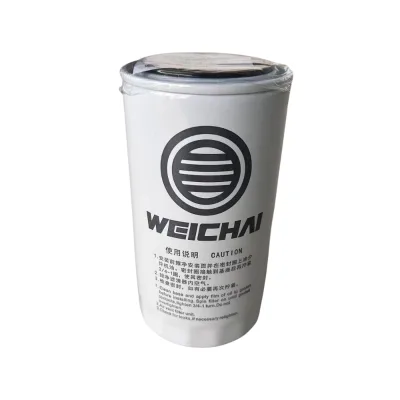


Best Price Engine Parts Fuel Water Separator Fs53041 Fuel Filter for Truck
$12.00 - $16.00
MOQ: 50 Pieces


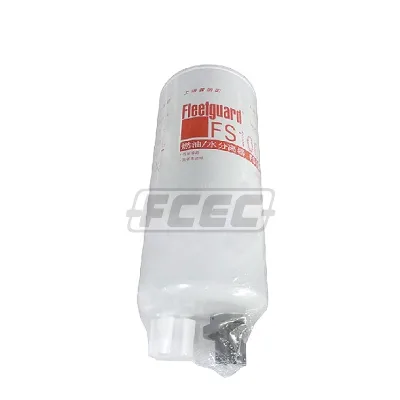
Oil Filter Fuel Filter Assembly Water Separator Filter for Heavy Duty Truck Parts
$800.00 - $1368.00
MOQ: 4 Pieces



Comprehensive Sourcing Guide
Strategic Sourcing Guide for Truck Fuel Water Separator Filters
Procuring high-performance fuel water separator filters is a critical operational decision for fleet managers and B2B buyers in the heavy-duty trucking sector. The core function of these components extends beyond simple particulate removal; they are essential for protecting sensitive injection systems from water contamination, which can cause corrosion, microbial growth, and catastrophic engine failure. This guide synthesizes available product attributes, compliance frameworks, and technical specifications to provide a disciplined approach to sourcing. Buyers must navigate a complex landscape where variations in OEM compatibility, filtration media, and structural design dictate the suitability of a unit for specific diesel engine applications.
Technical Specifications and Component Architecture
Understanding the physical and functional architecture of a fuel water separator is the first step in any sourcing strategy. Based on observed market data, these units are frequently classified as "Fuel Filter Water Separators" and are designed specifically for diesel fuel systems. The internal structure typically follows a cartridge filter design, utilizing a paper core as the primary filtration medium. This material choice is standard for its balance of flow rate and contaminant capture efficiency. The filtration grade is often designated as a pre-filter, indicating its role in the initial stage of fuel conditioning before the fuel reaches the high-pressure injection pump.
The physical dimensions and connection points are paramount for compatibility. Observed specifications indicate a size of 110*203 mm for certain models, while others are listed as "Standard Size," suggesting a need for precise measurement verification against the vehicle's existing housing. Thread specifications are equally critical; a common observed thread is 1"-14, but variations exist. Buyers must verify the thread pitch and diameter against the specific truck model to ensure a leak-free seal. The body material is frequently aluminum, offering a balance of durability and weight reduction compared to steel alternatives.
The driving system and electrical system integration also play a role in the overall unit design. While the filter itself is a mechanical component, it interfaces with the vehicle's front axle and steering gear systems indirectly by ensuring the engine runs smoothly. The electrical system, particularly the battery, powers the water-in-fuel sensors often integrated into modern separators. Some units are described as having a "Wet" pattern, referring to the separation chamber design where water collects at the bottom of the bowl for manual or automatic drainage.
OEM Compatibility and Cross-Reference Mapping
One of the most significant challenges in sourcing fuel filters is ensuring exact OEM compatibility. The market data reveals a wide array of cross-reference numbers, indicating that a single filter model may serve multiple truck manufacturers. For instance, the part number 1000401 is associated with specific applications, while 117-4089 serves as another distinct identifier. Buyers must cross-reference these numbers with their fleet's maintenance records.
The following table illustrates the observed OEM cross-references and their associated manufacturers, highlighting the complexity of the supply chain:
| OEM Part Number | Associated Manufacturer | Application Context |
|---|---|---|
| 1000401 | General / JAC | Fuel system pre-filtration |
| 1105010e532t | JAC | Specific truck model variant |
| 1000801 | Yunnei | Engine-specific filtration |
| W0017-Z1 | Wal | Alternative manufacturer code |
| 117-4089 | General / Standard | Universal diesel application |
When sourcing, buyers should not rely solely on the part number. The "Pattern" and "Structure" attributes must align with the original equipment. For example, a unit listed with a "Cartridge Filter" structure must match the housing design of the truck. Mismatched patterns, such as a "Wet" separator being substituted for a "Dry" system, can lead to immediate functional failure. Additionally, the "Fuel Saver Type" is noted as "Oxygen Enriched Type" in some listings, a feature that may imply enhanced combustion efficiency but requires verification against the engine's specific tuning requirements.
Compliance, Certification, and Quality Standards
In the B2B procurement of automotive components, certification serves as a proxy for manufacturing rigor. The supply chain for fuel filters is heavily regulated, and buyers should prioritize suppliers who can demonstrate adherence to international quality management systems. The observed data confirms that ISO9001 certification is a standard requirement for reputable manufacturers. This certification ensures that the production process is consistent and that quality control measures are embedded throughout the manufacturing lifecycle.
Beyond general quality management, the automotive industry relies on IATF 16949:2016 for specific component manufacturing. This standard is critical for fuel system parts, as it addresses the unique risks associated with automotive supply chains, including defect prevention and variation reduction. The presence of IATF 16949:2016 certification in the product data indicates a high level of compliance with automotive-specific quality protocols.
The "100% Tested" quality standard is another non-negotiable attribute. Every unit leaving the factory should undergo rigorous testing to verify its filtration efficiency and structural integrity. Buyers must request test reports or certificates of conformity that confirm this 100% testing protocol. While other certifications like CE, RoHS, and REACH are mentioned in background contexts, they are not explicitly confirmed for every listed product. Therefore, buyers should treat these as potential attributes to verify rather than guaranteed standards. The "Standard Size" and "Standard" product standard attributes suggest that while some units adhere to generic norms, others may be "According to Customer's Requirement," necessitating a clear definition of specifications in the purchase order.
Cost Drivers and Pricing Dynamics
The pricing for truck fuel water separator filters exhibits a wide range, observed between 1 and 9000 USD. This variance is not arbitrary but is driven by several key factors. The primary cost driver is the complexity of the filtration media. Units utilizing premium media brands such as Ahlstrom or Hv, alongside "Chinese Good Paper," will command higher prices than those using generic paper cores. The brand of the filtration media directly impacts the filter's ability to capture fine particulates and separate water effectively.
Packaging and logistics also influence the final cost. The "prod_packing" attribute varies from standard "Carton" packaging to "Customized" or "According to Customer's Requirement" options. Custom packaging, often required for bulk B2B shipments or specific branding, adds to the unit cost. Furthermore, the "Shipment" method—whether Sea, Air, or Express—significantly impacts the landed cost. Air freight and express shipping will increase the total price substantially compared to sea freight, which is more common for bulk orders.
The Minimum Order Quantity (MOQ) is another critical cost factor. The observed MOQ range spans from 1 to 500 units. Buyers purchasing small quantities may face a higher per-unit cost due to the lack of economies of scale. Conversely, ordering near the upper limit of the MOQ range can result in significant discounts. Payment terms, including Bitcoin, T/T, and Western Union, also affect the financial dynamics of the transaction. Buyers should negotiate terms that align with their cash flow, as flexible payment options can sometimes offset higher unit prices.
Supplier Evaluation and Geographic Considerations
Geographic origin plays a significant role in supplier evaluation. The data indicates that products originate from key manufacturing hubs in China, specifically Shandong and Wuhu, Anhui. These regions are known for their automotive component manufacturing capabilities. However, the presence of multiple origins suggests that buyers must verify the specific factory location for each order to ensure consistency in quality and logistics.
When evaluating suppliers, buyers should look for evidence of the "Condition: New" status and the availability of OEM services. The "OEM: Available" attribute indicates that suppliers are capable of producing parts to original specifications, which is crucial for maintaining warranty compliance and vehicle performance. Buyers should also assess the supplier's ability to handle "According to Customer's Requirement" requests for size, standard, and packing. This flexibility is a strong indicator of a supplier's capacity to meet diverse fleet needs.
The "Main Market" for these products is observed as South Asia, which suggests that the supply chain is well-established for this region. However, buyers in other markets should verify the supplier's experience with international shipping and compliance with local regulations. The "Payment" methods offered, including digital currencies like Bitcoin, indicate a modern approach to transactions, but buyers must ensure these methods comply with their internal financial policies and local laws.
Quality Control and Long-Term Procurement Strategy
Ensuring long-term reliability requires a robust quality control strategy. The "100% Tested" standard must be validated through third-party audits or on-site inspections. Buyers should request detailed test results that cover filtration efficiency, burst pressure, and water separation capability. The "Material" attribute, specifically the "Paper Core," should be inspected for consistency in fiber density and bonding quality. Variations in the paper core can lead to premature clogging or failure to separate water effectively.
For long-term procurement, buyers should establish a relationship with suppliers who offer "Customized" packaging and "According to Customer's Requirement" standards. This flexibility allows for the creation of a tailored supply chain that adapts to changing fleet needs. The "Stroke: 6 Stroke" and "Cylinder: Single Cylinder" attributes suggest that some units are designed for specific engine configurations. Buyers must ensure that the filter's design matches the engine's stroke and cylinder count to avoid performance issues.
Finally, the "Application: Liquid" and "Fuel: Diesel" attributes confirm the intended use. Buyers must verify that the filter is compatible with the specific type of diesel fuel used in their fleet, including any bio-diesel blends. The "Carburettor Type: Downdraft" and "Fuel Saver Type: Oxygen Enriched Type" details highlight the need for precise matching of the fuel delivery system. By focusing on these technical details and maintaining a rigorous quality control process, buyers can secure a reliable supply of fuel water separator filters that protect their assets and ensure operational continuity.
FAQs
What certifications do truck fuel water separator filters have?
These filters typically hold ISO9001 and IATF 16949:2016 certifications. Buyers should verify that the specific unit is 100% tested before purchase to ensure it meets automotive quality standards.
Which filtration media brands are used in these filters?
The media often includes Ahlstrom, Hv, and Chinese Good Paper. The core is made of paper designed for pre-filtering diesel fuel to protect injection systems from water and particulates.
How can I verify OEM compatibility for my truck?
Cross-reference part numbers like 1000401 or 117-4089 with your vehicle's maintenance records. Ensure the thread size, such as 1-14, and structure match the original equipment exactly.
What is the typical MOQ for ordering these filters?
The minimum order quantity ranges from 1 to 500 units depending on the supplier. Buyers should check specific listings to find options that match their fleet size and budget constraints.
Can I request custom packaging for bulk orders?
Yes, suppliers offer packaging according to customer requirements or standard cartons. This flexibility allows for tailored shipping solutions that may reduce costs or meet specific branding needs.
Where are these fuel filters manufactured?
Products originate from manufacturing hubs in Shandong and Wuhu, Anhui, China. Buyers should confirm the specific factory location to ensure consistent quality and reliable logistics for their shipments.
What payment methods are accepted for these purchases?
Accepted payment terms include Bitcoin, T/T, and Western Union. Buyers should select a method that aligns with their internal financial policies and local regulatory compliance requirements.