Source Tubeless Radial Golf Cart Tire for golf courses, resorts, and farms
Compare 30 listings of Tubeless Radial Golf Cart Tire from Qingdao and Shandong suppliers. Buyers can review sizes like 22×7-11 and 205/60-10, pressure ratings, and custom packaging options for various applications.
Key considerations
Products List


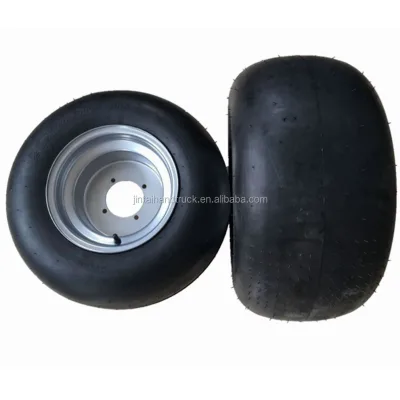
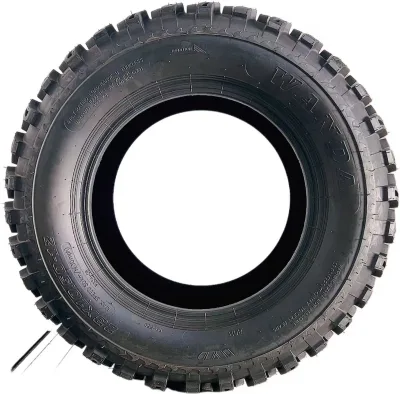
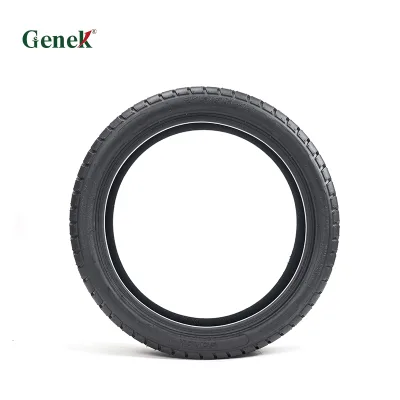
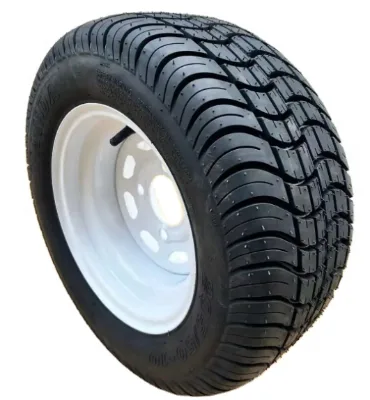
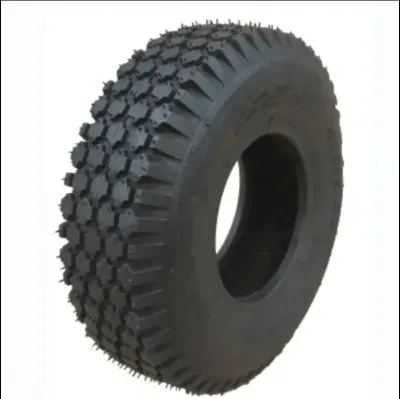
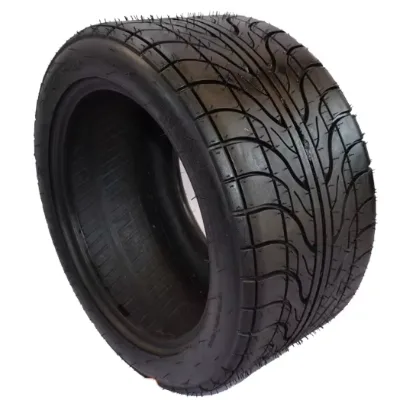
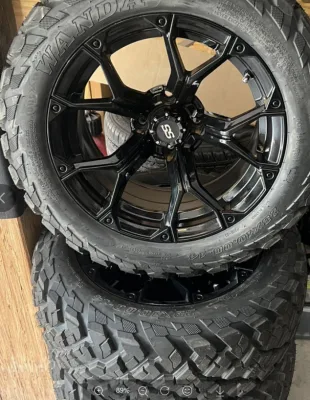
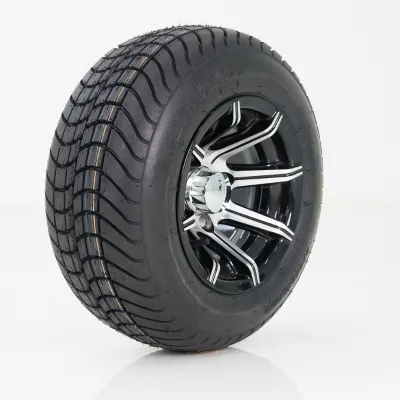

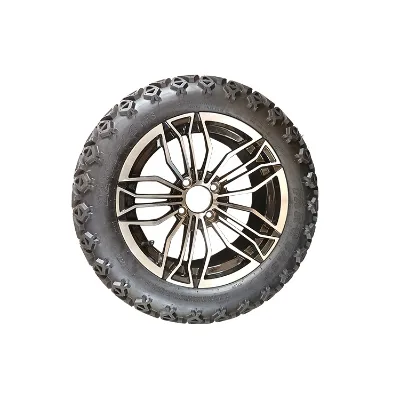
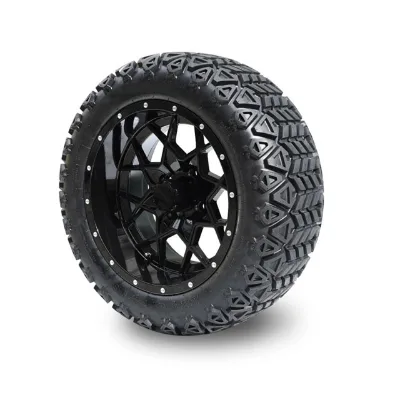
20X10r-8 Tubeless Lawnmower Golf Cart Utility Cart Turf Grass Radial Tire/Wheel/Tyre
$26.00 - $50.00
MOQ: 500 Pieces


22X9-10 Golf Utility Cart Tubeless Wheel Tire Wheel Tyre for Buggy ATV
$24.00 - $26.90
MOQ: 200 Pieces

15X6.00-6 Tubeless Turf Equipment Golf Carts Utility Vehicles Lawn&Garden Tyre/Tire
$12.99 - $36.99
MOQ: 200 Pieces



Comprehensive Sourcing Guide
Strategic Sourcing Guide for Tubeless Radial Golf Cart Tires
Procuring tubeless radial tires for golf carts requires a precise understanding of the intersection between specialized vehicle dynamics and industrial manufacturing standards. The market for these components is characterized by a wide variance in specifications, from compact utility models to heavy-duty all-terrain variants. Buyers must navigate a landscape where dimensions, load capacities, and rim compatibility vary significantly even within the same product category. This guide provides a structured approach to evaluating suppliers, verifying technical compliance, and managing procurement risks without relying on unverified marketing claims.
Technical Specifications and Dimensional Analysis
The foundation of a successful procurement strategy lies in the accurate matching of tire specifications to the vehicle's operational requirements. In the current market, tubeless radial tires are available in a diverse array of sizes, each designed for specific wheel diameters and load profiles. Buyers must carefully distinguish between standard utility sizes and those intended for rugged, all-terrain applications.
Observed data indicates that tire dimensions are not uniform. For instance, specific models are listed with an outer diameter (OD) ranging from 457mm to 460mm, while other variants reach up to 580mm. The cross-section width also varies, with some models measuring 210mm, while others differ based on the rim width. Rim compatibility is a critical factor; the market shows rim widths ranging from 5.5 inches to 7.0 inches, with specific models requiring 6.0 or 6.5-inch rims.
The following table summarizes the observed dimensional and structural variations found in current product listings:
| Attribute | Observed Range / Specific Values | Application Context |
|---|---|---|
| Outer Diameter (OD) | 457-460mm, 463mm, 580mm | Determines ground clearance and speedometer accuracy. |
| Cross-Section Width | 210mm (observed) | Affects traction surface area and stability. |
| Rim Width | 5.5, 6.0, 6.5, 7.0 inches | Must match the wheel hub exactly for safety. |
| Wheel Diameter | 503mm (observed) | Critical for overall vehicle height and gear ratio. |
| Pressure (PSI) | 5, 22-34 PSI, 55 PSI | Varies by load; low pressure for soft terrain, high for pavement. |
| Load Capacity | 600kg, 760kg, 1325kg | Must exceed the maximum weight of the cart plus cargo. |
Buyers should verify that the specific model number, such as DAV117, 104, 118, 126, or 133, aligns with the vehicle manufacturer's recommendations. The standard size notation, such as 18×8.50-8, 22×7-11, or 205/50-10, provides a standardized reference for width, aspect ratio, and rim diameter. It is essential to confirm whether the tire is designated as "Type: Tl" (Tubeless) and whether the construction is radial, as these factors influence heat dissipation and ride comfort.
Compliance and Certification Verification
In the global B2B market, certification serves as a proxy for quality and regulatory adherence. While many suppliers claim compliance with international standards, buyers must demand tangible proof rather than accepting generic assertions. The supply chain for golf cart tires often involves multiple jurisdictions, necessitating checks for specific regional certifications.
Observed product attributes list a comprehensive suite of certifications, including FCC, RoHS, CE, GS, ECE, CCC, DOT, and ISO. These acronyms represent distinct regulatory frameworks:
- DOT (Department of Transportation): Indicates compliance with US safety standards for vehicle tires.
- ECE: Represents European Economic Community regulations, crucial for export to Europe.
- CCC: The China Compulsory Certification, mandatory for products sold within China.
- ISO: Refers to International Organization for Standardization management or quality systems.
- RoHS & FCC: Relate to environmental restrictions on hazardous substances and electromagnetic interference, though less critical for tires than for electronic components, they indicate a supplier's adherence to broader manufacturing protocols.
Buyers should not assume that a single listing satisfies all these standards. The presence of a certification claim must be validated against the specific batch or model being ordered. Furthermore, the material composition, such as the noted 50% nature rubber content, should be verified to ensure it meets the durability expectations for the intended use case.
Cost Drivers and Pricing Dynamics
Understanding the cost structure of tubeless radial tires is essential for budgeting and negotiation. The observed price range in the market spans from $12.99 to $105 per unit. This significant variance is driven by several factors, including the complexity of the tread pattern, the quality of the rubber compound, the load rating, and the level of customization required.
Low-cost units typically fall into the $12.99 range and may correspond to smaller, lower-load-capacity models with standard packaging. Conversely, premium units reaching $105 often feature specialized all-terrain treads, higher load capacities (e.g., 1325kg), and custom branding or packaging solutions.
Other cost drivers include:
- Customization: The ability to customize packaging and branding adds value but increases the unit cost.
- MOQ (Minimum Order Quantity): Prices are often tiered based on volume. Some suppliers list an MOQ of 200 pieces, while others may accept orders as low as 1 piece or as high as 900 pieces.
- Supply Ability: Suppliers with a stated supply ability of 8,000 pieces per month may offer more competitive pricing due to economies of scale compared to smaller manufacturers.
- Origin and Logistics: Products originating from Qingdao or Shandong, China, benefit from established logistics networks, but shipping costs and import duties will affect the final landed cost.
Typical Applications and Performance Expectations
The application of tubeless radial tires dictates the necessary performance characteristics. The market data highlights two primary use cases: standard utility golf carts and all-terrain vehicles.
For standard golf carts operating on paved fairways, tires with a pressure range of 22-34 PSI and a standard size like 18×8.50-8 are typical. These tires prioritize low rolling resistance and a smooth ride. In contrast, all-terrain tires, identified by specific attributes in the product data, are designed for rougher surfaces. These often feature higher load capacities (up to 1325kg) and may operate at lower pressures (5 PSI) to maximize traction on soft ground.
The distinction between "Type: Tl" (Tubeless) and other types is vital. Tubeless designs eliminate the inner tube, reducing the risk of sudden air loss and allowing for easier patching of minor punctures. The radial construction, implied by the product category, offers better stability and heat resistance compared to bias-ply tires, making them suitable for higher-speed operations and heavier loads.
Supplier Evaluation and Origin Verification
Evaluating a supplier requires a deep dive into their operational capabilities and geographic location. The product data indicates that manufacturers are primarily located in China, with specific origins noted as Qingdao and Shandong. These regions are known for their robust rubber and tire manufacturing ecosystems.
When assessing a potential supplier, buyers should verify the following:
- Brand Name: Some listings mention specific brands like "jintai," while others may be unbranded or OEM.
- Production Capacity: A supply ability of 8,000 pieces per month suggests a mid-to-large scale operation capable of handling bulk orders.
- Customization Capabilities: The availability of customized packaging and branding is a key differentiator. Suppliers should explicitly state their ability to tailor packaging to customer requirements.
- Lead Times and MOQ: While specific lead times are not universally listed, the MOQ ranges from 1 to 900 pieces. Buyers must clarify the lead time for custom orders, as these often exceed standard production cycles.
It is crucial to avoid suppliers who cannot provide clear documentation regarding their place of origin or who fail to specify their production standards. The "Condition: New" attribute is standard, but buyers should ensure that the "Nature Rubber" content and other material specifications are consistent with the order.
Quality Control and Long-Term Procurement
Establishing a long-term procurement relationship requires a rigorous quality control (QC) framework. Given the variance in observed specifications, buyers must implement a sampling plan that tests the physical attributes of the tires against the agreed-upon standards.
Key QC checkpoints include:
- Dimensional Accuracy: Verify the outer diameter, cross-section width, and rim compatibility against the specified model (e.g., 22×11-10 or 205/60-10).
- Load and Pressure Testing: Ensure the tires can sustain the stated maximum load (e.g., 760kg or 1325kg) at the recommended pressure without structural failure.
- Material Integrity: Confirm the rubber composition and the presence of the steel rim material where applicable.
- Packaging Verification: Check that the packaging details (e.g., in pallet or woven bag) meet the logistical requirements to prevent damage during transit.
For long-term success, buyers should negotiate clear terms regarding defect rates and replacement policies. The "Customized Packaging According to Customer Requirements" feature should be included in the contract to ensure brand consistency. Additionally, maintaining a relationship with a supplier who offers a high supply ability (e.g., 8,000 pieces/month) ensures stability in the supply chain, mitigating the risk of stockouts during peak seasons.
In conclusion, sourcing tubeless radial golf cart tires is a complex process that demands attention to detail in specifications, certifications, and supplier capabilities. By adhering to the observed data and maintaining a disciplined approach to verification, buyers can secure high-quality products that meet their operational needs while managing costs effectively. The market offers a wide range of options, but success lies in the careful selection and validation of each component before finalizing the procurement agreement.
FAQs
What certifications are available for these tires?
Certifications include FCC, RoHS, CE, GS, ECE, CCC, DOT, and ISO. Buyers must verify that specific batches hold these credentials rather than assuming all listed models satisfy every standard.
How does the price range vary for these tires?
Prices range from 12.99 to 105 USD per unit. Costs depend on load capacity, tread complexity, and customization options like branded packaging or specific material compositions.
Which rim widths are compatible with these tires?
Compatible rim widths observed include 5.5, 6.0, 6.5, and 7.0 inches. Selecting the correct width is critical for safety and must match the wheel hub exactly.
Can I customize the packaging for these tires?
Yes, packaging can be customized according to customer requirements. This service allows for tailored branding but may affect the unit cost and lead time.
What is the maximum load capacity for these tires?
Maximum load capacities observed range from 600kg to 1325kg. The selected tire must exceed the total weight of the cart and cargo to ensure safe operation.
Where are these tires manufactured?
Products originate from Qingdao and Shandong, China. These regions have established manufacturing ecosystems for rubber and tire components.
What is the minimum order quantity for these tires?
Minimum order quantities range from 1 to 900 pieces. Specific models may require an MOQ of 200 pieces, so buyers should confirm volume requirements before ordering.