Source Wooden Spice Rack Organizer with 24 Jars for Kitchen, Dining, and Storage
Compare 30 listings for a Wooden Spice Rack Organizer with 24 Jars from suppliers in China. Buyers can evaluate options featuring glass, wood, or bamboo materials with customization available for logos and packaging.
Key considerations
Products List


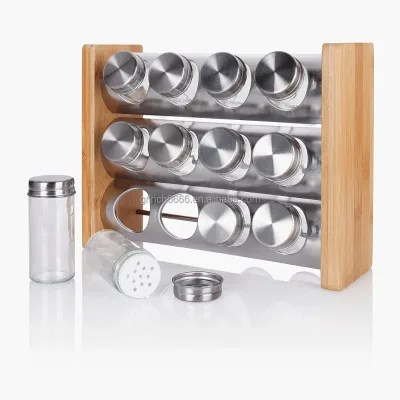
Natural Bamboo Wooden Spice Organizer Multi-Functional Countertop Seasoning Rack with 18 Spice Jars
$10.00 - $20.00
MOQ: 300 Pieces




Comprehensive Sourcing Guide
Strategic Sourcing Guide for Wooden Spice Rack Organizers with 24 Jars
Understanding Material Composition and Structural Variations
When sourcing a Wooden Spice Rack Organizer with 24 Jars, the primary distinction lies in the specific wood species and the structural integrity of the assembly. The available market data indicates a diverse range of materials, including solid wood, bamboo, and glass components often integrated into the design. Bamboo is frequently cited as a primary material due to its rapid renewability and resistance to moisture, making it suitable for kitchen environments where humidity fluctuates. However, solid wood options are also prevalent, offering a distinct aesthetic and weight profile. Buyers must verify the specific material composition for each unit, as the term "wooden" can encompass various timber types with differing durability characteristics.
The structural design of these organizers varies significantly in terms of dimensions and capacity. While the core keyword specifies a 24-jar configuration, observed product specifications reveal a wide spectrum of sizes, ranging from "Small" to "Large" dimensions. Some units are designed with a specific footprint, such as a standard size of 34x34x99cm, while others may be customized to fit specific counter spaces. The height of the unit is a critical factor for storage efficiency; observed standards list heights around 100mm for individual components, but the overall rack structure often exceeds this significantly to accommodate multiple layers. A two-layer configuration is a common design pattern, allowing for the efficient storage of a larger number of jars within a compact footprint.
The integration of jar materials is another critical technical consideration. While the rack itself is wooden, the jars contained within are often made of glass. This combination offers the aesthetic warmth of wood with the clarity and chemical inertness of glass, which is essential for preserving the potency of spices. The glass jars are typically transparent, allowing for easy identification of contents, though some variations may offer multicolor options. The interaction between the wooden rack and the glass jars must be engineered to prevent breakage during transport and use. The single package size for these units can be substantial, with observed dimensions around 22x15x13 cm for individual components, suggesting that the overall shipping volume for a 24-jar set will be significant.
Technical Specifications and Customization Capabilities
The technical specifications for wooden spice rack organizers are highly flexible, driven by the prevalence of customization options in the supply chain. Buyers should expect a high degree of adaptability regarding dimensions, finishing, and branding. The market data confirms that customization is available for almost every aspect of the product, including the logo, design, and specific dimensions. For instance, the standard size can be altered to meet specific requirements, with some units offering a "custom box or color sleeve" for packaging. This flexibility allows buyers to tailor the product to their brand identity or specific retail requirements.
Finishing processes play a crucial role in the longevity and aesthetic appeal of the wooden rack. Observed data highlights "Matt Lacquer" and "Black" as common finishing options. These finishes serve dual purposes: they enhance the visual appeal of the wood grain and provide a protective barrier against moisture, oils, and frequent handling. The choice of finish can also impact the tactile experience of the product, with matte finishes often preferred for a modern, non-slip feel. Additionally, the shape of the unit is generally described as "Common," implying a standard rectangular or square footprint, though custom shapes may be available upon request.
The capacity of the organizer is a defining technical feature. While the core keyword specifies 24 jars, the actual number of jars can vary based on the specific model and the size of the jars used. Some configurations may offer different numbers of layers, with a two-layer design being a standard offering. The storage capacity is often optimized for specific types of containers, such as herb and spice tools or pepper shakers. The single gross weight of these units is typically around 1.000 kg, which is a vital metric for logistics planning and shipping cost calculations. Buyers must ensure that the weight of the fully loaded rack, including the glass jars and their contents, is accounted for in their shipping strategy.
Compliance, Certification, and Safety Standards
Navigating the compliance landscape for wooden spice racks requires careful attention to material sourcing and safety standards. While specific certification statuses for every product cannot be universally asserted without direct verification, the market context suggests that FSC (Forest Stewardship Council) certification is a relevant consideration for buyers prioritizing sustainable sourcing. This certification ensures that the wood used in the manufacturing process comes from responsibly managed forests, which is increasingly important for B2B buyers targeting eco-conscious markets.
Safety standards for kitchenware and storage products are paramount. The materials used, particularly the wood and any finishes applied, must be food-safe and non-toxic. The presence of glass jars necessitates compliance with standards related to breakage resistance and chemical stability. Buyers should verify that the glass used is of a quality that resists thermal shock and does not leach harmful substances into the spices. The finishing process, such as the application of matt lacquer or black coatings, must also be free from volatile organic compounds (VOCs) that could contaminate food products.
The origin of the product is another critical compliance factor. The supplied data indicates that these products originate from specific regions in China, including Guangdong and Fujian. These regions are known for their manufacturing capabilities in wood and glass products. However, buyers must verify that the suppliers in these locations adhere to international safety and environmental regulations. The "Eco-Friendly" characteristic observed in the product attributes suggests a general market trend towards sustainable practices, but specific compliance documentation should be requested for each batch.
Cost Drivers and Pricing Dynamics
The pricing of wooden spice rack organizers with 24 jars is influenced by a complex interplay of material costs, customization levels, and order volume. The observed price range in the market is broad, spanning from $0.19 to $68 USD. This wide variance reflects the differences in material quality, design complexity, and the extent of customization. Lower-priced items typically represent basic models with standard finishes and minimal customization, while higher-priced items likely include premium woods, intricate designs, and extensive branding options.
The Minimum Order Quantity (MOQ) is a significant cost driver. The observed MOQ range spans from 1 to 3000 units, with a specific observation of 100 pieces as a common threshold. Buyers with smaller order volumes may face higher per-unit costs due to the fixed costs of setup and production. Conversely, larger orders can leverage economies of scale to reduce the unit price. The lead time, observed to be between 30 and 45 days, also impacts the overall cost structure. Longer lead times may require more advanced inventory planning and can affect the cash flow of the buyer.
Customization adds a layer of cost complexity. Options such as custom logos, specific dimensions, and unique finishes require additional setup time and resources. The sample time, typically ranging from 7 to 15 days, is another factor to consider. While this is a relatively short period, it adds to the overall timeline and may require additional costs for sample production and shipping. Buyers should factor in these variables when budgeting for their procurement projects.
Typical Applications and Market Usage
Wooden spice rack organizers with 24 jars serve a variety of applications, primarily centered around kitchen organization and culinary storage. The primary usage categories identified include tableware, decoration, and kitchenware. These units are designed to enhance the functionality of a kitchen by providing a dedicated space for storing a wide variety of spices, herbs, and seasonings. The 24-jar capacity allows for a comprehensive collection, enabling users to keep their ingredients organized and easily accessible.
In addition to functional storage, these organizers often serve a decorative purpose. The combination of natural wood and glass creates an aesthetic appeal that can complement various kitchen styles, from rustic to modern. The "Eco-Friendly" attribute of the products aligns with the growing trend of sustainable living, making them attractive to consumers who prioritize environmentally responsible products. The ability to customize the logo and design further enhances their utility as promotional items or branded merchandise for retail chains.
The versatility of these units extends beyond the home kitchen. They are also suitable for commercial applications, such as restaurants, cafes, and specialty food stores. In these settings, the organized storage of spices can improve operational efficiency and ensure consistent flavor profiles. The durability of the wooden construction and the clarity of the glass jars make them ideal for high-traffic environments where frequent access and visibility are required.
Supplier Evaluation and Quality Control Protocols
Evaluating suppliers for wooden spice rack organizers requires a rigorous approach to quality control and reliability assessment. Buyers should prioritize suppliers who demonstrate a clear understanding of the technical specifications and customization requirements. The availability of customization options, including OEM and ODM services, indicates a supplier's capability to adapt to specific buyer needs. However, the extent of these capabilities should be verified through direct communication and review of past performance.
Quality control protocols are essential to ensure that the final product meets the desired standards. Buyers should request detailed information on the manufacturing process, including the sourcing of raw materials, the finishing techniques used, and the testing procedures employed. The observation of "Eco-Friendly" and "Stocked" attributes suggests that some suppliers may maintain inventory of standard models, which can be beneficial for urgent orders. However, for customized orders, the lead time of 30-45 days must be factored into the production schedule.
The packaging method is another critical aspect of quality control. The observed packing options, such as "1PCS/Color Box" and "8PCS/Carton," indicate that the products are designed for safe transport. Buyers should verify that the packaging is robust enough to protect the glass jars and wooden components from damage during shipping. The use of individual bubble bags and bulk packing into cartons is a common practice, but the specific requirements of the buyer should be communicated clearly to the supplier.
Long-Term Procurement Considerations and Strategic Planning
Long-term procurement of wooden spice rack organizers involves strategic planning to ensure consistency, cost-effectiveness, and supply chain resilience. The variability in lead times and MOQs requires buyers to develop flexible sourcing strategies that can adapt to changing market conditions. Building strong relationships with suppliers who offer reliable customization and quality control is essential for maintaining a steady supply of these products.
Sustainability is a key long-term consideration. As the market increasingly values eco-friendly products, buyers should prioritize suppliers who can demonstrate compliance with environmental standards and sustainable sourcing practices. The potential for FSC certification and the general "Eco-Friendly" attribute of the products suggest that this is a growing trend. Buyers should incorporate sustainability criteria into their supplier evaluation process to ensure alignment with their corporate social responsibility goals.
Finally, the scalability of the procurement process is crucial. As demand grows, buyers must ensure that their suppliers can handle increased order volumes without compromising quality or lead times. The observed range of MOQs and lead times indicates that the market can accommodate both small and large orders, but careful planning is necessary to optimize the supply chain. By focusing on technical specifications, compliance, and supplier reliability, buyers can secure a long-term partnership that supports their business objectives.
FAQs
What materials are used for wooden spice rack organizers with 24 jars?
These organizers are typically constructed from wood, bamboo, or glass components. The product facts confirm materials include wood, bamboo, and glass, with some units featuring transparent glass jars and natural wood finishes.
Can buyers request customized logos on these spice rack organizers?
Yes, customized logos are available for these products. The supply data indicates that logo customization is offered, allowing buyers to brand the Wooden Spice Rack Organizer with 24 Jars according to their specific requirements.
What is the typical lead time for ordering these spice rack organizers?
The standard lead time ranges from 30 to 45 days for production. This duration applies to most orders, though sample times are shorter, typically taking between 7 and 15 days to prepare.
Which customization options are available for the product dimensions?
Buyers can request custom dimensions and designs for the spice rack. The product specifications show that sizes vary from small to large, and the standard size can be customized to fit specific counter spaces.
How are these wooden spice rack organizers packaged for shipping?
Packaging options include individual color boxes or bulk cartons with protective materials. The facts list packing methods such as 1 piece per color box, 8 pieces per carton, and individual bubble bags for safety.
What is the minimum order quantity for these spice rack organizers?
The minimum order quantity varies, with some suppliers requiring 100 pieces. The observed MOQ range spans from 1 to 3000 units, allowing flexibility for both small and large procurement needs.
Where are these wooden spice rack organizers manufactured?
These products originate from manufacturing regions in China, specifically Guangdong and Fujian. The supply data confirms the place of origin as China, with specific provinces noted for wood and glass production.