Source Tungsten Carbide Tobacco Knife for Paper, Metal, and Leather
Find and compare 30 Tungsten Carbide Tobacco Knife options from Chinese manufacturers. Evaluate specifications like HRC80-90 hardness, 0.003mm precision, and OEM customization for industrial slitting and cutting applications.
Key considerations
Products List


Tungsten Carbide Circular Slitting Knife for Tobacco Cigarette Filter Cutting
$3.00 - $200.00
MOQ: 10 Pieces


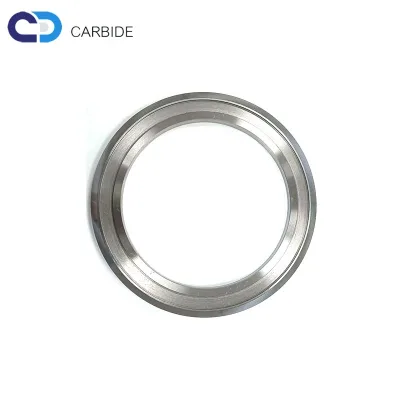


Round Blades Tungsten Carbide Cutting Knife for Cigarette Making Machine
$1.00 - $100.00
MOQ: 1 Pieces


Tungsten Carbide Circular Knife Cutting Blade for Cigar Slitting Machine
$1.00 - $100.00
MOQ: 1 Pieces


Comprehensive Sourcing Guide
Tungsten Carbide Tobacco Knife Sourcing Guide
Sourcing high-performance cutting tools for the tobacco industry requires a precise understanding of material science, geometric tolerances, and industrial application requirements. Tungsten carbide knives are the industry standard for slitting and cutting operations due to their exceptional hardness, wear resistance, and ability to maintain a sharp edge under high-speed conditions. This guide provides evidence-based procurement advice for buyers seeking reliable suppliers of these specialized industrial components, focusing on verified specifications, compliance standards, and long-term operational efficiency.
The procurement process for these knives involves navigating a market with diverse supplier capabilities, ranging from standard off-the-shelf items to fully customized OEM solutions. Buyers must distinguish between generic cutting blades and those specifically engineered for the unique demands of tobacco fiber processing. Understanding the interplay between material grade, coating options, and geometric configuration is essential for selecting the right tool that minimizes downtime and ensures consistent product quality in high-volume manufacturing environments.
Product Scope and Observed Listing Signals
The current market for tungsten carbide tobacco knives presents a wide range of product variations, with observed pricing structures spanning from $1 to $1,800 USD. This significant variance reflects differences in material quality, manufacturing complexity, and customization levels. Minimum Order Quantities (MOQs) are generally flexible, ranging from single units to twenty pieces, allowing buyers to test samples or order small batches for initial production runs without committing to large inventory volumes. This flexibility is particularly useful for evaluating knife performance before scaling up procurement.
Product listings frequently highlight specific material compositions, including Cemented Carbide, Solid Carbide, and various steel grades such as D2, SKD11, HSS, and H13. While tungsten carbide is the preferred material for high-wear applications, some suppliers offer alternative materials for less demanding tasks. Buyers should carefully verify the actual material grade, such as Yg10X, which is commonly cited for its balance of hardness and toughness. Additionally, surface finishes vary from bright uncoated states to mirror-polished or specially coated surfaces, each offering different benefits regarding friction reduction and corrosion resistance.
Technical Specifications to Verify
Precision is a critical factor in tobacco knife procurement, with many suppliers advertising a precision tolerance of 0.003mm and thickness tolerances as tight as ±0.002mm. These tight tolerances are essential for ensuring uniform cut quality and preventing material waste in high-speed slitting operations. Buyers must verify that the supplier can consistently maintain these tolerances across production batches, as even minor deviations can lead to product defects or machine jams. The parallelism of the blade is another key specification, with some listings citing a parallelism of 0.002mm, which ensures stable cutting performance and reduces vibration.
The hardness of the cutting edge is typically rated between HRC80-90, indicating the superior wear resistance of cemented carbide materials. This high hardness allows the knife to maintain its sharpness for extended periods, reducing the frequency of sharpening or replacement. Buyers should also consider the configuration of the blade, with options including single, double, and flat bevel designs. The choice of configuration depends on the specific cutting requirements of the tobacco processing machinery, and suppliers often offer customized sizes to match existing equipment specifications.
Compliance and Safety Documentation
Compliance with international standards is a fundamental requirement for industrial cutting tools, particularly those used in food-adjacent industries like tobacco processing. Many suppliers provide certifications such as ISO9001, CE, and RoHS, which indicate adherence to quality management systems and environmental safety standards. Buyers should request valid certification documents to verify that the supplier’s manufacturing processes meet these recognized benchmarks. The presence of these certifications suggests a level of organizational maturity and commitment to consistent product quality.
In addition to certifications, buyers should inquire about the specific standards applied to the knives, such as standard industrial knife specifications or custom standards based on client requirements. Some suppliers offer knives that meet specific dimensional standards, such as 124× 25.8× 1.1mm, while others provide fully customized dimensions. It is crucial to ensure that the knives comply with any relevant safety regulations regarding material composition, particularly if there are concerns about heavy metal leaching or other safety issues. Verifying that the material is indeed cemented carbide and not a lower-grade substitute is also a key compliance check.
Cost Drivers and Commercial Terms
The cost of tungsten carbide tobacco knives is influenced by several factors, including the raw material price, manufacturing complexity, and surface treatment processes. Special coatings, such as those applied to reduce friction or enhance wear resistance, can significantly increase the unit price. Buyers should understand the cost breakdown to negotiate effectively and avoid overpaying for unnecessary features. The availability of customization options, such as OEM, ODM, and OBM services, also impacts pricing, as bespoke solutions require additional engineering and production time.
Commercial terms, including delivery times and warranty provisions, are important considerations for total cost of ownership. Most suppliers offer a one-year warranty, which provides some assurance of product durability and performance. Delivery is often described as punctual, but buyers should confirm specific lead times for both standard and customized orders. Packaging is typically done in wooden cases or boxes to protect the knives during transit, which is essential given their fragile nature. Understanding these commercial terms helps buyers plan their inventory and production schedules more effectively.
Supplier Qualification and Quality Control
Supplier qualification is a critical step in the procurement process, requiring buyers to assess the manufacturer’s technical capabilities and quality control systems. Suppliers located in regions such as Anhui and Hunan in China are common sources for these products, but buyers should verify the specific factory’s reputation and production capacity. The availability of samples is a positive indicator, allowing buyers to test the knives in their own equipment before committing to a larger order. Buyers should request samples to evaluate sharpness, incision quality, and overall performance.
Quality control measures should include rigorous testing of hardness, precision, and surface finish. Buyers should inquire about the supplier’s internal quality assurance processes, including how they handle defects and ensure consistency across batches. The condition of the product should be new, and the classification as an industrial machine knife indicates its intended use in heavy-duty applications. Suppliers that offer customized support and have a track record of serving the tobacco industry are likely to have a better understanding of the specific requirements and challenges associated with tobacco knife procurement.
Long-Term Procurement Checks
Long-term procurement success depends on establishing a reliable supply chain that can meet evolving production needs. Buyers should monitor supplier performance over time, tracking metrics such as delivery punctuality, product consistency, and after-sales support. The ability of the supplier to provide ongoing technical support and quick resolution of issues is crucial for minimizing production downtime. Regular audits of the supplier’s quality management system can help ensure that standards are maintained and improved over time.
As technology and production requirements evolve, buyers should remain open to new product innovations and improvements from their suppliers. This may include advancements in coating technologies, material grades, or geometric designs that offer better performance or cost efficiency. Maintaining a relationship with multiple qualified suppliers can also provide flexibility and mitigate supply chain risks. By focusing on long-term partnerships and continuous improvement, buyers can ensure a steady supply of high-quality tungsten carbide tobacco knives that support their operational goals.
FAQs
What materials are used for tungsten carbide tobacco knives?
These knives are primarily made from cemented carbide, solid carbide, or tungsten carbide. Some variants also utilize D2, SKD11, or HSS materials. The specific grade often includes Yg10X for optimal performance in industrial cutting applications.
Can I request custom sizes for these cutting blades?
Yes, customization is available for standard and custom sizes. Buyers can specify dimensions such as 124 by 25.8 by 1.1 mm or request other measurements. The product supports OEM, ODM, and OBM services to meet unique production needs.
What certifications do these industrial machine knives hold?
Products typically carry ISO9001, CE, and RoHS certifications. These standards ensure quality management and compliance with safety regulations. The certification status may vary by coating type, with some items listed as uncoated or featuring special coatings.
How precise are the thickness tolerances for these blades?
The thickness tolerance is generally maintained at plus or minus 0.002 mm. Parallelism is also controlled within 0.002 mm to ensure smooth cutting without burrs. This high precision supports applications in the tobacco and cigarette fiber industries.
Which industries can utilize these tungsten carbide cutting tools?
These tools are applied in the tobacco, paper, metal, pipe, leather, and cloth industries. They are specifically designed for slitting and cutting functions in industrial machines. The sharpness ranges from 18n to 30n for efficient material processing.
What is the hardness rating of these cutting blades?
The hardness rating is typically between HRC 80 and 90. This high hardness ensures durability and long service life during heavy-duty cutting operations. The blades are supplied in new condition with a one-year warranty.
How are these products packaged for shipment?
Items are packed in wooden cases or wooden boxes to ensure safe transport. This packaging protects the precision-ground edges during international shipping. The standard packing method is designed to prevent damage while maintaining product integrity.