Source Tuning Fork Level Switch for Food, Chemical, and Water
Find and compare 30 Tuning Fork Level Switch options from Chinese manufacturers. Evaluate specifications like SS304 construction, AC/DC power supply, and split-type structures for industrial liquid and powder monitoring applications.
Key considerations
Products List


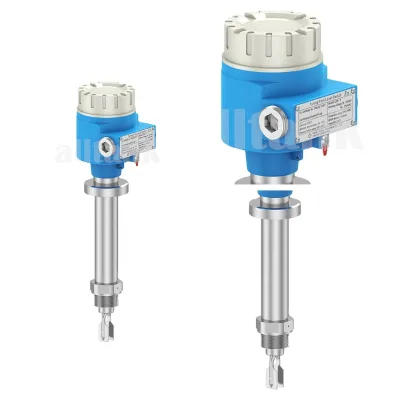
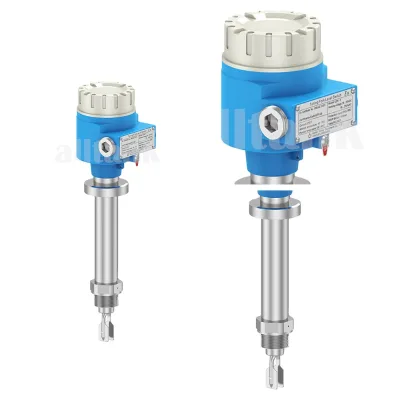
Tuning Fork Liquid Level Switch Vibronic Point Level Switch by Factory Outlet
$429.53 - $605.02
MOQ: 10 pieces


Comprehensive Sourcing Guide
Tuning Fork Level Switch Sourcing Guide
Selecting the right Tuning Fork Level Switch requires a careful balance between technical precision and commercial viability. These devices operate on the principle of a vibrating sensor, where a fork-shaped probe oscillates at a resonant frequency. When material contacts the fork, the frequency shifts, triggering a signal output. This mechanism makes them ideal for detecting both liquids and powders, offering a contactless or semi-contactless solution that minimizes wear and tear compared to mechanical float switches. Buyers must understand that while the core principle is consistent, the physical implementation varies significantly based on process conditions, material properties, and environmental demands.
The procurement landscape for these sensors is diverse, with manufacturers offering a wide array of configurations to suit specific industrial needs. Observed listings indicate a broad price range, reflecting differences in material quality, output types, and customization options. Some suppliers provide standard models with fixed specifications, while others offer extensive customization for process temperature, pressure, and mounting requirements. Understanding these variables is crucial for aligning product selection with operational goals, ensuring that the chosen switch can withstand the rigors of continuous use without frequent maintenance or failure.
Product Scope and Observed Listing Signals
The market for tuning fork level switches includes various models designed for different mounting and connection needs. Common connection types include thread, flange, and tri-clamp options, allowing for flexibility in installation across different tank and pipe configurations. Some models feature a split-type structure, which can simplify maintenance and replacement processes. Buyers should pay close attention to the mounting type, such as G1 or 1/2 NPT threads, to ensure compatibility with existing infrastructure. The ability to customize the insertion depth, such as extending it to 100mm or more, is another critical factor for applications requiring deep tank monitoring.
Output configurations vary widely, with options including SPDT, PNP, NPN, and relay outputs. This diversity allows for integration with various control systems, from simple indicator lights to complex PLCs. Some models offer dual outputs, providing redundancy or separate signaling for different alarm levels. The power supply requirements also differ, with common options being AC220V or DC24V. Buyers must verify the electrical compatibility of the switch with their facility’s power distribution system to avoid the need for additional converters or adapters, which can add cost and potential points of failure.
Technical Specifications to Verify
Process temperature and pressure are among the most critical technical specifications to verify before procurement. The operating environment can range from -40°C to 250°C, with some models offering high-temperature variants up to 220°C. Pressure ratings also vary, with some switches designed to withstand pressures up to 68 bar. Buyers must ensure that the selected switch can handle the maximum process conditions without degradation in performance or structural integrity. Verifying these limits is essential to prevent premature failure, especially in harsh industrial environments where thermal cycling and pressure fluctuations are common.
Measurement accuracy and range are also key technical parameters. While some models boast an accuracy of 0.1%, others may have a measurement accuracy of ±3mm, depending on the application. The measuring range can extend from 0-3m to 40-15000mm, catering to both small containers and large storage tanks. Buyers should match the range to their specific tank dimensions to avoid blind spots or unnecessary oversizing. Additionally, the material of the fork body, often SS304 stainless steel, should be selected based on the chemical compatibility with the process medium to prevent corrosion and contamination.
Compliance and Safety Documentation
Certification and safety standards are non-negotiable aspects of industrial procurement. Many tuning fork level switches come with CE certification, indicating compliance with European health, safety, and environmental protection standards. Buyers should request valid certification documents to verify that the product meets the required regulatory frameworks for their region. In addition to CE, other certifications such as RoHS may be relevant for environmental compliance, ensuring that the product does not contain hazardous substances. These certifications provide assurance that the manufacturer adheres to rigorous quality and safety protocols.
Explosion-proof ratings are crucial for applications in hazardous environments, such as those involving flammable gases or dust. Some models are designed as explosion-proof limit switches, offering an additional layer of safety for sensitive industrial processes. Buyers must verify the specific explosion-proof classification required for their facility and ensure that the selected switch meets or exceeds these requirements. Documentation such as ATEX or IECEx certificates may be necessary to demonstrate compliance in these high-risk areas, protecting both personnel and equipment from potential ignition sources.
Cost Drivers and Commercial Terms
The cost of tuning fork level switches is influenced by several factors, including material quality, customization options, and output configurations. Standard models with basic features are generally more affordable, while those with high-temperature resistance, specialized materials, or custom outputs command higher prices. The observed price range of $69 to $877.15 reflects this variability, with buyers needing to balance cost against performance requirements. It is important to consider the total cost of ownership, including installation, maintenance, and potential downtime, rather than just the initial purchase price.
Minimum order quantities (MOQ) and lead times are also significant commercial terms. MOQs typically range from 1 to 10 units, offering flexibility for both small-scale projects and larger procurement contracts. Buyers should negotiate lead times to ensure timely delivery, especially for critical projects with tight schedules. Packaging options, such as carton or custom packaging, can also impact logistics costs and product protection during transit. Understanding these commercial terms helps in planning budgets and supply chain logistics effectively, avoiding unexpected costs or delays.
Supplier Qualification and Quality Control
Supplier qualification is a critical step in ensuring the reliability of the procurement process. Buyers should assess the manufacturer’s production capabilities, quality control systems, and track record in the industry. Factories located in regions like Yantai, Chengdu, and Anhui may have different specializations and quality standards. Verifying the supplier’s ability to provide consistent quality and after-sales support is essential. Requesting samples for testing before placing bulk orders can help validate the product’s performance and reliability in real-world conditions.
Quality control measures should include rigorous testing of the switches under simulated process conditions. Buyers should inquire about the testing procedures used by the manufacturer, including checks for accuracy, durability, and environmental resistance. Warranty terms, such as a 1-year warranty, provide additional assurance of product quality and manufacturer confidence. Establishing a clear communication channel with the supplier for technical support and issue resolution is also important for long-term procurement success. A qualified supplier will be transparent about their processes and willing to collaborate on solving any technical challenges.
Long-Term Procurement Checks
Long-term procurement success depends on regular performance monitoring and maintenance planning. Buyers should establish a schedule for inspecting the tuning fork level switches to ensure they continue to operate within specified parameters. This includes checking for signs of wear, corrosion, or calibration drift. Regular maintenance can extend the lifespan of the switches and prevent unexpected failures that could disrupt operations. Keeping a record of performance data and maintenance activities helps in identifying trends and planning for future replacements or upgrades.
Supplier relationship management is also vital for long-term procurement. Building a strong partnership with the supplier can lead to better pricing, priority support, and access to new product developments. Regular feedback on product performance and any issues encountered can help the supplier improve their offerings. Additionally, staying informed about industry trends and technological advancements can help buyers make informed decisions about future procurement needs. A proactive approach to supplier management ensures a stable and reliable supply chain, supporting the overall efficiency and safety of industrial operations.
FAQs
What is the measurement accuracy of the Tuning Fork Level Switch?
The Tuning Fork Level Switch offers a measurement accuracy of 0.1% and a measuring range of 40 to 15000mm. It features a split type structure and is designed as a vibration sensor. The device supports a measuring accuracy of ±3mm for level detection. This precision ensures reliable operation in industrial applications requiring exact level monitoring.
Can the Tuning Fork Level Switch be customized for specific needs?
Yes, customization is available for the Tuning Fork Level Switch. The insertion depth can be customized for extension, with a standard depth of 100mm. The product packing can be arranged as a carton or according to your requirements. This flexibility allows the device to adapt to various installation constraints and operational environments effectively.
What power supply options are supported by the Tuning Fork Level Switch?
The Tuning Fork Level Switch supports AC220V/DC24V power supply options. It also accepts 24 V DC or 220V AC at 50Hz. The signal output includes relay output, transistor output, SPDP, PNP, or NPN configurations. These versatile power and output options ensure compatibility with diverse control systems and industrial power standards.
What is the process temperature range for the Tuning Fork Level Switch?
The process temperature range for the Tuning Fork Level Switch is -40 to 250℃. The environment temperature range is -40 to 80℃. Standard process temperature is -50 to 100℃, with high-temperature options reaching -50 to 220℃. This wide range allows the device to function reliably in extreme thermal conditions across various industrial processes.
What connection types are available for the Tuning Fork Level Switch?
The Tuning Fork Level Switch offers connection types including thread, flange, and tri-clamp. Specific connections include 1 NPT Thread or Flange, with mounting types like G1 or 1/2NPT. Process connections start from G1/2, 1/2NPT, or flange. These options provide flexible installation methods to suit different tank and pipe configurations in industrial settings.
What certifications does the Tuning Fork Level Switch hold?
The Tuning Fork Level Switch holds CE certification. This certification indicates compliance with European health, safety, and environmental protection standards. The device is manufactured with a warranty of 1 year. The CE mark ensures that the product meets necessary regulatory requirements for use in industrial environments within relevant markets.
What is the warranty period for the Tuning Fork Level Switch?
The Tuning Fork Level Switch comes with a warranty of 1 year. This warranty covers manufacturing defects and ensures product reliability. The device is produced with high-quality materials such as SS304 stainless steel for the fork body. The warranty provides assurance of performance and support for industrial users relying on consistent level detection.