Source Type 2 Home EV Charger with RFID Card for Homes, Apartments, and Offices
Compare 30 available Type 2 Home EV Charger with RFID Card options featuring wall-mounted or floor-type installations. Buyers can review specifications like 7kW output, IP54 protection, and various start modes including APP control and remote operation.
Key considerations
Products List


Portable EV Charger 16A 7kw Type2 for Byd Home EV Charge Point Smart Card
$55.00 - $57.00
MOQ: 50 Pieces


What Is The Best Home Electric Vehicle Charger with APP Control and RFID Access?
$129.00 - $139.00
MOQ: 50 Pieces


New Energy Electric Vehicle Type2 Portable Home Charging Car EV Charger
$131.00 - $163.00
MOQ: 20 Pieces



Comprehensive Sourcing Guide
Strategic Sourcing Guide for Type 2 Home EV Chargers with RFID Card Integration
Selecting the right electric vehicle (EV) charging infrastructure requires a disciplined approach that balances technical compatibility, regulatory compliance, and operational reliability. For buyers specifically targeting a Type 2 home EV charger equipped with RFID card integration, the procurement process must navigate a complex landscape of connector standards, power delivery specifications, and security protocols. This guide provides a structured framework for evaluating potential suppliers and products, ensuring that the final acquisition meets the specific needs of private residential use while adhering to international safety and performance benchmarks.
Technical Specifications and Connector Standards
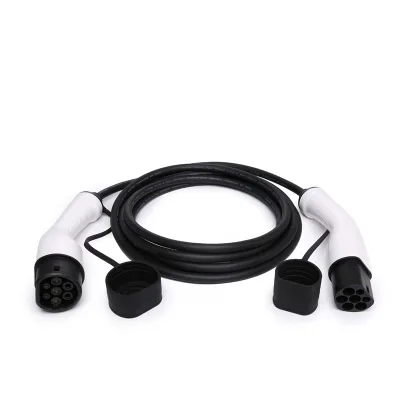
The foundation of a successful EV charger procurement lies in verifying the physical and electrical specifications against the vehicle's requirements. The core keyword "Type 2" refers to the IEC 62196 standard for the connector interface, which is the predominant standard for AC charging in Europe and increasingly adopted globally. When sourcing a home unit, buyers must confirm that the charger supports the Type 2 plug, as this ensures compatibility with the vast majority of modern electric vehicles in the target market. However, the supply chain often presents variations where the same unit may support multiple plug types, including Type 1, GB/T, or T-Esla, depending on the specific model configuration.
Power output is another critical technical parameter. Residential chargers typically operate at 7kW, which is sufficient for overnight charging of most passenger vehicles. The input voltage for these units is generally 220V, though some configurations may support a broader range of 110V to 230V ±10%. It is essential to verify the rated current, which can vary significantly between models. Observed specifications include options for 32A single-phase, or configurations supporting 16A or 32A across three phases. Buyers should also check for adjustable current settings, which allow for flexibility in managing electrical load within a home, with some units offering steps such as 8A, 10A, 13A, 16A, and 32A.
The charging interface standard is not merely a physical fit but a communication protocol. The charger must adhere to the IEC 62196 standard for the Type 2 connector, but it may also need to align with other regional standards like GB/T 18487 or SAE J1772 if the unit is marketed as multi-standard. The physical dimensions of the unit, often cited in specifications like 380220100mm or 36x24x9, dictate the installation footprint. Additionally, the cable length is a practical consideration, with standard offerings ranging from 5 meters to OEM-specific lengths, ensuring the cable can reach the vehicle's charging port comfortably from the wall-mounted or floor-mounted position.
Compliance, Certification, and Safety Ratings
Safety and regulatory compliance are non-negotiable in the EV charging sector. A Type 2 home charger must demonstrate adherence to rigorous international standards to ensure the safety of the user, the vehicle, and the property. The primary certification to look for includes ISO and CE marks, which indicate that the product meets European health, safety, and environmental protection standards. While specific certification documents must be verified with the supplier, the presence of these marks is a baseline requirement for market entry in many regions.
The ingress protection (IP) rating is a vital metric for outdoor or semi-outdoor installations. Residential chargers often carry an IP54 rating, which protects against dust and water splashes from any direction. However, for more demanding environments, higher ratings such as IP65 are available, offering complete protection against dust and low-pressure water jets. The mechanical impact resistance, measured by the IK level, is equally important. An IK10 rating indicates the enclosure can withstand high-energy impacts, ensuring durability against accidental bumps or debris.
Electrical safety features are paramount. The charger should incorporate a Residual Current Device (RCD) of Type a+6mA DC. This specific type of RCD is designed to detect both alternating current and residual direct current faults, which is crucial for the safety of EV charging systems where DC components can be present in the fault current. The enclosure material, often a combination of PC+ASA or TPU/TPE for cables, must be robust enough to withstand UV exposure and temperature fluctuations. Buyers should verify that the product standard aligns with EN18031, which covers the general requirements for EV charging stations, although specific compliance claims should always be validated against the supplier's documentation.
Cost Drivers and Procurement Economics
Understanding the cost structure of Type 2 EV chargers is essential for budgeting and comparing supplier quotes. The price range for these units can vary significantly, typically observed between $50 and $750 USD, depending on the feature set, build quality, and brand positioning. Several factors drive these costs. First, the complexity of the control system, particularly the integration of RFID card readers and remote management capabilities, adds to the manufacturing expense. Second, the output power and current rating influence the cost of internal components like contactors, transformers, and cooling systems.
The Minimum Order Quantity (MOQ) is another economic factor that affects procurement strategy. Suppliers may offer MOQs ranging from 1 unit for single-item purchases to 100 units for bulk commercial orders. For a private homeowner or a small fleet operator, an MOQ of 1 is ideal, whereas larger organizations may negotiate better unit pricing by ordering in batches. The packaging method also impacts logistics costs; units may be shipped in wooden cases for heavy-duty protection or airplane boxes for lighter, more compact units.
Lead times and customization options further influence the total cost of ownership. While standard models are readily available, customizations such as specific branding, cable lengths, or unique color options (e.g., black enclosures) may incur additional fees or extend the lead time. Buyers should also consider the "Selling Units" structure; some suppliers sell single items, while others may require bulk purchases. It is advisable to request a detailed breakdown of costs, including shipping, duties, and any potential tariffs, to avoid hidden expenses that could inflate the initial budget.
Typical Applications and Installation Scenarios
The intended application of the charger dictates the installation method and functional requirements. For private use, which is the primary use case for home chargers, the unit is typically wall-mounted to save floor space and provide a clean aesthetic. The installation location must be accessible and secure, often in a garage or a dedicated parking area. The charger should support a "One Pile with One Charge" configuration for single-vehicle households, though some models offer "One Pile with Multiple Charges" capabilities for larger families or shared driveways.
Start modes are a critical functional aspect for home users. The ability to initiate charging via an RFID card is a standard feature, providing a secure and convenient way to authorize usage. Additional start modes such as remote control, app control, and "Plug and Charge" functionality enhance user experience by allowing for remote monitoring and scheduling. For users with specific energy management needs, features like "Delay Charging Time" (0~12 hours) allow the charger to start during off-peak electricity hours, reducing operational costs.
While the primary focus is private use, some models are designed for public use or mixed environments. These units may require higher durability and different interface standards. The phase electricity type is another consideration; while single-phase is common for residential 7kW chargers, three-phase options (32A *3) are available for faster charging or higher power demands. Buyers must ensure the selected model matches the electrical infrastructure of the installation site, verifying whether the site supports single-phase or three-phase power.
Supplier Evaluation and Quality Assurance
Evaluating suppliers requires a rigorous assessment of their technical capabilities and quality control processes. Buyers should verify the origin of the products, with many manufacturers based in regions like Fujian, China, known for their electronics manufacturing expertise. However, origin alone is not a guarantee of quality. Suppliers must provide clear documentation regarding their production standards, including adherence to ISO and CE certifications.
Quality control should be a central part of the supplier evaluation. Buyers should inquire about the testing procedures for the charger's electrical components, particularly the RCD and current adjustment mechanisms. The durability of the enclosure material, such as PC+ASA, and the cable outer skin material, like TPU/TPE, should be verified for resistance to environmental factors. It is also important to check the "prod_packing" specifications to ensure the product is protected during transit, with options ranging from wooden cases to air-filled boxes.
When assessing suppliers, look for transparency in their product specifications. The model numbers, such as ZSY-AC-E, CXE-A07C, or Zd01, should be clearly defined, along with their corresponding technical parameters. Suppliers who provide detailed datasheets, including interface standards, voltage ratings, and current limits, are more likely to deliver reliable products. Additionally, the availability of after-sales support and warranty terms should be considered, as these factors contribute to the long-term reliability of the charging infrastructure.
Long-Term Procurement and Operational Considerations
Procuring a Type 2 home EV charger is not just a one-time transaction but an investment in long-term mobility infrastructure. Buyers should consider the scalability and future-proofing of the selected unit. As EV technology evolves, the ability of the charger to support new standards or higher power levels becomes increasingly important. Features like app control and remote management offer a pathway for future software updates and integration with smart home systems.
The maintenance requirements of the charger should also be evaluated. Units with robust IP ratings and IK levels require less frequent maintenance, reducing the total cost of ownership. The adjustability of the current allows for optimization based on changing household energy needs, ensuring the charger remains efficient over time. Furthermore, the availability of spare parts and the supplier's reputation for support are critical for long-term operational continuity.
In conclusion, sourcing a Type 2 Home EV Charger with RFID Card integration requires a comprehensive understanding of technical specifications, compliance standards, and supplier capabilities. By carefully evaluating the connector type, power output, safety ratings, and installation requirements, buyers can make informed decisions that ensure a reliable and efficient charging solution for their specific needs. The disciplined approach outlined in this guide provides a roadmap for navigating the complexities of the EV charging market, ensuring that the final selection meets both immediate and long-term objectives.
FAQs
What start modes are available for this charger?
The charger supports RFID card, remote control, book charging, and APP control start modes. Some models also include plug and charge functionality to ensure convenient and secure access for private or public use scenarios.
Which connector standards does the unit support?
The device is compatible with Type 2, Type 1, GB/T, and T-Elsa plug types. It adheres to international standards including IEC 62196, GB/T 18487, SAE J1772, and NACS for broad vehicle compatibility.
Can the current be adjusted for different loads?
Yes, the rated current is adjustable between 8, 10, 13, 16, and 32 Amperes. This flexibility allows users to optimize charging speeds based on their specific electrical infrastructure and household power capacity requirements.
What is the output power capacity of the charger?
The standard output power is 7 kilowatts for efficient residential charging. Some configurations support three-phase power with rated currents of 32A or 16A multiplied by three phases for higher demand applications.
How is the unit protected against environmental factors?
The enclosure features an IP54 or IP65 rating to resist dust and water splashes. It also has an IK10 impact resistance level and is constructed from durable PC+ASA materials to withstand outdoor conditions.
What certifications does the product hold?
The charger carries ISO and CE certifications to ensure compliance with safety standards. These marks indicate adherence to European health, safety, and environmental protection requirements for reliable operation in various markets.
Is customization available for this charging unit?
Customization is available to meet specific buyer requirements. Options may include different cable lengths, branding, or color variations like black enclosures to suit distinct installation aesthetics and operational needs.