Source U-Shaped Camping Tent Pegs for Hiking, Events, and RVs
Compare 30 listings of U-Shaped Camping Tent Pegs from verified Chinese manufacturers. Buyers can evaluate galvanized steel and stainless steel options with customizable lengths and diameters ranging from 3mm to 8mm for various outdoor needs.
Key considerations
Products List
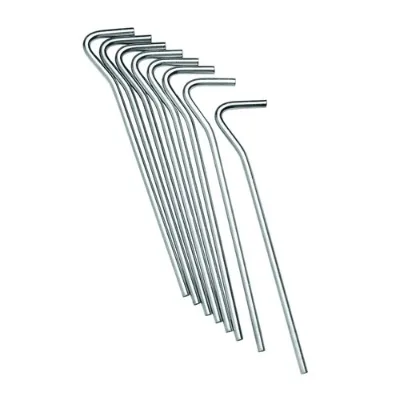


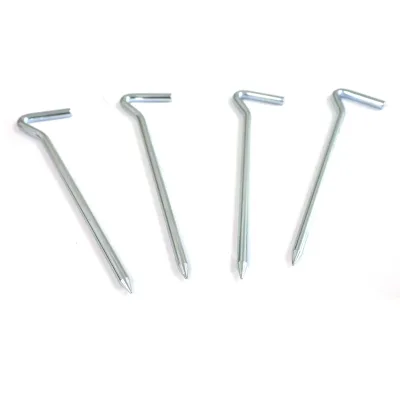

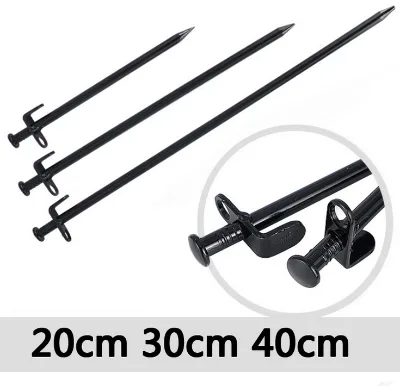
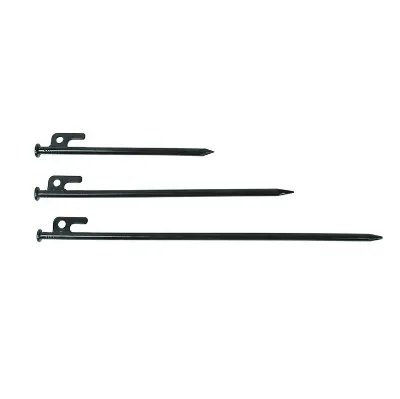
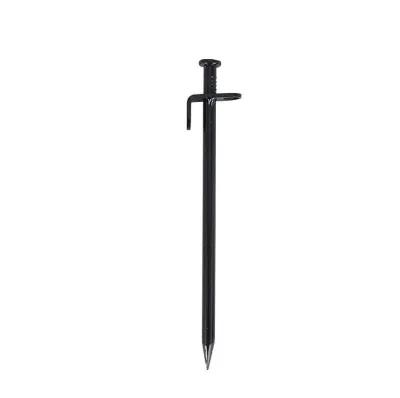
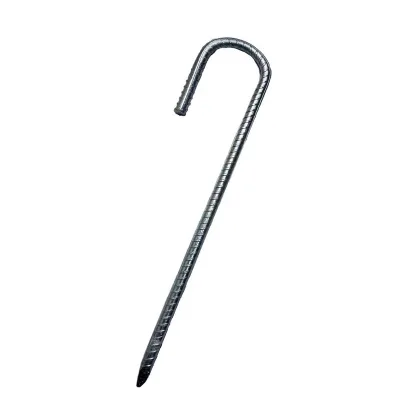
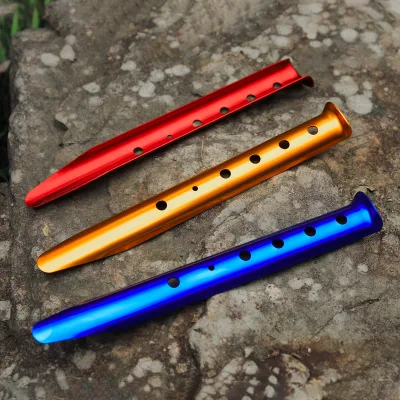
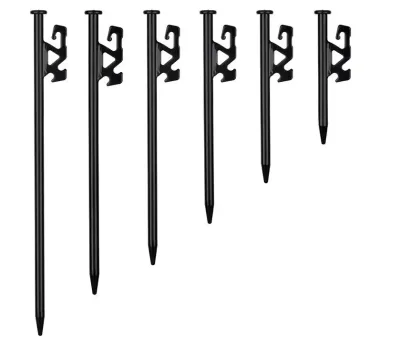

Heavy Duty Tri-Beam Aluminum Tent Stakes Pegs for Backpacking Camping Tents
$0.12 - $0.15
MOQ: 100 Pieces

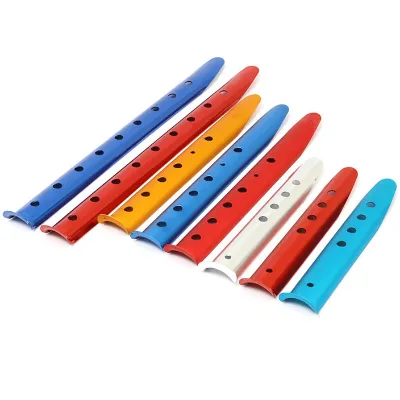
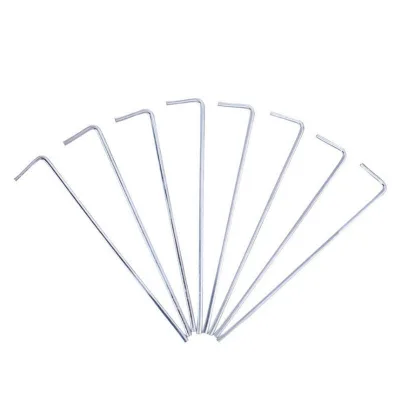
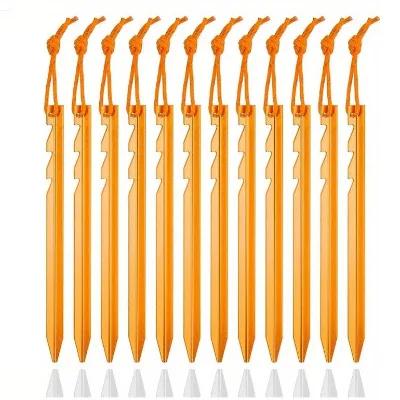
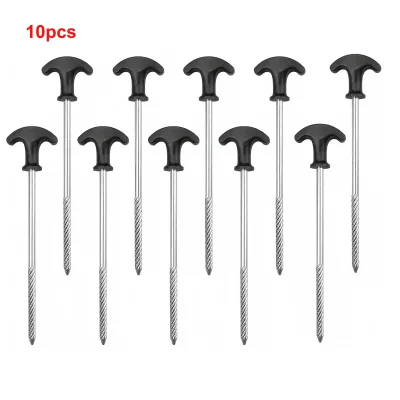


Comprehensive Sourcing Guide
Strategic Sourcing Guide for U-Shaped Camping Tent Pegs
Understanding Technical Specifications and Material Composition
When sourcing U-shaped camping tent pegs, often categorized as tent stakes or tent pegs, the primary objective is to align product specifications with the intended environmental conditions. The core product category encompasses U-Type Wire configurations, which are distinct from straight or spiral stakes due to their specific load-bearing geometry. The physical dimensions of these stakes vary significantly based on the manufacturer's model number and intended use case. Observed specifications indicate a diameter range typically falling between 3mm and 8mm, providing a baseline for structural integrity. The length of the product is equally critical, with available ranges spanning from 5cm to 300cm, though standard camping applications often utilize lengths between 10cm and 30cm.
Material selection is the second pillar of technical evaluation. The supply chain predominantly offers two primary material options: Galvanized steel wire or Stainless Steel (SS) wire. The choice between these materials dictates the product's lifespan and resistance to corrosion. Galvanized steel is often treated with a surface layer of zinc to prevent rust, a process explicitly noted in supplier data as "Galvanized." This treatment is essential for outdoor gear exposed to moisture. In contrast, stainless steel offers inherent corrosion resistance without the need for additional surface treatments, though it may come at a higher cost. The thickness of the wire is another critical specification, with available gauges ranging from 2.2mm up to 8.0mm. Buyers must verify that the selected thickness corresponds to the soil type and wind conditions of the deployment site.
The manufacturing process also influences the final product quality. Standard processing services include bending and cutting, which are necessary to achieve the precise U-shape required for effective anchoring. The design often features a tapered point, which facilitates easier penetration into various ground types, from soft sand to compacted clay. While some models are designated as "Heavy Duty," this attribute should be validated against the specific wire thickness and material grade rather than accepted as a marketing claim alone. The color of the product is generally available in all standard options, though the visual appearance is secondary to the functional performance of the anchor.
Compliance, Certification, and Standard Verification
Navigating the compliance landscape for tent pegs requires a clear understanding of the certifications and standards that apply to outdoor equipment. While specific certification statuses can vary by supplier, the industry often references standards such as CE and BSCI. These certifications indicate that the manufacturing process adheres to specific safety, quality, and social responsibility benchmarks. Buyers should explicitly request proof of these certifications during the supplier evaluation phase, as they serve as a proxy for the manufacturer's commitment to quality control and ethical labor practices.
In the absence of a universal global standard for tent peg dimensions, buyers must rely on the specific product standards provided by the manufacturer. Some suppliers indicate that their product standards are customizable or require direct contact to obtain specific details. This variability underscores the importance of defining clear technical requirements before placing an order. For instance, packaging standards are often cited in dimensions such as 504037 cm, which helps in calculating shipping volumes and logistics costs. However, these packaging dimensions are not product standards but rather logistical specifications.
Buyers should also be aware that "Contact us to obtain and customize" is a common response regarding product standards. This implies that the supplier is flexible but requires active engagement to define the exact parameters of the order. It is crucial to document these agreed-upon standards in the purchase agreement to ensure that the delivered goods meet the expected criteria. Furthermore, while some suppliers mention specific model numbers like SJ-003, SJ-004, or TP series codes, these are internal identifiers and do not replace the need for a verified technical standard. The absence of a universally mandated standard for tent pegs means that the buyer's specifications become the de facto standard for the transaction.
Cost Drivers and Pricing Dynamics
The pricing structure for U-shaped camping tent pegs is influenced by several interconnected factors, including material costs, order volume, and customization requirements. The observed price range for these products spans from $0.05 to $10.00 USD per unit. This wide range reflects the diversity in material quality, wire thickness, and order quantity. Thinner wires and galvanized steel options generally occupy the lower end of the price spectrum, while thicker stainless steel variants with custom finishes command higher prices.
Order volume is a significant driver of unit cost. The Minimum Order Quantity (MOQ) varies widely across suppliers, ranging from as low as 50 pieces to as high as 50,000 pieces. Suppliers offering lower MOQs, such as 50 or 200 pieces, often cater to small businesses or sample orders, which typically carry a higher per-unit cost. Conversely, larger orders allow manufacturers to optimize production runs, reducing the unit price. Buyers should be prepared to negotiate based on their projected volume, as the cost per unit can fluctuate dramatically between the 50-piece and 5,000-piece thresholds.
Customization is another key cost factor. While many suppliers offer OEM/ODM services and customization options, these services often incur additional fees. Custom packaging, specific branding, or unique dimensional requirements can increase the overall cost. The packaging method, whether it is a single item, a box, a plastic bag, or a customized carton, also impacts the final price. Bulk packaging, such as 200 to 500 pieces per case, is common and can reduce packaging costs compared to individual unit packaging.
Lead times also play a role in cost dynamics. Standard delivery times are typically cited as 15 to 21 days, with some suppliers offering expedited options of 10 to 15 days. Faster delivery often comes at a premium. Additionally, the origin of the product, primarily from regions like Hebei and Shandong in China, influences logistics costs. The delivery port, often Xingang Tianjin, is a standard point of shipment, and freight costs from this location will vary based on the destination and shipping method chosen.
Typical Applications and Use Cases
U-shaped camping tent pegs are designed for a variety of applications, primarily centered around securing temporary structures in outdoor environments. The primary use case is for camping tents, where the stakes provide the necessary tension to keep the shelter stable against wind and weather. The U-shape design offers superior holding power in soft soils compared to straight stakes, as the wider base distributes the load more effectively.
Beyond standard camping, these stakes are used in a range of outdoor activities, including hiking, backpacking, and festival camping. The "Heavy Duty" attribute suggests suitability for more demanding conditions, such as high-wind environments or uneven terrain. The tapered point design ensures that the stakes can be driven into various ground types, from sandy beaches to rocky soil, making them versatile for different geographical locations.
The specifications also indicate a potential for industrial or commercial applications. The availability of lengths up to 300cm and diameters up to 8mm suggests that these stakes can be used for larger structures, such as event marquees, temporary fencing, or construction site markers. The customization options allow for specialized designs that meet specific industry requirements. For example, the "Useage" attribute, while vague in the provided data, implies that the stakes are designed for repeated use, making them suitable for rental businesses or event management companies.
The material choice further dictates the application. Galvanized steel stakes are ideal for general outdoor use where cost-effectiveness is a priority, while stainless steel options are better suited for coastal environments or applications where long-term durability is critical. The ability to customize the product allows buyers to tailor the stakes to specific use cases, ensuring optimal performance in their intended environment.
Supplier Evaluation and Selection Criteria
Selecting the right supplier for U-shaped camping tent pegs requires a rigorous evaluation process that goes beyond price comparison. Buyers should prioritize suppliers who demonstrate transparency in their manufacturing capabilities and quality control measures. The origin of the product is a key indicator, with most suppliers located in Hebei and Shandong, China. These regions are known for their manufacturing expertise in metal products, but buyers should verify the specific factory capabilities to ensure they meet their quality standards.
Key evaluation criteria include the supplier's ability to provide samples, their response to customization requests, and their adherence to delivery timelines. Many suppliers indicate that samples are available, which is a crucial step in validating product quality before committing to a large order. The ability to provide samples allows buyers to test the stakes in real-world conditions and verify claims regarding material thickness, surface treatment, and overall durability.
Customization capabilities are another important factor. Suppliers offering OEM/ODM services and customization options demonstrate flexibility and a willingness to collaborate. However, buyers should ensure that the customization process is well-documented and that the supplier has the necessary equipment to handle specific requirements, such as unique bending angles or custom packaging.
The supplier's communication and responsiveness are also critical. The fact that some product standards require direct contact to obtain details suggests that a proactive approach is necessary. Buyers should assess the supplier's willingness to provide detailed technical information, answer questions about certifications, and clarify any ambiguities in the product specifications. A supplier that is transparent and responsive is more likely to deliver a high-quality product that meets the buyer's expectations.
Quality Control and Long-Term Procurement Considerations
Ensuring consistent quality in U-shaped camping tent pegs requires a robust quality control (QC) strategy. Buyers should implement a multi-stage QC process that includes pre-production sample approval, in-process inspections, and final random inspections. The verification of material composition, such as confirming the use of galvanized steel or stainless steel, is essential. Surface treatment checks should be conducted to ensure that the galvanized coating is uniform and free from defects that could lead to premature corrosion.
Dimensional accuracy is another critical aspect of quality control. Buyers should verify that the diameter, length, and width of the stakes match the agreed-upon specifications. The use of calibrated measuring tools during the inspection process can help ensure that the products meet the required tolerances. Additionally, testing the tensile strength and holding power of the stakes can provide valuable insights into their performance in real-world conditions.
Long-term procurement considerations involve building a sustainable relationship with the supplier. This includes establishing clear communication channels, agreeing on consistent quality standards, and planning for future volume increases. Buyers should also consider the environmental impact of their procurement decisions, opting for suppliers who demonstrate a commitment to sustainable manufacturing practices.
The variability in lead times and delivery ports, such as Xingang Tianjin, requires careful logistics planning. Buyers should factor in potential delays and have contingency plans in place to ensure timely delivery. Regular reviews of supplier performance, including on-time delivery rates and quality consistency, can help identify areas for improvement and ensure a reliable supply chain.
Comparative Analysis of Product Models and Specifications
To facilitate informed decision-making, it is helpful to compare different product models based on their key specifications. The following table summarizes the observed variations in model numbers, dimensions, and materials.
| Model Number | Material Options | Diameter Range | Length Range | Thickness Options | Packaging |
|---|---|---|---|---|---|
| ZHL88225 | Galvanized Steel, SS Wire | 3-8mm | 5cm-300cm | Not Specified | 200-500pc/case |
| SJ-003 | Galvanized Steel, SS Wire | Not Specified | 10-30cm | 2.2-8.0mm | Plastic Bag/Box |
| SJ-004 | Galvanized Steel, SS Wire | 3-8mm | 5cm-300cm | Not Specified | Box and Plastic Bag |
| SJ-006 | Galvanized Steel, SS Wire | Not Specified | 10-30cm | 2.2-8.0mm | Plastic Bag/Box |
| TP25010 | Galvanized Steel, SS Wire | Not Specified | 10-30cm | 2.2-8.0mm | Plastic Bag and Carton |
| TP25011 | Galvanized Steel, SS Wire | Not Specified | 10-30cm | 2.2-8.0mm | Plastic Bag and Carton |
| TP25012 | Galvanized Steel, SS Wire | Not Specified | 10-30cm | 2.2-8.0mm | Plastic Bag and Carton |
| TP25001 | Galvanized Steel, SS Wire | Not Specified | 10-30cm | 2.2-8.0mm | Plastic Bag and Carton |
This comparison highlights the diversity in available options. While some models offer a wide range of lengths, others are more specialized for standard camping sizes. The thickness options are consistent across many models, ranging from 2.2mm to 8.0mm, providing buyers with a range of strength options. Packaging varies from simple plastic bags to customized cartons, reflecting the different needs of various buyer segments. By carefully analyzing these specifications, buyers can select the product that best fits their specific requirements.
FAQs
What materials are used for U-Shaped Camping Tent Pegs?
These stakes are primarily made from galvanized steel wire or stainless steel wire. The galvanized option features a zinc surface treatment for rust prevention, while stainless steel offers inherent corrosion resistance for coastal or long-term use.
How long is the delivery time for these tent stakes?
Standard delivery times range from 10 to 21 days depending on the supplier and order specifics. Some vendors offer expedited shipping within 10 to 15 days, while standard production and logistics typically require 15 to 21 days.
Can I customize the size and packaging for these stakes?
Yes, customization is available for dimensions, packaging, and branding through OEM or ODM services. Buyers can specify lengths from 5cm to 300cm and choose between box, plastic bag, or customized packaging options to suit their needs.
What is the minimum order quantity for these tent pegs?
The minimum order quantity varies significantly, ranging from 50 pieces to 50,000 pieces depending on the manufacturer. Lower MOQs like 50 or 200 pieces are often available for samples or small batches, while bulk orders may require higher thresholds.
Which certifications apply to these U-Shaped Camping Tent Pegs?
Some suppliers provide CE and BSCI certifications to verify safety and social responsibility standards. Buyers should request proof of these certifications as they indicate adherence to quality control and ethical labor practices during the manufacturing process.
Where are these tent stakes manufactured and shipped from?
Most products originate from Hebei or Shandong provinces in China and are shipped via the Xingang Tianjin port. This location is a standard logistics hub for metal products, influencing freight costs and delivery timelines to international destinations.