Source ultra-concentrated water-based car wash shampoo for Spray, Wash Car, Car Care
Compare 30 listings for ultra-concentrated water-based car wash shampoo from verified suppliers. Buyers can evaluate specifications like pH levels, capacity, and packaging options to find the right solution for spray, wash car, and general car care applications.
Key considerations
Products List


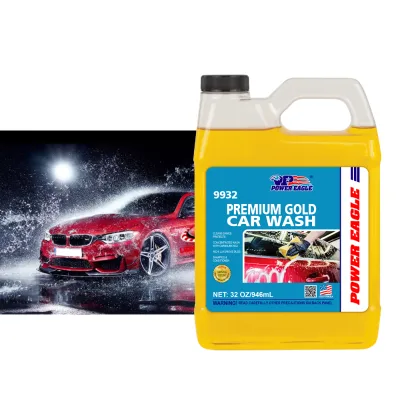


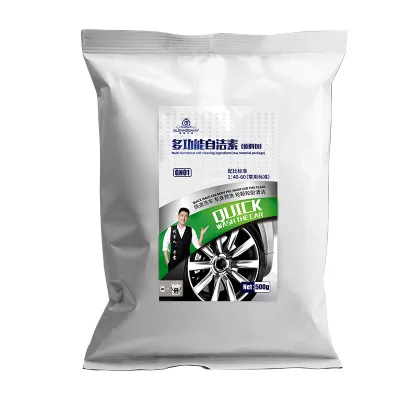
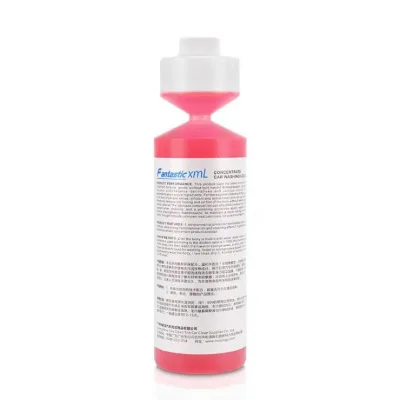


Comprehensive Sourcing Guide
Strategic Sourcing Guide for Ultra-Concentrated Water-Based Car Wash Shampoo
Understanding Product Specifications and Formulation Variability
When sourcing ultra-concentrated water-based car wash shampoo, buyers must first navigate the diverse landscape of product specifications found in the current market. The term "ultra-concentrated" implies a formulation designed to maximize cleaning power per unit volume, yet the actual delivery of this concentration varies significantly by manufacturer. Based on observed market data, capacity ranges for these products typically span from 300ml to 1000ml, with specific model numbers such as 901032, D01068, and D05034 representing different iterations of the product line.
A critical technical distinction lies in the pH balance of the solution. While some products are formulated with a neutral pH to ensure safety on all vehicle surfaces, others may exhibit a base pH, which can be effective for heavy-duty grease removal but requires careful handling to avoid potential damage to certain coatings. Buyers should verify the specific pH attribute of the product they intend to purchase, as the market contains both neutral and base formulations. Furthermore, the presence or absence of dewaxing agents is a defining characteristic. Some listings explicitly identify products as "Without Dewaxing Car Cleaning Chemical," which is a crucial differentiator for buyers who require a shampoo that cleans without stripping existing wax layers, while others may be designed to strip and clean simultaneously.
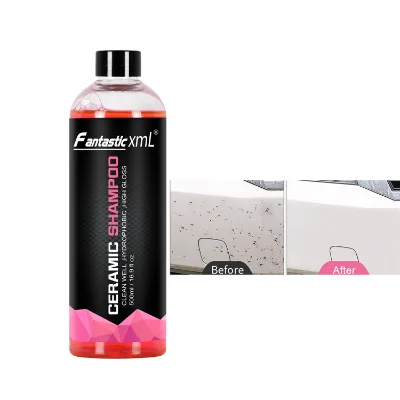
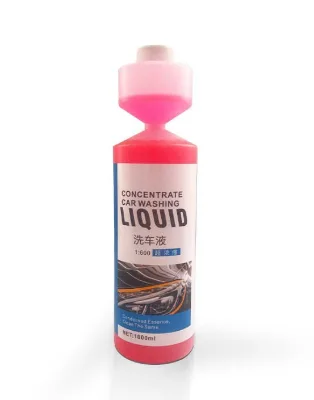
The physical form and packaging also play a role in the product's utility. Standard packaging includes cartons, OPP bags with color cards, and plastic bottles. Volume specifications vary, with common sizes including 500ml, 946ml, and 1000ml. Some products are sold in bulk configurations, such as 2L6PCS or 500ML24PCS, which are essential for commercial fleets or large-scale detailing operations. The material composition of associated cleaning tools, such as coral velvet and sponge, often accompanies these chemical solutions, suggesting a bundled approach to car care.
Compliance, Certification, and Safety Standards
In the B2B procurement of automotive chemicals, compliance is not merely a formality but a prerequisite for market access and liability protection. The global market for car wash shampoos is subject to rigorous safety and environmental standards. Buyers should verify that suppliers possess recognized certifications such as ISO9001, which indicates a commitment to quality management systems. Additionally, chemical products intended for export often require adherence to international safety directives, including Reach and RoHS, which regulate the use of hazardous substances.
The "Eco-Friendly and No Harms" attribute observed in several product listings suggests a growing trend toward environmentally benign formulations. However, buyers must treat such claims as observations rather than guaranteed facts without third-party verification. To substantiate eco-friendly claims, procurement teams should request test results or certificates from recognized bodies like SGS. The presence of certifications like Reach and RoHS is a strong indicator that the product meets European safety standards regarding chemical composition.
When evaluating compliance, the shelf life of the product is a vital metric. A standard shelf life of three years is observed in the market, which impacts inventory planning and storage requirements. Products with a shorter shelf life may require a more agile supply chain to prevent degradation before use. Furthermore, the origin of the product, primarily from China (Mainland) and specifically Guangdong, should be factored into the compliance review, as regional manufacturing practices can influence the consistency of quality control measures.
Cost Drivers and Economic Considerations
The economics of sourcing ultra-concentrated car wash shampoo are influenced by several variables, including volume, packaging, and customization. The observed price range in the market spans from $0.35 to $4.00 USD, a wide disparity that reflects differences in concentration, brand positioning, and packaging complexity. Lower-priced items often correspond to basic formulations or bulk packaging, while higher-priced items may include premium branding, specialized features, or smaller, consumer-ready units.
Minimum Order Quantity (MOQ) is a significant cost driver. The market exhibits an MOQ range from 50 to 7,500 pieces, with specific listings showing an MOQ of 3,000 pieces for certain models. High MOQs can reduce the unit cost but increase the capital outlay and storage burden for the buyer. Conversely, lower MOQs offer flexibility for testing new markets or smaller retailers but may come with a higher per-unit price. Buyers must balance these factors against their cash flow and storage capacity.
Customization is another factor that impacts cost. Many suppliers offer ODM (Original Design Manufacturing) and OEM (Original Equipment Manufacturing) services, allowing buyers to brand the product with their own labels. While this adds value, it often requires meeting higher MOQ thresholds and may involve additional setup costs. The payment terms, which are often negotiable, also play a role in the total cost of ownership. Buyers should negotiate terms that align with their financial cycles, potentially leveraging the negotiable nature of these agreements to secure better cash flow conditions.
Typical Applications and Usage Scenarios
The application of ultra-concentrated water-based car wash shampoo extends beyond simple vehicle cleaning. These products are designed for a variety of use cases, ranging from individual car owners to commercial fleet managers. The primary usage is categorized as "Car Care and Cleaning," with specific applications including spray-on cleaning and wash-car procedures. The "Spray" attribute indicates that some formulations are designed for direct application, while others are intended for dilution and use in wash systems.
The versatility of these products is highlighted by their ability to handle different cleaning needs. For instance, products labeled as "Without Dewaxing" are ideal for regular maintenance where preserving the vehicle's protective wax layer is a priority. In contrast, base pH formulations might be better suited for industrial vehicles or heavy-duty cleaning tasks where grease and grime removal is the primary objective. The "Easy To Use" advantage noted in some product descriptions suggests that these shampoos are formulated for user-friendly application, reducing the training required for staff in commercial settings.
Packaging size also dictates the application scenario. Smaller units like 1000ml bottles are suitable for retail or individual detailing, while bulk packs like 24 pieces of 500ml or 6 pieces of 2L are optimized for commercial use, such as car wash bays or fleet maintenance departments. The inclusion of accessories like coral velvet and sponge indicates that these products are often part of a comprehensive cleaning kit, enhancing the overall cleaning experience and efficiency.
Supplier Evaluation and Operational Reliability
Evaluating suppliers requires a focus on operational reliability, delivery capabilities, and service flexibility. The supply chain for these products is predominantly centered in China (Mainland), with specific hubs in Guangdong. Buyers should assess the supplier's ability to meet delivery timelines, which are typically observed in the range of 20-25 working days. This lead time is critical for inventory planning, especially for buyers operating on tight schedules or seasonal demand spikes.
Service offerings such as ODM and OEM are key indicators of a supplier's flexibility and capacity to meet specific buyer needs. A supplier that offers these services demonstrates a willingness to collaborate on product development, which can be a competitive advantage for buyers looking to differentiate their offerings. Additionally, the availability of samples is a crucial factor in the evaluation process. Suppliers that provide samples allow buyers to test the product's performance, concentration, and compatibility with their existing equipment before committing to a large order.
The packaging and logistics capabilities of the supplier are also essential. Standard packaging includes cartons with specific dimensions, such as 346x262x235 mm or 40.5x29x23 cm, and weight specifications like a gross weight of 13.2kg. These details are vital for calculating shipping costs and optimizing container utilization. Buyers should verify that the supplier's packaging standards align with their logistical requirements to prevent damage during transit and ensure efficient storage.
Quality Control and Long-Term Procurement Strategy
Implementing a robust quality control (QC) strategy is essential for maintaining the integrity of the supply chain. Given the chemical nature of the product, consistency in formulation and performance is paramount. Buyers should establish clear acceptance criteria based on the observed specifications, such as pH levels, capacity, and shelf life. Regular audits of the supplier's production processes can help ensure that the product consistently meets the agreed-upon standards.
Long-term procurement considerations involve building a resilient supply chain that can adapt to market changes. This includes diversifying suppliers to mitigate risks associated with single-source dependency. While the market is dominated by suppliers from China, exploring alternative sources or maintaining relationships with multiple vendors can provide a buffer against supply disruptions. Additionally, buyers should monitor the regulatory landscape for automotive chemicals, as changes in environmental or safety regulations can impact product availability and compliance requirements.
The shelf life of three years offers a window for strategic stockpiling, but buyers must manage inventory carefully to avoid expiration. Implementing a first-in, first-out (FIFO) inventory system can help ensure that older stock is used before newer shipments. Furthermore, maintaining open communication with suppliers regarding production schedules and potential delays can help buyers adjust their procurement plans proactively.
Comparative Analysis of Product Attributes
To facilitate informed decision-making, the following table summarizes key attributes observed in the market for ultra-concentrated water-based car wash shampoo. This comparison highlights the variability in specifications that buyers must consider when selecting a supplier.
| Attribute Category | Observed Variations | Key Considerations for Buyers |
|---|---|---|
| Capacity | 300-500ml, 500-1000ml, 946ml, 1000ml | Match capacity to usage frequency and storage space. |
| pH Level | Neutral, Base | Verify pH suitability for vehicle surface and wax preservation. |
| Dewaxing | Without Dewaxing, General Cleaner | Determine if wax stripping is desired or to be avoided. |
| Packaging | Carton, OPP Bag, Plastic Bottle | Assess packaging durability and suitability for retail vs. bulk. |
| MOQ | 50 - 7500 PCS, specific 3000 PCS | Balance unit cost against capital outlay and storage limits. |
| Certifications | ISO9001, Reach, RoHS, SGS | Verify specific certifications required for target markets. |
| Lead Time | 20-25 Working Days | Plan inventory replenishment cycles accordingly. |
| Origin | China (Mainland), Guangdong | Consider logistics costs and supply chain proximity. |
By carefully analyzing these attributes and aligning them with specific business needs, buyers can navigate the complex landscape of ultra-concentrated water-based car wash shampoo sourcing. The goal is to secure a product that not only meets technical and compliance requirements but also supports the long-term strategic objectives of the procurement organization.
FAQs
What is the typical capacity range for ultra-concentrated water-based car wash shampoo?
Capacity typically ranges from 300ml to 1000ml, with specific models offering 500ml or 946ml options. Buyers should verify the exact volume to match their storage space and usage frequency requirements.
Can I find ultra-concentrated water-based car wash shampoo with neutral pH?
Yes, neutral pH formulations are available for safe cleaning on all vehicle surfaces. However, some products may have a base pH for heavy-duty grease removal, so verify the specific chemical attribute before purchasing.
Which certifications are common for ultra-concentrated water-based car wash shampoo?
Common certifications include ISO9001 for quality management, along with Reach, RoHS, and SGS for chemical safety. These ensure compliance with international standards and indicate a commitment to product safety and environmental responsibility.
How does customization affect the minimum order quantity for these products?
Customization via ODM or OEM services often requires a higher minimum order quantity, such as 3000 pieces. Buyers should negotiate payment terms and MOQ thresholds based on their specific branding and volume needs.
What is the standard delivery time for ultra-concentrated water-based car wash shampoo?
The standard delivery time is typically 20 to 25 working days from the supplier. This lead time is critical for inventory planning, especially for buyers managing seasonal demand spikes or tight schedules.
Which packaging types are available for ultra-concentrated water-based car wash shampoo?
Packaging options include cartons, OPP bags with color cards, and plastic bottles. Bulk configurations like 2L*6PCS or 500ML*24PCS are available for commercial fleets, while smaller units suit retail or individual detailing.