Source Ultrasonic USB Mini Humidifier with Night Light for Hotel, Home, and Car
Compare 30 Ultrasonic USB Mini Humidifier with Night Light options featuring USB power, aromatherapy, and automatic humidity control. These portable devices suit hotel, home, and car applications with varying sizes and certifications.
Key considerations
Products List


Ultrasonic Air Humidifier USB Portable Water Bottle Humidifier with Night Light
$6.74 - $7.34
MOQ: 100 Pieces


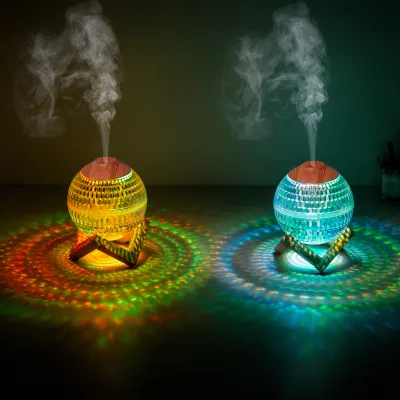
USB Mini Air Humidifier Small Ultrasonic Mist Air Humidifier with Colorful Light
$3.34 - $3.96
MOQ: 200 Pieces

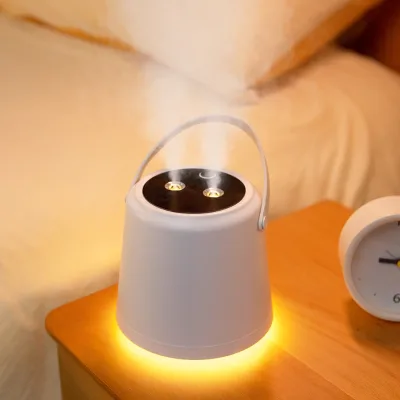
Mini Portable Ultrasonic Humidifier Dual Mist Projector Humidifier with Lights
$12.22 - $12.85
MOQ: 50 Pieces

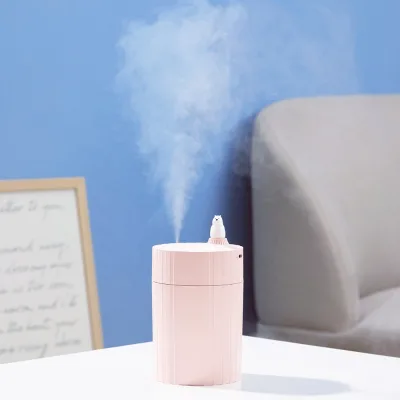
New Arrival USB Mini Cooling Mist Cute Ultrasonic Air Humidifier with Light
$5.45 - $6.06
MOQ: 100 Pieces

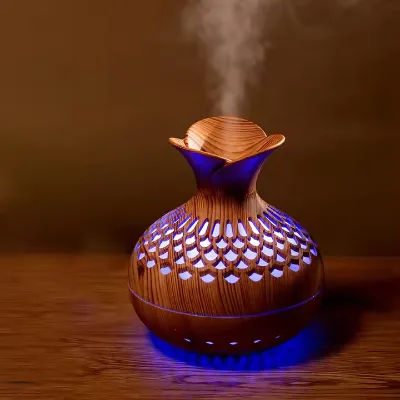
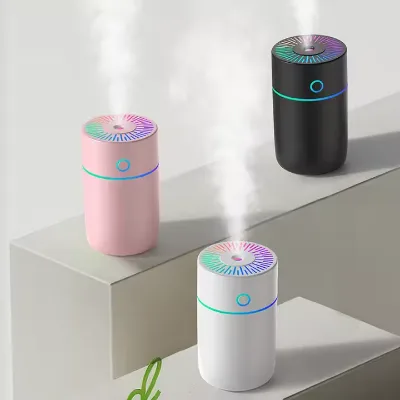
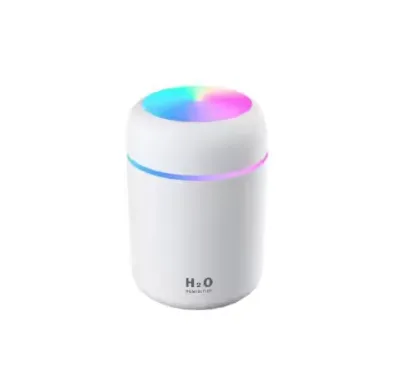


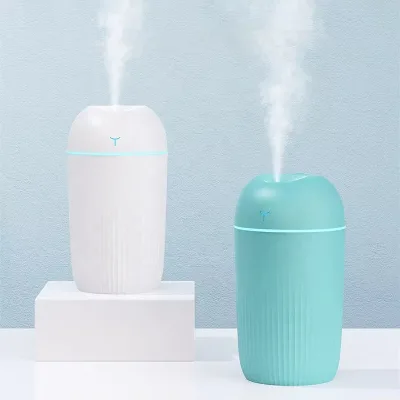
Creative Mute Mini Air Humidifier USB Charging Portable with LED Night Lamp
$4.70 - $5.70
MOQ: 600 Pieces


Comprehensive Sourcing Guide
Ultrasonic USB Mini Humidifier with Night Light Sourcing Guide
Sourcing ultrasonic USB mini humidifiers with integrated night lights requires a disciplined approach to balancing aesthetic appeal with functional reliability. These devices are compact, portable, and designed for personal or small-space use, making them popular for office desks, hotel rooms, and bedside tables. The core appeal lies in their ability to add moisture to the air while providing ambient lighting, often serving as a dual-purpose gadget for relaxation and comfort. Buyers must navigate a market flooded with similar-looking units, where visual similarities mask significant differences in internal components, safety features, and build quality.
The procurement process for these items is heavily influenced by customization options and supply chain flexibility. Many suppliers offer OEM and ODM services, allowing buyers to tailor colors, packaging, and even functional attributes like timing or aromatherapy capabilities. However, this flexibility introduces complexity in quality control and compliance verification. Procurement teams must establish clear specifications early in the negotiation phase to ensure that the final product matches the intended use case, whether it is for a luxury hotel amenity kit or a budget-friendly promotional giveaway.
Product Scope and Observed Listing Signals
The current market landscape for ultrasonic USB mini humidifiers shows a wide variance in specifications, even among products that appear identical on the surface. Observed listings indicate a price range of $0.64 to $12.85 USD, reflecting differences in material quality, certification levels, and included features. Minimum Order Quantities (MOQs) vary significantly, ranging from as low as 1 piece for sampling up to 3,000 pieces for bulk production. This disparity suggests that buyers can access both small-batch custom runs and large-scale manufacturing, but they must carefully align their order volume with the supplier’s production capabilities to avoid premium pricing or stockouts.
Key product attributes observed in the market include USB power supply, typically operating at 5V/1A, and various humidification methods such as ultrasonic mist discharge or impeller cool mist. Some models feature automatic humidity control, while others rely on manual operation. A critical distinction is the presence or absence of safety features like water shortage power-off protection, which is essential for preventing damage to the device and ensuring user safety. Additionally, aromatherapy functionality is available in some models, allowing users to add essential oils to the water tank, while others are strictly for humidification. Buyers should verify these specific attributes against their product requirements, as they directly impact the user experience and perceived value.
Technical Specifications to Verify
When evaluating technical specifications, the power source and connection type are primary considerations. Most mini humidifiers in this category are powered via USB, offering convenience for use with power banks, laptops, or wall adapters. However, buyers must confirm the exact power input requirements, such as 5V/1A, to ensure compatibility with their target market’s power infrastructure. The physical dimensions and weight are also crucial for packaging and shipping calculations. Observed product sizes range from approximately 7.8x7.8x12 cm to 9.5x9.5x15 cm, with weights varying from 150g to 180g. These variations affect the unit’s portability and the amount of packaging material required, which in turn influences logistics costs.
The internal mechanism and material composition are equally important for long-term durability and performance. Ultrasonic models typically use a piezoelectric transducer to create fine mist, while impeller models use a rotating fan to disperse water droplets. The choice between these technologies affects noise levels, mist density, and maintenance requirements. Materials such as ABS, PP, and AS are commonly used for the housing, offering a balance of durability and cost. Buyers should request detailed material specifications to ensure that the plastics used are safe for indoor use and resistant to cracking or discoloration over time. Additionally, the presence of a night light feature should be verified for its brightness, color options, and whether it is integrated into the misting function or operates independently.
Compliance and Safety Documentation
Compliance with international safety and environmental standards is non-negotiable for importing consumer electronics. Certifications such as CE, RoHS, and ISO are frequently cited by suppliers, but buyers must verify the validity and scope of these certifications. The CE mark indicates conformity with health, safety, and environmental protection standards for products sold within the European Economic Area, while RoHS restricts the use of specific hazardous materials in electrical and electronic products. ISO certification, particularly ISO 9001, demonstrates that the supplier has a robust quality management system in place. Buyers should request copies of these certificates and verify them with the issuing bodies to ensure they are current and applicable to the specific product model.
Electrical safety is a critical aspect of compliance, especially for devices that operate with water and electricity in close proximity. Buyers should ensure that the humidifiers include water shortage power-off protection to prevent overheating and potential fire hazards. This feature automatically cuts power when the water level is too low, protecting the internal components and ensuring user safety. Additionally, the USB power supply should meet relevant electrical safety standards to prevent issues such as short circuits or overcharging. Buyers may also need to comply with local regulations regarding electromagnetic compatibility (EMC) and radio frequency interference, particularly if the device includes wireless features or is intended for use in sensitive environments.
Cost Drivers and Commercial Terms
The cost of ultrasonic USB mini humidifiers is influenced by several factors, including material costs, manufacturing complexity, and certification requirements. The use of higher-quality plastics, additional features like aromatherapy or automatic humidity control, and the inclusion of safety mechanisms can increase the unit price. Buyers should also consider the impact of customization on cost, as custom colors, packaging, and branding often incur additional setup fees and higher MOQs. The observed price range of $0.64 to $12.85 USD reflects these variables, with lower prices typically corresponding to basic models with minimal features and higher prices for premium, certified, or customized units.
Commercial terms such as payment methods, shipping terms, and lead times are critical components of the procurement process. Common payment terms include T/T (Telegraphic Transfer), with options for partial upfront payment and the balance upon shipment. Buyers should negotiate clear payment terms that protect their interests, such as using a letter of credit for large orders or escrow services for smaller transactions. Shipping terms, such as FOB (Free on Board) from ports like Ningbo, determine who is responsible for transportation costs and risks. Lead times can vary based on order volume and customization requirements, so buyers should establish realistic timelines and build in buffers for potential delays.
Supplier Qualification and Quality Control
Supplier qualification is a vital step in ensuring a reliable supply chain. Buyers should conduct thorough due diligence on potential suppliers, including verifying their business licenses, production capacity, and past performance. Requesting samples is essential to evaluate the product’s quality, functionality, and compliance with specifications. Buyers should test the samples for key features such as mist output, noise levels, durability, and the effectiveness of safety mechanisms. Additionally, suppliers should be able to provide detailed product documentation, including user manuals, technical specifications, and compliance certificates.
Quality control measures should be established before production begins to minimize the risk of defects and inconsistencies. Buyers should define clear quality standards and inspection criteria, including acceptable tolerances for dimensions, weight, and performance. Implementing a pre-production sample approval process can help catch issues early, while third-party inspection services can provide an objective assessment of the final product before shipment. Buyers should also consider establishing a long-term relationship with a single supplier or a small group of qualified suppliers to ensure consistency and improve negotiation leverage. Regular audits and performance reviews can help maintain high standards and identify areas for improvement.
Long-Term Procurement Checks
Long-term procurement success depends on continuous monitoring and adaptation to market changes. Buyers should regularly review supplier performance, including on-time delivery rates, product quality, and responsiveness to issues. Establishing key performance indicators (KPIs) and conducting periodic supplier evaluations can help identify underperforming partners and drive improvements. Additionally, buyers should stay informed about changes in regulations, standards, and market trends that may impact their product requirements. For example, evolving environmental regulations may necessitate updates to material choices or packaging designs.
Building a resilient supply chain involves diversifying suppliers and maintaining safety stock to mitigate risks associated with disruptions. Buyers should develop contingency plans for potential issues such as raw material shortages, production delays, or logistical bottlenecks. Regular communication with suppliers and stakeholders can help anticipate and address challenges proactively. Furthermore, buyers should invest in building strong relationships with their suppliers, fostering collaboration and mutual trust. This can lead to better pricing, priority treatment during peak seasons, and access to new product innovations. By focusing on long-term partnership and continuous improvement, buyers can secure a competitive advantage in the market.
FAQs
How is the mist generated in this humidifier?
The mist is generated using ultrasonic technology which creates a cool mist discharge. This method ensures quiet operation and efficient water atomization for home or hotel environments without heating the water.
Can I add essential oils to this device?
Yes, you can add essential oils as the device supports aromatherapy functions. However, some specific models listed do not include this feature, so verify the aromatherapy attribute before purchasing for scent diffusion.
What power supply does the USB humidifier require?
The device operates on a 5V / 1A power supply via a USB line. This allows for flexible power options using computer ports or standard USB adapters for portable or tabletop usage scenarios.
Does the humidifier have automatic humidity control?
Some models feature automatic humidity control to maintain optimal air moisture levels. Other variants offer manual control, so check the specific product attributes to ensure the desired operation mode is available.
What certifications do these humidifiers hold?
The products hold ISO, CE, and RoHS certifications ensuring safety and compliance. These standards verify that the materials and electrical components meet international requirements for household and commercial use.
How much does the product weigh?
The net weight varies by model, with options ranging from 150g to 180g. This lightweight design supports portable usage and makes the unit easy to move between different rooms or locations.
Is customization available for this product?
Yes, customization is available for buyers who need specific branding or design changes. This service allows businesses to tailor the product to their unique requirements while maintaining the core ultrasonic functionality.
What is the minimum order quantity for purchase?
The minimum order quantity ranges from 1 to 3000 units depending on the supplier. Specific models may require a minimum of 70 or 100 pieces, so confirm the MOQ with the vendor.