Source Ultrasonic Ranging Flight Control Module for drones, robots, and vehicles
Compare 30 Ultrasonic Ranging Flight Control Module options from verified suppliers. Buyers can evaluate specifications like detection range, output signal type, and power supply to select the right sensor for their project needs.
Key considerations
Products List
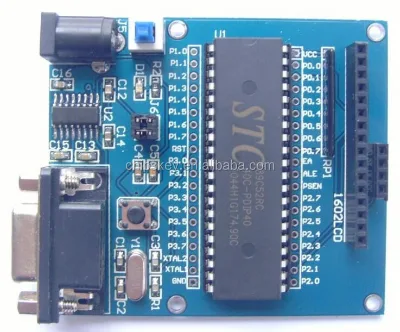
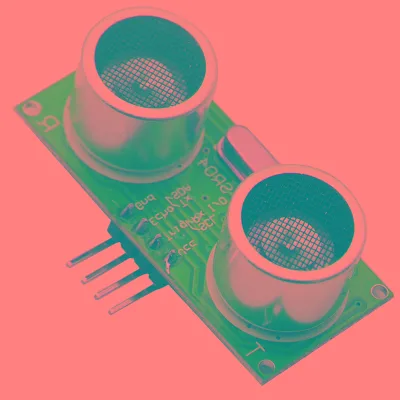
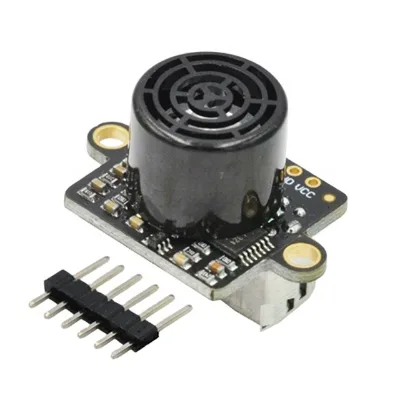

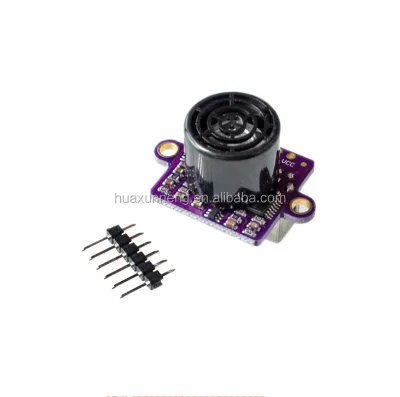

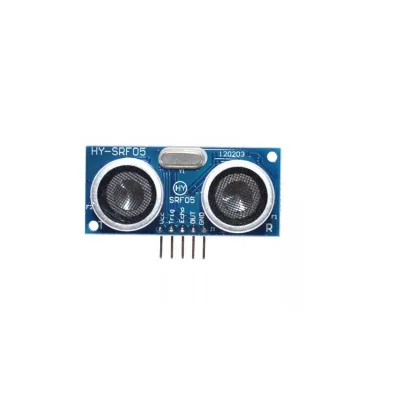


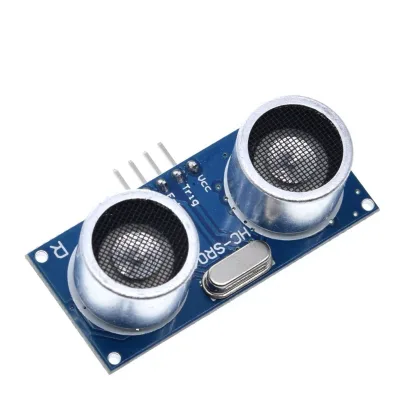
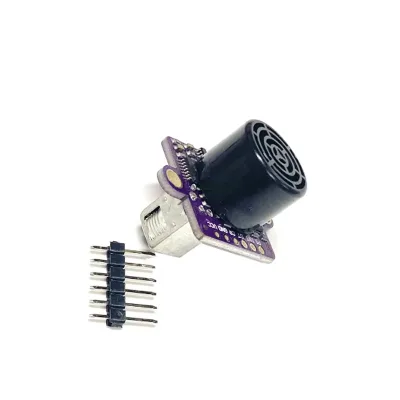
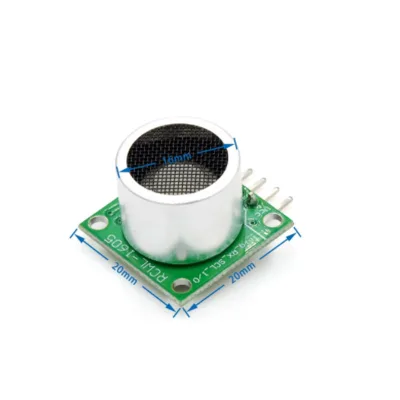
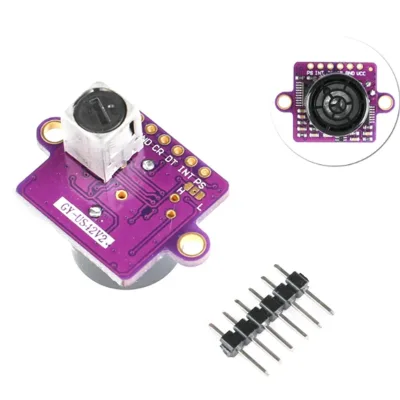


Wireless & RF Modules Cheapest Flight Stack Flight Controller for Fpv Drone
$75.00 - $100.00
MOQ: 2 Pieces
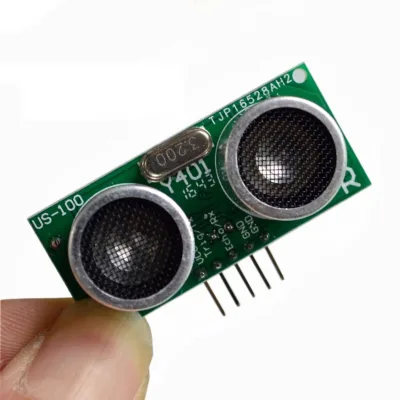
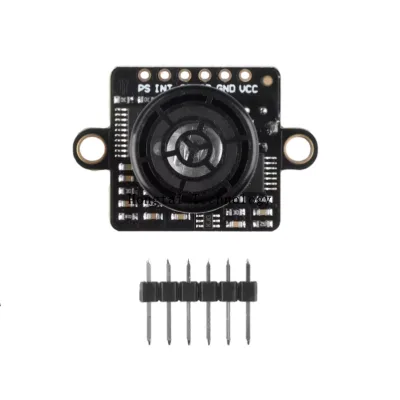


Comprehensive Sourcing Guide
Strategic Sourcing Guide for Ultrasonic Ranging Flight Control Modules
Understanding the Technical Landscape of Ultrasonic Modules
The procurement of ultrasonic ranging flight control modules requires a precise understanding of the underlying sensor technologies and their integration into flight systems. These devices are critical for altitude hold, obstacle avoidance, and precise landing operations in unmanned aerial vehicles (UAVs). The core functionality relies on the emission of high-frequency sound waves and the analysis of their reflection to calculate distance. In the current market, buyers encounter various form factors and signal processing capabilities.
Technical specifications vary significantly between different product lines. Some modules operate with a power supply of DC5V, while others may require different voltage levels. The output signal type is a crucial differentiator; many modern flight control modules utilize a digital output type, which simplifies integration with microcontrollers and flight controllers. The measuring medium is typically gas, specifically air, which is the standard environment for aerial applications.
When evaluating the physical dimensions and mounting requirements, buyers must note that surface mount type (SMT) options are available for compact designs, while through-hole or discrete module options exist for prototyping. The effective angle of detection is a vital parameter for flight stability. Specifications indicate an effective angle of less than 15 degrees for high-precision applications, ensuring the sensor focuses on the ground or specific obstacles rather than scattering signals. Conversely, other models may offer a measuring angle of 30 degrees, providing a broader field of view at the cost of potential resolution.
The resolution of these modules determines the smallest detectable change in distance. A resolution of 0.3 cm is a common benchmark for high-accuracy flight control, allowing for smooth altitude adjustments. The ranging distance capabilities also define the operational envelope. Some units are rated for a distance of 2 to 400 cm, making them suitable for indoor flight and close-proximity maneuvers. Buyers should verify that the specific model number, such as HC-SR04 or GY-US42V2, aligns with their specific flight control architecture, as these identifiers often denote specific firmware compatibility or pinout configurations.
Compliance and Certification Verification
In the B2B procurement of electronic components, particularly those used in aviation and flight control, verifying compliance and certification status is paramount. While many suppliers list certifications, buyers must exercise due diligence to ensure these claims are valid for their specific jurisdiction and application. The market data indicates that some ultrasonic modules carry CCC (China Compulsory Certification) marks. This certification is essential for products sold within the Chinese market and serves as a baseline indicator of electrical safety compliance.
However, the presence of a CCC mark does not automatically guarantee compliance with international aviation standards or safety regulations in other regions. Buyers should not assume that a product labeled as "Original" or "100% new" inherently meets specific international safety standards without explicit documentation. The supply chain often references general quality management standards like ISO 9001 or environmental standards like ISO 14001. While these are widely recognized, they should be treated as background information rather than concrete proof of product-specific compliance unless the supplier provides a valid certificate for the specific batch of goods.
When sourcing for flight control applications, the "Condition" of the product is a critical compliance factor. Listings often state "100% new" or "Original," but buyers must verify the manufacturer part number and date code. For instance, a date code of "2026 and Newer" suggests a specific manufacturing timeline that may be relevant for warranty or obsolescence planning. The absence of a specific certification number or a verifiable certificate from an accredited body should prompt a request for documentation before placing an order.
Furthermore, the "Customized" attribute is a key compliance indicator. Most standard ultrasonic modules are non-customized, meaning they adhere to a fixed set of electrical and mechanical specifications. If a project requires a customized solution, the standard compliance framework may not apply, and the buyer must establish new testing protocols. The "Standard" feature listed in some product descriptions implies adherence to a baseline industry specification, but this term is not a substitute for formal regulatory approval. Buyers must cross-reference the product's technical datasheet with the regulatory requirements of the country where the final flight system will be operated.
Cost Drivers and Pricing Structures
The pricing of ultrasonic ranging flight control modules is influenced by a complex array of factors, including component quality, brand reputation, and order volume. The observed price range in the market spans from 0.1 USD to 1199 USD, reflecting the vast diversity in product quality and functionality. At the lower end of the spectrum, basic modules like the HC-SR04 are often available at very low unit costs, making them attractive for hobbyist projects or high-volume prototyping. However, these lower-cost units may lack the robustness required for commercial or industrial flight applications.
Conversely, higher-priced modules often incorporate advanced features such as higher resolution, better noise immunity, or specialized mounting types. The brand name associated with the product can also drive price variance. While some listings mention brands like "Chipskey" or "JYWD," others simply state "Original" or "JRY." The provenance of the component is a significant cost driver; genuine original parts from established manufacturers typically command a premium over generic or unbranded equivalents.
Order volume is another primary determinant of cost. The Minimum Order Quantity (MOQ) varies widely, ranging from 1 piece to 5000 pieces. Buyers purchasing single items or small batches often face higher per-unit costs due to the lack of economies of scale. In contrast, large-volume orders can significantly reduce the unit price, but they require a commitment to the MOQ. The "Selling Units" attribute, often listed as "Single item," indicates that some suppliers are willing to sell in small quantities, albeit at a higher price point.
Additional cost factors include packaging and shipping. The "Single gross weight" of 0.01 kg suggests that the modules are lightweight, which keeps shipping costs relatively low. However, the "Packing" method, often described as "Box" or requiring customer service contact, can impact the final cost. Specialized packaging for sensitive electronic components may incur additional fees. Payment terms also play a role in the overall cost structure. Options such as PayPal, TT (Telegraphic Transfer), Western Union, and Trade Assurance offer different levels of financial security and may involve transaction fees that affect the total procurement cost.
Typical Applications and Integration Scenarios
Ultrasonic ranging flight control modules are integral to a wide range of applications, primarily within the domain of unmanned aerial vehicles (UAVs) and robotics. The most common application is altitude hold, where the module continuously measures the distance to the ground to maintain a stable flight height. This is particularly critical for indoor drones where GPS signals are unavailable or unreliable. The "APM flight control ultrasonic ranging module" designation highlights the specific use case of integrating with ArduPilot Mega (APM) flight controllers, a popular open-source platform for UAVs.
Beyond altitude hold, these modules are used for obstacle avoidance. The "Direct Reflection Type" detection mode allows the sensor to identify objects in the flight path by measuring the time it takes for the sound wave to return. This is essential for autonomous navigation in cluttered environments. The "Measuring Medium" being gas (air) confirms the suitability of these sensors for aerial applications, as opposed to liquid or solid media sensing.
In the context of robotics, these modules serve as proximity sensors for ground-based robots as well. The "Resolution" of 0.3 cm allows for precise navigation in tight spaces, while the "Ranging Distance" of 2-400 cm provides a versatile operational range. The "Quiescent Current" of less than 2mA and "Working Current" of 15mA indicate low power consumption, which is vital for battery-operated devices where energy efficiency is a priority.
The "Mounting Type" of Surface Mount Type (SMT) facilitates integration into compact flight control boards, reducing the overall footprint of the drone. This is particularly important for small quadcopters and fixed-wing aircraft where space is at a premium. The "Single package size" of 4x4x4 cm provides a standard form factor that simplifies mechanical design and enclosure planning. Buyers should consider the "Effectual Angle" of less than 15 degrees when designing the drone's sensor placement to ensure accurate readings and minimize interference from the drone's own structure.
Supplier Evaluation and Reliability Assessment
Evaluating suppliers for ultrasonic ranging flight control modules requires a rigorous assessment of their reliability, product authenticity, and service capabilities. The "Brand Name" listed in product descriptions can be a starting point, but buyers must verify the legitimacy of the brand. Listings mentioning "Chipskey," "JYWD," or "JRY" should be cross-referenced with official manufacturer channels to ensure the components are genuine. The attribute "Quality: 100% Original 100% Brand" is a common claim, but it should be substantiated with proof of origin or authorized distributor status.
The "Lead time" is a critical factor in supply chain planning. A lead time of 1-7 working days indicates a responsive supplier capable of fulfilling urgent orders. However, buyers should confirm if this lead time applies to stock items or if it includes manufacturing time for custom orders. The "Shipping by" options, including DHL, UPS, FedEx, EMS, and HK Post, suggest a global logistics network, which is essential for international procurement. Buyers should evaluate the reliability and tracking capabilities of these shipping methods to ensure timely delivery.
Payment security is another key aspect of supplier evaluation. The availability of "Trade Assurance" provides a layer of protection for buyers, ensuring that funds are released only when the order is fulfilled as agreed. Other payment methods like PayPal, TT, and Western Union offer varying levels of buyer protection. Buyers should prefer suppliers who offer secure payment gateways and transparent terms.
The "MOQ" of 5 pieces for some products indicates a flexible supplier willing to accommodate small orders, which is beneficial for prototyping and small-scale production. However, for large-scale procurement, buyers should negotiate terms that align with their volume requirements. The "Small Orders: Accepted" attribute further confirms the supplier's flexibility. Buyers should also assess the "Packing" standards, as proper packaging is crucial for preventing damage during transit. The "prod_packing" of "Box" suggests standard protective packaging, but buyers should verify if additional anti-static or shock-absorbing materials are included for sensitive electronic components.
Quality Control and Long-Term Procurement Strategy
Implementing a robust quality control (QC) strategy is essential for ensuring the reliability of ultrasonic ranging flight control modules. The "Condition" of the product, often stated as "100% new," must be verified through visual inspection and functional testing upon receipt. Buyers should establish a protocol for checking the "Manufacturer Part Number" and "Mfg. Date Code" to ensure the components are not obsolete or counterfeit. The "Date Code" of "2026 and Newer" suggests a forward-looking production schedule, which buyers should verify against their project timelines.
Functional testing should include measuring the "Output Signal Type" to confirm it matches the expected digital signal. The "Working Current" and "Quiescent Current" should be measured to ensure they fall within the specified ranges, as deviations can indicate defective units. The "Resolution" and "Ranging Distance" should be tested in a controlled environment to verify accuracy. The "Effectual Angle" and "Measuring Angle" should also be validated to ensure the sensor performs as expected in the intended application.
For long-term procurement, buyers should consider the "Customized" status of the product. Most standard modules are non-customized, which simplifies the supply chain but may limit flexibility. If customization is required, buyers should establish a clear specification sheet and work closely with the supplier to ensure the modified product meets all performance requirements. The "Series" designation, such as "GY-US42" or "GY Module," can help in identifying compatible components for future upgrades or replacements.
Sustainability and obsolescence are also important considerations. Buyers should inquire about the "Mfg. Date Code" and the expected lifespan of the components to plan for future replacements. The "Standard" attribute, while not a formal certification, can indicate adherence to a baseline quality level. Buyers should maintain a relationship with multiple suppliers to mitigate the risk of supply chain disruptions. The "Shipping by" options and "Lead time" should be regularly reviewed to ensure they remain consistent with the buyer's needs.
In conclusion, sourcing ultrasonic ranging flight control modules requires a comprehensive approach that balances technical specifications, compliance, cost, and supplier reliability. By carefully evaluating each aspect of the procurement process, buyers can ensure they acquire high-quality components that meet the demanding requirements of flight control applications. The detailed analysis of product attributes, from "Single package size" to "Payment" terms, provides a solid foundation for making informed purchasing decisions in this specialized market.
FAQs
What is the output voltage of the Ultrasonic Ranging Flight Control Module?
The module operates with a DC5V power supply and provides a 5V output. This standard voltage ensures compatibility with most microcontrollers and flight controllers without requiring additional voltage regulation circuits for basic operation.
Which certification does the Ultrasonic Ranging Flight Control Module hold?
The product carries CCC certification, indicating compliance with China Compulsory Certification standards. This mark serves as a baseline for electrical safety within the Chinese market but does not automatically guarantee international aviation safety approvals.
How long is the lead time for ordering the Ultrasonic Ranging Flight Control Module?
The typical lead time ranges from 1 to 7 working days for stock items. Buyers should confirm if this timeline applies to specific batches, as custom orders or large volumes may require additional manufacturing time beyond this standard window.
Can the Ultrasonic Ranging Flight Control Module be mounted on a surface?
Yes, the module supports Surface Mount Type (SMT) installation for compact integration. This mounting style reduces the overall footprint on flight control boards, making it suitable for small drones and space-constrained robotic applications.
What is the minimum order quantity for the Ultrasonic Ranging Flight Control Module?
The minimum order quantity is 5 pieces for standard listings. Some suppliers may accept smaller single-item orders, but these often come with higher per-unit costs due to the lack of economies of scale associated with bulk purchasing.
What is the effective detection angle of the Ultrasonic Ranging Flight Control Module?
The effective angle is less than 15 degrees for high-precision applications. This narrow beam ensures the sensor focuses on specific targets like the ground or obstacles, minimizing signal scattering and improving altitude hold accuracy.