Source Ultrasound Scanning Paper for Medical Clinics and Hospitals
Find 30 listings for Ultrasound Scanning Paper from verified suppliers in China and Japan. Compare specifications like pulp material, coating, and size to match medical and clinic needs with customizable options.
Key considerations
Products List


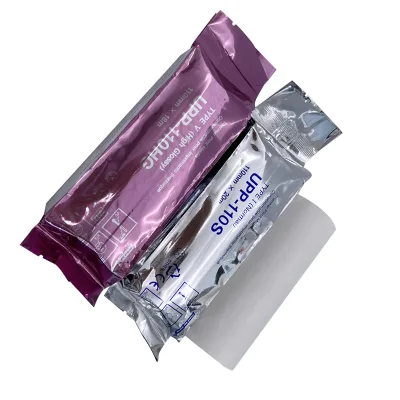
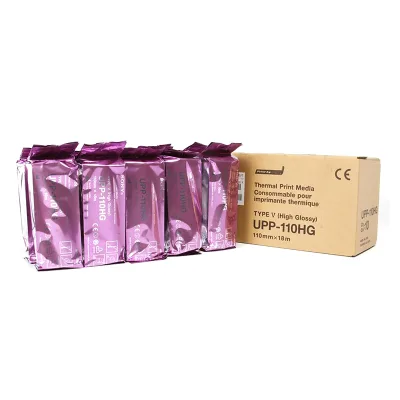


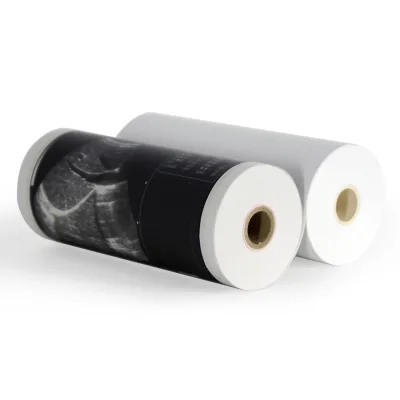


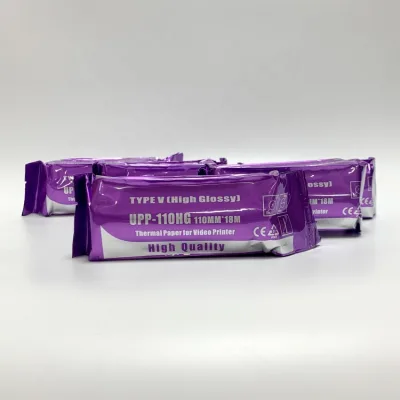
Comprehensive Sourcing Guide
Strategic Sourcing Guide for Ultrasound Scanning Paper Procurement
Navigating the procurement landscape for Ultrasound Scanning Paper requires a disciplined approach that balances technical performance with supply chain reliability. For medical facilities, clinics, and diagnostic centers, the integrity of imaging results depends heavily on the quality of the thermal paper used in ultrasound printers. This guide synthesizes verified product attributes and industry standards to assist procurement professionals in evaluating suppliers and specifications without relying on unverified marketing claims. The focus remains on observable facts, such as material composition, dimensional tolerances, and certification requirements, to ensure a robust sourcing strategy.
Technical Specifications and Material Composition
The foundation of a successful procurement contract lies in a precise understanding of the product's technical specifications. Ultrasound Scanning Paper is not a generic commodity; it is a specialized thermal medium designed to produce high-contrast, durable images. Based on available product data, the primary material composition for high-grade ultrasound paper is often cited as wood pulp. Specifically, the "Virgin" pulp style is a critical attribute to verify, as it ensures the absence of recycled fibers that could introduce impurities or reduce image clarity. The observed grammage for these products typically ranges between 40 and 80 grams per square meter (gsm), a specification that directly influences the paper's opacity and thermal sensitivity.
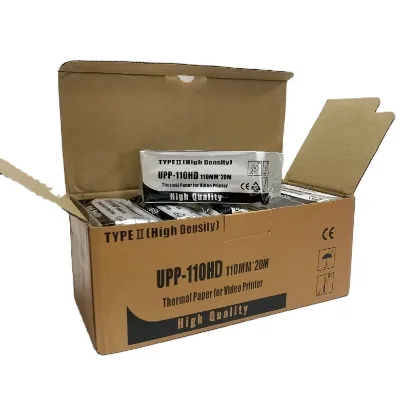
Dimensional consistency is equally vital. The standard size observed in the market for these thermal rolls is 110mm in width by 20mm in length, though variations exist. Buyers must confirm that the supplier's "Single package size" aligns with their storage and printer requirements, as some listings indicate dimensions of 110x20x20 cm for the packaging unit. The layer structure is another key differentiator. While some products are described as having a "Single" layer, others in the same category may feature a "Double" layer configuration. The choice between single and double-layer paper often depends on the specific printer model and the desired longevity of the print. Additionally, the coating side is frequently listed as "Single Side," which dictates how the paper must be loaded into the thermal printer to ensure the correct surface receives the heat.
The brightness of the paper is a measurable quality indicator that affects image contrast. Verified data points to a brightness range of 102-104%, a high standard that ensures the white background of the ultrasound image remains crisp against the black thermal print. When evaluating a potential supplier, procurement teams should request sample swatches to verify these brightness levels and grammage specifications against the stated requirements. Relying solely on catalog descriptions without physical verification can lead to compatibility issues with existing printer hardware.
Compliance, Certification, and Regulatory Standards
In the medical sector, compliance is not merely a formality but a prerequisite for operational safety and legal adherence. When sourcing ultrasound paper, buyers must rigorously verify the certifications held by the supplier. The most prominent certification observed in the product data is ISO9001:2008, which indicates that the manufacturer has established a quality management system capable of consistently providing products that meet customer and regulatory requirements. However, the presence of this certification on a product listing does not automatically guarantee that every batch of paper meets the standard; it is a systemic certification that must be validated through current audit reports.
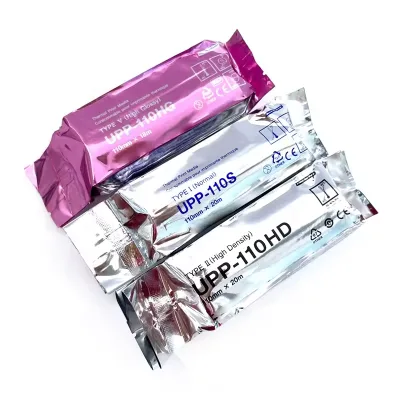
While some background information mentions CE certification, this should be treated with caution unless explicitly confirmed by the supplier for the specific product batch. Procurement professionals should not assume that a supplier is CE compliant based on general market knowledge. Instead, the buyer must request valid, up-to-date certification documents that cover the specific model number, such as the UPP-110HG or UPP-110S, which are common identifiers in this category. The "Standard" attribute for these products is often listed as "Customized," which implies that the manufacturer may adhere to specific client requirements rather than a universal industry standard. In such cases, the buyer must define the exact standard in the purchase order, ensuring it aligns with local medical regulations.
Furthermore, the "Industrial Use" is explicitly noted as "Medicine," which necessitates that the paper does not contain harmful substances that could interfere with medical environments or patient safety. Although specific chemical composition data is not always publicly listed, the "100% Wood Pulp" claim suggests a natural material base, which is generally favorable for medical applications. Buyers should verify if the supplier conducts internal quality control tests for chemical safety, particularly if the paper is intended for use in sterile environments or if it comes into contact with sensitive medical equipment.
Cost Drivers and Pricing Dynamics
Understanding the cost structure of Ultrasound Scanning Paper is essential for budgeting and negotiation. The observed price range in the market spans from $0.10 to $2,999.00 USD, a vast disparity that reflects differences in order volume, customization levels, and brand positioning. The lower end of this spectrum typically corresponds to bulk orders of standard, non-customized rolls, while the higher end may include specialized custom packaging, urgent delivery, or premium branded products.
The Minimum Order Quantity (MOQ) is a significant factor influencing unit cost. Data indicates an MOQ range from 1 unit to 5,000 units, with specific listings showing an MOQ of 10 rolls or 1 box. Buyers with smaller volume needs may face higher per-unit costs due to the fixed costs of production and logistics associated with smaller batches. Conversely, large-volume purchasers can leverage economies of scale to reduce the unit price. The "Selling Units" are often listed as "Single item," but the actual transaction usually occurs in bulk packages, such as "10 Rolls/box" or "10 boxes/carton."
Customization is a primary driver of cost variance. The product attributes confirm that "Customization" is available and that "Custom Order" is accepted. This includes custom branding, specific packaging dimensions, and tailored paper specifications. While customization adds value, it inherently increases the cost and lead time. Buyers must weigh the benefits of branded or specialized paper against the budget constraints. Additionally, the "Brand Name" such as HUIYINDA may command a price premium due to established market reputation, whereas generic or unbranded options may offer cost savings. It is crucial for buyers to request detailed quotes that break down the cost of the paper, packaging, and any customization fees to ensure transparency.
Typical Applications and Usage Scenarios
Ultrasound Scanning Paper is primarily designed for medical diagnostics, but its application extends to various healthcare settings. The "Application" field consistently lists "Medical," "Hospital," "Clinics," and "Medicine" as the primary use cases. This paper is the consumable medium for thermal printers attached to ultrasound machines, capturing the diagnostic images generated during patient examinations. The "Type" of paper is frequently identified as "Ultrasound Paper" or "Thermal Paper," confirming its specialized function.
The versatility of this product is evident in its usage descriptions, which include "Tracing Paper" and "Printer Paper." This suggests that the paper can be used not only for direct imaging but also for creating physical records or tracing images for further analysis. The "Industrial Use" is specifically noted as "Medicine," reinforcing its role in clinical environments. In hospitals and clinics, the reliability of the paper is paramount; a failure in print quality can lead to misdiagnosis or the need to repeat expensive scans. Therefore, the paper must be compatible with a wide range of ultrasound printer models, including those with specific model numbers like HYD or UPP-110HG.
Beyond the clinical setting, the "Usage" for "Medical" implies that the paper must maintain its integrity over time. Unlike standard office paper, ultrasound prints must remain legible for years to serve as part of the patient's permanent medical record. The "Waterproof" feature observed in some product listings is a critical attribute for this application, as it protects the prints from moisture, spills, and handling in busy medical environments. Buyers should ensure that the paper they select offers sufficient durability to withstand the rigors of a hospital setting without fading or smudging.
Supplier Evaluation and Operational Reliability
Selecting the right supplier is as important as selecting the right product. The "Place of Origin" for many ultrasound papers is listed as China, with specific locations like Beijing noted. While this provides a geographical context, buyers must look beyond the origin to evaluate the supplier's operational capabilities. The "Service" attribute, often listed as "24 Hours," suggests a commitment to responsiveness, which is crucial when dealing with critical medical supplies that cannot be interrupted.
The "Delivery time" is another key metric, with "One Week" being a common lead time for standard orders. However, this can vary significantly based on customization requests and order volume. Buyers should verify the actual lead time for their specific order size and customization needs. The "Packing" details, such as "10 Rolls/box, 10 boxes/carton," provide insight into the supplier's logistics capabilities. Consistent and secure packaging is essential to prevent damage during transit, especially for paper products that can be sensitive to moisture and physical stress.
When evaluating a supplier, procurement teams should assess their ability to handle "Custom Order" requests and "Custom Is Supported" packaging. The flexibility to adapt to specific requirements is a strong indicator of a reliable partner. Additionally, the "Scale" of the supplier, described as "Small" in some contexts, may imply a more personalized service but could also raise concerns about production capacity. Buyers should ensure that the supplier has the infrastructure to handle their volume requirements consistently. It is also advisable to check for a history of "Customized" standards and whether the supplier has a track record of meeting these standards for other medical clients.
Quality Control and Long-Term Procurement Strategy
Implementing a robust quality control (QC) process is essential for maintaining the integrity of medical imaging. The "Certificate" of ISO9001:2008 provides a baseline for quality management, but buyers should go further by establishing their own QC protocols. This includes requesting samples for testing before placing large orders. The "Brightness" and "Grammage" should be measured against the specified ranges of 102-104% and 40-80gsm, respectively. Any deviation from these specifications should be grounds for rejection.
Long-term procurement strategies should focus on building a relationship with suppliers who demonstrate consistency and reliability. The "Custom Order" and "Customized" attributes highlight the importance of flexibility in the supply chain. Buyers should negotiate contracts that allow for adjustments in order volume and specifications as their needs evolve. The "MOQ" of 10 rolls or 1 box offers a starting point for testing, but long-term agreements should aim to secure more favorable terms for larger, recurring orders.
Finally, buyers should consider the environmental and safety implications of the paper. The "100% Wood Pulp" and "Virgin" attributes suggest a focus on natural materials, which may align with sustainability goals. However, the "Waterproof" feature may involve chemical treatments that require verification for environmental compliance. By maintaining a disciplined approach to verification, testing, and supplier evaluation, procurement professionals can ensure a steady supply of high-quality Ultrasound Scanning Paper that meets the rigorous demands of the medical industry.
FAQs
What material is used for high-grade Ultrasound Scanning Paper?
High-grade Ultrasound Scanning Paper is primarily made from virgin wood pulp to ensure image clarity and purity. This material composition avoids recycled fibers that could introduce impurities, meeting the specific requirements for medical diagnostic imaging applications.
Which certifications should buyers verify for medical ultrasound paper suppliers?
Buyers should verify that suppliers hold ISO9001:2008 certification to confirm a robust quality management system. While some listings mention CE, this must be explicitly confirmed for the specific product batch rather than assumed based on general market knowledge.
How does the grammage of ultrasound paper affect print quality?
The grammage typically ranges between 40 and 80 grams per square meter, directly influencing the paper's opacity and thermal sensitivity. Higher grammage generally provides better durability and prevents ink bleed-through, ensuring crisp images for permanent medical records.
Can suppliers offer customized packaging for Ultrasound Scanning Paper orders?
Yes, suppliers accept custom orders and support customized packaging dimensions and branding. This flexibility allows medical facilities to tailor the product to their specific storage and printer requirements, though it may impact the unit price and lead time.
What is the standard delivery time for Ultrasound Scanning Paper from China?
The standard delivery time for standard orders from China is typically one week. However, this timeline can vary significantly depending on the order volume, customization requests, and specific logistical arrangements agreed upon with the manufacturer.
Which dimensions are common for ultrasound thermal paper rolls?
Common dimensions for these thermal rolls are 110mm in width by 20mm in length. Buyers must confirm that the single package size aligns with their printer models, as packaging units may also be listed with different dimensions like 110x20x20 cm.