Find Underground Double Barrel Septic Tank for Industrial, Agriculture, Home
Source 30 listings for the Underground Double Barrel Septic Tank designed for industrial, agricultural, and home applications. Buyers can compare specifications including volume, material, and customization options to find the right sewage treatment solution.
Key considerations
Products List


Underground Eco Friendly High Strength PE Biogas Septic Tank 2500 Liters
$120.00 - $150.00
MOQ: 50 Sets


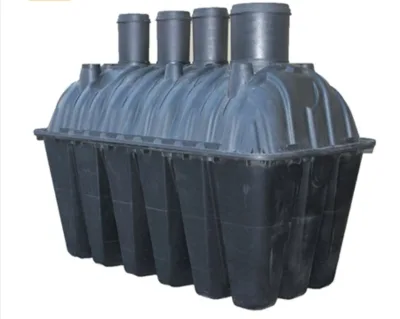

Comprehensive Sourcing Guide
Strategic Sourcing Guide for Underground Double Barrel Septic Tanks
The global demand for efficient wastewater management solutions has elevated the profile of underground double barrel septic tanks, particularly in regions where space is limited and environmental regulations are tightening. For procurement professionals, understanding the specific nuances of this equipment is critical. Unlike single-chamber units, the double barrel configuration offers distinct advantages in hydraulic retention and sludge separation. This guide synthesizes observed market data and technical attributes to provide a disciplined framework for sourcing these units, ensuring that buyers make decisions based on verified product characteristics rather than speculative marketing claims.
Technical Architecture and Material Composition
The fundamental design of an Underground Double Barrel Septic Tank relies on a dual-chamber system that facilitates a two-stage treatment process. The first chamber allows for the initial settling of solids, while the second chamber provides further clarification before effluent discharge. A key observation from current market listings is the prevalence of polyethylene-based materials. Specifically, the product attributes indicate the use of PP (Polypropylene) and PE (Polyethylene) composites, with some listings specifying PE or Fiberglass as alternative materials.
The material selection is paramount for longevity in an underground environment. Polyethylene offers high resistance to chemical corrosion and biological degradation, which is essential for sewage treatment applications. The observed thickness specifications for these tanks range from 3.0mm to 7.0mm, with some manufacturers offering customizable thickness options up to 5mm. This variability suggests that buyers must verify the wall thickness relative to the intended soil load and depth of burial. The standard production models, such as the HUAYU and FG-1.5 series, demonstrate that manufacturers offer a wide range of capacities. The volume specifications observed span from 0.5 cubic meters up to 3.0 cubic meters, with specific configurations available in 1000L, 1200L, 1500L, and 2000L increments.
When evaluating the physical structure, buyers should note the "Underground" style classification. These units are designed to be buried, requiring robust structural integrity to withstand earth pressure. The color options observed include Black, White, Green, and Blue, with Black being a frequently cited attribute. While color may be an aesthetic choice, it can also indicate the type of UV stabilizers used in the raw material, which is relevant if the tank is exposed to sunlight during installation or transport. The production capacity of leading suppliers is significant, with some facilities reporting a weekly output of 100,000 pieces, indicating a mature supply chain capable of handling large-scale municipal or commercial projects.
Compliance, Certification, and Regulatory Standards
Navigating the regulatory landscape is a critical step in the procurement of septic tanks. The industry operates under a framework of quality management and environmental safety standards. The most frequently cited certification in the product data is ISO9001, which verifies that the manufacturer adheres to international quality management system requirements. This certification is a baseline indicator of a supplier's commitment to consistent production processes.
Beyond general quality management, specific product certifications are essential for ensuring safety and environmental compliance. The data indicates that some units carry CE and RoHS certifications. The CE mark suggests conformity with health, safety, and environmental protection standards for products sold within the European Economic Area, while RoHS (Restriction of Hazardous Substances) ensures the material does not contain specific hazardous substances. Buyers must verify that these certifications are current and applicable to the specific model being purchased, as certification status can vary between product lines.
In terms of technical standards, the product attributes reference volume capacities ranging from 0.5 to 3.0 cubic meters. While some background knowledge references standards like EN 12566-1, the supplied facts do not explicitly confirm compliance with this specific European standard for every listed product. Therefore, procurement teams should treat the "Standard" attribute as a variable to be confirmed with the supplier. The standard production sizes are listed as 0.6, 0.8, 1.0, 1.2, 1.5, 2.0, 2.5, and 3.0 cubic meters. Buyers should request documentation proving that the specific tank model meets the local regulatory requirements for sewage treatment and water purification in their jurisdiction.
Cost Drivers and Pricing Dynamics
The pricing of underground double barrel septic tanks is influenced by a complex interplay of factors, including material costs, manufacturing complexity, and logistics. The observed price range in the market is substantial, spanning from $18 to $463 USD. This wide variance reflects differences in capacity, material thickness, and the level of customization required. A unit priced at the lower end of the spectrum likely represents a smaller capacity, standard thickness model, whereas units at the higher end may feature thicker walls, larger volumes, or specialized double-barrel configurations.
Volume is a primary cost driver. The market offers tanks in capacities from 0.6 cubic meters up to 3.0 cubic meters, with specific listings for 1000L and 1200L models. As the volume increases, the amount of raw material (PP+PE or PE) required grows, directly impacting the unit price. Additionally, the "Double Barrel" designation implies a more complex molding process compared to single-chamber tanks, which can add to the manufacturing cost.
Customization is another significant factor. The product attributes confirm that customization is available, allowing buyers to specify dimensions, wall thickness, and inlet/outlet configurations. Custom orders typically incur higher costs and may affect the Minimum Order Quantity (MOQ). The observed MOQ range is broad, from 1 unit to 100 units. This flexibility allows small residential projects to purchase single units while enabling large infrastructure projects to negotiate bulk pricing. Buyers should be aware that while the base price might be low, the total cost of ownership includes shipping, which is often handled via "Seaworthy Packaging" to ensure the tanks arrive undamaged.
Typical Applications and Usage Scenarios
The versatility of underground double barrel septic tanks makes them suitable for a diverse range of applications. The product attributes explicitly list usage scenarios including Industrial, Agriculture, Home, and Hospital settings. This broad applicability suggests that the tanks are engineered to handle varying loads and types of wastewater.
In residential contexts, these tanks are ideal for villas, residential buildings, and rural areas where connection to a centralized municipal sewage system is not feasible. The "Three-grid Septic Tank" and "Double Barrel" designs are particularly effective in these settings, providing enhanced treatment capabilities for household wastewater. The application data also highlights suitability for rural areas, where the robust nature of these underground units can withstand less controlled installation environments.
For industrial and agricultural use, the tanks serve as primary treatment units for sewage before discharge or further processing. The "Sewage Treatment" and "Water Purification" functions are central to their operation. Hospitals, with their high volume of wastewater and strict hygiene requirements, benefit from the reliable performance of these units. The "Environmental Protection" feature and the ability to "Purify Sewage" are critical selling points for these sectors, ensuring that the effluent meets environmental discharge standards. The horizontal sedimentation design mentioned in the attributes further supports their effectiveness in treating wastewater with high solid content.
Supplier Evaluation and Geographic Considerations
Selecting the right supplier is as important as selecting the right product. The supply chain for these tanks is concentrated in specific manufacturing hubs in China. The product data identifies several key locations, including Shijiazhuang in Hebei Province, Hefei, and Hengshui City in Hebei Province. These regions are known for their plastic processing industries and have established infrastructure for producing large-scale polyethylene products.
When evaluating suppliers, buyers should verify the production capacity and lead times. The observed production rate of 100,000 pieces per week indicates that major suppliers have the capacity to fulfill large orders quickly. However, buyers must confirm if this capacity is available for custom orders or if it applies only to standard stock models. The availability of "Free Samples" is a positive indicator of supplier confidence, allowing buyers to inspect the material quality and finish before committing to a bulk order.
After-sales support is another critical evaluation criterion. The product attributes mention "Installation Video" as part of the after-sales service, which is valuable for ensuring correct installation, especially for complex double-barrel systems. Buyers should also inquire about the warranty terms and the availability of technical support for troubleshooting. The "Standard" and "Seaworthy Packaging" attributes suggest that suppliers are experienced in international logistics, but buyers should still verify the packaging details to ensure the tanks are protected during transit.
Quality Control and Long-Term Procurement Strategy
Ensuring the long-term reliability of underground septic tanks requires a rigorous quality control (QC) strategy. The observed thickness range of 3.0mm to 7.0mm is a key metric for QC. Buyers should request mill test reports or third-party inspection certificates that verify the wall thickness and material composition. The use of PE and PP materials must be confirmed to ensure they are virgin materials rather than recycled blends, which could compromise structural integrity over time.
Long-term procurement considerations extend beyond the initial purchase. The "Customization" attribute allows for future-proofing, enabling buyers to order tanks with specific dimensions or features that may be required for expansion. The "Installation Video" support helps mitigate installation errors, which are a common cause of premature failure. Buyers should also consider the environmental impact of the product, noting the "Environmental Protection" feature and the "Biological Treatment" method, which aligns with sustainable development goals.
To maintain a stable supply chain, buyers should establish relationships with suppliers who have a proven track record of ISO9001 certification and consistent production output. Regular audits of the manufacturing facility can help ensure that quality standards are maintained. Additionally, buyers should plan for the lifecycle of the product, considering the ease of maintenance and the potential need for future repairs or replacements. By focusing on these quality and strategic factors, procurement teams can secure reliable, high-performance underground double barrel septic tanks that meet the demanding requirements of modern wastewater management.
Comparative Analysis of Product Specifications
To assist in the decision-making process, the following table summarizes the key specifications observed in the market for underground double barrel septic tanks. This comparison highlights the variability in capacity, material, and certification that buyers must navigate.
| Specification Category | Observed Range / Options | Key Considerations for Buyers |
|---|---|---|
| Capacity (Volume) | 0.5m³ to 3.0m³; 1000L to 2000L | Match capacity to expected wastewater load; verify specific model numbers (e.g., FG-1.5). |
| Material Composition | PP+PE, PE, Fiberglass | Confirm material grade; check for UV stability if exposed during installation. |
| Wall Thickness | 3.0mm to 7.0mm (Customizable) | Thicker walls offer better resistance to soil pressure; verify actual thickness via inspection. |
| Certifications | ISO9001, CE, RoHS (Variable) | Verify current status of CE and RoHS; ISO9001 is a baseline quality indicator. |
| Color Options | Black, White, Green, Blue | Black is common; color may indicate material additives or UV protection levels. |
| Production Origin | Hebei (Shijiazhuang, Hengshui), Hefei | Geographic concentration suggests specialized supply chains; verify logistics capabilities. |
| MOQ Range | 1 to 100 Units | Flexibility exists for small projects; bulk orders may offer better pricing. |
| Price Range | $18 - $463 USD | Price correlates with volume and customization; avoid assuming low price equals low quality. |
This structured approach to sourcing ensures that buyers are equipped with the necessary knowledge to evaluate underground double barrel septic tanks effectively. By focusing on verified attributes and maintaining a disciplined approach to supplier evaluation, procurement professionals can secure solutions that deliver reliable performance and compliance with regulatory standards.
FAQs
What materials are used for underground double barrel septic tanks?
These tanks are primarily constructed from PP+PE or PE composites, with some options using fiberglass. The material selection ensures high resistance to chemical corrosion and biological degradation essential for sewage treatment applications in various environments.
Which certifications do these septic tanks typically hold?
Most units carry ISO9001 certification to verify adherence to international quality management systems. Some specific models also include CE and RoHS certifications to ensure safety and environmental compliance regarding hazardous substances in the materials.
How large are the standard capacity options available?
Standard capacities range from 0.5 cubic meters up to 3.0 cubic meters, with specific models available in 1000L, 1200L, and 1500L increments. Buyers can also find configurations with sizes listed as 0.6, 0.8, 1.0, 1.2, 1.5, 2.0, 2.5, and 3.0 cubic meters.
Can I customize the thickness and dimensions of the tank?
Yes, customization is available for wall thickness, which typically ranges from 3.0mm to 7.0mm, with some options allowing up to 5mm. Buyers can also specify dimensions and inlet configurations to meet specific project requirements for soil load and burial depth.
Where are the main manufacturing locations for these tanks?
Production is concentrated in specific hubs in China, including Shijiazhuang, Hefei, and Hengshui City in Hebei Province. These regions are known for their plastic processing industries and have established infrastructure for producing large-scale polyethylene septic tanks.
What is the typical price range for these underground tanks?
The observed market price range spans from 18 to 463 USD, depending on capacity and material thickness. Lower prices usually reflect smaller, standard thickness models, while higher costs are associated with larger volumes or specialized double-barrel configurations.
What after-sales support is provided for installation?
Suppliers typically offer installation videos as part of their after-sales service to ensure correct setup of the double-barrel system. This support helps mitigate installation errors, which are a common cause of premature failure in underground sewage treatment units.