Source Underground Mining Hauler for Tunnel, Mine, and Haulage
Find 30 Underground Mining Hauler units with varying capacities and power sources. Buyers can compare specifications for diesel or battery operation, transmission types, and load capacities ranging from 1 to 20 tons for tunnel and mine applications.
Key considerations
Products List


New Generation Underground Mining Truck Tunnel Ore Material Hauler
$90000.00 - $140000.00
MOQ: 1 Pieces

Underground Mining Hauler Truck for Underground Excavation Projects
$90000.00 - $140000.00
MOQ: 1 Pieces

Mining Concrete Carrier Tuck Underground Tunnel Concrete transportation Truck
$80000.00 - $120000.00
MOQ: 1 Pieces

Mining Rigid Chassis Dump Truck Mine Hauler Transportation Truck
$100000.00 - $120000.00
MOQ: 1 Pieces


Chinese Wholesale Mining Dump Truck Coal Transport Underground Mining
$7500.00 - $8000.00
MOQ: 1 Pieces


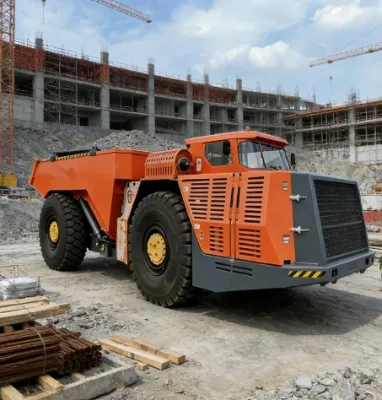
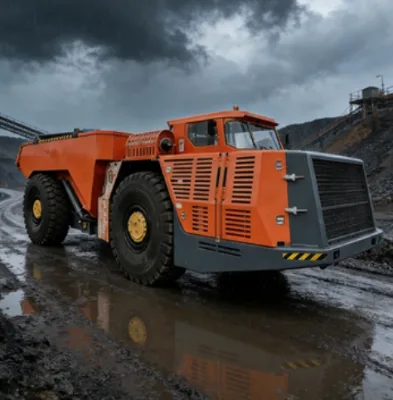


Nice quality custom-made mining equipment 20ton underground mining haul truck
$326000.00 - $336000.00
MOQ: 1 Pieces

Hot seller custom copper mining 12ton underground mining haul truck
$129000.00 - $135000.00
MOQ: 1 Pieces

Standard quality custom-design zinc mine 15ton underground mining haul truck
$215000.00 - $235000.00
MOQ: 1 Pieces

Hot selling custom mining equipment 15ton underground mining haul truck
$215000.00 - $235000.00
MOQ: 1 Pieces


Underground Mining Trucks Designed Environments Underground Metal Mining
$7800.00 - $8800.00
MOQ: 1 Pieces

35tons Dump Truck Hydraulic Mining Transporter Underground Coal Mine
$55000.00 - $57000.00
MOQ: 1 Pieces
Comprehensive Sourcing Guide
Strategic Sourcing Guide for Underground Mining Haulers
Understanding the Technical Landscape of Underground Haulage
The procurement of underground mining haulers requires a precise understanding of the specialized engineering required for subterranean environments. These vehicles, often categorized as mining dump trucks or underground tunnel transportation units, are distinct from surface haulage equipment due to strict spatial constraints and safety regulations. The core product specifications observed in the current market indicate a diverse range of configurations designed to meet varying operational demands. A critical observation is the variation in drive wheel configurations, with specific models offering 4×4 drive systems to ensure traction on uneven and potentially slippery underground surfaces.
The powertrain architecture is another fundamental technical consideration. The available inventory includes units powered by diesel engines, with displacement ranges typically falling between 111-150CC for smaller units, while larger capacity models may feature engine capacities between 4-6L. Power output varies significantly across the product spectrum, with horsepower ratings observed from 0-400 HP, and specific diesel engine power ranges noted between 18-32 HP for certain compact models. Buyers must verify the actual engine specifications against their specific tonnage requirements, as the market lists models ranging from 1-10 tons up to 11-20 tons, and even up to 30 tons in standard classifications.
Transmission systems also vary, with options including automatic transmission types and mechanical band or manual transmission ways. The steering mechanisms are equally critical for maneuverability in tight tunnels, with hydraulic steering and gear steering systems being the primary options available. The physical dimensions of the hauler must align with the mine's tunnel dimensions; width specifications in the market range from 950mm to 2400mm, necessitating a careful review of the specific model's width against the mine's clearance limits. The body type is predominantly open, designed for efficient loading and unloading of bulk materials, with a dumping mechanism that typically utilizes a front lifting style, though side lifting ways are also observed in certain configurations.
Compliance and Certification Verification Protocols
Navigating the regulatory landscape for underground mining equipment is essential for ensuring operational legality and safety. The supply chain for these vehicles often involves multiple certification layers that must be verified before procurement. High-confidence data indicates that products in this category frequently carry a combination of certifications including EPA, DOT, CCC, CE, UL, and ISO 9001. It is imperative for buyers to treat these certifications as observations of specific listings rather than universal attributes of all available units.
Tire certification is a particularly vital area of compliance for underground operations. The market data highlights certifications such as ECE, GCC, ISO, and DOT for tires, which are essential for ensuring the tires can withstand the harsh conditions of underground mining. The specific tire design is noted as radial, and suppliers may offer specialized mining tires, such as those from Chaoyang, which are engineered for durability and resistance to punctures in rocky environments. Buyers should request documentation proving that the tires meet the specific safety standards required by their local mining authority, as the "Zero Emission" standard listed in some contexts may refer to specific electric or battery-assisted models rather than the diesel units which are also prevalent.
The emission standards present a complex verification point. While some listings mention "Zero Emission" or "Euro" standards, the majority of the observed inventory relies on diesel engines. This discrepancy suggests that buyers must explicitly confirm the emission compliance of the specific unit they intend to purchase, as diesel engines inherently produce emissions that must be managed through filtration or ventilation systems within the mine. The "Zero Emission" claim should be scrutinized to ensure it applies to the specific power source configuration, such as a battery group, rather than the diesel engine option.
Cost Drivers and Total Cost of Ownership Analysis
The pricing structure for underground mining haulers is highly variable, influenced by a multitude of technical and operational factors. The observed listed price range in the market spans from 1 USD to 510,000 USD, reflecting the vast difference between small-scale utility vehicles and heavy-duty industrial haulers. This wide range underscores the importance of defining the exact load capacity and power requirements before engaging in price negotiations. A unit capable of 1-10 tons will naturally have a different cost structure compared to a 30-ton capacity model.
Several key drivers influence the final cost of these vehicles. The engine manufacturer is a significant factor, with brands like Changfa, Yunnei, and Weichai appearing in the supply data. The choice of engine brand and the specific horsepower rating directly impact the purchase price. Similarly, the battery supplier, such as Chaowei or Tianneng, plays a role in the cost of electric or hybrid variants. The customization options available, including customized roofs or cabins, will also add to the base price.
Beyond the initial purchase price, buyers must consider the total cost of ownership. This includes the cost of spare parts, maintenance, and the availability of after-sales service. The data indicates that after-sales service is generally available, and warranties are typically offered for one year. However, the specific terms of the warranty and the scope of coverage should be clearly defined in the contract. The load capacity is a primary determinant of value; a higher capacity vehicle may have a higher upfront cost but offers better economies of scale per ton of material moved. Buyers should also account for the cost of specialized tires, which are critical for underground safety and longevity.
Typical Applications and Operational Scenarios
The primary application for these underground mining haulers is clearly defined as underground tunnel transportation. These vehicles are engineered to operate in confined spaces where surface trucks cannot function. The specific product name "Volquete Subterranea" or "Volquete De Mina" reflects their intended use in mining environments in regions such as Malaysia, Gongo, Ecuador, Bolivia, Peru, and Chile. The versatility of these machines allows them to be deployed in various mining scenarios, from small-scale operations to large-scale industrial extraction.
The functional requirements for these vehicles are stringent. They must be capable of navigating narrow tunnels, making sharp turns, and handling rough terrain. The 4×4 drive system is essential for maintaining traction on slopes and uneven ground. The dumping mechanism, typically a front lifting style, is designed for rapid unloading of materials such as ore, rock, or waste. The capacity of the vehicle, ranging from 1 ton to 30 tons, dictates its suitability for different stages of the mining process. Smaller units may be used for transporting materials within a specific section of the mine, while larger units are employed for main haulage routes.
The seating capacity is another consideration for operational efficiency. Most models are designed with a seating capacity of five or fewer, reflecting the compact nature of underground vehicles. The driving configuration, whether left or right-hand drive, must be selected based on the specific operational protocols of the mine. The ability to customize the case, including the roof and cabin, allows operators to tailor the vehicle to specific safety requirements, such as enhanced rollover protection or improved visibility.
Supplier Evaluation and Selection Criteria
Selecting the right supplier for underground mining haulers requires a rigorous evaluation process that goes beyond simple price comparison. Buyers should prioritize suppliers who can demonstrate a consistent track record of delivering high-quality, certified equipment. The presence of certifications such as ISO 9001, CE, and DOT is a strong indicator of a supplier's commitment to quality management and safety standards. However, buyers must verify that these certifications are current and applicable to the specific model being purchased.
The origin of the product is a relevant factor in the evaluation process. The data indicates that the majority of these vehicles originate from China, a major hub for mining equipment manufacturing. Buyers should assess the supplier's ability to provide comprehensive documentation, including technical manuals, maintenance guides, and certification certificates. The availability of after-sales service is another critical criterion. A supplier that offers a one-year warranty and responsive technical support can significantly reduce downtime and operational risks.
The customization capabilities of the supplier are also important. The ability to customize the vehicle's dimensions, engine type, and cabin configuration allows buyers to tailor the equipment to their specific operational needs. Suppliers who offer flexible production options can better accommodate unique requirements, such as specific tire sizes or specialized dumping mechanisms. Buyers should also consider the supplier's experience in the mining industry, as this often correlates with a deeper understanding of the challenges faced in underground operations.
Quality Control and Long-Term Procurement Considerations
Ensuring the quality of underground mining haulers is paramount for the safety and efficiency of mining operations. Buyers should implement a robust quality control process that includes pre-shipment inspections and post-delivery testing. The condition of the vehicle, typically listed as "New," should be verified through visual inspection and functional testing. Key components such as the engine, transmission, braking system, and hydraulic steering should be tested to ensure they meet the specified performance standards.
The braking system, which may be oil or pneumatic, is a critical safety component that must be thoroughly tested. The tire certification and design should also be verified to ensure they meet the specific safety requirements of the mine. The carriage thickness, with bottom plates of 6mm and side plates of 4mm, is a specification that should be checked to ensure the vehicle can withstand the rigors of underground transport.
Long-term procurement considerations include the availability of spare parts and the supplier's ability to provide ongoing technical support. The warranty period, typically one year, should be clearly defined, and the terms of the warranty should be understood by all parties. Buyers should also consider the potential for future expansion and the ability of the supplier to provide additional units or upgrades as the mining operation grows. The standard packing of the vehicles should be evaluated to ensure they are protected during transit, and the lead time for delivery should be factored into the procurement schedule.
Comparative Analysis of Key Specifications
To facilitate informed decision-making, the following table summarizes the key technical specifications observed in the market for underground mining haulers. This comparison highlights the variability in specifications and the need for buyers to select the model that best fits their operational requirements.
| Specification Category | Observed Range/Options | Key Considerations for Buyers |
|---|---|---|
| Load Capacity | 1-10t, 11-20t, up to 30t | Match capacity to haulage volume and tunnel size. |
| Engine Power | 18-32 HP, 150-250 HP, up to 400 HP | Higher power required for steeper grades and heavier loads. |
| Drive Configuration | 4×4 | Essential for traction in wet or uneven underground conditions. |
| Transmission Type | Automatic, Mechanical (Band/Mecanic) | Automatic offers ease of use; mechanical may offer durability. |
| Steering System | Hydraulic, Gear | Hydraulic preferred for precision in tight spaces. |
| Dumping Mechanism | Front Lifting, Side Lifting | Front lifting is standard; side lifting may suit specific layouts. |
| Tire Certification | ECE, GCC, ISO, DOT | Must meet local mining safety regulations. |
| Emission Standard | Zero Emission, Euro, Diesel | Verify if "Zero Emission" applies to battery models only. |
| Width | 950mm to 2400mm | Critical for fitting within mine tunnel dimensions. |
| Warranty | One Year | Confirm coverage scope and service response times. |
This table serves as a reference point for buyers to compare different models and identify the specifications that align with their specific mining operations. By carefully evaluating these factors, buyers can make informed decisions that optimize safety, efficiency, and cost-effectiveness in their underground mining haulage operations.
FAQs
What certifications do underground mining haulers typically have?
Products often carry certifications including EPA, DOT, CCC, CE, UL, and ISO 9001. Buyers must verify that these certifications apply to the specific model, as listings vary and not every unit satisfies all listed standards.
Which drive wheel configurations are available for these trucks?
The inventory includes units with 4×4 drive wheel configurations to ensure traction on uneven surfaces. This setup is critical for maintaining stability and safety in the confined and potentially slippery conditions of underground tunnels.
Can I customize the cabin or roof of the mining truck?
Customization is available for the case, including options for roofs and cabins. Buyers should specify their requirements for enhanced rollover protection or visibility to ensure the vehicle meets specific operational safety protocols.
What is the load capacity range for these underground haulers?
Load capacities range from 1 to 10 tons, with some models reaching 11 to 20 tons and standards up to 30 tons. The specific capacity must be selected based on the mine's material transport requirements and tunnel dimensions.
How is the dumping mechanism configured on these vehicles?
The dumping mechanism typically utilizes a front lifting style, though side lifting ways are also observed. This design allows for rapid unloading of ore, rock, or waste materials directly within the confined space of the tunnel.
What engine power options are available for diesel models?
Diesel engine power ranges from 18 to 32 HP for compact models up to 150 to 250 HP for larger units. Engine brands like Changfa, Yunnei, and Weichai are commonly used, and specifications must match the required tonnage.
Are after-sales services and warranties provided for these trucks?
After-sales service is generally available, with warranties typically offered for one year. Buyers should confirm the specific terms of coverage and the availability of spare parts to minimize operational downtime in remote mining locations.