Find Underwater Power Battery for Remote Control Car, Underwater Powertool, and Electric Drum Lifter
Source 30 available options for Underwater Power Battery from verified suppliers. Buyers can compare specifications such as rated capacity, discharge rates, and protection grades to find suitable solutions for remote control vehicles, underwater tools, and lifting equipment.
Key considerations
Products List


OEM Voltage and Capacity Survey Boat Underwater Robot 48V80ah Power Lithium Battery Pack
$4545.00 - $5112.00
MOQ: 10 Pieces

Safe 120V 80ah Underwater Surveyor Li Ion Power Lithium Battery with RS485 Communication
$9850.00 - $11269.00
MOQ: 10 Pieces

Plmen Wt-50W 25.2V High Capacity Lithium Battery for Underwater Power Tools
$185.00 - $214.00
MOQ: 5 Pieces


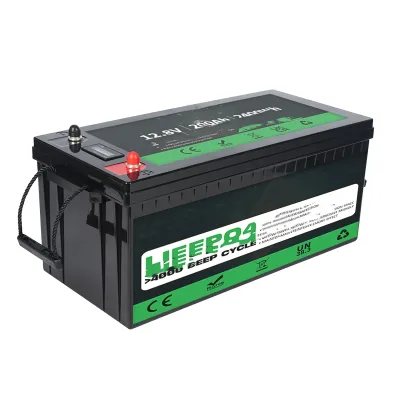

12V Deep Cycle Battery Motive Power Battery Marine Battery Boat Battery
$206.76 - $238.65
MOQ: 30 Pieces

Heavy Duty AGM 12V105ah Fishing Boat Battery High Cranking Power Maintenance Free Sea Mate Battery
$106.00 - $113.00
MOQ: 50 Pieces

12V280ah High Quality Marine Battery Dry Charged Boat Battery Low Maintenance Free Battery
$115.20 - $129.00
MOQ: 50 Pieces

Lawn Mower Lithium Battery Fishing Boat Battery 140ah Deep Cycle Battery
$115.64 - $140.00
MOQ: 30 Pieces


12V 80ah Marine Deep Cycle Battery Heavy Duty Boat & RV Battery for Trolling Motors
$64.54 - $74.76
MOQ: 10 Pieces

Battery Powered Insertion Emf for Underground Water Storage - IP68, 3.6V Battery
$600.00 - $2000.00
MOQ: 1 Pieces

Waterproof Marine Battery: 51.2V 168ah Electric Boat Battery Replacement
$1450.00 - $4500.00
MOQ: 1 Pieces


Power Bank Lithium Battery 24V 200ah LiFePO4 Battery for Watercraft/Speed Boat
$1322.00 - $1375.00
MOQ: 1 Pieces


Comprehensive Sourcing Guide
Strategic Sourcing Guide for Underwater Power Battery Solutions
Defining Technical Specifications for Submersible Environments
Sourcing a battery system designed for underwater power applications requires a rigorous understanding of the specific environmental stresses these units must endure. Unlike standard terrestrial power packs, underwater batteries must manage hydrostatic pressure, moisture ingress, and thermal fluctuations in a submerged state. The core technical foundation for such a product begins with the chemistry and construction. The available market data indicates a prevalence of Lithium-Ion (Li-ion) chemistries, specifically utilizing NCM (Nickel Cobalt Manganese) or LiMnCoO2 cathode materials. These materials are selected for their ability to balance energy density with stability, which is critical when the battery is encased in a housing that cannot easily dissipate heat generated during high-load operations.
The physical configuration of the battery is equally vital. Specifications observed in the current supply landscape include models with varying voltage ratings, such as 48V and 180V systems, paired with significant capacity ratings like 80Ah. For underwater tools, the discharge rate is a primary performance metric. The supply chain offers options characterized by both low and high discharge rates, allowing buyers to match the battery to the specific power demands of the tool, whether it is a continuous low-power sensor or a high-torque underwater drill. The electrolyte composition is standard Li-ion, but the housing must be engineered to withstand the operating temperature range of -20°C to 60°C, a specification explicitly noted for certain liquid battery types in the current market.
Protection grades are not merely optional but are the defining feature of an underwater battery. The standard voltage for these packs often exceeds 12V, with some configurations reaching significantly higher levels to drive powerful motors. The physical size of the unit can range from small to medium, with a design philosophy that prioritizes a lighter weight for the same usable energy output. This "lighter and easier to install" attribute is crucial for portable underwater equipment where weight impacts buoyancy and maneuverability. Furthermore, the energy density is a key differentiator; higher energy density allows for a more compact battery size, which is essential for fitting into the tight constraints of underwater power tools.
Compliance and Certification Verification Protocols
When procuring batteries for submersible applications, the verification of compliance and certification is the most critical risk mitigation step. While the product listings indicate that some units are marketed as "Waterproof Lithium Battery" or possess "Customized" protection grades, these terms are observations of product attributes rather than guarantees of specific international certification status. Buyers must not assume that a product labeled as waterproof meets the rigorous requirements of IP68 or IP69K standards without explicit verification.
The supply chain for these components originates primarily from China, with specific manufacturing hubs in Guangdong. This geographic concentration offers access to a mature supply chain but necessitates a heightened focus on quality assurance. Buyers should request independent test reports that validate the battery's performance under simulated underwater conditions. These reports should confirm the integrity of the seal against water ingress at specific depths and the ability of the battery management system (BMS) to function correctly in a wet environment.
Standard voltage ratings, such as those exceeding 12V, must be cross-referenced with local electrical safety codes for the buyer's region. For underwater applications, the risk of short circuits due to water intrusion is paramount. Therefore, the "Protection Grade" listed as "Customized" on some models suggests that the buyer may need to engage with the supplier to define the exact IP rating required for their specific use case. It is essential to verify that the battery pack includes a BMS that can handle the unique thermal and electrical challenges of underwater operation, ensuring that the "Lower Maintenance Requirement" claim holds true over the product's lifecycle.
Cost Drivers and Total Cost of Ownership Analysis
The financial landscape of sourcing underwater power batteries is influenced by several distinct cost drivers. The observed price range in the market is exceptionally broad, spanning from $0.03 to $11,269. This variance reflects the difference between individual cells, small custom packs, and large-scale industrial battery systems. For a procurement team, understanding this range is essential to avoid budget misalignment. The lower end of the spectrum likely represents components or smaller units, while the higher end corresponds to complete, high-capacity systems with advanced waterproofing and BMS integration.
A critical factor in the cost structure is the "Higher Initial Cost But Longer Service Value" attribute. While the upfront price of a high-quality underwater lithium battery pack may be significant compared to standard lead-acid or non-specialized alternatives, the long-term economics favor the premium option. This is driven by the "Material Shows Deep-Cycle Use" capability, which ensures the battery can withstand the repeated charge and discharge cycles typical of industrial underwater operations. The "Lower Maintenance Requirement" further reduces the total cost of ownership by minimizing downtime and the need for frequent replacements.
The "Total Use Cost" calculation must also account for the "Higher Energy Density" and "More Compact Battery Size." These attributes allow for smaller, lighter equipment, which can reduce shipping costs and improve the efficiency of the underwater tools themselves. Additionally, the "Installation Flexibility" offered by customizable housing and connectors can reduce integration costs, as the battery can be tailored to fit existing equipment without expensive modifications. Buyers should evaluate the "Cycle Life" and "Rechargeable" nature of the product to ensure that the amortized cost per cycle is competitive over the expected lifespan of the equipment.
Typical Applications and Operational Fit
The versatility of underwater power batteries extends across a wide spectrum of applications, driven by their ability to provide reliable energy in harsh environments. The supply data highlights specific usage scenarios, including "Underwater Powertool" applications, which encompass a variety of devices used for marine construction, underwater welding, and inspection. The "Electric Drum Lifter" and "IBC Totes" compatibility suggest that these batteries are also utilized in material handling and logistics operations within aquatic or semi-aquatic environments.
Furthermore, the "Usage" attributes list "Remote Control Car, Remote Control Plane, Remote Control Boat," indicating that these battery technologies are adaptable to consumer and hobbyist underwater robotics. This dual applicability to both industrial and recreational sectors underscores the importance of selecting a battery with the correct discharge rate and capacity. For high-torque applications like underwater drilling, a "High Discharge Rate" is essential, whereas for long-duration monitoring, a "Low Discharge Rate" with high capacity might be more appropriate.
The "Application Fit" is explicitly described as "Better for Portable Electric Equipment," which aligns with the need for mobility in underwater operations. The "Lighter and Easier to Install" weight profile is particularly beneficial for divers and remote-operated vehicles (ROVs) where payload capacity is limited. The "One PC/Box" or "Carton" packing options suggest that the batteries are designed for easy transport and storage, which is a logistical advantage for field operations. Buyers should ensure that the selected battery model, such as the AGV-0100 or CNS-48V80AH, aligns with the specific power requirements of their intended application.
Supplier Evaluation and Quality Assurance
Evaluating suppliers for underwater power batteries requires a focus on their ability to deliver consistent quality and customization. The "OEM" label on some products indicates that suppliers are capable of offering original equipment manufacturer services, allowing buyers to brand the battery packs for their specific needs. The "Installation Flexibility" attribute, which includes "Easier to Customize Housing, Connector," suggests that suppliers should be willing to collaborate on design modifications to meet unique operational requirements.
When assessing a supplier, buyers should verify their "Place of Origin" and manufacturing capabilities. The concentration of suppliers in Guangdong, China, provides access to a robust ecosystem of component manufacturers, but it also necessitates a thorough vetting process. The "Warranty" period, such as the "12months" observed in some listings, serves as a baseline indicator of the supplier's confidence in their product. However, for critical underwater applications, buyers should negotiate extended warranty terms or service level agreements that cover the specific risks of submersible operation.
Quality control should extend beyond the final product to include the supply chain for raw materials. The "Cathode Material" and "Electrolyte" specifications must be verified to ensure they meet the required performance standards. The "Standard Voltage" and "Rated Capacity" should be tested against the claimed values to prevent underperformance. Additionally, the "Protection Grade" must be validated through third-party testing to ensure the battery can withstand the intended depth and duration of submersion.
Long-Term Procurement and Lifecycle Management
Sourcing underwater power batteries is a long-term commitment that requires careful planning for lifecycle management. The "Rechargeable" nature of these Li-ion packs means that the procurement strategy must include a plan for end-of-life recycling and disposal. The "Material Shows Deep-Cycle Use" attribute suggests that these batteries have a long service life, but they will eventually reach the end of their useful cycle. Buyers should establish a relationship with suppliers who can support the return and recycling of these units to comply with environmental regulations.
The "Maintenance" requirements, described as "Lower Maintenance Requirement," simplify the operational workflow but do not eliminate the need for regular inspection. Buyers should implement a schedule for checking the integrity of the waterproof seals and the health of the battery cells. The "Total Use Cost" analysis should factor in the cost of these maintenance activities and the potential cost of premature replacement if the battery is not properly cared for.
Finally, the "Customization" availability allows for future-proofing the procurement strategy. As technology evolves, buyers may need to upgrade their battery systems to support new tools or increased power demands. A supplier that offers flexible customization options can adapt to these changes without requiring a complete overhaul of the equipment. By focusing on suppliers with strong R&D capabilities and a track record of delivering high-quality, waterproof lithium battery packs, buyers can ensure a reliable and cost-effective power solution for their underwater operations.
FAQs
Can underwater power batteries be customized for specific housing needs?
Yes, customization is available for housing and connectors to fit unique equipment. This flexibility allows buyers to tailor the battery pack to specific portable electric equipment requirements without expensive modifications.
What is the typical discharge rate for Underwater Power Battery packs?
The market offers both low and high discharge rate options depending on the tool. Buyers should select a high discharge rate for high-torque applications or a low discharge rate for continuous low-power sensors.
Which cathode materials are used in these lithium-ion underwater batteries?
Common cathode materials include NCM and LiMnCoO2 for balanced energy density and stability. These materials are selected to manage heat generation effectively when the battery is encased in a waterproof housing.
How does the weight of these batteries compare to standard alternatives?
These units are designed to be lighter for the same usable energy output. This lighter profile is crucial for portable underwater equipment where weight impacts buoyancy and maneuverability for divers or ROVs.
What is the expected cycle life for deep-cycle underwater power batteries?
The materials show deep-cycle use capability, ensuring long service value despite higher initial costs. This durability supports repeated charge and discharge cycles typical of industrial underwater operations.
Can these batteries operate in extreme temperature ranges?
Yes, certain liquid battery types operate within a temperature range of -20 to 60 degrees Celsius. This specification ensures functionality in various submerged environmental conditions.
What is the standard voltage rating for these lithium battery packs?
The standard voltage for these packs often exceeds 12V, with some configurations reaching 48V or higher. These ratings are designed to drive powerful motors in underwater tools effectively.