Source Underwater Freestyle Breathing Snorkel for Diving
Find and compare 30 Underwater Freestyle Breathing Snorkel options from China. Explore silicone and PVC models with CE certification, suitable for diving, surfing, and swimming. Custom logos and OEM services are available for bulk orders; compare the available evidence and request quotations based on your requirements.
Key considerations
Products List


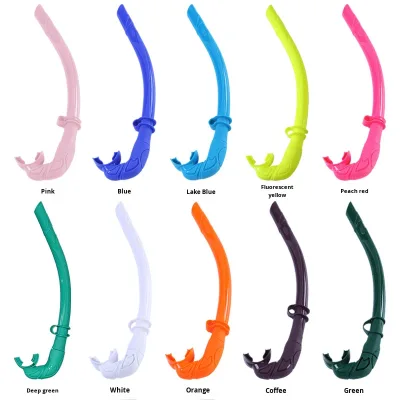
Adult Front Training Snorkel Swimming Equipment Swim Gear Diving Breath Snorkel
$6.88 - $12.38
MOQ: 100 Pieces




Comprehensive Sourcing Guide
Underwater Freestyle Breathing Snorkel Sourcing Guide
Product Scope and Observed Listing Signals
The market for underwater freestyle breathing snorkels encompasses a diverse range of products designed for swimming, diving, and triathlon activities. Observed listings indicate that these items are primarily categorized as snorkels, with specific models such as SN67, SN75, and GN-S03 appearing frequently in supplier catalogs. The product scope extends to related gear like diving snorkeling goggles and full diving suits, suggesting that many suppliers offer comprehensive kits for aquatic sports enthusiasts. Buyers should note that the term "freestyle" often correlates with dry snorkel styles, which are engineered to prevent water ingress during vigorous movement.
Color options observed in current listings include blue, black, and yellow, catering to varied aesthetic preferences and visibility needs. The target audience is broad, covering unisex, men, women, girls, and boys, with specific subsets labeled for juniors and kids. This wide demographic reach implies that sizing and ergonomic design are critical differentiators. Suppliers often highlight customization capabilities, allowing buyers to request custom logos or specific colorways, which is particularly relevant for private label brands looking to establish distinct market identities in the competitive aquatic gear sector.
Technical Specifications to Verify
Material composition is a primary technical consideration, with silicone and PVC being the most commonly observed materials in current listings. Silicone products are often marketed as food-grade, emphasizing safety and comfort against the skin, while PVC variants may offer different durability profiles at potentially lower cost points. Buyers must verify the specific material grade, as "food grade" claims require substantiation through supplier documentation. Additionally, weight specifications such as 165g provide a benchmark for assessing the heft and buoyancy characteristics of the snorkel, which directly impacts user comfort during extended underwater sessions.
Model numbers like SK-403, GN-S16s, and GN-S03_Adult Front Training Snorkel indicate distinct design architectures, including front-training configurations that may offer different hydrodynamic properties. Packaging variations, ranging from simple poly bags to hard PP cases or mesh pouches, suggest differences in product protection and retail readiness. Buyers should also examine size specifications, such as the 4732.543cm dimension noted for certain items, to ensure compatibility with intended use cases. Verifying the lens material, often tempered glass for goggles, is essential for durability and optical clarity in underwater environments.
Compliance and Safety Documentation
Certification status is a critical verification point, with CE marking appearing frequently across observed listings. Some suppliers also reference ISO 9001:2008 standards, indicating adherence to quality management systems, while others mention ISOCCC, which may relate to specific environmental or corporate compliance frameworks. Buyers must rigorously validate these certifications, ensuring that the documentation is current and issued by recognized bodies. The presence of CE certification is particularly important for access to European markets, where regulatory compliance is strictly enforced for consumer goods.
Safety standards related to material composition, such as food-grade silicone requirements, must be confirmed through independent testing reports. The observation of "tempered glass lens & FOOD GRADE SILICONE" as a standard highlights the importance of non-toxic materials in direct-contact gear. Buyers should request material safety data sheets (MSDS) and third-party lab test results to verify that products meet international safety benchmarks. Relying solely on supplier assertions without documented proof can lead to significant compliance risks and potential product recalls in regulated markets.
Cost Drivers and Commercial Terms
The observed price range of 1.7 to 98 USD reflects significant variation based on material quality, complexity, and included accessories. Lower-priced items likely utilize basic PVC materials and minimal packaging, while higher-priced options may feature premium silicone, advanced dry-valve technology, or bundled sets including goggles and masks. Minimum Order Quantities (MOQ) ranging from 1 to 500 units indicate flexibility for both small-scale testers and large-volume distributors. Buyers should align their order volume with their inventory turnover rates to optimize cash flow and minimize storage costs.
Packaging specifications, such as 1PCE in a polybag or 10PCS/Carton, directly impact shipping efficiency and retail presentation. Suppliers offering OEM and ODM services provide additional value through custom branding and design modifications, which may incur setup fees or higher unit costs. Buyers should negotiate clear terms regarding logo printing, custom packaging, and sample costs. Understanding the total landed cost, including shipping and duties, is essential for accurate margin calculation, especially when sourcing from regions like Guangdong, China, where logistics costs can fluctuate.
Supplier Qualification and Quality Control
Supplier location data points to origins in China, specifically Guangdong and Dongguan, which are known hubs for manufacturing diving and swimming equipment. Buyers should verify the supplier’s business license and production capacity to ensure they can meet demand consistently. The availability of customization services, including custom logos and colors, suggests a degree of manufacturing flexibility. However, buyers must assess the supplier’s ability to maintain quality consistency across large production runs, particularly when dealing with complex assemblies like dry snorkels with multiple moving parts.
Quality control processes should be explicitly defined in the purchase agreement, including pre-shipment inspection protocols. Buyers should request photos or videos of the production line and finished goods to verify workmanship and material integrity. Given the variety of models and materials observed, establishing a clear specification sheet with approved samples is crucial to prevent discrepancies. Implementing a robust quality assurance plan, potentially involving third-party inspections, helps mitigate risks associated with defective products and ensures that delivered goods meet the agreed-upon standards.
Long-Term Procurement Checks
Sustainable sourcing practices require ongoing monitoring of supplier performance and product compliance. Buyers should regularly review certification validity and material safety reports to ensure continued adherence to regulatory requirements. The dynamic nature of the aquatic gear market means that product designs and materials may evolve, necessitating periodic re-evaluation of specifications. Establishing a long-term partnership with reliable suppliers can facilitate better pricing, priority production slots, and collaborative innovation in product development.
Market feedback and user reviews should be systematically collected to identify potential design flaws or performance issues. Buyers must remain vigilant against counterfeit or substandard products that may mimic popular models like SN67 or GN-S03. Regular audits of supplier facilities and supply chain transparency are essential for maintaining brand integrity. By focusing on continuous improvement and rigorous verification, buyers can build a resilient procurement strategy that supports long-term growth and customer satisfaction in the competitive underwater sports equipment sector.
FAQs
What materials are used for underwater freestyle breathing snorkels?
The snorkels are primarily constructed from food-grade silicone and PVC. These materials ensure safety and durability for diving and swimming activities. Some models also feature tempered glass lenses for goggles. The silicone components provide a comfortable seal, while PVC parts offer structural integrity for the tube and mouthpiece assembly.
Can I customize the logo on these snorkels?
Yes, custom logo printing is available for these products. Buyers can request OEM or ODM services to brand the snorkels with their own designs. This customization option allows businesses to create unique products for their specific market needs. The supplier supports various branding requirements to enhance product identity.
What certifications do these snorkels hold?
The products hold CE certification and comply with ISO 9001: 2008 standards. Some listings also mention ISOCCC certification. These certifications indicate that the manufacturing processes and product safety meet international quality and regulatory requirements. Buyers can rely on these documented standards for compliance in various markets.
What is the typical packaging for these snorkels?
Packaging options include poly bags, clear OPP bags, and PP hard cases. Some items are packed in PVC mesh pouches or cartons for bulk shipping. Standard packing is often one piece per polybag, with ten pieces per carton. This flexible packaging ensures product protection during transit and storage.
Are these snorkels suitable for children and adults?
Yes, the snorkels are suitable for unisex, men, women, girls, and boys. Specific models are designed for juniors and kids, while others are for adults. The variety of sizes and styles ensures that different age groups can find appropriate gear. This versatility makes them ideal for family diving or group swimming activities.
Where are these snorkels manufactured?
The snorkels are manufactured in China, specifically in Guangdong and Dongguan. These regions are known for their strong manufacturing capabilities in diving and swimming equipment. Buyers can source directly from these locations to benefit from established supply chains and production expertise in the industry.