Source X Ray Disposable Suction Catheter for Hospital, ICU, and Surgery
Compare 30 listings of X Ray Disposable Suction Catheter from verified Chinese manufacturers. Buyers can review specifications like size, material, and sterilization methods to find suitable options for hospital and surgical applications.
Key considerations
Products List


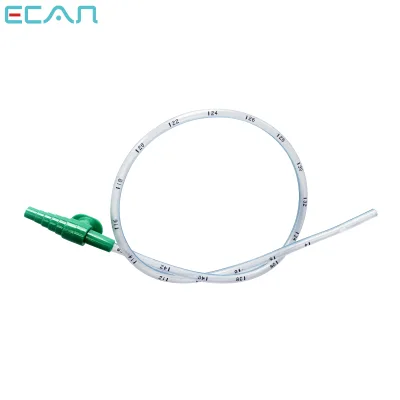


Essential Medical Suction Catheter PVC Disposable Phlegm Suction Catheter
$0.06 - $0.15
MOQ: 1000 Pieces

Disposable Suction Catheter Essential Medical Suction Catheter PVC Disposable
$0.06 - $0.15
MOQ: 1000 Pieces


Comprehensive Sourcing Guide
X Ray Disposable Suction Catheter Sourcing Guide
Procuring x-ray detectable disposable suction catheters requires a disciplined approach to balancing clinical efficacy with supply chain reliability. These devices are critical in intensive care and surgical settings, where maintaining airway patency is paramount. The "x-ray detectable" feature is not merely a marketing term but a vital safety mechanism that allows medical staff to verify catheter placement and presence via radiographic imaging, reducing the risk of retained foreign bodies. Buyers must understand that while the core function remains suctioning, the material composition and structural integrity directly influence patient safety and procedural outcomes.
The market for these supplies is characterized by a wide variance in product specifications, pricing, and supplier capabilities. Sourcing decisions should be driven by a clear understanding of the clinical environment, whether it be a high-volume hospital ward or a specialized surgical center. This guide provides a structured framework for evaluating suppliers, verifying technical attributes, and ensuring compliance with international standards. By focusing on evidence-based verification rather than promotional claims, procurement teams can mitigate risk and secure a consistent supply of high-quality medical devices.
Product Scope and Observed Listing Signals
The observed product landscape reveals a diverse range of catheter types, primarily categorized as drainage tubes, surgical supplies, and injection instruments. Listings indicate a strong presence of closed suction catheters, which are designed to minimize contamination during the suctioning process. These devices are typically sterile and intended for single-use applications, aligning with modern infection control protocols. The material composition is predominantly plastic, with polyvinyl chloride (PVC) being a common choice due to its flexibility and durability. Buyers should note that while "plastic" is a broad category, the specific grade and formulation can impact biocompatibility and performance.
Pricing signals in the current market range from $0.03 to $6.00 USD, reflecting significant variation in quality, packaging, and order volume. The minimum order quantity (MOQ) typically spans from 50 to 10,000 units, offering flexibility for both small clinics and large hospital networks. Some suppliers offer customization options, including logo printing and specific packaging configurations, such as individual pouches or bulk cartons. However, buyers must exercise caution when interpreting low-price points, as they may correlate with lower-grade materials or less rigorous quality control processes. The presence of ethylene oxide sterilization is a standard feature, ensuring the devices are free from viable microorganisms upon delivery.
Technical Specifications to Verify
Size and dimension are critical parameters that must be verified against clinical requirements. The observed size range for these catheters spans from French (Fr) 5 to Fr 24, with specific models catering to adult patients. Common sizes include Fr 6, Fr 8, Fr 10, Fr 12, Fr 14, and Fr 16, which are frequently used in various medical procedures. The length of the catheter also varies, with some models offering lengths between 40mm and 110mm. Buyers should ensure that the selected size and length are appropriate for the intended patient demographic and procedure, as incorrect dimensions can lead to ineffective suctioning or patient discomfort.
The x-ray detectable feature is a key technical attribute that must be confirmed through product documentation. This feature is typically achieved by incorporating a radiopaque strip or marker into the catheter wall, allowing it to be visualized on x-ray images. Buyers should request technical datasheets that specify the location and visibility of this marker. Additionally, the catheter's structural integrity, including its flexibility and resistance to kinking, should be evaluated. The color of the catheter, often transparent, aids in visual inspection for blockages or debris. Verification of these technical specifications ensures that the product meets the necessary clinical standards for safety and efficacy.
Compliance and Safety Documentation
Regulatory compliance is non-negotiable in the medical device supply chain. The observed listings indicate that many products hold CE certification and ISO 13485 certification, which are essential for market access in many regions. ISO 13485 specifically addresses quality management systems for medical devices, ensuring that manufacturers maintain consistent quality throughout the production process. Buyers must verify the validity of these certifications and ensure they cover the specific product models being procured. Additionally, some products may carry FDA certification, which is required for sales in the United States. It is crucial to confirm that the certification status is current and applicable to the specific device class.
Safety standards and classification are also vital considerations. The observed products are classified as Class II medical devices, indicating a moderate to high risk that requires special controls to ensure safety and effectiveness. The safety standard ISO 13485 is frequently cited, reinforcing the importance of quality management. Buyers should request copies of the certificates of conformity and ensure that the manufacturer has a robust system for handling adverse events and product recalls. Furthermore, the sterile nature of the catheters must be maintained throughout the supply chain, with proper packaging and storage conditions specified to prevent contamination.
Cost Drivers and Commercial Terms
Several factors influence the cost of x-ray disposable suction catheters, including material quality, sterilization method, and packaging complexity. High-grade PVC and advanced sterilization techniques, such as ethylene oxide, can increase production costs but enhance product safety and reliability. Packaging options, ranging from simple cartons to individual sterile pouches, also impact the final price. Buyers should consider the total cost of ownership, which includes not only the unit price but also storage, handling, and potential waste costs. Competitive pricing should not come at the expense of quality or compliance, as this can lead to higher costs in the long run due to adverse events or supply disruptions.
Commercial terms, such as MOQ and lead times, play a significant role in procurement planning. The observed MOQ range of 50 to 10,000 units allows for flexible ordering, but buyers must align their order quantities with their consumption rates to avoid excess inventory or stockouts. Lead times can vary depending on the supplier's production capacity and the complexity of the order. Buyers should negotiate clear terms regarding delivery schedules, payment methods, and return policies. Additionally, the availability of customization services, such as logo printing or specific packaging, may incur additional costs. Understanding these commercial dynamics helps in building a sustainable and cost-effective supply chain.
Supplier Qualification and Quality Control
Supplier qualification is a critical step in ensuring the reliability of the supply chain. Buyers should conduct thorough due diligence on potential suppliers, including verifying their business licenses, manufacturing capabilities, and quality management systems. The observed product origins, such as China and Shaoxing, provide insight into the manufacturing hubs, but buyers must assess the specific supplier's track record and reputation. Requesting samples for testing and evaluation is a best practice to verify product quality and performance. Buyers should also inquire about the supplier's history of regulatory inspections and any past compliance issues.
Quality control processes should be transparent and rigorous. Suppliers should have documented procedures for incoming material inspection, in-process control, and final product testing. The quality guarantee period of two years, as observed in some listings, indicates a level of confidence in product durability, but buyers should clarify what this guarantee covers. Regular audits of the supplier's facilities can provide valuable insights into their operational practices and commitment to quality. Establishing a strong relationship with a qualified supplier ensures a consistent supply of high-quality catheters and facilitates effective communication in case of issues.
Long-Term Procurement Checks
Long-term procurement success depends on continuous monitoring and evaluation of supplier performance. Buyers should establish key performance indicators (KPIs) to track metrics such as on-time delivery, product quality, and responsiveness to issues. Regular reviews of supplier performance can help identify areas for improvement and strengthen the partnership. Additionally, staying informed about changes in regulatory requirements and industry standards is essential to ensure ongoing compliance. Buyers should proactively engage with suppliers to discuss potential improvements in product design or manufacturing processes.
Supply chain resilience is another critical aspect of long-term procurement. Diversifying the supplier base can mitigate the risk of disruptions due to geopolitical events, natural disasters, or production issues. Buyers should maintain a list of qualified alternative suppliers and regularly update their risk assessments. Furthermore, fostering open communication with suppliers can lead to collaborative problem-solving and innovation. By focusing on long-term relationships and continuous improvement, buyers can secure a stable and reliable supply of x-ray disposable suction catheters, ultimately supporting better patient care and operational efficiency.
FAQs
What sizes are available for x ray disposable suction catheters?
Listed products commonly come in French sizes ranging from F6 to F18, with some lines extending from Fr5 up to Fr24. Size choice depends on the patient airway and clinical protocol, so buyers should confirm which Fr sizes a supplier can offer before ordering. Most listings cover adult use, and size availability may vary by model such as CW-ZGQLK01 or HS-A14.
Which certifications should these catheters have?
Product listings typically show CE and ISO 13485 certification, and some items also reference FDA registration alongside ISO and CE marks. Class II classification applies to certain listed catheters. Buyers should request current certificates from suppliers, verify the scope covers suction catheters specifically, and confirm the documents match the exact model and sterilization method being quoted.
Can the catheters be customized with our logo and packaging?
Yes, customization is available on listed products, and logos can be neutral or customized per buyer requirements. OEM service is also offered by some listings. Typical options include logo printing on the pouch or carton and private-label packaging such as paper-plastic or PE pouches. Confirm minimum order quantities, artwork requirements, and any added cost directly with the supplier before placing a trial order.
How are the catheters sterilized and packaged?
Listed catheters are supplied sterile using ethylene oxide sterilization, which is standard for single-use suction products. Packaging formats shown include individual pouches, often one piece per pouch with ten pouches per box and ten boxes per carton, plus PE or paper-plastic pouches and shipping cartons. Confirm the packing configuration per carton and shelf requirements when requesting quotations.
What is the shelf life of these disposable suction catheters?
The listed quality guarantee period is two years from the date of manufacture. Because ethylene oxide sterilized products can degrade packaging seals over time, buyers should check sterilization dates on arrival and plan stock rotation accordingly. Some product lines reference 24-hour and 72-hour usage variants, which refers to the closed suction system duration rather than shelf life, so clarify usage time separately when sourcing.
Are these catheters suitable for closed suction systems?
Several listed products are closed suction catheters designed for use with closed suction systems, with model references such as ST-DR17 and ST-DR01 available in 24-hour and 72-hour variants. Closed systems allow airway suctioning without disconnecting the ventilator circuit. Buyers should match catheter length, typically in the 40mm to 110mm range for some models, and connector type to the endotracheal tubes in use.
What material are the catheters made from?
Listed catheters are made from plastic, with PVC explicitly named as the material for certain models. PVC is flexible, transparent, and cost-effective for single-use suction applications. If your protocol requires alternative plastics or softer tip materials, confirm material composition and any latex-free status directly with the supplier, since the listings do not state this for every model.
What are typical minimum order quantities and lead times?
Observed minimum order quantities for listed products range from 50 pieces to 10,000 pieces, depending on the model and customization level. Unit prices observed in listings range from roughly 0.03 to 6 US dollars. Lead times are not stated on the listings, so buyers should request production schedules, sample availability, and shipping terms directly from suppliers before committing to an order.