Source UV Printing Cord Lanyard for Luggage, Keys, and ID Cards
Compare 30 UV Printing Cord Lanyard options from verified suppliers in China. Buyers can evaluate customization, materials like polyester, and printing methods such as heat transfer or digital printing for luggage belts, keychains, and card holders.
Key considerations
Products List


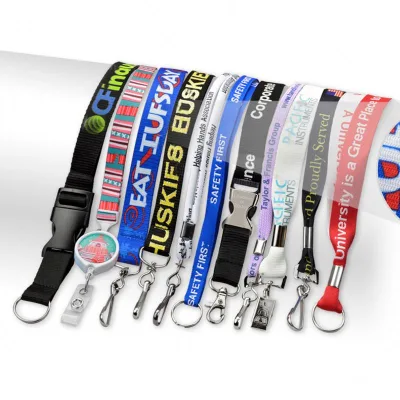
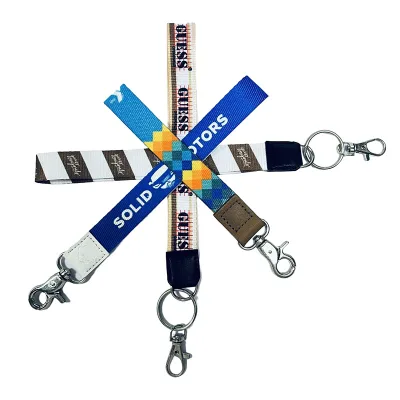
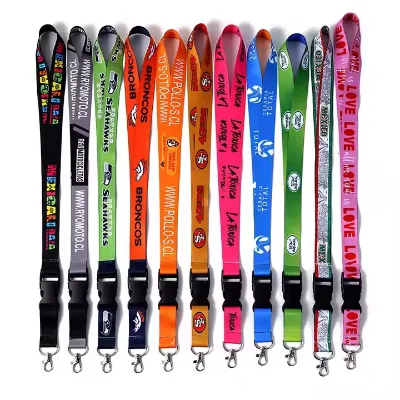


Breakaway Lanyard, ID Card Lanyard, Polyester Lanyard with Printing Logo
$0.15 - $0.20
MOQ: 500 Pieces


Yellow Lanyard with Clip, Silk Printing Lanyard, Card Holder Lanyard, Event Lanyard
$0.15 - $0.28
MOQ: 1000 Pieces


Custom Logo Printing Woven Embroidery Polyester Nylon ID Card Holder Gift Lanyard
$0.05 - $0.25
MOQ: 100 Pieces

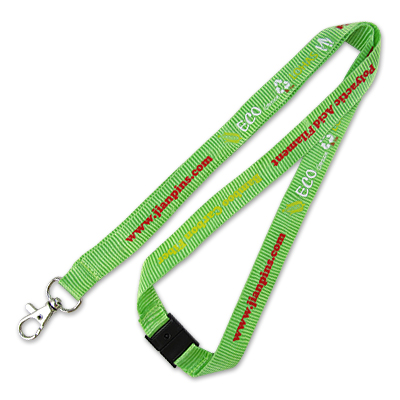


Comprehensive Sourcing Guide
UV Printing Cord Lanyard Sourcing Guide
Sourcing UV printing cord lanyards requires a nuanced understanding of how digital direct-to-garment or direct-to-object printing technologies interact with synthetic textile substrates. Unlike traditional silk screen or heat transfer methods, UV printing utilizes ultraviolet light to cure ink instantly, allowing for high-resolution, full-color graphics on materials like polyester. This guide synthesizes observed market signals and technical realities to help procurement professionals navigate the complexities of ordering custom lanyards with precise branding requirements. The focus is on verifying material compatibility, understanding the limitations of digital printing on flexible cords, and establishing robust quality control measures to ensure brand consistency across large production runs.
The procurement landscape for these items is characterized by a wide variance in customization capabilities and technical specifications. Buyers must distinguish between standard off-the-shelf items and fully bespoke solutions, as the latter often involve stricter minimum order quantities and longer lead times. While the market offers a broad range of widths, colors, and attachment hardware, the core value proposition lies in the ability to reproduce complex logos and gradients without the setup costs associated with analog printing methods. This guide provides a structured approach to evaluating suppliers, ensuring that the final product meets both aesthetic expectations and functional durability standards required for corporate events, trade shows, and daily operational use.
Product Scope and Observed Listing Signals
The current market for lanyards exhibits significant diversity in material composition, with polyester emerging as the dominant substrate due to its durability and printability. Observed listings indicate a strong preference for woven or knitted polyester cords, which provide a smooth surface essential for high-fidelity UV printing. The width of these lanyards varies, with common specifications including 10mm and 20mm options, allowing buyers to select the appropriate visual weight for their brand identity. Narrower cords are often preferred for professional business settings, while wider bands may be chosen for visibility at large events. The color palette extends beyond standard hues, with many suppliers offering custom color matching to align with specific corporate branding guidelines.
Customization is a central feature of the lanyard market, with suppliers frequently highlighting their ability to accommodate unique design requests. This includes the integration of custom logos, text, and intricate graphics, often facilitated by digital printing techniques that eliminate the need for physical screens. The observed data suggests that many manufacturers offer flexible packaging options, ranging from individual polybag packaging for retail-ready items to bulk carton packing for large-scale corporate orders. Additionally, the inclusion of various hardware components, such as plastic breaks, metal clips, and ID card holders, allows for functional versatility. Buyers should note that while many suppliers claim "custom" capabilities, the extent of this customization, particularly regarding hardware and cord construction, varies significantly between vendors.
Technical Specifications to Verify
When evaluating lanyards for UV printing, the substrate's surface texture and composition are critical factors that influence print quality and adhesion. Polyester is the most commonly cited material, but the specific weave density and finish can affect how well the UV-cured ink bonds to the cord. Buyers must verify that the supplier uses high-quality polyester that is free from excessive lint or loose fibers, which can interfere with the printing head and result in uneven ink deposition. The width of the lanyard, typically ranging from 10mm to 20mm, must be compatible with the supplier's printing equipment. Narrower cords may require specialized fixtures to ensure stability during the printing process, while wider cords offer more space for complex designs but may incur higher material costs.
The printing technique itself, whether UV direct printing, silk screen, or heat transfer, dictates the durability and visual characteristics of the final product. UV printing is particularly advantageous for full-color, photorealistic images, but it requires careful verification of ink curing and resistance to abrasion. Buyers should inquire about the specific printing process used and request samples to assess the feel and flexibility of the printed area. Additionally, the hardware components, such as the breakaway clips and ID card holders, are often made of plastic or metal and must be compatible with the lanyard's intended usage. The size and weight of the attached hardware can impact the overall comfort and functionality of the lanyard, so these specifications should be clearly defined in the purchase order to avoid discrepancies in the final delivery.
Compliance and Safety Documentation
Safety and regulatory compliance are paramount when sourcing lanyards, particularly those intended for use by children or in environments with strict safety standards. The breakaway feature, designed to prevent strangulation hazards, is a critical safety element that must be verified for proper tension and release strength. Buyers should request documentation confirming that the breakaway clips meet relevant safety standards, such as those specified by consumer product safety agencies. Additionally, the materials used in the lanyard, including the polyester cord and plastic hardware, should be free from harmful substances. Certifications such as REACH compliance indicate that the product adheres to European Union regulations regarding the restriction of hazardous chemicals, providing an additional layer of assurance for buyers in regulated markets.
Environmental considerations are increasingly influencing procurement decisions, with many buyers seeking eco-friendly options. Suppliers may claim that their products are made from recycled materials or are themselves recyclable, but these claims require verification. Buyers should ask for specific details about the material composition and end-of-life disposal recommendations. Furthermore, the printing inks used in UV printing should be evaluated for their environmental impact, including VOC emissions and toxicity. While UV inks are generally considered more environmentally friendly than solvent-based inks, buyers should still inquire about the supplier's waste management practices and any available environmental certifications. Ensuring that the lanyards meet both safety and environmental standards is essential for maintaining brand reputation and complying with corporate social responsibility policies.
Cost Drivers and Commercial Terms
The cost of UV printing lanyards is influenced by several key factors, including the complexity of the design, the quantity ordered, and the specific materials and hardware selected. High-resolution, full-color designs typically incur higher printing costs due to the increased ink usage and longer processing times compared to simple text or single-color logos. The minimum order quantity (MOQ) is another significant cost driver, with many suppliers setting MOQs ranging from 100 to 1000 pieces. Larger orders often benefit from economies of scale, reducing the per-unit cost, but buyers must balance this with their inventory management capabilities and storage constraints. It is essential to clarify the MOQ and pricing tiers with the supplier early in the sourcing process to avoid unexpected costs.
Commercial terms, including lead times and payment conditions, also play a crucial role in the total cost of ownership. Lead times for production can vary based on the complexity of the order and the supplier's current workload, with typical ranges extending from 10 to 15 days for production after sample approval. Sample times are generally shorter, often around 3 to 7 days, but may incur additional charges unless waived by the supplier. Buyers should negotiate clear payment terms, such as a deposit followed by balance payment before shipment, to mitigate financial risk. Additionally, shipping costs and methods, such as FedEx, DHL, or UPS, should be factored into the overall budget, especially for international orders. Understanding these commercial dynamics allows buyers to plan their procurement cycles effectively and manage cash flow efficiently.
Supplier Qualification and Quality Control
Selecting a reliable supplier for UV printing lanyards requires a thorough evaluation of their production capabilities and quality control processes. Buyers should verify the supplier's experience with UV printing technology, including the type of equipment used and the expertise of their technical staff. Requesting references or case studies from previous clients can provide insights into the supplier's reliability and consistency. Additionally, suppliers should have a robust quality control system in place, including inspections at various stages of production, from material receipt to final packaging. Buyers should inquire about the specific quality checks performed, such as color matching, print adhesion tests, and hardware functionality checks, to ensure that the final product meets their standards.
Sample approval is a critical step in the qualification process, allowing buyers to assess the physical quality of the lanyards before committing to a large order. Buyers should request samples with their specific design and hardware requirements to evaluate the print quality, color accuracy, and overall durability. It is important to test the samples under real-world conditions, such as repeated wear and tear, exposure to sunlight, and contact with various substances, to ensure that the print remains intact and the lanyard functions as intended. Suppliers that offer free samples with stock or reasonable sample charges demonstrate confidence in their product quality. Establishing a clear sample approval process helps to minimize the risk of receiving substandard products and ensures that the final production run aligns with the buyer's expectations.
Long-Term Procurement Checks
Establishing long-term relationships with lanyard suppliers involves ongoing monitoring of performance metrics and continuous improvement initiatives. Buyers should track key performance indicators such as on-time delivery rates, defect rates, and responsiveness to issues. Regular communication with the supplier can help identify potential problems early and foster a collaborative environment for resolving challenges. Additionally, buyers should periodically review the supplier's compliance with safety and environmental standards, ensuring that they remain up-to-date with regulatory changes. This proactive approach helps to mitigate risks and ensures that the supplier continues to meet the buyer's evolving needs.
As technology and market trends evolve, buyers should remain open to exploring new printing techniques and materials that may offer improved performance or cost efficiencies. For example, advancements in UV printing technology may lead to faster production times or higher print quality, while new eco-friendly materials may align better with sustainability goals. Buyers should encourage suppliers to innovate and provide regular updates on new product offerings. By maintaining a flexible and forward-thinking procurement strategy, buyers can ensure that their lanyard sourcing remains competitive, cost-effective, and aligned with their brand values over the long term. This continuous evaluation and adaptation process is essential for sustaining a successful supply chain in the dynamic promotional products industry.
FAQs
What customization options are available for the lanyards?
Customization is available for logos and colors on these polyester lanyards. Buyers can request specific designs using heat transfer or digital printing techniques to match their brand identity.
Which printing methods are used for these custom lanyards?
The lanyards utilize heat transfer printing, silk screen printing, and digital printing. These methods ensure high-quality logo application on the polyester material for various usage scenarios.
Can I order samples before placing a bulk order?
Yes, samples are available with a lead time of 5 to 7 days. Production samples typically take 10 to 15 days, allowing buyers to verify quality before committing to larger quantities.
What are the standard dimensions for the lanyard product?
Standard sizes include 20mm width by 900mm length or 10mm width options. Customized sizes are also available to meet specific requirements for luggage belts, card holders, or key lanyards.
How is the product packed for shipment?
Products are packed 50 pieces per polybag and 1000 pieces per carton. The carton size is 30 by 30 by 50 cm, ensuring safe transport for bulk orders from the factory.
What certifications do the lanyards meet?
The products meet REACH standards and can be customized to other customer designs. Some listings also reference CE standards, ensuring compliance with safety and material regulations for export.
Where are these lanyards manufactured?
The lanyards originate from Dongguan, Guangdong, and Fujian, China. These locations serve as the primary production hubs for the polyester cord lanyards with various customization capabilities.