Source Business ID Badge Lanyard for Card Phone Key
Compare 30 Business ID Badge Lanyard options from verified suppliers. Buyers can evaluate customization, printing methods, and material types like polyester for card, mobile phone, and key applications. Various widths including 4mm, 7mm, 8mm, and 10mm are available with red, purple, and white colors. Lead times are typically 5-7 days after approval for standard printing designs.
Key considerations
Products List




Comprehensive Sourcing Guide
Business ID Badge Lanyard Sourcing Guide
Procuring business ID badge lanyards requires a strategic approach that balances aesthetic alignment with functional durability. These accessories serve as critical tools for workplace security, brand visibility, and employee identification. Buyers must evaluate the interplay between material composition, printing techniques, and hardware quality to ensure the final product meets organizational standards. The market offers diverse options ranging from simple polyester straps to complex RFID-integrated solutions, necessitating a clear understanding of specific operational needs before initiating supplier engagement.
The sourcing process involves verifying technical specifications against observed listing signals to prevent mismatches in delivery. Key attributes such as width, color, and customization capabilities directly impact the lanyard’s suitability for different corporate environments. By focusing on verified data points like material type and printing methods, procurement teams can filter out irrelevant listings and concentrate on suppliers who demonstrate the capacity to deliver consistent, high-quality products that align with their brand identity and security protocols.
Product Scope and Observed Listing Signals
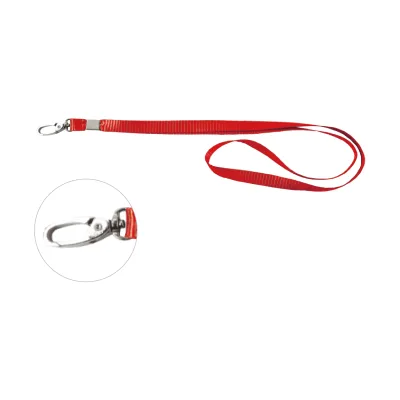
The observed product landscape reveals a wide variety of lanyard configurations, primarily constructed from polyester materials with plastic lock mechanisms. Listings indicate multiple width options, including 4mm, 7mm, 8mm, and 10mm variants, allowing buyers to select the appropriate strap thickness for their specific badge size and comfort requirements. The standard length is frequently cited as 40cm, though custom dimensions are available, ensuring the lanyard hangs correctly for different user heights and uniform styles. This variability in physical specifications underscores the importance of precise measurement during the initial sourcing phase.
Color and pattern customization are prominent features in the current market, with red, purple, and white options readily available alongside logo and cartoon designs. The printing capabilities extend beyond standard methods to include offset, silk screen, digital, inkjet, laser, and CMYK processes, offering extensive flexibility for brand integration. Some listings also suggest the integration of non-contact read-write card structures, indicating that certain lanyards may support RFID or smart card technologies for enhanced access control. Buyers should carefully review these technical attributes to ensure the selected lanyard supports their intended security and identification functions.
Technical Specifications to Verify
Verifying the technical integrity of the lanyard components is essential for long-term usability and security. Buyers must confirm the exact material composition, ensuring that polyester straps meet durability standards for daily wear and tear. The plastic lock mechanism should be inspected for robustness and ease of use, as frequent detachment and reattachment can lead to premature failure. Additionally, the width of the strap must be compatible with the ID badge holder or clip being used, preventing slippage or misalignment during active use in professional settings.
Printing quality and adhesion are critical factors that affect the longevity of the brand’s visual identity. Buyers should verify that the chosen printing method, whether silk screen, offset, or digital, provides vibrant, fade-resistant colors that withstand washing and environmental exposure. For lanyards intended to support smart cards, the integration of the read-write chip must be seamless and secure, ensuring reliable data transmission without compromising the structural integrity of the strap. Confirming these technical details with the supplier before mass production helps avoid costly rework and ensures the final product meets operational expectations.
Compliance and Safety Documentation
Ensuring that lanyards meet relevant safety and environmental standards is a crucial step in the procurement process. Buyers should request documentation confirming that the polyester material and plastic components are free from harmful substances such as lead, phthalates, or azo dyes, particularly if the lanyards are used in regions with strict regulatory requirements. Compliance with international standards for textile safety and chemical management helps mitigate legal risks and demonstrates a commitment to employee well-being and corporate social responsibility.
Additionally, verifying the manufacturing standards and quality control procedures of the supplier is essential for maintaining consistent product quality. Buyers should inquire about the supplier’s adherence to recognized quality management systems and their protocols for inspecting finished goods before shipment. This includes checking for defects in stitching, printing alignment, and hardware functionality. By prioritizing suppliers with robust compliance frameworks, organizations can ensure that their ID badge lanyards are safe, durable, and suitable for widespread use across their workforce.
Cost Drivers and Commercial Terms
Several factors influence the final cost of business ID badge lanyards, including material selection, printing complexity, and order volume. Polyester is a cost-effective material, but the choice of width, color, and custom printing techniques can significantly impact the unit price. Buyers should analyze the price range of different configurations to identify the most cost-effective options that still meet their quality and aesthetic requirements. Understanding these cost drivers allows for more accurate budgeting and negotiation with suppliers.
Commercial terms such as minimum order quantity (MOQ), lead times, and payment conditions also play a significant role in the procurement decision. Listings indicate MOQs ranging from small quantities to large bulk orders, providing flexibility for both trial runs and large-scale deployments. Lead times typically vary based on the complexity of customization and the current production schedule, with standard printing often taking five to seven days after design approval. Buyers should negotiate clear terms regarding shipping, returns, and warranties to protect their interests and ensure a smooth transaction process.
Supplier Qualification and Quality Control
Evaluating supplier qualifications is vital for establishing a reliable supply chain for business ID badge lanyards. Buyers should assess the supplier’s experience in manufacturing lanyards, their production capacity, and their ability to handle custom orders efficiently. Checking for relevant certifications and past client testimonials can provide insights into the supplier’s reliability and commitment to quality. A supplier with a proven track record is more likely to deliver products that meet specifications and deadlines consistently.
Implementing a rigorous quality control process is essential to maintain product standards throughout the production cycle. Buyers should define clear quality criteria and conduct pre-production samples approval to ensure that materials, colors, and printing match the agreed-upon designs. During production, random inspections can help identify and address any defects early on. Post-production, a final inspection should verify that the packaging, labeling, and overall product quality meet the required standards before shipment, minimizing the risk of receiving subpar goods.
Long-Term Procurement Checks
Establishing long-term procurement checks ensures that the relationship with the supplier remains productive and beneficial over time. Regular performance reviews should be conducted to assess the supplier’s adherence to quality standards, delivery timelines, and responsiveness to issues. By maintaining open communication and providing constructive feedback, buyers can foster a collaborative partnership that leads to continuous improvement and better service levels. This proactive approach helps in identifying potential problems early and implementing corrective actions promptly.
Additionally, buyers should periodically review market trends and technological advancements in lanyard manufacturing to stay competitive and innovative. This includes exploring new materials, printing techniques, or smart card integrations that could enhance the functionality and appeal of the ID badge lanyards. By staying informed and adaptable, organizations can ensure that their procurement strategy evolves in line with changing business needs and industry standards, ultimately supporting their operational efficiency and brand image.
FAQs
How can I customize a Business ID Badge Lanyard with my company logo?
You can customize a Business ID Badge Lanyard with your company logo through printed polyester webbing. Customization is available on listed products, with printing techniques including silk screen, offset, digital, ink jet, laser, CMYK, spot, and four color process. Provide artwork as PDF, AI, CDR, or TIFF at 300 dpi resolution, and confirm logo size acceptance before production begins.
What materials and widths are available for a Business ID Badge Lanyard?
Business id badge lanyards on this page are made of polyester with plastic lock fittings. Available widths include 4mm, 7mm, 8mm, and 10mm, with longer widths such as 15mm and 20mm listed on standard 900mm lanyard models. Width choice depends on usage, since card lanyards and mobile phone lanyards typically use narrower webbing than luggage or bottle lanyards.
Can a Business ID Badge Lanyard be ordered in colors like red, purple, or white?
Yes, red, purple, and white are listed color options for these Business ID Badge Lanyard products. Because printing is customized, additional colors can usually be matched to your brand palette when you supply a spot color reference. Confirm the color availability for your chosen width and printing method with the supplier before placing an order.
What is the standard length of a Business ID Badge Lanyard?
A standard listed Business ID Badge Lanyard comes at 40CM, while polyester lanyard models list 900mm lengths in 10mm, 15mm, and 20mm widths. Customization is available, so you can request a different finished length to suit adult or visitor wear. Confirm the final length including attachments, since fittings can add usable drop.
Can a Business ID Badge Lanyard support work permit ID cards directly?
Yes, card lanyard usage is listed, and matching work permit ID cards are offered in the same category. These read-write cards come in 85.5 by 54 mm or custom size, 0.76mm or 0.84mm thickness, glossy surface, with no chip or an added chip option. Choose lanyard clips or punches compatible with the card thickness you select.
How long does production of a customized Business ID Badge Lanyard take?
Lead time listed for related printed card products is normally 5 to 7 days after artwork approval for standard printing. Lanyard production time depends on order quantity, printing method, and customization level, so confirm the schedule with your supplier. Carton packing is the listed packing method, which affects freight planning for larger orders.
What printing methods can be used on a Business ID Badge Lanyard?
Listed printing options include silk screen printing, offset printing, digital printing, ink jet, laser printing, CMYK, spot printing, and four color process. Silk screen suits simple logos in few colors, while CMYK or digital printing handles photographic or multicolor designs. Choose the method based on logo complexity, order quantity, and the polyester webbing width you need.
Where are these Business ID Badge Lanyard products manufactured?
The listed products originate from China, with Guangdong specified as the origin for several lanyard models. Guangdong is a common manufacturing region for lanyards, printed cards, and badge accessories, giving buyers many sourcing options. When comparing suppliers, review origin, packing methods such as carton, and customization capability alongside pricing and minimum order quantities.