Source Soft Enamel Phone Lanyard for Luggage, Cards, and Keys
Compare 30 listings for Soft Enamel Phone Lanyard options featuring polyester and nylon materials with custom logos. Buyers can evaluate widths, lock types, and printing techniques to find suitable solutions for luggage belts, card holders, and mobile phone accessories; compare the available evidence and request quotations based on your requirements.
Key considerations
Products List


Lanyard for Mobile Phone, String Lanyard, Polyester Lanyard, Promotional Lanyard
$0.15 - $0.20
MOQ: 1000 Pieces


Phone Lanyard Cell Phone Lanyard Customized Lanyard Rope Adjustable Phone Cord
$0.75 - $1.66
MOQ: 100 Pieces


Crossbody Back Adjustable Advanced Sense Strong Durable Mobile Phone Lanyard
$0.65 - $0.71
MOQ: 1000 Pieces
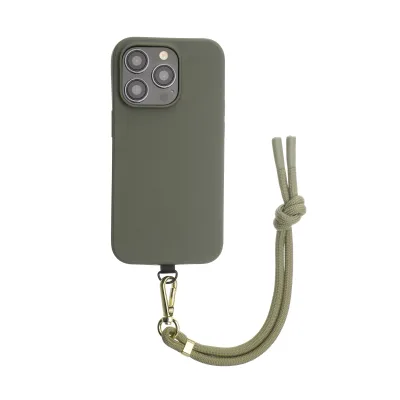


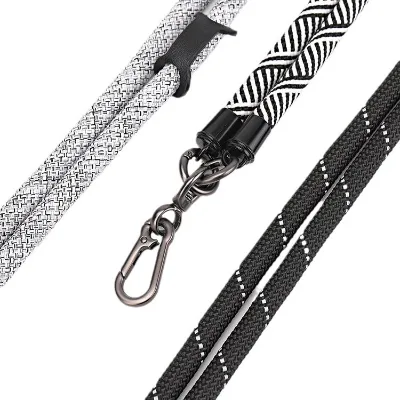
Metal Key Chain Mobile Phone Lanyard Badge Lanyard Anti-Losing Short Lanyard
$0.39 - $0.50
MOQ: 1000 Pieces

Comprehensive Sourcing Guide
Soft Enamel Phone Lanyard Sourcing Guide
The Soft Enamel Phone Lanyard market offers diverse customization options, with observed listings featuring materials like polyester and nylon to suit various branding needs. Buyers should note that while some products utilize printed techniques, others rely on heat transfer or screen printing to achieve the desired aesthetic. The available styles range from fashion-forward designs to business-appropriate and cute variations, allowing procurement teams to align the product with specific corporate identities or promotional campaigns.
When evaluating potential suppliers, it is critical to verify the specific width and length standards, as observed listings show dimensions such as 20mm, 10mm, and standard lengths of 90cm. The locking mechanisms vary significantly between plastic and metal options, which directly impacts durability and the perceived value of the final accessory. Procurement teams must ensure that the selected model, whether identified as 070, 114, or LA80003, matches the intended usage for luggage, bottles, cards, or mobile phones.
Product Scope and Observed Listing Signals
Buyers must carefully distinguish between the different technical applications listed, as the same product category serves multiple distinct functions including luggage belts, bottle lanyards, and key chains. The observed data indicates that specific models are optimized for card and mobile phone usage, while others are designed for broader utility. Understanding these specific usage scenarios is essential for selecting the correct product variant that meets the functional requirements of the end-user without over-specifying or under-delivering on performance.
The customization landscape for these lanyards is extensive, with suppliers accepting client designs for logos and accessories. However, the method of customization varies, ranging from standard printing to heat transfer and woven techniques, each offering different visual outcomes and durability profiles. Procurement teams should verify that the chosen customization method aligns with the brand's quality expectations, as the visual fidelity of a screen-printed logo differs significantly from a woven or heat-transferred design in terms of longevity and texture.
Technical Specifications to Verify
Dimensional accuracy is a primary verification point, as observed listings specify widths of 20mm and 10mm alongside standard lengths of 90cm. Buyers should confirm that the selected model adheres to these precise measurements, as deviations can affect the fit and comfort of the lanyard when worn around the neck or attached to bags. The standard specifications often appear as 2x90cm or 1.5x90cm configurations, and verifying these exact ratios ensures consistency across large production runs and prevents compatibility issues with the intended attachment points.
Material composition and locking mechanisms are equally critical technical factors that define the product's longevity and safety. The supply chain offers both polyester and nylon options, each with distinct tensile strengths and feel characteristics, while the locking hardware is available in either plastic or metal variants. Buyers must validate that the lock material matches the intended load and usage environment, ensuring that metal locks are used for heavier items like keys or phones, while plastic locks may suffice for lighter promotional cards or bottle attachments.
Compliance and Safety Documentation
While the supplied facts confirm that many products are marketed as eco-friendly, buyers must request specific documentation to validate these claims rather than relying on general assertions. The absence of explicit certification names in the provided data means that procurement teams should ask for third-party test reports or material safety data sheets to verify the environmental claims. This due diligence is necessary to ensure that the materials used, such as the polyester or nylon, meet the specific regulatory requirements of the target market regarding chemical content and sustainability.
Safety standards for the locking mechanisms and attachment points are not explicitly detailed in the observed listings, requiring buyers to establish their own verification protocols. Since the products are used to carry items like mobile phones and keys, the integrity of the plastic or metal locks must be tested to prevent accidental detachment and potential loss of valuable items. Buyers should ensure that suppliers provide evidence of tensile strength testing or drop tests to confirm that the lanyards can safely support the weight of the attached accessories under normal usage conditions.
Cost Drivers and Commercial Terms
Pricing in this category is influenced by the complexity of the customization and the choice of materials, with observed price ranges spanning from $0.04 to $4.50 per unit. The variation in cost is driven by factors such as the printing technique, the type of lock material, and the specific model selected, with more intricate designs or metal hardware commanding higher prices. Buyers should analyze the cost structure relative to the volume ordered, as the minimum order quantities observed range from 50 to 5000 pieces, significantly impacting the per-unit economics of the procurement.
Commercial terms and logistics play a pivotal role in the total cost of ownership, with suppliers offering flexible shipping options including sea, air, and courier services. Payment terms are typically structured as TT, and lead times can vary from 15 to 25 days depending on the order volume and customization complexity. Procurement teams must factor in the sample lead time of 5-7 days and the production delivery window when planning their inventory cycles, ensuring that the timeline aligns with marketing launch dates or event schedules to avoid stockouts.
Supplier Qualification and Quality Control
Supplier qualification should focus on their ability to handle the observed range of minimum order quantities, which spans from 50 pieces to 5000 pieces. This flexibility indicates a supplier's capacity to accommodate both small trial orders and large-scale production runs, a crucial capability for buyers testing new designs or scaling successful campaigns. Buyers should verify that the supplier can consistently meet the specified production standards, such as the 2x90cm or 1.5x90cm dimensions, across different order sizes without compromising on quality or consistency.
Quality control processes must be robust enough to handle the diverse customization options, including logos, accessories, and various printing techniques. The observed data suggests that suppliers offer sample acceptance, which is a vital step for verifying the final product before committing to a full production run. Buyers should implement a rigorous inspection protocol that checks for print clarity, material integrity, and lock functionality, ensuring that the final delivered goods match the approved samples and meet the agreed-upon specifications for width, length, and style.
Long-Term Procurement Checks
Sustaining a successful supply chain relationship requires regular audits of the supplier's ability to maintain the observed product standards over time. Buyers should monitor the consistency of material quality, ensuring that the polyester or nylon used remains stable and that the locking mechanisms do not degrade with repeated use. It is also essential to track the supplier's adherence to the specified lead times and delivery windows, as delays in production can disrupt marketing schedules and inventory planning for future promotional campaigns.
Continuous evaluation of the product's market performance and customer feedback is necessary to refine future procurement strategies. As the market evolves, buyers should assess whether the current range of styles, from fashion to business, continues to meet consumer preferences and brand requirements. Regularly reviewing the supplier's capacity for innovation, such as new printing techniques or eco-friendly material options, ensures that the procurement strategy remains competitive and aligned with the latest industry trends and sustainability goals.
FAQs
What materials are used for soft enamel phone lanyards?
Soft enamel phone lanyards are typically crafted from durable polyester or nylon materials. These fabrics provide flexibility and strength for daily use. The lanyards often feature plastic or metal locks for secure attachment. This combination ensures the accessory remains lightweight while supporting the weight of mobile devices effectively.
Can I customize the logo on these lanyards?
Yes, customization is available for most Soft Enamel Phone Lanyard orders. Buyers can submit their own designs for printing or weaving. The supplier accepts client designs for logos and accessories. This allows businesses to create branded merchandise that aligns with their specific marketing needs and visual identity requirements.
What is the typical MOQ for these products?
The minimum order quantity varies by supplier and product model. Some listings accept orders as low as 50 pieces, while others require 100 to 5000 units. Buyers should check specific product pages for exact MOQ requirements. This flexibility helps small businesses and large corporations find suitable sourcing options for their inventory needs.
How long does production take for custom orders?
Production lead times generally range from 15 to 25 days after order confirmation. Sample preparation usually takes 5 to 7 days. These timelines depend on the complexity of the design and the current factory workload. Buyers should plan their procurement schedules accordingly to ensure timely delivery for events or campaigns.
What printing techniques are used for the designs?
Common printing techniques include screen printing, heat transfer printing, and woven methods. Screen printing offers vibrant colors for detailed logos. Heat transfer allows for complex graphics. Woven techniques provide a premium, textured finish. The choice of technique depends on the design complexity and the desired aesthetic outcome for the final product.
Are these lanyards considered eco-friendly products?
Many suppliers offer eco-friendly options for their lanyard collections. Products are often labeled as environmentally friendly, indicating the use of sustainable materials or processes. Buyers seeking green sourcing solutions should verify specific eco-certifications with the supplier. This ensures the products align with corporate sustainability goals and environmental responsibility standards.