Source UV Protection Anti Bird Net for Farms, Gardens, and Orchards
Explore 30 listings for UV Protection Anti Bird Net designed for agricultural and protective applications. Compare specifications such as HDPE material, GSM weights, and UV treatment options from verified suppliers to find the right solution for your needs; compare the available evidence and request quotations based on your requirements.
Key considerations
Products List


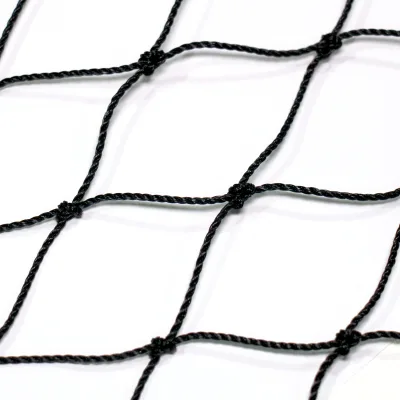


Heavy Duty PE UV Stabilizer Birds Net Anti Bird Netting Plastic Net in Black Color and Stone Color
$0.21 - $0.49
MOQ: 100 Square Meters


UV Protection Anti-Bird Net, Bird Proof Net, Bird Netting (BN0502~BN1010)
$5000.00 - $5600.00
MOQ: 1 Tons

Comprehensive Sourcing Guide
UV Protection Anti Bird Net Sourcing Guide
Procurement of UV protection anti bird nets requires careful selection based on material integrity and environmental resistance. The observed product listings indicate a primary composition of High Density Polyethylene (HDPE) and general PE, with specific models like BN-0010 and SN-BN available in white, green, or black variants. Buyers must verify that the selected netting includes Cibauv treatment or equivalent UV stabilization to ensure longevity in outdoor agricultural settings.
The functional scope extends beyond simple bird exclusion to include protection for crops against harsh weather conditions. Listings confirm capabilities for low and high-temperature resistance alongside acid resistance, making these nets suitable for diverse climates ranging from Australia to Europe. Sourcing decisions should prioritize nets with customizable dimensions, as observed widths range from 1 to 25 meters and lengths vary significantly to match specific farm layouts.
Product Scope and Observed Listing Signals
Buyers should analyze the observed price range of 0.05 to 5600 USD to understand the variance in product quality and scale. This wide spectrum reflects differences in GSM weight, which spans from 7 to 150 grams per square meter, and varying roll configurations. A lower price point often correlates with lighter weights like 7 or 14 GSM, while heavier, more durable nets for intensive agriculture command higher costs.
Listing signals also reveal diverse packaging methods that impact logistics and storage efficiency. Some suppliers offer one roll per strong polybag with color labels, while others utilize pocket packing or carton options for smaller quantities. Procurement teams must align their packaging requirements with their storage capabilities, noting that some products are supplied as one roll per plastic net, which may require additional handling equipment on-site.
Technical Specifications to Verify
Verification of the net's physical construction is critical for ensuring it meets specific agricultural demands. Buyers must confirm whether the product is extruded or woven, as this affects tensile strength and knot security. The observed specifications list standard sizes such as 4x10m, 4x4m, and 10x10m, but customization is available, requiring precise communication of width and length requirements to avoid installation gaps.
Material composition and weight per square meter are the next essential verification points for durability. The supply data indicates a standard of High Density Polyethylene, with specific weights ranging from 10 to 45 GSM for certain models and up to 150 GSM for others. Buyers should request sample swatches to validate the claimed 100% new material content and ensure the UV treatment is applied uniformly across the mesh structure.
Compliance and Safety Documentation
While specific certification data is limited to CE marking in the provided facts, buyers must rigorously request full compliance documentation for their target markets. The CE mark indicates conformity with health, safety, and environmental protection standards for products sold within the European Economic Area, but additional certifications may be required for agricultural use in regions like New Zealand or Australia.
Safety documentation should also address the chemical composition of the plastic and the efficacy of the UV treatment. Since the product is described as eco-friendly, buyers should seek test reports confirming the absence of harmful leaching agents that could contaminate soil or water. Ensuring that the material is 100% new HDPE without recycled contaminants is vital for maintaining food safety standards in agricultural applications.
Cost Drivers and Commercial Terms
The cost of UV protection anti bird nets is heavily influenced by the raw material price of HDPE and the complexity of the UV treatment process. Heavier GSM weights and wider roll dimensions naturally increase the unit cost, while the inclusion of custom colors or specific mesh sizes may add to the manufacturing expense. Buyers should anticipate that specialized treatments for acid or temperature resistance will also impact the final pricing structure.
Commercial terms observed in the market include payment via T/T or L/C, with delivery times typically ranging from 20 to 35 days after deposit. The supply capacity of 100 tons per month suggests that large orders may require careful scheduling to avoid delays. Procurement teams must factor in these lead times when planning seasonal crop protection strategies to ensure nets arrive before the onset of bird migration or harvest seasons.
Supplier Qualification and Quality Control
Supplier qualification should focus on verifying their production capacity and consistency in delivering high-density polyethylene products. The observed supply capacity of 100 tons per month provides a baseline for assessing whether a supplier can meet large-scale procurement needs without compromising quality. Buyers should request evidence of consistent production runs for models like BN-001 or CYWS-809 to ensure batch-to-batch uniformity.
Quality control protocols must include checks on the physical integrity of the netting, such as tensile strength and UV resistance performance. Since the product features are listed as eco-friendly and pressure-treated, buyers should implement incoming quality inspections to verify that the nets meet the specified GSM weights and color standards. Regular audits of the supplier's manufacturing process can help prevent issues related to material degradation or inconsistent mesh sizing.
Long-Term Procurement Checks
Establishing a long-term procurement strategy requires regular re-evaluation of supplier performance against the original specifications. Buyers should monitor the consistency of delivery times, which are currently listed as 20 to 35 days, and ensure that the supplier maintains their supply capacity of 100 tons per month during peak demand periods. Any deviation in lead times or material quality should trigger an immediate review of the supplier relationship.
Continuous verification of the product's performance in the field is essential for validating the initial selection of UV protection anti bird nets. Buyers should track the longevity of the nets in varying weather conditions, specifically checking for signs of UV degradation or tearing after extended exposure. Maintaining a record of performance data will help refine future purchasing decisions and ensure that the selected products continue to meet the evolving needs of the agricultural operation.
FAQs
What certifications do the anti bird nets have?
The anti bird nets carry CE certification as a documented standard for the product line. This certification applies to the specific models listed such as BN-0010 and BN-001. Buyers should verify specific batch details with the supplier to ensure compliance with local regulations before placing large orders.
How long is the delivery time for these nets?
Delivery typically takes between 20 to 35 days after the deposit is received. Some specific orders may require about 30 days for processing and shipment. This lead time applies to standard production runs and may vary based on the total quantity ordered and current factory capacity.
Which materials are used to make these protective nets?
These nets are manufactured using high-density polyethylene or standard polyethylene plastic materials. The product details confirm the use of 100% new material HDPE for durability. This material choice ensures the nets are eco-friendly and suitable for agricultural protection against birds in various weather conditions.
Can the net specifications be customized for my needs?
Yes, customization is available for net width, size, and color options like white, green, or black. Buyers can request specific dimensions such as 1 to 25 meters in width or standard sizes like 4 by 10 meters. The production standard allows for tailored solutions to fit different agricultural or protective requirements.
What is the minimum order quantity for these nets?
The minimum order quantity ranges from 1 unit up to 100,000 units depending on the specific product model. Buyers should check the specific listing for the exact MOQ applicable to their selected model. This flexibility allows small buyers to test the product while accommodating large industrial orders.
How are the nets packed for shipping?
Packing options include one roll per strong polybag or one roll per plastic net with a color label. Some items are packed in cartons or bales containing several pieces. The packaging is designed to protect the net during transit while keeping the product clean and organized for the buyer.
What payment terms are accepted for these orders?
Accepted payment terms include T/T and L/C for secure transactions between buyers and suppliers. These standard financial instruments ensure both parties are protected during the international trade process. Buyers should confirm the specific payment schedule and requirements with the supplier before finalizing the purchase agreement.