Source UV Protection Breathable Fishing Hat for Outdoor Travel
Explore 30 listings for a UV Protection Breathable Fishing Hat featuring options like nylon and acrylic materials with sun protection and quick-dry capabilities. Buyers can compare specifications including size, weight, and customization services to find the right gear for outdoor travel and casual use.
Key considerations
Products List

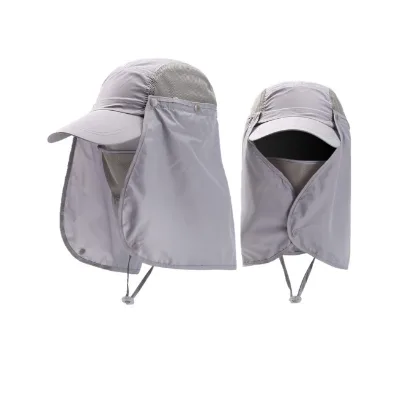
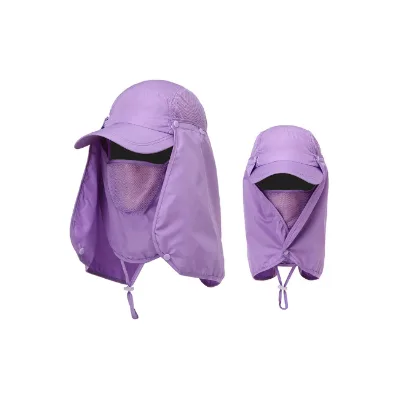
Solid Color Neck Guard Breathable UV and Insect Resistant Outdoor Fishing Hat
$0.89 - $1.09
MOQ: 500 Pieces


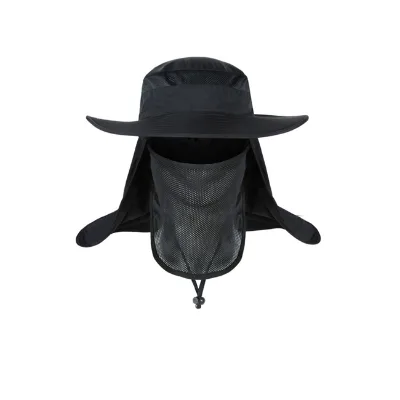
Wide Brim Nylon Hiking Fishing UV Protection Fisherman Sun Protection Sunshade Hat
$5.33 - $5.47
MOQ: 500 Pieces


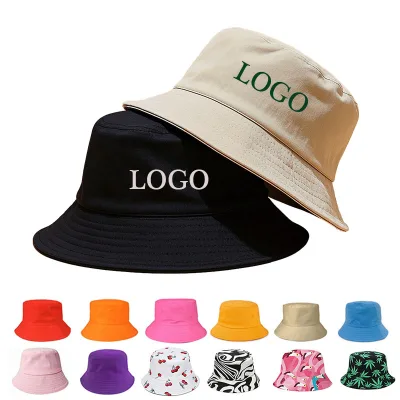
Custom 100% Cotton UV Protection Breathable Bucket Hat for Fishing Casual Travel
$2.00 - $2.90
MOQ: 100 Pieces


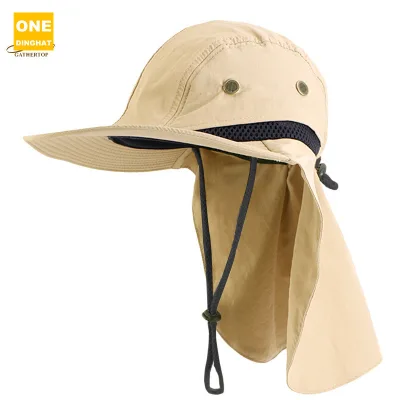
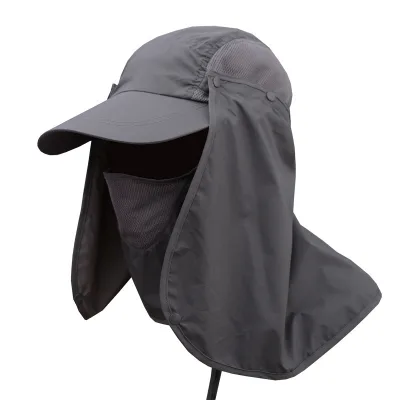
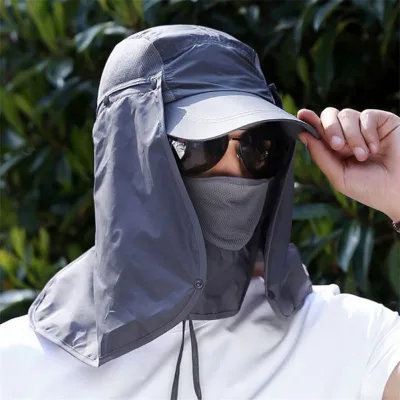


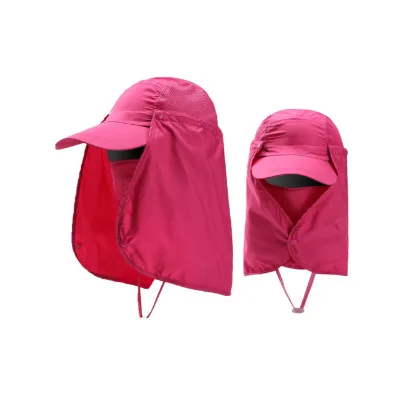
Comfortable Adventure Lightweight Breathable Outdoor Fishing Sports Hat Cap
$1.29 - $2.99
MOQ: 500 Pieces



Comprehensive Sourcing Guide
Strategic Sourcing Guide for UV Protection Breathable Fishing Hats
Defining Technical Specifications and Material Requirements
When sourcing a UV Protection Breathable Fishing Hat, the primary objective is to identify products that balance sun safety with thermal regulation in high-exposure environments. The technical foundation of such a product relies heavily on material composition and construction technology. Based on available market data, sourcing options include hats constructed from 100% Acrylic, Nylon, or 100% Cotton. Each material offers distinct performance characteristics relevant to fishing scenarios.
Nylon-based options frequently appear with specific functional attributes such as water resistance, UV resistance, sun protection, quick-dry capabilities, and lightweight construction. These features are critical for fishing applications where exposure to splashes, humidity, and direct sunlight is constant. The presence of a "Foldable" attribute in nylon variants suggests portability, a significant advantage for anglers who need to pack gear efficiently. Conversely, acrylic and cotton options may prioritize comfort and style, with acrylic often featuring embroidered patterns and cotton offering a "Wrinkle Free" finish.
The structural design is equally important. A functional fishing hat typically requires a "With Brim" and "With Crown" configuration to ensure adequate shade coverage. The brim protects the face and neck, while the crown provides ventilation space. Size specifications observed in the market range from 55-60cm to 56-60cm, with specific models noting a 58cm circumference. Buyers must verify that the selected size accommodates the target demographic, as the "Applicable User" is generally listed as Adults. The "Unisex" gender classification indicates that many designs are versatile, though fit adjustments should be confirmed, as some listings note "Not Adjustable" features while others imply flexibility.
Functional Attributes and Performance Verification
The core value proposition of a fishing hat lies in its specialized features. A comprehensive sourcing list should prioritize items explicitly marked with "UV Resistant," "Sun Protection," and "Breathable." These attributes are non-negotiable for outdoor water activities. In addition to sun protection, the "Water Resistant" and "Quick Dry" properties are essential for handling the wet conditions inherent to fishing. The "Lightweight" attribute ensures that the hat does not cause neck strain during long hours of wear.
Further differentiation can be found in advanced feature sets. Some products in the market include "Ear Warmer" capabilities, which may be beneficial for early morning or late evening fishing in cooler seasons like Spring, Autumn, or Winter. The "Foldable" nature of certain nylon hats adds utility for storage. It is also worth noting the presence of "Smart" or "Rechargeable" features in some listings, which may indicate integrated lighting or electronic components, though these are less common for standard fishing gear and require specific verification of power sources and battery safety.
Seasonal adaptability is another key consideration. While the core keyword emphasizes summer utility, the market data indicates products suitable for "Spring / Autumn," "Winter," and "Summer." This suggests that sourcing strategies should account for multi-season inventory. For instance, hats with "Windproof" or "Ear Warmer" features are better suited for colder months, while "Breathable" and "Quick Dry" features dominate the summer inventory. The "Color" options are extensive, ranging from standard Black, White, and Blue to "Colourful" and "Pattern" designs like "Striped" or "Letter" themes, allowing buyers to align product aesthetics with brand identity or customer preference.
Compliance, Standards, and Certification Checks
In the B2B procurement of protective headwear, verifying compliance with safety and quality standards is paramount. While specific certification bodies are not universally mandated for all regions, buyers must ensure that the product meets relevant international standards for sun protection and material safety. The market data references a "prod_standard" of "56-60cm" and "25x35x10cm," which likely refers to dimensional tolerances rather than safety certifications.
Buyers should explicitly request documentation regarding UPF (Ultraviolet Protection Factor) ratings. A hat claiming "UV Resistant" or "Sun Protection" should ideally carry a verified UPF 50+ rating, though this specific numerical value must be confirmed through supplier-provided test reports rather than assumed. Similarly, for materials like Nylon or Acrylic, buyers should verify that the dyes and finishes used are non-toxic and meet chemical safety regulations for the target export market.
The "prod_standard" field in some listings mentions "In-Stock," which is an inventory status rather than a safety standard. Buyers must distinguish between stock availability and compliance. For products originating from China or Ningbo, it is advisable to request a Certificate of Origin and, where applicable, test reports from accredited laboratories confirming the "Water Resistant" and "UV Resistant" claims. If the product includes electronic components (e.g., "Rechargeable" or "With light"), compliance with electrical safety standards such as CE or FCC becomes critical.
Cost Drivers and Pricing Dynamics
Understanding the cost structure of fishing hats is essential for maintaining healthy profit margins. The observed price range in the market spans from $0.89 to $5.80 USD. This wide variance is driven by several factors, including material cost, customization level, and order volume. Basic nylon hats with standard "UV Resistant" features likely fall at the lower end of this spectrum, while premium acrylic or cotton hats with complex "Embroidered" patterns or "Smart" features command higher prices.
The Minimum Order Quantity (MOQ) is a significant cost driver. The observed MOQ range is 1 to 3000 pieces, with a specific high-confidence fact noting an MOQ of "100 Pieces Per Color." This tiered structure allows for flexibility; buyers can test the market with small orders but must anticipate higher per-unit costs. As order volume increases, the per-unit price typically decreases due to economies of scale in production and shipping.
Customization services, such as "Add Logo" or specific "Pattern" requests, add to the base cost. The "Customization: Available" attribute indicates that most suppliers offer branding options, but this often incurs setup fees or requires a higher MOQ. Additionally, packaging choices impact costs. Options range from "25PCS/OPP Bag" to "Cardboard Box" or "Carton," with the latter providing better protection but incurring higher material and shipping expenses. Buyers should calculate the total landed cost, including packaging, to determine the true cost efficiency of a supplier.
Supplier Evaluation and Operational Logistics
Selecting the right supplier requires a thorough evaluation of their operational capabilities and geographic location. The market data indicates that products originate primarily from China, with specific mentions of Ningbo and Hebei as production hubs. Ningbo is a major port city, often associated with efficient export logistics, while Hebei is a significant manufacturing center for textiles.
Key evaluation criteria include production capacity and lead times. The observed "Production Time" is listed as 7-15 days, which is a standard window for custom manufacturing. Buyers should verify if this timeline includes the time for sample approval and mass production. The "Source Category" is listed as "Customize," suggesting that many suppliers are flexible manufacturers rather than just traders.
Logistics and packaging are critical for preserving product quality during transit. The "prod_packing" varies from "OPP Bag" to "Carton" and "Box." For international shipping, "Carton" packaging is generally preferred for bulk orders to prevent damage. The "Single Gross Weight" of 0.8 Kg for certain models provides a baseline for freight cost calculations. Buyers should also inquire about the supplier's ability to handle "Add Logo" services efficiently, as this is a common requirement for B2B buyers building their own brand.
Quality Control and Inspection Protocols
Implementing a robust quality control (QC) protocol is essential to ensure that the received goods meet the specified requirements. Given the functional nature of fishing hats, QC should focus on material integrity, stitching quality, and the accuracy of functional claims.
Inspection points should include:
- Material Verification: Confirm that the fabric matches the ordered specification (e.g., 100% Nylon vs. 100% Cotton).
- Stitching and Construction: Check for loose threads, uneven embroidery, or weak seams, especially around the brim and crown.
- Functional Testing: Verify "Water Resistant" and "UV Resistant" claims through spot checks or third-party testing.
- Dimensional Accuracy: Ensure the size (55-60cm or 56-60cm) is consistent across the batch.
- Packaging Integrity: Confirm that the "25PCS/OPP Bag" or "Carton" packaging is secure and labeled correctly.
For orders with custom logos, a pre-shipment inspection is crucial to ensure the "Add Logo" placement and quality meet the buyer's design standards. The "Pattern Technology" (e.g., Silk Screen Printing vs. Flat Embroidery) should be verified to ensure the intended aesthetic is achieved.
Long-Term Procurement Considerations and Application Scenarios
Long-term success in sourcing fishing hats depends on aligning product capabilities with diverse application scenarios. The "Usage Scenario" is listed as "Outdoor Travel," but the specific attributes suggest broader utility. Hats with "UV Resistant" and "Sun Protection" are ideal for beach fishing, deep-sea angling, and coastal tourism. The "Foldable" and "Lightweight" features make them suitable for backpacking and hiking.
Seasonal versatility is a key long-term consideration. Products listed for "Spring / Autumn," "Winter," and "Summer" allow buyers to maintain a consistent product line year-round. For example, a supplier offering "Ear Warmer" and "Windproof" features can support winter fishing campaigns, while "Quick Dry" and "Breathable" hats serve the summer peak season.
Sustainability and supply chain resilience are also emerging priorities. Buyers should evaluate suppliers based on their ability to maintain consistent quality over time and their responsiveness to market changes. The "Customization: Available" attribute suggests a flexible supply chain, but buyers should establish clear communication channels to manage design iterations and inventory planning. By focusing on high-quality materials, verified functional attributes, and reliable logistics, buyers can build a durable sourcing strategy for UV protection breathable fishing hats that meets the demands of the outdoor market.
Comparative Analysis of Product Attributes
To facilitate decision-making, the following table summarizes key attributes observed in the market data for fishing hat procurement:
| Attribute Category | Option A (Nylon Focus) | Option B (Acrylic/Cotton Focus) | Option C (Multi-Season) |
|---|---|---|---|
| Primary Material | Nylon | 100% Acrylic / 100% Cotton | Mixed (Seasonal) |
| Key Features | Water Resistant, Quick Dry, Foldable | Washable, Breathable, Embroidered | Windproof, Ear Warmer, Rechargeable |
| Seasonality | Summer | Spring / Autumn | Winter, Summer, Spring / Autumn |
| UV Protection | UV Resistant, Sun Protection | Standard (Verify UPF) | UV Resistant, Sun Protection |
| Pattern Tech | N/A | Silk Screen Printing, Flat Embroidery | Flat Embroidery |
| MOQ | 100 Pieces Per Color | 100 Pieces Per Color | Variable (1-3000) |
| Origin | China (Ningbo) | China (Hebei) | China |
| Price Range | $0.89 - $5.80 | $0.89 - $5.80 | $0.89 - $5.80 |
This comparison highlights that while price points are similar across categories, the functional performance and seasonal suitability vary significantly. Buyers must align their selection with their specific target market needs, whether that is high-performance summer gear or versatile all-season headwear.
FAQs
How can I verify UV protection claims for these hats?
Buyers must request verified UPF test reports from suppliers rather than assuming protection levels. The product facts list UV resistance and sun protection features, but specific numerical ratings like UPF 50+ require third-party documentation to confirm safety standards for fishing use.
What materials are commonly used for these hats?
Market data shows options include 100% Acrylic, Nylon, and 100% Cotton. Nylon variants often provide water resistance and quick-dry properties, while acrylic and cotton options may focus on comfort and embroidered patterns suitable for different seasonal needs.
Can I add a custom logo to the hats?
Yes, customization services including adding a logo are available for most listings. However, this often requires meeting a minimum order quantity of 100 pieces per color and may involve specific production times ranging from 7 to 15 days.
What is the typical minimum order quantity for these hats?
The observed minimum order quantity ranges from 1 to 3000 pieces depending on the supplier. A specific high-confidence fact notes an MOQ of 100 pieces per color for certain models, allowing buyers to test the market with smaller initial orders.
How long does production take for custom orders?
The standard production time for custom orders is typically between 7 and 15 days. This timeline may vary based on the complexity of the customization, such as flat embroidery or silk screen printing, and the specific supplier's capacity.
Which sizes are available for adult buyers?
Available sizes generally range from 55-60cm to 56-60cm, with some specific models noting a 58cm circumference. These dimensions are designed to fit most adults, though some listings indicate non-adjustable features that require precise sizing.
Where are these hats typically manufactured?
Products originate primarily from China, with specific manufacturing hubs identified in Ningbo and Hebei. Ningbo is a major port city facilitating export logistics, while Hebei serves as a significant center for textile production and sourcing.