Source UV Resistant PE Drip Tape for Greenhouse, Farm, Garden
Compare 30 listings of UV Resistant PE Drip Tape designed for production greenhouses, farms, and gardens. Buyers can evaluate specifications like flow rate, thickness, and working pressure to find suitable irrigation solutions.
Key considerations
Products List


PE Agriculture Drip Irrigation Tape Drip Tape Farm Irrigation Drip Tape
$0.02 - $0.04
MOQ: 10000 Meters

Agriculture Drip Tape PE Drip Line Drip Irrigation Tape for Garden Farm
$0.02 - $0.04
MOQ: 10000 Meters


Low Price Agriculture Water Saving 0.2-0.6mm Thickness Drip Tape Irrigation System
$0.02 - $0.04
MOQ: 10000 Meters


Anti-Clogging UV-Resistant 16mm Flat Drip Tape for Field Crop Irrigation
$0.03 - $0.15
MOQ: 10000 Meters


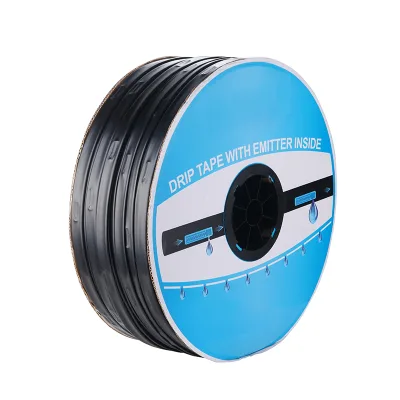


Flat Irrigation Drip Tape for Efficient Irrigation System and Drip Tape Use
$0.02 - $0.05
MOQ: 1000 Meters
Comprehensive Sourcing Guide
Sourcing Strategy for UV Resistant PE Drip Tape
Procuring high-performance irrigation equipment requires a meticulous approach to verifying material integrity, specifically when targeting UV-resistant polyethylene (PE) drip tape. The agricultural sector relies heavily on drip irrigation to optimize water usage, yet the longevity of the system depends entirely on the tape's ability to withstand prolonged solar exposure without degrading. Buyers must navigate a complex landscape of technical specifications, material compositions, and supplier capabilities to ensure that the selected product aligns with the specific demands of their cultivation environment. This guide outlines the essential factors for sourcing UV-resistant PE drip tape, focusing on evidence-based evaluation criteria rather than speculative marketing claims.
Technical Specifications and Material Composition
The foundation of a reliable drip irrigation system lies in the technical specifications of the tape itself. When evaluating products, buyers must scrutinize the material composition, as the base polymer dictates the tape's resistance to environmental stressors. The supplied data indicates that Polyethylene (PE) is a primary material used in these systems, often distinguished from other plastics like Polypropylene (PP) which may appear in related components. The thickness of the tape is a critical variable, with observed ranges spanning from 0.18mm to 0.6mm. This variance directly impacts the tape's durability and resistance to puncture, particularly in soil environments where mechanical stress is common.
Furthermore, the internal architecture of the tape determines its flow consistency. The data highlights a specific configuration known as "Flat Dripper" technology, which is integral to the product's function. The flow rate for these systems typically ranges between 1.38 and 3 liters per hour (L/H). This range allows for precise water delivery tailored to different crop requirements. The working pressure is another vital parameter, generally operating within a range of 0.5 bar to 2 bar. Systems operating outside these parameters may suffer from emitter clogging or uneven distribution.
Buyers should also verify the physical dimensions and packaging standards. Standardized packaging often includes shrink wrap, color inserts, and cartons, with specific dimensions noted in the context, such as 454516cm for certain units. The length of the tape is highly customizable, with standard offerings including 500, 1000, or 2000 meters, though custom requirements are frequently accommodated. The color of the tape, often black, serves a dual purpose: it blocks light to prevent algae growth within the emitter and provides a baseline for UV absorption, though the specific UV stabilizers added to the PE matrix are the true determinants of longevity.
Compliance and Certification Verification
In the B2B procurement of agricultural inputs, compliance with international standards and certifications is non-negotiable. While specific test results for UV resistance are not universally standardized across all suppliers, the presence of recognized certifications provides a baseline for quality assurance. The available data references ISO 9001:2008 and CE certification as indicators of a manufacturer's commitment to quality management systems and product safety. These certifications suggest that the production facility adheres to rigorous process controls, which is essential for maintaining consistent material properties across large production runs.
However, buyers must exercise caution when interpreting standards. The context lists various standards including ANSI, BS, JIS, DIN, and SCH80, which often relate to pipe dimensions and pressure ratings rather than the specific chemical composition of the drip tape. It is crucial to distinguish between standards governing the physical dimensions of the tubing and those governing the material's chemical resistance. For UV resistance specifically, buyers should request documentation referencing specific UV degradation tests, such as those outlined in ISO 9261 or ASTM D451, even if these are not explicitly confirmed in the general product listing. The absence of explicit test data in a product description does not imply a lack of UV resistance, but it does necessitate a direct inquiry to the supplier regarding their specific testing protocols.
Additionally, the origin of the product plays a role in regulatory compliance. Products originating from regions like Jiangsu or Fuzhou in China are subject to local export regulations and quality control measures. Buyers should verify that the supplier can provide a Certificate of Origin and ensure that the product meets the import regulations of the destination country. The presence of OEM (Original Equipment Manufacturer) acceptance indicates that suppliers are capable of customizing the product to meet specific regional or brand requirements, which can include the addition of specific UV stabilizers or colorants.
Cost Drivers and Pricing Structures
Understanding the cost drivers for UV-resistant PE drip tape is essential for budgeting and supplier negotiation. The price of the product is influenced by several factors, including the thickness of the material, the complexity of the emitter design, and the length of the tape. The observed price range in the market spans from $0.02 to $2500, a vast disparity that reflects the difference between small-scale consumer units and large-scale industrial irrigation systems. For bulk procurement, the unit cost is typically driven by the volume of material purchased, with higher thicknesses and specialized UV formulations commanding a premium.
The Minimum Order Quantity (MOQ) is another significant cost factor. The data indicates an MOQ range of 1 to 50,000 units. For small-scale operations, an MOQ of 1 may be accessible, but this often comes with a higher per-unit cost. Conversely, large agricultural projects can leverage economies of scale by ordering in the tens of thousands, significantly reducing the cost per meter. Buyers must balance the upfront capital expenditure against the long-term value of a durable, UV-resistant system.
Lead times also impact the total cost of ownership. The observed lead time for production is between 10 and 25 days. Delays in production or shipping can disrupt planting schedules, leading to potential crop losses. Therefore, the cost of the tape should be evaluated in the context of the supplier's reliability and their ability to meet delivery deadlines. Customization options, such as specific lengths or emitter spacing, may incur additional costs or extend the lead time, and these factors should be factored into the overall procurement budget.
Typical Applications and Suitability
The versatility of PE drip tape makes it suitable for a wide array of agricultural applications. The data confirms that these systems are designed for "Various Drip Irrigation Projects," including farm gardens, agriculture, and production greenhouses. The specific application determines the required specifications; for instance, a tunnel cultivation method in a greenhouse environment may require different UV resistance levels compared to open-field farming. The product is explicitly noted as suitable for flowers and vegetables, indicating its compatibility with high-value crops that require precise water management.
The "Unheated" heating method suggests that these systems are primarily designed for passive irrigation without active thermal regulation, which is typical for many standard agricultural setups. The "Single" span and "Arched Roof" design mentioned in the context refer to the greenhouse structures where such systems might be deployed, highlighting the integration of the irrigation tape with the broader infrastructure. The "Eco Friendly" and "Saving Water" features are particularly relevant for modern sustainable farming practices, where water conservation is a primary objective.
Buyers should assess the specific environmental conditions of their site. In regions with high solar intensity, the UV resistance of the tape becomes the most critical specification. The "Black" color of the tape is a standard feature that aids in light absorption and algae prevention, but the chemical additives within the PE matrix are what provide the actual UV protection. For projects involving "Production Greenhouse" usage, the durability of the tape is paramount, as the system may remain in place for multiple growing seasons.
Supplier Evaluation and OEM Capabilities
Selecting the right supplier is as important as selecting the right product. The data indicates that suppliers offer OEM services, accepting custom orders for branding and specifications. This capability is a strong indicator of a supplier's flexibility and technical competence. Buyers should evaluate suppliers based on their ability to meet specific requirements, such as custom lengths, specific flow rates, or unique packaging needs. The "Accept" status for OEM suggests that the supplier is willing to collaborate on product development, which can be beneficial for large-scale projects requiring tailored solutions.
When evaluating suppliers, buyers should look for evidence of a robust quality management system. The presence of ISO 9001:2008 certification is a positive signal, but it should be verified through recent audit reports. Additionally, the supplier's location, such as Jiangsu or Fuzhou, can provide insights into their logistical capabilities and proximity to raw material sources. Suppliers with a long history of operation in these regions often have established supply chains and experienced workforces.
Buyers should also consider the supplier's response to inquiries and their transparency regarding product specifications. A reliable supplier will provide detailed technical data sheets, including information on UV stabilizer content and expected lifespan under specific conditions. The ability to provide samples for testing is another key indicator of a supplier's confidence in their product.
Quality Control and Long-Term Procurement
Ensuring the quality of UV-resistant PE drip tape requires a proactive approach to quality control. Buyers should implement a rigorous inspection process that includes verifying the thickness, flow rate, and emitter spacing of the tape upon receipt. The observed thickness range of 0.18mm to 0.6mm should be validated using calibrated measuring tools to ensure compliance with the ordered specifications. Flow rate testing is equally important, as variations in the manufacturing process can lead to inconsistent water distribution.
Long-term procurement considerations involve assessing the lifecycle of the product. While the initial cost of the tape is important, the total cost of ownership is determined by the system's durability and maintenance requirements. UV-resistant tape that degrades prematurely can lead to costly replacements and water waste. Buyers should prioritize suppliers who can demonstrate a track record of producing long-lasting products. The "Saving Water" feature is a long-term benefit that reduces operational costs, but it is only realized if the system remains intact throughout the growing season.
Finally, buyers should establish a clear communication channel with their supplier for ongoing support and troubleshooting. A reliable partnership ensures that any issues with the product can be addressed quickly, minimizing downtime and crop loss. By focusing on technical specifications, compliance, and supplier reliability, buyers can secure a high-quality UV-resistant PE drip tape system that meets the demands of modern agriculture.
FAQs
What certifications do UV Resistant PE Drip Tape manufacturers hold?
Manufacturers typically hold ISO 9001:2008 and CE certifications. These indicate adherence to quality management systems and product safety standards, ensuring consistent material properties across production runs for reliable irrigation performance.
How thick is the UV Resistant PE Drip Tape available?
The tape thickness ranges from 0.18mm to 0.6mm. This variance directly impacts durability and puncture resistance, allowing buyers to select the appropriate gauge for specific soil conditions and mechanical stress requirements.
Can I customize the length of the drip tape?
Yes, customization is available for lengths of 500, 1000, or 2000 meters. Suppliers also accommodate specific requirements, ensuring the tape fits the exact dimensions of your irrigation project without waste.
What is the working pressure range for the drip tape?
The system operates within a working pressure of 0.5 bar to 2 bar. Operating outside this range may cause emitter clogging or uneven water distribution, so maintaining this pressure is critical for efficiency.
Which flow rates are supported by the flat dripper technology?
The flow rate ranges between 1.38 and 3 liters per hour. This range allows for precise water delivery tailored to different crop requirements, optimizing water usage for various agricultural applications.
What is the lead time for ordering UV Resistant PE Drip Tape?
The lead time is typically between 10 and 25 days. This duration accounts for production and preparation, so buyers should factor this into their planting schedules to avoid delays in irrigation system deployment.