Source UV Stable Real Touch Orchids for Home Wedding Restaurant
Find UV Stable Real Touch Orchids in 30 listings with customizable logos and ceramic pots. Buyers can compare heights from 42cm to 97cm and select models suitable for home, wedding, or restaurant decoration without maintenance.
Key considerations
Products List


$0.48 - $5.00
MOQ: 1000 piece


$0.48 - $5.00
MOQ: 1000 piece


Phalaenopsis Orchid Seedlings Green Plant Real Flower Agricultural Ornament
$1.00 - $20.00
MOQ: 100 Pieces


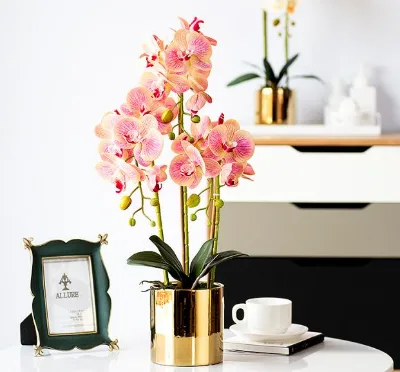
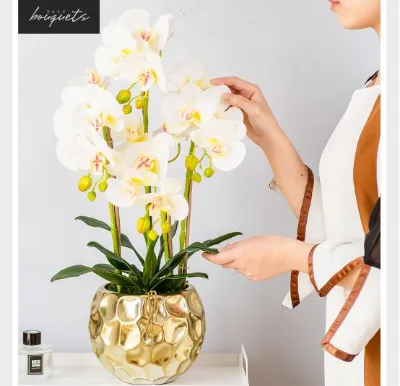
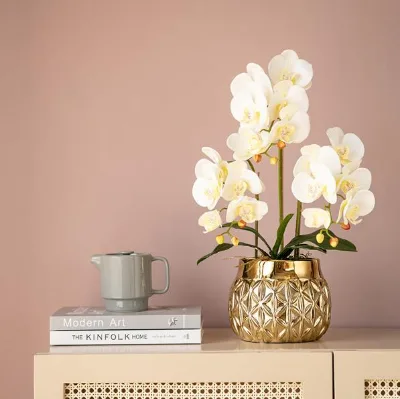
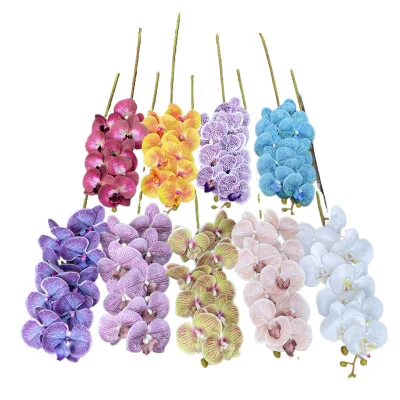

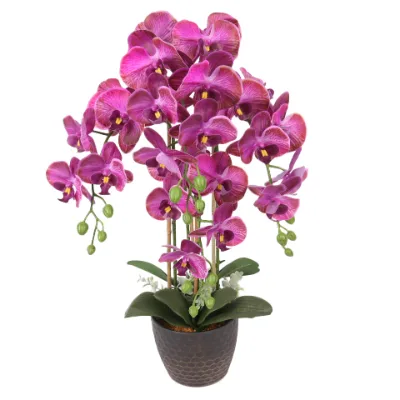
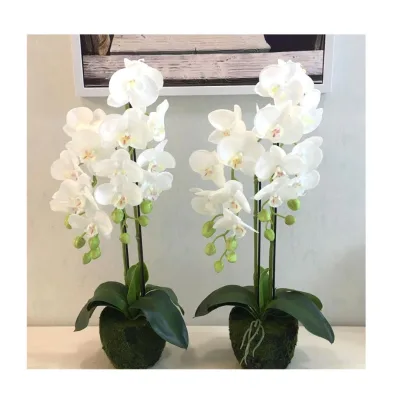
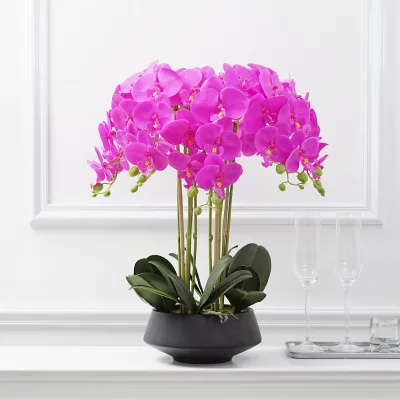
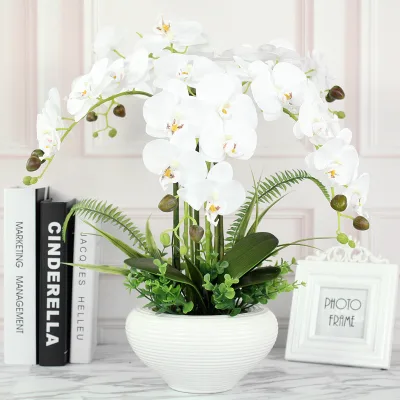
Comprehensive Sourcing Guide
Sourcing Guide for UV Stable Real Touch Orchids in B2B Procurement
Understanding Product Attributes and Material Composition
When sourcing artificial orchids described as "real touch" and "UV stable," buyers must first distinguish between the specific material claims and the observable product attributes provided in supplier listings. The core of this procurement category relies on the accurate identification of the plant material and the pot construction. Based on available market data, the primary plant material for these units is plastic, engineered to mimic the texture and visual fidelity of natural flora. This plastic composition is critical for achieving the "real touch" sensation, which differentiates these products from lower-quality fabric or paper alternatives. The listing data indicates that the plant material is consistently identified as plastic, while the pot material is frequently specified as ceramic. This combination suggests a product designed for high-end interior applications where the weight and finish of the ceramic pot contribute to the overall aesthetic value.
The "real touch" designation implies a specific manufacturing process where the plastic is treated or molded to replicate the veining and softness of real orchid petals. However, buyers should verify that the term "real touch" is supported by physical samples rather than marketing copy alone. The surface treatment for these items is often listed as printing, a process used to apply color and detail to the plastic components. The product style is generally categorized as "Simple and Fresh," aligning with modern interior design trends that favor understated elegance. It is important to note that while the product is described as an "Artificial Orchid Flower," the functional classification often overlaps with "Decoration" and "Home Decoration." Buyers must ensure that the specific SKU they are ordering matches the intended application, as some listings may vary in the level of detail provided regarding the flower type versus the general category of "Plant" or "Flower."
Technical Specifications and Dimensional Standards
Technical specifications are the backbone of any B2B procurement decision, particularly when dealing with decorative items where size impacts display logistics and visual impact. The market data reveals a clear range of heights for these orchid units, with specific models adhering to standard height measurements. For instance, distinct product models are associated with heights of 53cm, 63cm, 77cm, 42cm, 70cm, and approximately 97cm. These dimensions are not arbitrary; they correspond to specific product models such as P220061-53, P220063-63, and P9260R-42. When sourcing, buyers should treat these numerical values as the primary verification points for inventory accuracy.
The size classification also includes a "Medium" category, defined as ranging between 30cm and 60cm. This suggests that while specific models have fixed heights, there is a broader market segment for medium-sized arrangements. The "UV stable" aspect of the core keyword requires careful scrutiny against these specifications. While the provided data confirms the existence of various heights, it does not explicitly list UV resistance test results or specific polymer grades that guarantee UV stability. Therefore, buyers must request technical data sheets that confirm the plastic material's resistance to fading under sunlight exposure. The standard height specifications provided (e.g., 53CM H, 63CM H) serve as a baseline for cataloging, but the durability of the color and material under UV exposure must be verified through independent testing or supplier guarantees.
Furthermore, the packaging specifications are a critical technical detail for logistics. The listed packing methods include "Carton, Box," and some variations are noted as "With Vase." This indicates that the product may be sold as a standalone flower stem or as a complete unit including the ceramic pot. The "With Vase" configuration adds significant weight and volume to the shipment, which directly impacts freight costs and storage requirements. Buyers should confirm whether the ceramic pot is included in the unit price or if it is an optional add-on, as this distinction affects the total landed cost. The packaging standard is generally "by Carton," which implies a need for robust outer packaging to protect the fragile ceramic components and the delicate plastic flowers during transit.
Cost Drivers and Pricing Structures
The pricing landscape for artificial orchids is influenced by several variables, including material quality, customization levels, and order volume. The observed price range in the market spans from $0.48 to $399 USD. This wide disparity reflects the difference between basic, unbranded units and high-end, fully customized arrangements with premium ceramic pots. The lower end of the spectrum likely corresponds to simple plastic stems without pots or minimal packaging, while the upper end represents complete units with custom logos, specific heights, and high-quality ceramic vessels.
Minimum Order Quantity (MOQ) is another significant cost driver. The data indicates an MOQ range from 1 to 3000 pieces, with specific models showing an MOQ of 300 PCS or 100 PCS. This variability allows buyers to scale their orders based on budget and storage capacity. However, the "UV stable" and "real touch" attributes often command a premium price due to the more complex manufacturing processes required. Buyers should anticipate that products with custom logos, which are listed as "With Logo Printing" and "Custom Logo," will incur additional setup costs and potentially higher per-unit prices.
Payment terms also play a role in the financial structure of the procurement. Accepted methods include T/T, Western Union, Moneygram, and Paypal. The flexibility of these payment options can influence the final cost, as some methods may carry transaction fees that are passed on to the buyer. Additionally, the lead time of 7-15 days suggests a relatively quick turnaround, which can reduce inventory holding costs but may require expedited shipping fees if the delivery timeline is tight. Buyers should calculate the total cost of ownership, including shipping, duties, and potential customs fees, rather than focusing solely on the unit price. The "No Maintenance Required" feature is a long-term cost benefit, as it eliminates the need for watering, pruning, or replacement due to wilting, which is a significant advantage over live plants for commercial applications.
Compliance, Certification, and Quality Verification
In the realm of artificial floral products, compliance and certification are often less about food safety and more about material safety and environmental claims. The product attributes list "Environmentally Friendly" as a feature, but this claim requires verification. Buyers should request documentation that supports this assertion, such as material safety data sheets (MSDS) or certifications regarding the plastic composition. The absence of specific certification names in the provided data means that buyers cannot assume compliance with international standards without direct confirmation from the supplier.
The "UV stable" claim is particularly sensitive to compliance issues. While the market data mentions this attribute, it does not provide specific test results or standard numbers (e.g., ASTM or ISO standards) that validate the UV resistance. Buyers must verify that the plastic used meets the necessary standards for UV stability to prevent fading in outdoor or sun-exposed indoor environments. The "Lifetime" of the product is estimated at 3-5 years, which serves as a performance benchmark. However, this lifespan is contingent on the environmental conditions the product is exposed to. Buyers should clarify whether this lifetime estimate applies to indoor use only or if it extends to outdoor applications, as UV exposure significantly accelerates material degradation.
Quality control is essential to ensure that the "real touch" sensation is consistent across the order. The processing method is listed as "Handmade," which introduces a variable element of human craftsmanship. While this can enhance the aesthetic quality, it also increases the risk of inconsistency between units. Buyers should implement a rigorous quality control plan that includes sampling from different production batches. The "Sample" attribute is available, allowing buyers to request physical prototypes before committing to a large order. This is a critical step in verifying the quality of the plastic material, the accuracy of the printing, and the sturdiness of the ceramic pot.
Supplier Evaluation and Operational Capabilities
Evaluating suppliers for artificial orchids requires a focus on their ability to deliver consistent quality and meet logistical demands. The origin of the products is listed as Guangdong, China, a region known for its manufacturing capabilities in the home decor and artificial flower sectors. Buyers should verify the supplier's production capacity to ensure they can meet the required order volumes, especially given the wide MOQ range observed in the market. The ability to offer customization, including logo printing and specific model selection, is a key differentiator for suppliers.
The "Customized" attribute is available for many products, but some listings also indicate "Non-Customized" options. This suggests that suppliers offer both standard catalog items and bespoke solutions. Buyers should assess the supplier's flexibility in handling custom orders, including the lead time for custom designs. The standard lead time of 7-15 days is relatively short, but custom orders may require additional time for design approval and production setup. Suppliers should also demonstrate a clear understanding of the "Simple and Fresh" style trend, ensuring that their product designs align with current market preferences.
Logistics and packaging are critical components of supplier evaluation. The use of "Carton, Box" packaging and the inclusion of "With Vase" options indicate that suppliers are equipped to handle fragile items. Buyers should inquire about the supplier's packaging standards to ensure that the ceramic pots and plastic flowers are adequately protected during transit. The "Sample" availability is a strong indicator of a supplier's confidence in their product quality and their willingness to engage in a pre-production verification process.
Typical Applications and Market Segmentation
The versatility of artificial orchids makes them suitable for a wide range of applications. The "Suitable for" attribute lists Home, Wedding, Restaurant, Supermarket, Hotel, and other commercial spaces. This broad applicability is driven by the "No Maintenance Required" feature and the aesthetic appeal of the "Simple and Fresh" style. In residential settings, these orchids serve as long-lasting decorative elements that add a touch of nature without the upkeep associated with live plants. In commercial environments such as hotels and restaurants, they provide a consistent and reliable decorative solution that maintains its appearance over time.
The "Decoration" and "Home Decoration" functions highlight the primary use case for these products. They are designed to enhance the visual appeal of interior spaces, whether as standalone pieces or as part of a larger arrangement. The "Real Touch" quality is particularly valuable in high-end settings where the distinction between artificial and natural flora is minimized. The availability of different heights (42cm to 97cm) allows for flexible placement in various environments, from small tabletop displays to large floor arrangements.
Long-Term Procurement Considerations
Sourcing artificial orchids is not just a one-time transaction but a long-term procurement strategy. The "Lifetime" of 3-5 years suggests that these products are durable, but buyers should consider the replacement cycle and the potential for color fading over time. The "UV stable" claim is crucial for long-term value, as products that fade quickly will need to be replaced sooner, increasing the total cost of ownership. Buyers should also consider the environmental impact of the plastic material and the disposal of the ceramic pots at the end of the product's life.
The customization options, such as logo printing, offer a unique opportunity for branding. Companies can use these orchids as branded promotional items or as part of their corporate decor, reinforcing their brand identity. However, the "Customized" nature of these items means that once an order is placed, it cannot be easily returned or exchanged. Buyers should ensure that the design and specifications are finalized before production begins.
In conclusion, sourcing UV Stable Real Touch Orchids requires a careful balance of technical verification, cost analysis, and supplier evaluation. By focusing on the specific attributes provided in the market data and conducting thorough due diligence, buyers can secure high-quality products that meet their aesthetic and functional requirements. The wide range of options available, from basic units to fully customized arrangements, offers significant flexibility for buyers in various sectors.
FAQs
What material is used for the plant parts of these orchids?
The plant material is plastic, engineered to mimic natural textures. This composition allows for a real touch sensation while ensuring durability and ease of maintenance for home or commercial decoration.
Can I get custom logos printed on these artificial flowers?
Yes, logo printing is available with customization options. Buyers can request specific designs, though this may affect the minimum order quantity and lead time depending on the supplier's capacity.
What are the standard height specifications for these models?
Standard heights include 42cm, 53cm, 63cm, 70cm, 77cm, and approximately 97cm. These dimensions correspond to specific product models like P9260R-42 or P220061-53 for accurate inventory selection.
How long does the production lead time typically take?
The lead time is generally 7 to 15 days for standard orders. Customized items or large volumes may require additional processing time, so buyers should confirm specific schedules before finalizing purchases.
Is the ceramic pot included in the packaging for all units?
Packaging varies, with some units listed as including a ceramic pot and others sold separately. Buyers must verify if the 'With Vase' option is selected to ensure the complete unit is shipped.
What is the minimum order quantity for these artificial orchids?
Minimum order quantities range from 1 to 3000 pieces depending on the supplier and model. Specific models often have MOQs of 100 or 300 pieces, allowing flexibility for different procurement scales.
Where are these artificial orchids manufactured?
The products originate from Guangdong, China, a region known for home decor manufacturing. This location influences shipping logistics and lead times, which are typically short for standard inventory items.