Source V Neck A Line Midlength Dress for Fashion Retail
Explore 30 options for the v neck a line midlength dress, featuring polyester and cotton materials with long or short sleeves. Compare customization, MOQs, and shipping methods from China-based suppliers to find the right fit for your inventory needs; compare the available evidence and request quotations based on your requirements.
Key considerations
Products List




Comprehensive Sourcing Guide
V Neck A Line Midlength Dress Sourcing Guide
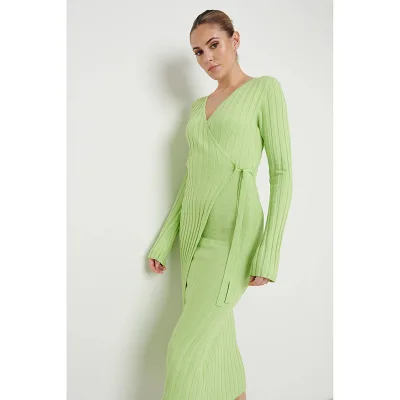
Buyers seeking this specific silhouette must first distinguish between solid and floral pattern options, as the observed market data indicates both are prevalent in the current supply chain. The product attributes confirm that V-neck variations are standard, often paired with round, square, or low necklines to suit diverse aesthetic preferences. Sourcing strategies should prioritize suppliers who explicitly list these neckline configurations alongside the A-line cut to ensure the garment maintains the intended flattering shape.
Procurement teams should also verify the seasonal alignment of the inventory, as listings frequently categorize these dresses for spring and summer wear. The observed fabric weight is often customizable, allowing buyers to select materials that balance breathability with the structural integrity required for an A-line skirt. This flexibility is critical for adapting the midlength dress to different climate requirements while maintaining the soft and breathable features that define the category.
Product Scope and Observed Listing Signals
The observed product range includes specific model identifiers such as BSNX1002 and ZPL24-01589, which serve as unique reference points for verifying inventory authenticity. Buyers should cross-reference these model numbers against supplier catalogs to ensure they are sourcing the exact A-line skirt design rather than a generic alternative. The presence of these specific codes suggests a mature supply chain where distinct styles are tracked separately, facilitating more precise order management and quality tracking.
Listing signals also reveal a wide variance in minimum order quantities, ranging from as low as 10 pieces for stock items to 200 pieces for custom styles. This distinction is vital for buyers with different capital constraints, as it dictates whether they can access immediate inventory or must commit to a larger production run. Understanding this split allows purchasers to align their procurement strategy with their immediate cash flow needs and inventory turnover expectations.
Technical Specifications to Verify
Technical verification must begin with the sleeve length and fabric composition, as the data shows options ranging from short sleeve to long sleeve constructions. Buyers should confirm whether the garment utilizes polyester or cotton, as these materials offer different drape and care characteristics essential for the midlength silhouette. Ensuring the fabric weight matches the intended season is equally important, as the customizable nature of this attribute requires explicit confirmation before production begins.
The waist type and front closure details are equally critical technical parameters that define the fit and functionality of the dress. Specifications indicate high-waisted designs with button front flies are available, which significantly impacts the sizing and comfort profile for the end user. Procurement teams must validate these structural elements against their target demographic's preferences to avoid returns or dissatisfaction with the final garment's fit and style.
Compliance and Safety Documentation
While specific certification statuses like OEKO-TEX are noted in background data, buyers must treat these as verification targets rather than guaranteed attributes for every listed product. It is essential to request current test reports from the supplier to confirm that the fabric meets international safety standards for chemical usage and fiber content. Relying on general claims without documented proof can expose the buyer to regulatory risks in their target markets, particularly regarding textile safety.
Documentation regarding the production standard is also required, as the observed data mentions customizable standards that may vary by order. Buyers should explicitly define the required compliance framework in their purchase orders to ensure the supplier adheres to the correct safety protocols. This proactive approach ensures that the final product meets the legal and safety requirements of the destination country, preventing potential customs delays or market rejection.
Cost Drivers and Commercial Terms
Cost structures are heavily influenced by the customization level, with options for custom logos and fabric quality adding variable expenses to the base price. Buyers should anticipate that orders requiring specific branding or unique fabric blends will incur higher unit costs compared to standard stock items. Understanding these cost drivers allows for more accurate budgeting and helps in negotiating the final price based on the specific requirements of the order.
Commercial terms also include significant variations in delivery timelines, with observed ranges spanning from 20 to 35 days depending on the production complexity. Payment terms such as T/T are common, but the lead time for sampling, typically 7 to 10 days, must be factored into the overall project schedule. Buyers need to align their launch dates with these production windows to ensure timely market entry and avoid costly delays in the supply chain.
Supplier Qualification and Quality Control
Supplier qualification should focus on their ability to support both OEM and ODM services, as the data indicates a strong capacity for customization and private labeling. Buyers must assess whether the supplier can handle the specific packaging requirements, such as polybag or carton combinations, to ensure the product arrives in sellable condition. This capability is a key indicator of a supplier's operational maturity and their ability to meet diverse client needs.
Quality control protocols must be established early, particularly regarding the sampling process which typically takes one to two weeks. Buyers should insist on pre-production samples that match the agreed-upon specifications for neckline, sleeve length, and fabric weight before authorizing full-scale production. This step is crucial for catching any deviations in the A-line cut or V-neck design before significant resources are committed to the manufacturing run.
Long-Term Procurement Checks
Long-term success depends on maintaining consistent communication regarding the evolving nature of product attributes like fabric weight and seasonal trends. Buyers should establish a feedback loop with the supplier to ensure that future orders continue to meet the original quality and design expectations. This ongoing dialogue helps in adapting to market changes and ensures that the product remains competitive in the fashion landscape.
Regular audits of the supplier's production capacity and delivery performance are necessary to mitigate risks associated with lead time fluctuations. Since delivery dates can vary between 20 and 30 days or extend to 35 days, buyers must monitor these metrics closely to maintain their inventory levels. Consistent performance tracking ensures that the supply chain remains reliable and that the business can meet customer demand without interruption.
FAQs
What customization options are available for v neck a line midlength dresses?
Customization is available for these dresses, allowing buyers to tailor specific attributes to their needs. Options include fabric weight, logo placement, and accessory selection. Buyers can provide their own requirements for fabric quality and design elements. This flexibility supports both OEM and ODM services, ensuring the final product aligns with brand identity and specific market demands.
Can I customize the logo on these v neck a line midlength dresses?
Yes, you can customize your own logo on these garments. The supplier supports logo customization as part of their service offerings. This allows brands to maintain consistent identity across their product lines. Buyers should coordinate with the supplier to ensure proper placement and sizing of the logo during the production process.
What is the typical lead time for ordering v neck a line midlength dresses?
The typical delivery date ranges from 20 to 30 days after order confirmation. Sampling time usually takes 7 to 10 days. These timelines ensure quality control and production accuracy. Buyers should plan their inventory needs accordingly to account for these standard production and shipping durations.
What are the MOQ requirements for v neck a line midlength dresses?
The MOQ is 200 pieces per style for standard orders. For items in stock, the MOQ may be as low as 10 pieces per style. These requirements help balance production efficiency with buyer flexibility. Buyers should confirm specific MOQs based on their chosen style and availability status.
What materials are used for v neck a line midlength dresses?
These dresses are made from polyester and cotton materials. Polyester options offer softness and breathability, suitable for spring and summer seasons. Cotton variants provide comfort and durability. Buyers can choose fabric quality options based on their target market preferences and seasonal requirements.
How are v neck a line midlength dresses packaged for shipping?
Dresses are packaged in polybags, with one piece per polybag. Standard transport packaging includes polybag plus carton options. Packaging dimensions are approximately 35cm by 30cm by 3cm. This ensures protection during transit and facilitates efficient storage and handling for buyers.
What shipping methods are available for v neck a line midlength dresses?
Shipping is available by DHL, FedEx, UPS, air, or sea. Buyers can choose the method that best fits their urgency and budget. Air shipping offers faster delivery, while sea shipping is cost-effective for larger volumes. The supplier supports various logistics options to accommodate different buyer needs.