Source Eco-Friendly Knitted Maxi Skirt for casual wear
Find 30 verified listings for Eco-Friendly Knitted Maxi Skirt options suitable for daily wear, parties, and shopping trips. Compare specifications including material, size, and supplier details to identify the best fit for your needs; compare the available evidence and request quotations based on your requirements.
Key considerations
Products List
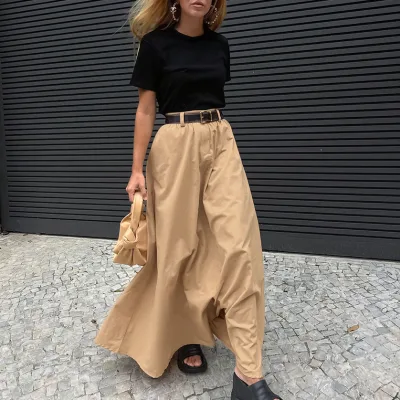
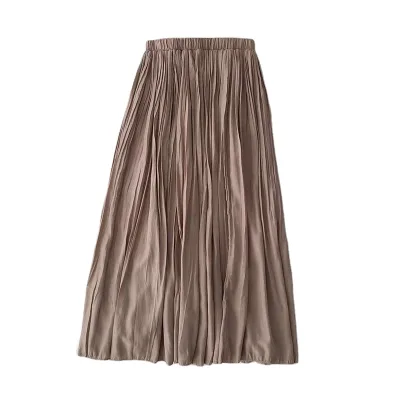
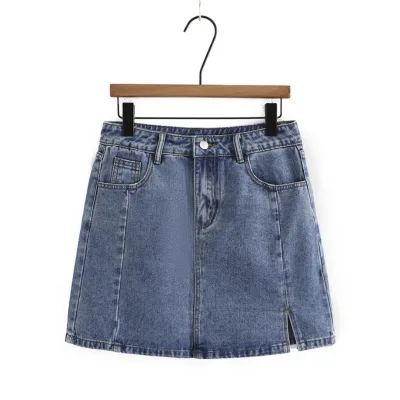
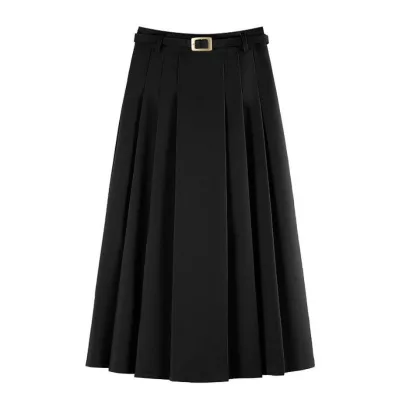
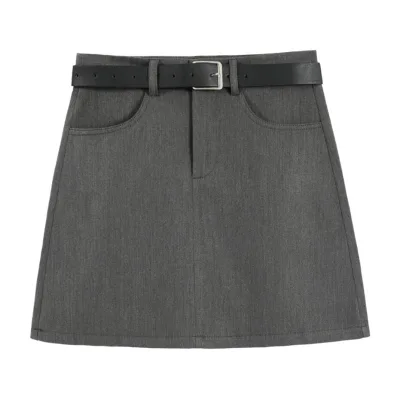
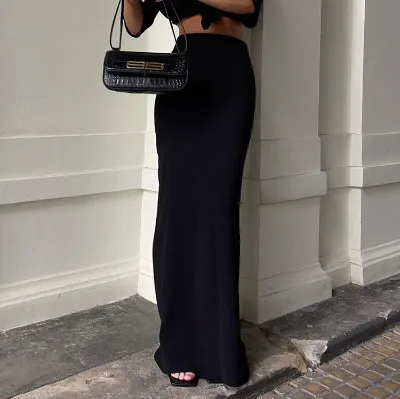
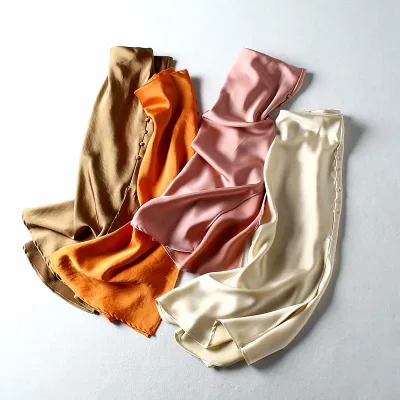
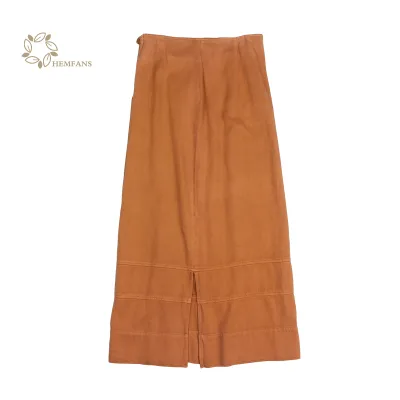
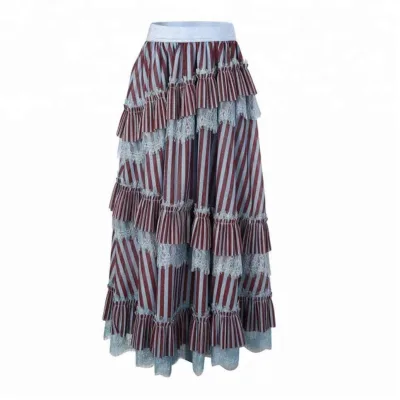
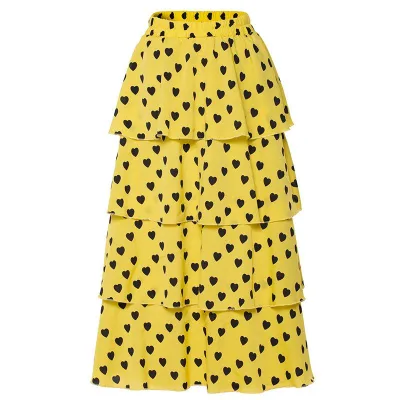
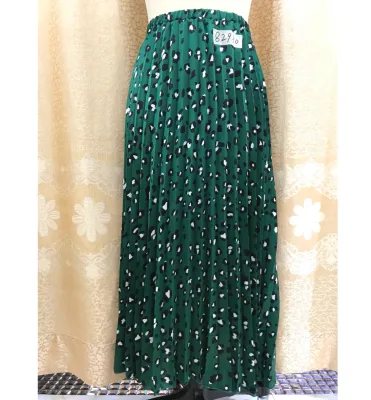
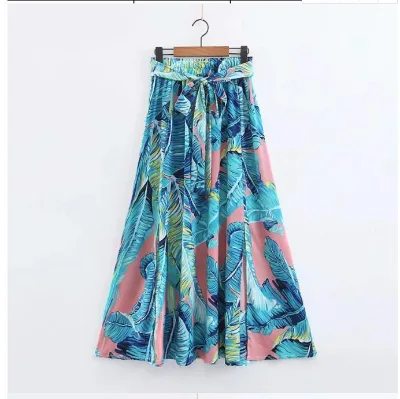
Latest Modern Design Lovely Girls Printed Heart Different Types of Beauty Skirts
$5.30 - $8.18
MOQ: 500 Minimum
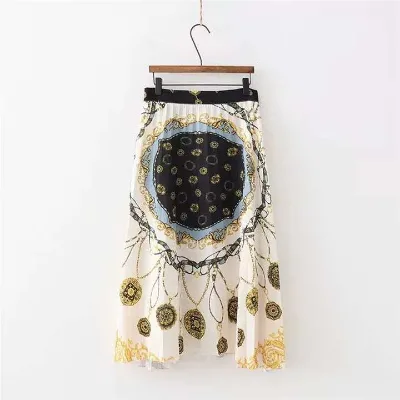
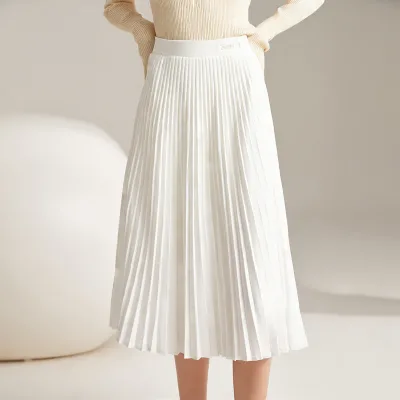
Fashionable New Model Ladies Luxury Print Chain White Fashion Long Skirts
$5.30 - $8.18
MOQ: 500 Minimum





Comprehensive Sourcing Guide
Eco-Friendly Knitted Maxi Skirt Sourcing Guide
Sourcing eco-friendly knitted maxi skirts requires a nuanced understanding of material definitions and manufacturing processes that diverge from standard woven garments. Buyers must distinguish between true knitted constructions and woven alternatives, as the tactile drape and stretch properties differ significantly. The observed market data indicates a prevalence of cotton and polyester blends, with some listings explicitly claiming eco-friendly features such as breathability and environmental friendliness. However, the term "knitted" often conflicts with observed fabric types like worsted or plain dyed cotton, which are typically woven. Procurement teams must verify the actual construction method through physical samples to ensure the product matches the intended aesthetic and functional requirements of a maxi skirt.
Furthermore, the supply chain for these garments is heavily concentrated in Guangdong, China, offering a wide range of OEM services and customization options. Buyers should note that while many suppliers accept custom logos and designs, the actual material composition varies widely, with some items listed as 100% cotton and others as polyester or cotton blends. This inconsistency necessitates rigorous specification checks before placing bulk orders. The presence of "eco-friendly" claims in product attributes does not automatically imply certified sustainable sourcing, so buyers must request detailed material breakdowns and supply chain transparency to validate these environmental assertions.
Product Scope and Observed Listing Signals
The current market landscape for maxi skirts reveals a diverse array of styles, lengths, and material compositions that buyers must navigate carefully. Observed listings include products labeled as maxi skirts, mini skirts, and denim skirts, indicating a broad category that may confuse procurement specifications. Key attributes such as "solid" patterns, "casual" styles, and "empire" or "natural" waistlines are common, suggesting a focus on versatile, everyday wear. The color palette ranges from neutral tones like white and black to more distinctive options like leopard print and apricot, allowing for varied design strategies. Buyers should align their product development goals with these observed trends to ensure market relevance and consumer appeal.
Additionally, the observed supply types include both OEM services and in-stock items, providing flexibility for different procurement needs. Some suppliers offer rapid sample lead times of seven days, which is advantageous for quick prototyping and design validation. However, the discrepancy between the core keyword "knitted" and observed fabric types like "worsted" or "polyester" highlights the importance of precise communication with suppliers. Buyers must explicitly define the desired fabric construction in their purchase orders to avoid receiving woven alternatives when knitted textures are required. This attention to detail ensures that the final product meets the specific quality and aesthetic expectations of the target market.
Technical Specifications to Verify
Verifying technical specifications is critical to ensuring that the purchased maxi skirts meet the desired quality and performance standards. Buyers should prioritize the verification of fabric composition, as observed listings show variations between 100% cotton, polyester, and cotton blends. The weave or knit structure must be confirmed, as this affects the garment's drape, stretch, and durability. Additionally, size inclusivity is a key factor, with observed sizes ranging from S to custom options, including plus sizes up to 5XL. Buyers must ensure that the sizing charts provided by suppliers align with their target demographic's measurements to minimize return rates and customer dissatisfaction.
Other technical aspects to verify include the skirt length, which is often listed as "maxi standard," and the waistline design, such as empire or natural waist. The finishing techniques, such as plain dyeing or pleating, also impact the final appearance and care requirements of the garment. Buyers should request detailed product specifications that include single package dimensions and gross weight to facilitate accurate logistics planning. Furthermore, the gender and age group specifications, typically listed as female adults, should be confirmed to ensure the product is marketed and sold to the correct audience. Clear technical documentation from suppliers is essential for maintaining consistency across bulk orders.
Compliance and Safety Documentation
Compliance and safety documentation are paramount when sourcing eco-friendly garments, as buyers must ensure that their products meet international regulatory standards. While some listings claim eco-friendly features, buyers should request specific certifications such as GOTS, OEKO-TEX, or recycled content certifications to validate these claims. The absence of explicit certification details in observed listings underscores the need for proactive verification. Buyers must also ensure that the dyes and finishes used in the production process are free from harmful substances, particularly for garments that come into direct contact with the skin.
Additionally, buyers should verify that the suppliers adhere to labor standards and ethical manufacturing practices, which are often integral to the "eco-friendly" narrative. Documentation such as social compliance audits or factory certifications can provide assurance that the production process is socially responsible. Buyers should also check for any specific safety requirements related to flammability or chemical content, depending on the target market. By prioritizing comprehensive compliance documentation, buyers can mitigate risks associated with regulatory non-compliance and enhance the brand's reputation for sustainability and ethical sourcing.
Cost Drivers and Commercial Terms
Understanding the cost drivers and commercial terms is essential for effective budgeting and negotiation in the procurement of maxi skirts. The observed price range of $1.76 to $17.78 USD reflects significant variation based on material quality, design complexity, and order volume. Buyers should analyze how factors such as fabric type, customization options, and packaging requirements influence the final cost. The minimum order quantity (MOQ) ranges from 1 to 500 units, offering flexibility for both small-scale testing and large-volume production. Buyers must align their order quantities with their inventory management strategies to optimize cash flow and minimize storage costs.
Commercial terms such as payment methods, shipping arrangements, and lead times also play a crucial role in the overall cost structure. Suppliers offering OEM services may charge additional fees for design development and sample creation, which should be factored into the total cost. Buyers should negotiate clear terms regarding quality acceptance criteria and return policies to protect against potential defects or discrepancies. Additionally, understanding the supplier's production capacity and lead times can help in planning for seasonal demand fluctuations. By carefully evaluating these commercial terms, buyers can secure favorable pricing and ensure a smooth procurement process.
Supplier Qualification and Quality Control
Supplier qualification and quality control are vital steps in ensuring the reliability and consistency of the sourced maxi skirts. Buyers should conduct thorough due diligence on potential suppliers, verifying their business licenses, production capabilities, and past performance records. The observed concentration of suppliers in Guangdong, China, suggests a robust manufacturing ecosystem, but buyers must still assess individual supplier strengths and weaknesses. Requesting references or case studies from previous clients can provide valuable insights into the supplier's reliability and customer service quality.
Quality control measures should be established early in the procurement process, including pre-production samples, in-line inspections, and final random inspections. Buyers should define clear quality standards for fabric weight, stitching integrity, and color fastness to ensure consistency across batches. Implementing a robust quality management system can help identify and rectify issues before they impact the final product. Additionally, buyers should consider third-party inspection services for large orders to provide an independent assessment of product quality. By prioritizing supplier qualification and rigorous quality control, buyers can minimize risks and ensure customer satisfaction.
Long-Term Procurement Checks
Long-term procurement checks are necessary to maintain the integrity and sustainability of the supply chain for eco-friendly maxi skirts. Buyers should regularly review supplier performance metrics, including on-time delivery rates, product quality consistency, and responsiveness to issues. Establishing a continuous improvement framework can help identify areas for optimization and foster stronger partnerships with suppliers. Regular audits of the supplier's production processes and compliance documentation can ensure ongoing adherence to ethical and environmental standards.
Furthermore, buyers should stay informed about market trends and consumer preferences to adapt their product offerings accordingly. Monitoring changes in material availability, pricing fluctuations, and regulatory requirements can help in proactive decision-making. Building a diversified supplier base can mitigate risks associated with single-source dependencies and enhance supply chain resilience. By implementing systematic long-term procurement checks, buyers can ensure a stable, efficient, and sustainable sourcing strategy that supports their business goals and customer expectations.
FAQs
What material is used for the eco friendly maxi skirt?
The product is made from 100% cotton or a polyester cotton blend. This ensures the fabric is breathable and eco-friendly while maintaining durability for casual wear in summer, autumn, and spring seasons.
Can I request a custom logo on the maxi skirt?
Yes, the supplier accepts custom logo requests for branding. You can also request OEM design services to tailor the pattern or style, ensuring the final garment meets your specific business requirements.
How long does it take to get a sample order?
A sample order lead time is supported within seven days. This allows buyers to verify the quality of the woven fabric and check the fit before committing to a larger bulk purchase order.
Which sizes are available for the women's maxi skirt?
Available sizes include S, M, L, and custom options. Some variations offer one size or extended sizes like XL and 5XL, ensuring a suitable fit for various adult body types and preferences.
What is the minimum order quantity for this product?
The minimum order quantity ranges from one to five hundred units depending on the specific item. This flexibility allows small businesses to test the market while supporting larger volume orders for established retailers.
Where are these eco friendly skirts manufactured?
These garments are manufactured in Guangdong, China. The production facilities are located in this region, which is known for its textile industry capabilities and efficient supply chain management for export orders.
What features make this skirt suitable for daily wear?
The skirt features breathable and eco-friendly properties suitable for daily activities. It is designed with a casual style and empire waistline, making it comfortable for parties, shopping, and general daily occasions.