Source Gem Camisole for Commute, Summer, and Custom Orders
Compare 30 Gem Camisole options from verified suppliers in China. Buyers can evaluate materials like nylon, cotton, and polyester, along with features such as breathability and eco-friendly properties for summer and spring use; compare the available evidence and request quotations based on your requirements.
Key considerations
Products List



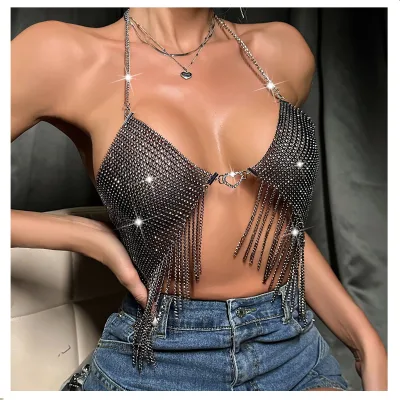

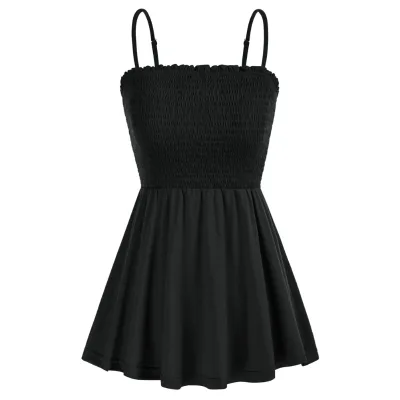

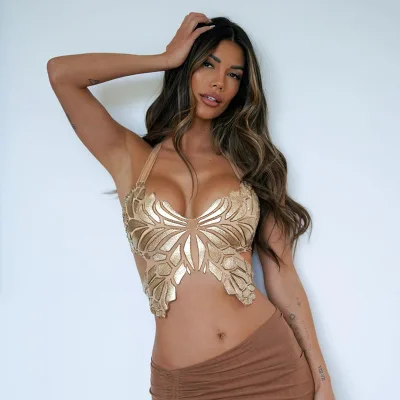


Comprehensive Sourcing Guide
Gem Camisole Sourcing Guide
Sourcing gem camisoles requires a nuanced understanding of the diverse product landscape available from manufacturers, particularly those based in major textile hubs like China. Buyers must navigate a wide array of specifications, from material compositions ranging from nylon and cotton blends to pure polyester or silk, to ensure the final product aligns with brand identity. The observed market signals indicate a high degree of customization, with suppliers offering OEM and ODM services to tailor designs for specific target demographics, including women and girls. This flexibility allows for the creation of unique product lines that can cater to various seasonal demands, such as summer collections or transitional spring and autumn wear.
Procurement teams should prioritize suppliers who demonstrate robust customization capabilities, as this is a prevalent feature among listed manufacturers. The ability to adjust clothing lengths, whether short or medium, and to incorporate specific design elements like floral patterns or button decorations is critical for differentiation. Furthermore, the availability of free samples and negotiable terms provides an essential opportunity for quality assessment before committing to larger orders. By focusing on these customizable attributes, buyers can secure garments that not only meet functional requirements but also resonate with the intended consumer base, ensuring a competitive edge in the marketplace.
Product Scope and Observed Listing Signals
The current market for gem camisoles exhibits a broad spectrum of product variations, reflecting the diverse needs of global retailers. Observed listings reveal a significant emphasis on breathability and eco-friendly features, which are increasingly important to modern consumers. Materials such as nylon, cotton, polyester, and silk are commonly cited, each offering distinct tactile and performance characteristics. For instance, polyester options often highlight quick-dry and anti-pilling properties, while silk variants may focus on luxury and comfort. This variety allows buyers to select products that best fit their specific market positioning, whether targeting budget-conscious consumers or those seeking premium quality.
Seasonal adaptability is another key signal in the product scope, with many camisoles designed for summer wear, while others cater to spring and autumn seasons. This versatility is supported by features like breathable fabrics and lightweight constructions, which enhance wearer comfort in varying climates. Additionally, the presence of specific design elements, such as floral patterns and button decorations, indicates a focus on aesthetic appeal alongside functionality. Buyers should carefully review these signals to ensure that the selected camisoles align with their brand’s seasonal strategy and aesthetic preferences, leveraging the available customization options to create cohesive collections.
Technical Specifications to Verify
Verifying technical specifications is crucial to ensuring that the gem camisoles meet the required quality and performance standards. Buyers should pay close attention to material composition, as this directly impacts the garment’s durability, comfort, and care requirements. For example, 100% polyester options may offer superior wrinkle resistance and ease of maintenance, while cotton blends provide enhanced breathability and softness. It is essential to confirm the exact material percentages and any blended fabrics to avoid discrepancies between samples and bulk production. Additionally, verifying the clothing length, whether short or medium, ensures that the product fits the intended size range and style expectations.
Other critical specifications include the production model numbers, such as c-92 or JFXXX, which can help in tracking and identifying specific product variants. Buyers should also verify the size ranges, including regular and plus sizes, to ensure inclusivity and market coverage. The textile technology used, such as seamless construction, can significantly affect the garment’s fit and comfort, so this should be confirmed during the sampling phase. Furthermore, checking the packaging details, such as polybag or carton packing, is important for logistics and retail presentation. By meticulously verifying these technical details, buyers can minimize the risk of receiving products that do not meet their specifications.
Compliance and Safety Documentation
Compliance and safety documentation are non-negotiable aspects of sourcing gem camisoles, particularly when exporting to regulated markets. Buyers must ensure that suppliers provide relevant certifications, such as SGS, to verify that the products meet international safety and quality standards. These certifications often cover aspects like chemical safety, flammability, and fiber content accuracy, which are critical for consumer protection and brand reputation. It is advisable to request copies of these certificates and verify their validity with the issuing bodies to avoid potential legal and reputational risks. Additionally, understanding the specific standards applicable to the target market, such as those in the European Union or North America, is essential for successful market entry.
Beyond certifications, buyers should also inquire about the supplier’s adherence to ethical manufacturing practices and environmental standards. Eco-friendly features, such as the use of sustainable materials or eco-friendly dyes, can be a significant selling point for environmentally conscious consumers. However, these claims must be substantiated by credible documentation and third-party audits. Buyers should also verify the product origin, such as Nanchang, Jiangxi Province, or Shantou, China, to assess the supplier’s logistical capabilities and potential supply chain risks. By prioritizing compliance and safety, buyers can build trust with consumers and mitigate the risks associated with non-compliant products.
Cost Drivers and Commercial Terms
Understanding the cost drivers and commercial terms is vital for effective budgeting and negotiation in the Gem Camisole sourcing process. The observed price range of 0.5 to 21.68 USD indicates a wide variation, influenced by factors such as material quality, design complexity, and order quantity. Buyers should analyze these variations to identify the most cost-effective options without compromising on quality. Minimum Order Quantities (MOQs) also play a significant role, with ranges from 1 to 4500 pieces, allowing for flexibility in order sizing. Smaller MOQs may be suitable for testing new designs, while larger orders can leverage economies of scale to reduce unit costs.
Delivery time is another critical commercial term, with a standard lead time of 15 days observed in many listings. This timeframe should be factored into the supply chain planning to ensure timely product availability for seasonal launches. Buyers should also negotiate terms related to sample availability, as many suppliers offer free or negotiable samples, which are essential for quality assessment. Additionally, understanding the payment terms, such as deposits and balance payments, is crucial for cash flow management. By carefully evaluating these commercial terms, buyers can optimize their procurement strategy and achieve better value for their investment.
Supplier Qualification and Quality Control
Supplier qualification and quality control are foundational to securing reliable Gem Camisole supplies. Buyers should conduct thorough due diligence on potential suppliers, assessing their production capabilities, quality management systems, and past performance. Suppliers offering OEM and ODM services should be evaluated for their ability to meet specific design and quality requirements. It is advisable to request references or case studies from previous clients to gauge the supplier’s reliability and professionalism. Additionally, verifying the supplier’s location, such as Shantou or Nanchang, can provide insights into their logistical efficiency and access to raw materials.
Quality control measures should be integrated into the procurement process to ensure consistent product quality. Buyers should establish clear quality standards and inspection criteria, which can be verified through pre-production samples and during-production inspections. The use of standardized packaging, such as polybag or carton packing, can also facilitate quality checks and reduce the risk of damage during transit. Furthermore, implementing a robust feedback loop with suppliers can help address any quality issues promptly and prevent recurrence. By prioritizing supplier qualification and quality control, buyers can build a resilient supply chain that delivers high-quality gem camisoles consistently.
Long-Term Procurement Checks
Long-term procurement checks are essential for maintaining a sustainable and efficient sourcing strategy for gem camisoles. Buyers should regularly review supplier performance metrics, such as on-time delivery rates, quality consistency, and responsiveness to issues. This ongoing evaluation helps identify potential risks and opportunities for improvement, allowing for proactive management of the supply chain. Additionally, staying informed about market trends and consumer preferences can help buyers adapt their product offerings to changing demands. Regular communication with suppliers can foster stronger relationships and facilitate collaborative problem-solving, leading to better outcomes for both parties.
Furthermore, buyers should periodically reassess their cost structures and commercial terms to ensure they remain competitive and aligned with market conditions. This may involve renegotiating prices, MOQs, or delivery times based on volume commitments or market fluctuations. It is also important to monitor regulatory changes and compliance requirements in target markets to ensure ongoing adherence. By implementing these long-term checks, buyers can build a resilient and adaptable sourcing strategy that supports their business growth and customer satisfaction goals. This proactive approach ensures that the procurement process remains efficient, cost-effective, and aligned with the brand’s strategic objectives.
FAQs
What materials are used for gem camisoles?
Gem camisoles are commonly made from Nylon, Cotton, 100% Polyester, or 100% Silk. Some products feature a Cotton and Polyester mix. These materials ensure the garments are breathable and suitable for summer wear while maintaining durability.
Can I customize the Gem Camisole design?
Yes, customization is available for gem camisoles with OEM and ODM services welcome. Buyers can request specific designs, patterns like floral, or custom packaging options. The delivery time for customized orders is typically around 15 days from the factory.
Which sizes are available for gem camisoles?
Gem camisoles come in various sizes including L, Regular, and Plus sizes. Some models offer specific sizing standards like M, L, and XL. The clothing length varies between short and medium lengths to suit different style preferences and body types.
How long is the delivery time for orders?
The standard delivery time for Gem Camisole orders is 15 days. This timeline applies to both standard and customized production runs. Buyers should note that lead times may vary slightly depending on the specific factory location and order volume requirements.
What features do gem camisoles offer?
These camisoles feature breathable, eco-friendly, and quick-dry properties. Additional benefits include anti-pilling and anti-shrink capabilities. The designs are often intended for commute wear and may include decorative elements like buttons or seamless textile technology.
Where are gem camisoles manufactured?
Gem camisoles are manufactured in China, with specific origins in Nanchang, Jiangxi Province, and Shantou. Factories in these regions produce items meeting international standards or customized specifications. Buyers can source from these locations for various product models and styles.
What is the minimum order quantity for gem camisoles?
The minimum order quantity ranges from 1 to 4500 pieces depending on the supplier and product model. Some vendors accept small orders while others require bulk purchases. Pricing also varies significantly, ranging from 0.5 to 21.68 USD per unit based on volume.
Are free samples available for gem camisoles?
Free samples are acceptable and negotiable for Gem Camisole buyers. Suppliers often provide samples to verify quality before bulk production. Packaging typically includes polybags, inner cartons, or master cartons, with options for customized packing arrangements upon request.