Source Vacuum Compressed Modern Corner Sofa for Hotels, Offices, and Homes
Source Vacuum Compressed Modern Corner Sofa options from 30 verified listings. Compare specifications including fabric types like plush and corduroy, dimensions, and weights to find the ideal fit for your commercial or residential project needs; compare the available evidence and request quotations based on your requirements.
Updated
Key considerations
Products List


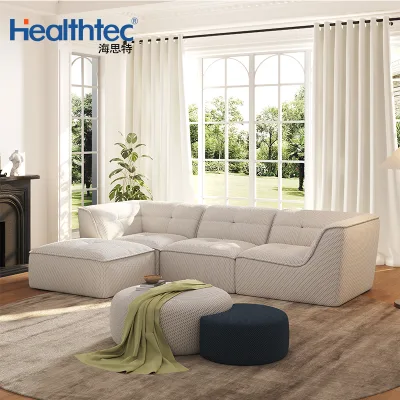
Modern Compressed Modular Vacuum Compression Sofa for Hotel/Villa Living Room
$105.00 - $120.00
MOQ: 5 Pieces


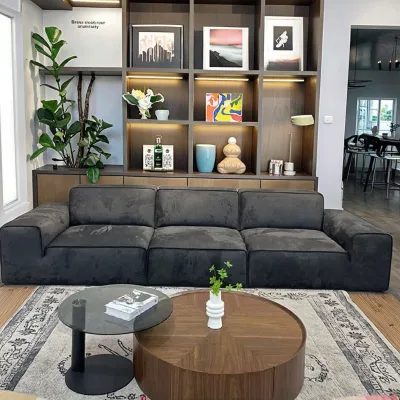
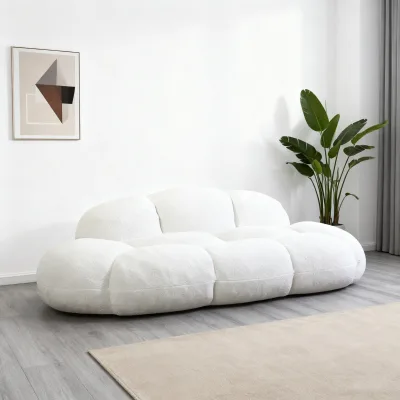
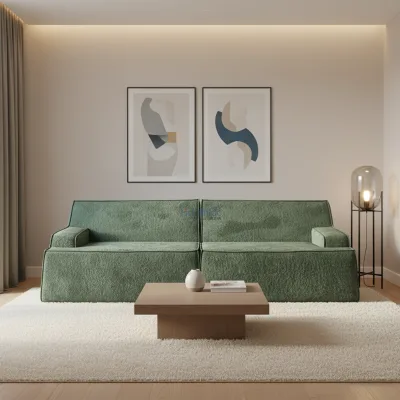
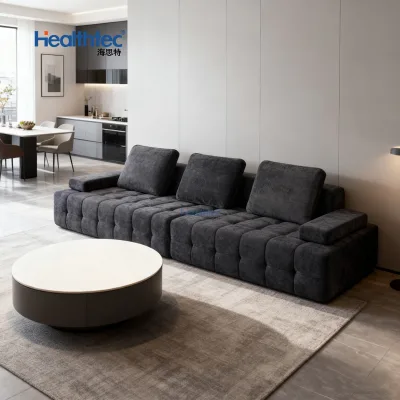

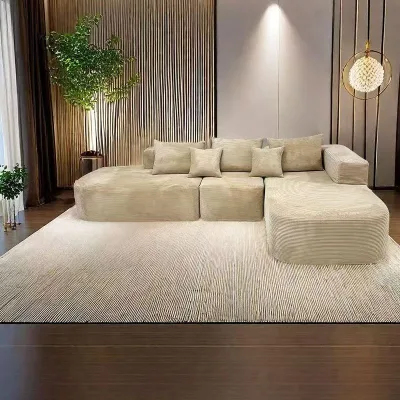


Modern Living Room Home Furniture Compressed Couch Vacuum Compression Sofa
$116.40 - $122.40
MOQ: 10 Pieces

Modular Compression Sofa Vacuum Compressed Sofa Couch Modern Home Furniture
$126.90 - $139.60
MOQ: 2 Pieces

High Quality Roll Foam Compress Sofas Modern Design Vacuum Bed Compressed Sofa
$146.30 - $177.00
MOQ: 5 Pieces

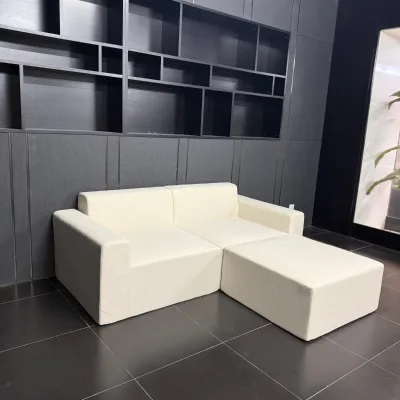
Modern Compression Sofa Vacuum Packed Compressed Sofa Modular Living Room
$128.10 - $134.60
MOQ: 2 Pieces
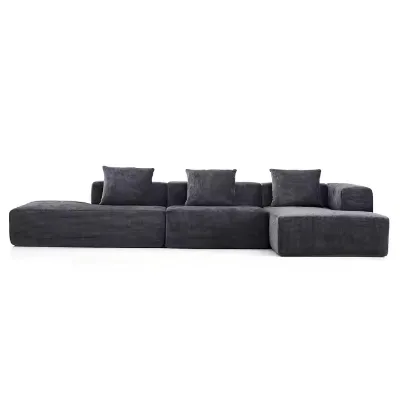
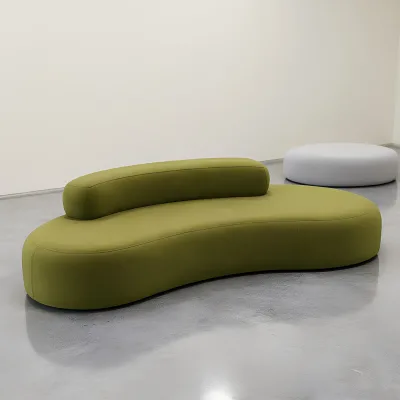
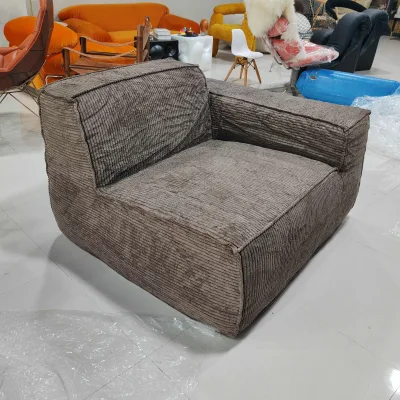


Comprehensive Sourcing Guide
Vacuum Compressed Modern Corner Sofa Sourcing Guide
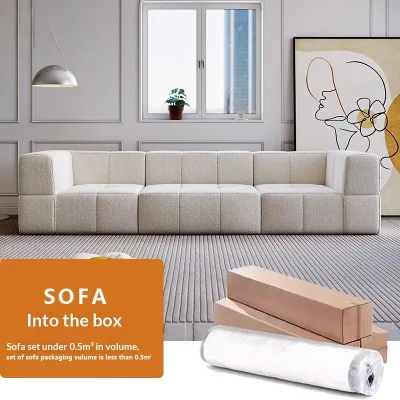
Sourcing vacuum compressed modern corner sofas requires a nuanced understanding of manufacturing capabilities and logistical constraints. The term "vacuum compressed" often implies space-saving packaging for shipping, yet the provided data indicates standard cardboard box packing with specific volume metrics like 0.26CBN and 0.1m3. Buyers must clarify whether the compression is a temporary shipping method or a permanent design feature, as this affects the sofa’s structural integrity and return-to-shape performance. Modern corner configurations offer flexible layout options for residential and commercial spaces, but the term "corner" must be verified against actual product dimensions, as many listed items are standard two or three-seat units rather than true L-shaped or U-shaped corner modules.
Procurement teams should focus on verifying the actual physical dimensions and material composition rather than relying solely on marketing titles. The observed listings show a wide range of product models, including YF618, YF415, YF2616, and YF377, each with distinct dimensions and weights. For instance, one model measures 104.368.931.1 inches, while another is listed as 27618467cm. These discrepancies highlight the need for precise specification checks. Buyers must ensure that the "modern" aesthetic aligns with their interior design requirements, noting variations in fabric types such as plush, corduroy, and anti-claw fabric, which significantly impact durability and maintenance costs in high-traffic environments.
Product Scope and Observed Listing Signals
The current market signals indicate a diverse range of modern sofa options originating primarily from Foshan, China. Listings show a price range of $77.6 to $790 USD, with minimum order quantities (MOQ) varying from 1 to 100 units. This variability suggests that suppliers cater to both small-scale boutique buyers and larger commercial procurement teams. The condition is consistently listed as "New," and customization is available, allowing buyers to tailor aspects like color and fabric. However, the term "vacuum compressed" is not explicitly confirmed in the standard packing descriptions, which mention cardboard boxes. Buyers should treat this as a potential shipping optimization technique rather than a core product feature, verifying how the sofa is packaged to prevent damage during transit.
Observed product attributes reveal significant variation in design elements, including armrest configurations and seat styles. Some models feature armrests, while others are listed as "Without Armrest," indicating a modular or minimalist design approach. Colors range from beige and camel to dark gray, black, and green, with specific fabric choices like plush and corduroy. The gross weights vary considerably, from 20kg to 81.7kg, reflecting differences in frame construction and filling materials. Buyers must carefully review these attributes to ensure they match their specific use cases, as a lightweight unit may not offer the same durability as a heavier, more robust alternative. The presence of "Anti-Claw Fabric" in some listings suggests a focus on pet-friendly or high-wear environments, which is a critical consideration for certain buyer segments.
Technical Specifications to Verify
Technical verification must begin with precise dimensional analysis, as listed sizes vary widely across different models. For example, one model has dimensions of 859370cm, while another is specified as 25810579cm. Buyers must confirm whether these dimensions refer to the overall footprint or just the seating area, as this impacts spatial planning in both residential and commercial settings. The volume metrics, such as 0.26CBN and 0.44m3, provide insight into shipping efficiency but do not necessarily correlate with the sofa’s internal capacity or comfort level. It is essential to request detailed technical drawings or 3D models to understand the exact spatial requirements and ensure compatibility with existing furniture layouts.
Weight specifications are another critical technical parameter that influences handling and installation logistics. Net and gross weights differ significantly, with some units weighing as little as 18kg net and others reaching 73.1kg net. These differences often reflect the density of the foam filling and the material used for the frame. Buyers should verify the frame material, whether it is solid wood, engineered wood, or metal, as this affects the sofa’s longevity and load-bearing capacity. Additionally, the "Back Height" is listed as "Medium Back," which may not suit all user preferences. Confirming the seat depth and height is crucial for ergonomic compliance, especially for commercial applications where user comfort and accessibility are paramount.
Compliance and Safety Documentation
Safety compliance is a non-negotiable aspect of sofa procurement, particularly regarding fire retardancy standards. The provided data mentions "ISO Inflatable:Non Inflatable" under fire retardant standards, which is an unusual classification for traditional furniture. Buyers must clarify the exact fire safety certifications required for their target market, such as California TB 117-2013 or UK BS 5852, as ISO standards for inflatable items may not apply to solid-frame sofas. It is imperative to request valid test reports from accredited laboratories to verify that the foam, fabric, and filling materials meet local fire safety regulations. Failure to comply with these standards can result in legal liabilities and product recalls, making documentation verification a critical step in the sourcing process.
Beyond fire safety, buyers should inquire about chemical safety and material certifications. Fabrics like plush and corduroy may be treated with various chemicals for stain resistance or durability, which could impact indoor air quality. Certifications such as OEKO-TEX Standard 100 can assure buyers that the textiles are free from harmful substances. Additionally, the structural integrity of the sofa should be verified through load-bearing tests, especially for corner configurations that may experience uneven weight distribution. Buyers should request test results for joint strength and frame stability to ensure the product can withstand long-term use without structural failure. This due diligence protects both the buyer and the end-user from potential safety hazards.
Cost Drivers and Commercial Terms
Cost drivers for modern corner sofas include material selection, customization options, and packaging efficiency. The observed price range of $77.6 to $790 USD reflects significant variation based on fabric type, frame construction, and design complexity. Customization is available, which can increase costs due to setup fees and lower production efficiency. Buyers should negotiate volume discounts, especially given the MOQ range of 1 to 100 units. Larger orders may benefit from economies of scale, reducing the per-unit cost. Additionally, the packing method, described as cardboard box, impacts shipping costs. Compact packing reduces volumetric weight, leading to lower freight charges, but buyers must ensure that the packaging provides adequate protection to prevent damage during transit.
Commercial terms such as payment methods, lead times, and warranty policies are critical for risk management. While specific lead times are not provided, buyers should establish clear timelines for production and delivery, especially for customized orders. Payment terms should be structured to balance risk, with options like letters of credit or escrow services providing security for both parties. Warranty coverage should be explicitly defined, covering defects in materials and workmanship. Buyers should also consider the total cost of ownership, including maintenance and potential repairs, which can vary based on fabric durability and frame quality. Understanding these commercial dynamics helps in making informed procurement decisions that align with budget constraints and operational needs.
Supplier Qualification and Quality Control
Supplier qualification involves assessing manufacturing capabilities, quality management systems, and past performance. Buyers should verify that suppliers have experience in producing modern furniture and can meet specific design requirements. Quality control processes should include raw material inspection, in-process checks, and final product testing. Suppliers with ISO 9001 certification demonstrate a commitment to consistent quality, although this is not explicitly mentioned in the provided data. Buyers should request samples to evaluate craftsmanship, fabric quality, and overall finish before placing large orders. Establishing a clear quality agreement with defined acceptance criteria helps in minimizing disputes and ensuring that the delivered products meet expectations.
Ongoing quality monitoring is essential to maintain product standards across multiple orders. Buyers should implement a robust inspection regime, including pre-shipment inspections to verify that the goods conform to the agreed specifications. This includes checking dimensions, weight, color, and fabric quality. Feedback loops with the supplier should be established to address any recurring issues and drive continuous improvement. Additionally, buyers should assess the supplier’s ability to handle defects and provide timely replacements or repairs. A reliable supplier relationship is built on transparency, communication, and mutual trust, which are crucial for long-term procurement success. Regular audits and performance reviews can help in identifying potential risks and ensuring that the supplier remains aligned with the buyer’s quality standards.
Long-Term Procurement Checks
Long-term procurement success depends on continuous evaluation of supplier performance and market trends. Buyers should regularly review supplier metrics such as on-time delivery, defect rates, and responsiveness to issues. This data-driven approach helps in identifying top-performing suppliers and addressing underperformance promptly. Additionally, staying informed about industry trends, such as new fabric technologies or sustainable materials, can provide competitive advantages. Buyers should explore opportunities for innovation, such as integrating smart features or eco-friendly materials, to differentiate their offerings. Regular market analysis helps in anticipating demand shifts and adjusting procurement strategies accordingly, ensuring that the product portfolio remains relevant and competitive.
Sustainability and ethical sourcing are increasingly important considerations for modern buyers. Verifying that suppliers adhere to ethical labor practices and environmental standards can enhance brand reputation and meet consumer expectations. Buyers should inquire about the supplier’s sustainability initiatives, such as waste reduction, energy efficiency, and responsible material sourcing. Certifications like FSC for wood or GOTS for textiles can provide assurance of ethical compliance. Additionally, buyers should consider the end-of-life disposal of the sofas, exploring options for recycling or upcycling. By integrating sustainability into their procurement strategy, buyers can contribute to a circular economy and build a more resilient supply chain. This holistic approach ensures long-term value creation for both the buyer and the broader community.
FAQs
What customization options are available for modern corner sofas?
Customization is available for these modern corner sofas, allowing buyers to tailor specific attributes to their needs. Suppliers offer choices in fabric types such as plush, corduroy, or anti-claw fabric. Color options include beige, camel, green, and dark gray. This flexibility ensures the furniture fits diverse interior design requirements and functional demands.
Which materials are used in these modern corner sofas?
These sofas utilize fabric as the primary material, with specific variants including plush, corduroy, and anti-claw fabric. The construction features a medium back height and is available with or without armrests. The materials are selected for durability and comfort, supporting the modern style while providing practical benefits for residential or commercial use environments.
Can I find Vacuum Compressed Modern Corner Sofa suppliers in Foshan?
Yes, suppliers for these sofas are located in Foshan, China. This region is a known hub for furniture manufacturing, offering access to various models like YF618 and YF415. Buyers can source directly from factories in this area, ensuring proximity to supply chains and potentially reduced logistics costs for international orders of modern corner sofa units.
What are the typical product dimensions for these sofas?
Product dimensions vary by model, with sizes such as 104.3*68.9*31.1 inches for model YF618 and 85*93*70 cm for model YF415. Larger configurations like model YF377 measure 276*184*67 cm. These specifications help buyers select the appropriate size for their space, ensuring the modern corner sofa fits correctly within the intended room layout.
What is the minimum order quantity for these sofas?
The minimum order quantity ranges from 1 to 100 units, depending on the supplier and specific model. This flexible MOQ allows both small-scale buyers and large procurement projects to place orders. Buyers should verify the exact MOQ with the supplier, as it may vary based on customization requirements, fabric selection, and current production capacity constraints.
How are these modern corner sofas packed for shipping?
These sofas are packed in cardboard boxes for shipping. The packaging is designed to protect the furniture during transit, with specific packing standards noted for different models. For instance, some models have standard dimensions of 265*170*79 cm for packaging. This ensures safe delivery and minimizes the risk of damage to the plush or corduroy fabric surfaces.