Source Bookcase with Glass Doors for Home Office and Storage
Find 30 Bookcase with Glass Doors options from Chinese manufacturers. Compare features like adjustable height, modular design, and durable materials for living rooms, offices, and apartments. View specs and request quotes; compare the available evidence and request quotations based on your requirements.
Updated
Key considerations
Products List
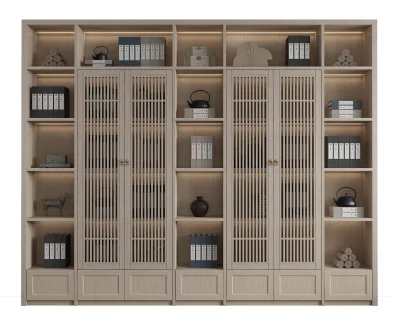


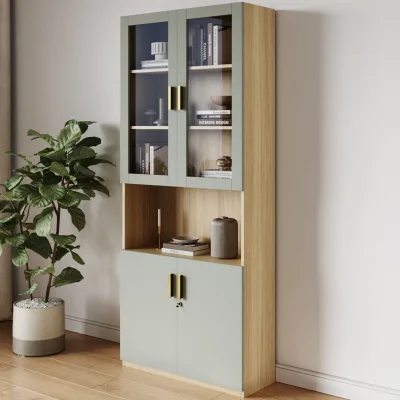
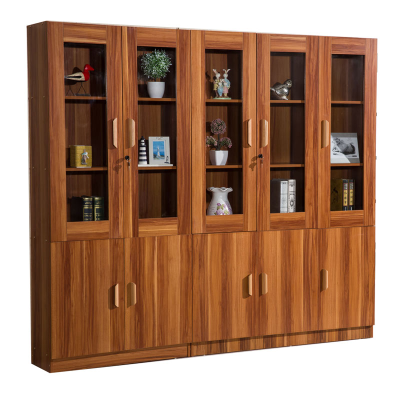
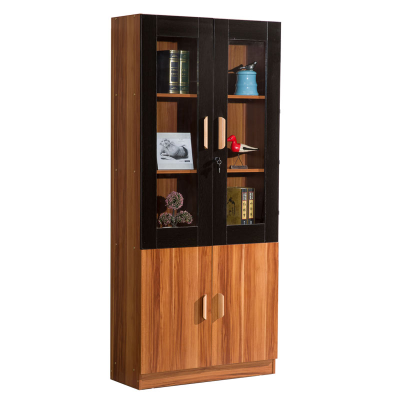
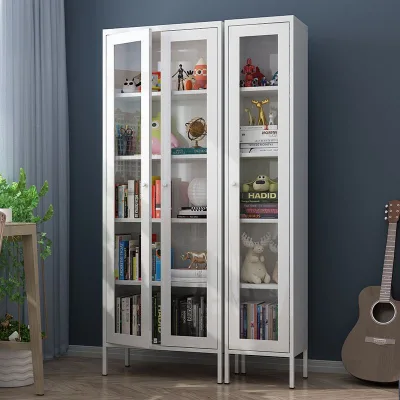
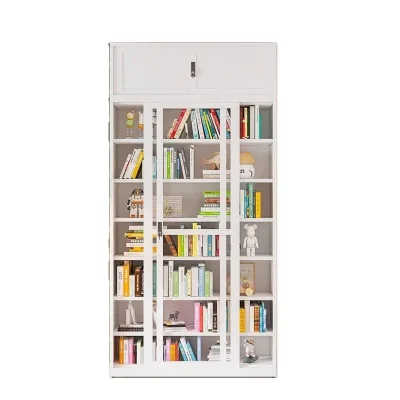
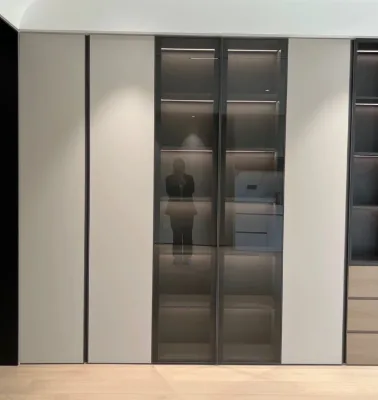
Super Practical Modern Bookcase for Living Room Cabinets with Glass Door
$56.4725 - $82.1424
MOQ: 2 square
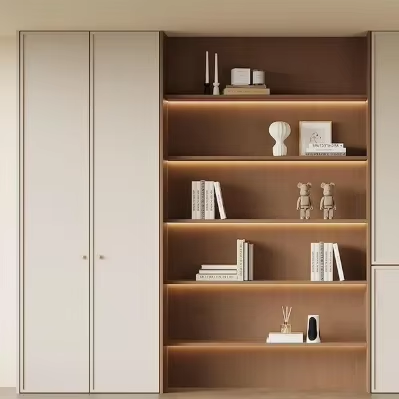



Comprehensive Sourcing Guide
Bookcase with Glass Doors Sourcing Guide
Sourcing bookcases with glass doors requires careful attention to material composition and structural integrity, as these pieces often serve as focal points in living rooms, home offices, and commercial spaces. The observed market data indicates a diverse range of options, with suppliers offering products made from metal, solid wood, and engineered boards such as MDF, particle board, and plywood. Buyers must distinguish between the shelf material and the main structural material, as some listings specify wood shelves while others highlight metal frames or melamine finishes. This variation directly impacts durability, aesthetic appeal, and suitability for different environments, from residential apartments to office buildings.
Procurement decisions should also account for the specific features and customization options available, which significantly influence the final product’s functionality. Many suppliers offer adjustable height mechanisms, revolving bases, and modular designs that allow for flexible storage solutions. The presence of glass doors adds a layer of complexity regarding safety and handling, requiring verification of edge finishing and structural support. Additionally, features like anti-water, anti-dirty, and anti-scratch properties are critical for maintaining the appearance of the unit over time, especially in high-traffic areas. Understanding these attributes helps buyers align product specifications with their specific operational needs and aesthetic preferences.
Product Scope and Observed Listing Signals
The current market landscape for bookcases with glass doors reveals a wide spectrum of design styles and functional applications. Listings frequently highlight modern aesthetics, with brands such as Aimsp and Ulink offering units that blend seamlessly into contemporary living rooms and home offices. The observed product attributes include features like adjustable height, portability, and storage capabilities, which cater to both residential and commercial users. Some models are designed as filing cabinets or general storage solutions, emphasizing large capacity and eco-friendly materials. Buyers should note that while "glass doors" are the core keyword, many listings describe units with panel doors or solid wood constructions, necessitating a thorough review of product images and detailed specifications to confirm the presence of glass elements.
Price and minimum order quantity (MOQ) signals provide insight into the scalability and cost structure of these products. The observed price range spans from $1 to $3,000, reflecting variations in material quality, size, and customization levels. MOQs are generally flexible, with many suppliers stating "no limitation" or low thresholds, which is advantageous for small businesses or individual buyers. However, buyers must be cautious of listings that do not explicitly mention glass doors, as some may offer solid wood or metal alternatives. The availability of customization options, including size adjustments and color selections, allows for tailored solutions but may impact lead times and pricing. Verifying these details early in the sourcing process ensures that the selected product meets both functional requirements and budget constraints.
Technical Specifications to Verify
When evaluating bookcases with glass doors, verifying technical specifications is crucial to ensure structural stability and aesthetic alignment. Buyers should confirm the exact dimensions, as observed standards include sizes like 8004001800mm and 12004002000mm, with customization available for specific space requirements. The type of glass used, including its thickness and safety features, must be clearly defined, especially for units with revolving or adjustable components. Additionally, the edge finishing process, such as German machine handling, can significantly affect the durability and visual quality of the unit. Buyers should request detailed technical drawings or product samples to assess the quality of materials, including the type of wood, metal grade, or engineered board used in construction.
Another critical aspect is the assembly and packaging method, which impacts both shipping costs and on-site installation. Many suppliers offer knock-down packing to facilitate transportation, but buyers must verify the completeness of hardware and instructions to avoid assembly issues. The presence of features like push-pulling doors, multiple grids, and specific door counts (e.g., four doors) should be cross-referenced with the product model number, such as UL-25NF80199 or HX-8N1537. Buyers should also inquire about the weight capacity of shelves and the stability of the base, particularly for taller units. Ensuring that all technical specifications are documented in the purchase agreement helps prevent discrepancies between the ordered product and the delivered item, reducing the risk of returns or additional costs.
Compliance and Safety Documentation
Compliance and safety documentation are paramount when sourcing bookcases with glass doors, particularly for commercial applications or public spaces. Buyers must verify that suppliers hold relevant certifications, such as ISO or CCC, which indicate adherence to quality and safety standards. The presence of glass doors introduces specific safety concerns, including the risk of breakage and the need for tempered or laminated glass to prevent injury. Suppliers should provide test reports or certificates confirming that the glass meets local safety regulations, such as impact resistance and shatter-proof properties. Additionally, buyers should inquire about the fire resistance of the materials used, especially if the bookcase is intended for office buildings or schools where fire safety codes are strictly enforced.
Beyond product-specific certifications, buyers should ensure that the supplier complies with broader environmental and labor standards. Eco-friendly claims, such as the use of sustainable wood or low-VOC finishes, should be supported by credible documentation, such as FSC certification or environmental impact assessments. Buyers should also verify that the supplier adheres to ethical labor practices and has a robust quality management system in place. Requesting a copy of the supplier’s quality manual or audit reports can provide insight into their commitment to safety and compliance. By prioritizing suppliers with comprehensive documentation, buyers can mitigate risks associated with product liability, regulatory non-compliance, and reputational damage, ensuring a safer and more responsible procurement process.
Cost Drivers and Commercial Terms
Understanding the cost drivers and commercial terms is essential for effective budgeting and negotiation when sourcing bookcases with glass doors. Key factors influencing price include the type of materials used, such as solid wood versus engineered boards, the complexity of the design, and the extent of customization. Glass quality, hardware durability, and finishing techniques also contribute to the overall cost. Buyers should request detailed cost breakdowns to identify areas where savings can be achieved without compromising quality. Additionally, the MOQ and production lead time can impact pricing, with larger orders often benefiting from economies of scale. Suppliers may offer discounts for bulk purchases or long-term contracts, which can be leveraged to reduce unit costs.
Commercial terms, including payment methods, shipping arrangements, and warranty policies, play a significant role in the total cost of ownership. Common payment terms include T/T and Irrevocable L/C at Sight, while shipping terms may range from Ex-Work Factory to FOB Shenzhen. Buyers should clarify who bears the risk and cost during transit, as this can affect insurance requirements and potential losses. Warranty periods, typically two years for many suppliers, should be explicitly stated in the contract, along with the scope of coverage and the process for claiming repairs or replacements. Understanding these terms helps buyers anticipate hidden costs and plan for long-term maintenance, ensuring a transparent and predictable procurement experience.
Supplier Qualification and Quality Control
Supplier qualification and quality control are critical steps in mitigating risks associated with sourcing bookcases with glass doors. Buyers should conduct thorough due diligence to verify the supplier’s manufacturing capabilities, production capacity, and quality management systems. This includes reviewing their facility audits, production lines, and past performance records. Suppliers with a proven track record of delivering high-quality products on time are more likely to meet buyer expectations. Additionally, buyers should assess the supplier’s ability to handle customization requests, as this requires flexibility and precision in manufacturing. Requesting references from previous clients or visiting the factory can provide valuable insights into the supplier’s operational efficiency and reliability.
Quality control measures should be established before production begins to ensure that the final product meets specified standards. Buyers should define clear quality criteria, including material specifications, dimensional tolerances, and finish quality, and communicate these to the supplier. Implementing pre-production samples and in-process inspections can help identify and rectify issues early in the manufacturing cycle. Final random inspections (FRI) before shipment are essential to verify that the products conform to the agreed-upon specifications. Buyers should also establish a clear process for handling defects or non-conformities, including return policies and compensation terms. By prioritizing supplier qualification and robust quality control, buyers can ensure consistent product quality and reduce the likelihood of costly disputes or delays.
Long-Term Procurement Checks
Long-term procurement checks are necessary to maintain supplier performance and product quality over time. Buyers should establish a regular review process to evaluate supplier reliability, including on-time delivery rates, product defect rates, and responsiveness to issues. This data can be used to identify trends and address potential problems before they escalate. Additionally, buyers should monitor market changes, such as fluctuations in material costs or new regulatory requirements, to ensure that their sourcing strategy remains competitive and compliant. Regular communication with suppliers, including periodic business reviews, can foster a collaborative relationship and encourage continuous improvement. Buyers should also stay informed about industry best practices and technological advancements that could impact product design or manufacturing processes.
Sustainability and ethical sourcing should be integrated into long-term procurement strategies to align with corporate social responsibility goals. Buyers should periodically assess their suppliers’ environmental practices, including waste management, energy usage, and carbon footprint reduction efforts. Engaging suppliers in sustainability initiatives, such as using recycled materials or optimizing logistics to reduce emissions, can enhance brand reputation and meet consumer expectations. Additionally, buyers should ensure that their suppliers adhere to fair labor practices and provide safe working conditions for their employees. By incorporating these long-term checks into their procurement process, buyers can build resilient supply chains that deliver value, quality, and ethical integrity over the long haul.
FAQs
What materials are used for Bookcase with Glass Doors?
The product utilizes metal and wood materials, including solid wood, melamine, MDF, particle board, and plywood. The shelf material is specified as wood with a panel style. These materials ensure durability and eco-friendly construction for home office or commercial use.
Can I customize the size of the Bookcase with Glass Doors?
Yes, customization is available for the size. Standard specifications include 800*400*1800mm, 1200*400*2000mm, and 1600*400*2000mm. Buyers can request specific dimensions to fit their living room, office, or apartment spaces, ensuring the furniture meets exact spatial requirements.
What certifications do the Bookcase with Glass Doors have?
The products hold ISO and CCC certifications. These standards verify quality and safety compliance for the furniture. The items are new condition and feature anti-water, anti-dirty, and anti-scratch advantages, making them suitable for high-traffic commercial or residential environments.
What is the lead time for Bookcase with Glass Doors?
Delivery takes less than 20 days, with production leading time within 10-30 days. This efficient timeline supports quick restocking for retailers. The items are packed in cartons or knock-down packing, facilitating easy shipping and storage upon arrival at the destination.
Where are the Bookcase with Glass Doors manufactured?
The products originate from Chongqing, China. This location supports the manufacturing of modern style furniture with features like adjustable height and revolving components. The origin ensures access to established supply chains for metal and wood components used in these storage solutions.
What is the MOQ for Bookcase with Glass Doors?
There is no limitation on the minimum order quantity. Buyers can order single items or bulk quantities. This flexible policy accommodates both individual home office needs and large commercial furniture projects, allowing for easy procurement without strict volume constraints.