Source Vacuum Suction Blackhead Remover for Salon, Home, and Clinic
Find and compare 30 Vacuum Suction Blackhead Remover options designed for oily skin and facial care. Evaluate models like FS-B01 and FS-B07 based on suction strength, charging time, and material composition to select the right device for professional or personal use.
Key considerations
Products List


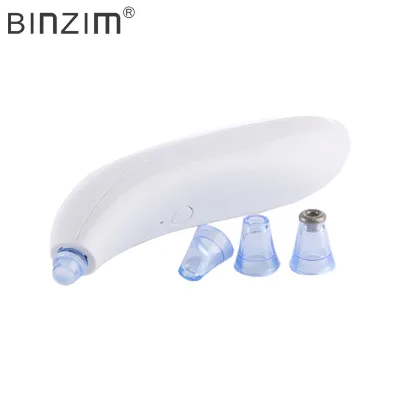
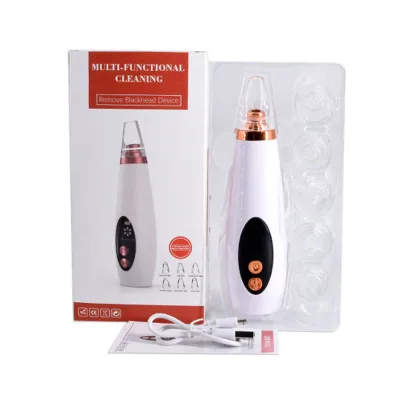

Top Rated Cleanser Electric Suction Facial Extractor Blackhead Vacuum Remover
$7.20 - $7.80
MOQ: 500 Pieces


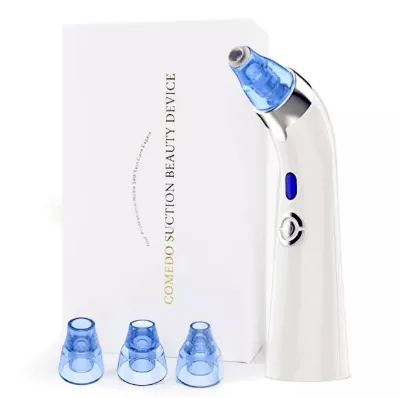


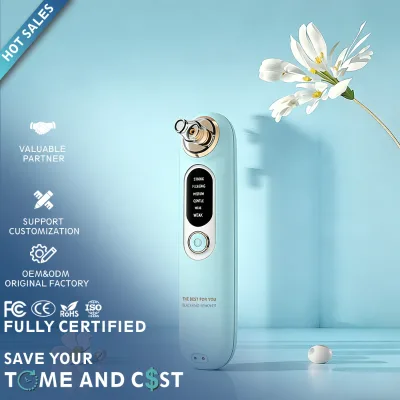
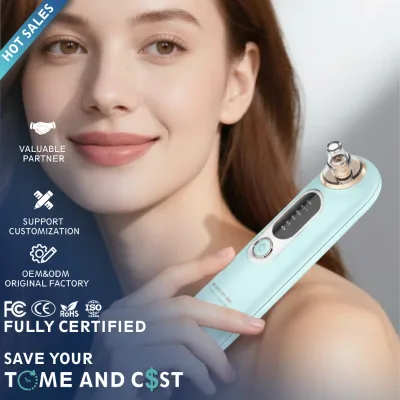
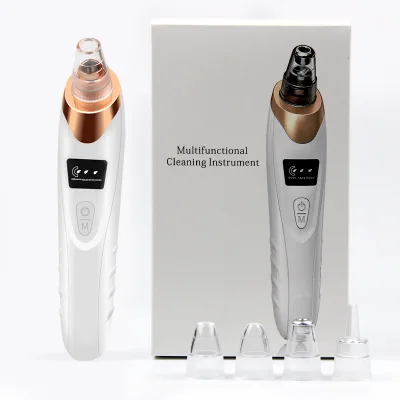
Comprehensive Sourcing Guide
Vacuum Suction Blackhead Remover Sourcing Guide
Sourcing vacuum suction blackhead removers requires a careful balance between aesthetic efficacy and device safety, particularly when targeting the delicate skin on the face. These devices are primarily designed for adult users with oily skin types, focusing on functions such as acne and blemish control, sun care, and deep cleansing. The market offers a variety of models that range from simple electric rotation tools to more advanced micro-bubble beauty machines, each with distinct operational characteristics. Buyers must navigate a landscape where customization is available, allowing for brand-specific branding, but where technical specifications vary significantly between manufacturers. Understanding the core mechanical differences, such as suction strength and power consumption, is essential for selecting the right product for your target demographic.
The procurement process for these devices involves evaluating multiple product models, each with unique physical dimensions, materials, and operational parameters. For instance, some models are constructed from ABS plastic or a combination of ABS and stainless steel, while others may feature different head configurations, such as six massage heads for varied treatment modes. The origin of these products is predominantly China, with specific manufacturing hubs like Zhejiang providing a concentration of suppliers. Buyers should be aware that while the core function remains consistent, the implementation details—such as charging times, battery capacities, and waterproof ratings—can differ, impacting both user experience and logistical requirements for storage and shipping.
Product Scope and Observed Listing Signals
The observed product scope indicates a diverse range of devices tailored for both salon and home applications, with a strong emphasis on portability and ease of use. Listings reveal that these devices are generally unisex and designed for facial treatment, with working hours typically ranging from 0.5 to 2 hours per charge. The physical attributes vary widely, with some models being compact and lightweight, such as those weighing around 117-120 grams, while others are larger units intended for professional environments. The presence of features like deep cleansing, exfoliation, and skin rejuvenation suggests that buyers should look for devices that offer multi-functional capabilities to maximize value for end-users. Additionally, the availability of customization options allows brands to tailor the product’s appearance and packaging, such as using color boxes or standard cartons, to align with their marketing strategies.
Observed listing signals also highlight significant variations in technical performance, which buyers must scrutinize to avoid mismatches between product claims and actual performance. For example, suction strength is a critical metric, with some devices rated at less than or equal to 53-54 kPa, ensuring gentle yet effective extraction without causing skin damage. Power requirements also differ, with some units operating on 5W with a 3.7V rated voltage, while others may have lower power consumption of 1W. Charging inputs are typically USB-based, requiring 5V-1A, with charging times ranging from approximately 90 minutes to 2 hours. These variations mean that buyers cannot assume uniformity across all suppliers and must verify the specific technical parameters for each model they intend to source, ensuring they align with the intended use case and regional electrical standards.
Technical Specifications to Verify
When verifying technical specifications, buyers should prioritize the verification of suction strength and power parameters to ensure device safety and efficacy. The suction strength should be confirmed to be within a safe range, typically less than or equal to 54 kPa, to prevent bruising or capillary damage on the face. It is crucial to check the rated voltage and power consumption, as these determine the device’s compatibility with global power supplies and its energy efficiency. For instance, some models operate at 3.7V with 5W power, while others may have different configurations. Buyers should also verify the battery capacity, such as 500mAh, and the charging time, which can range from 90 minutes to 2 hours, to ensure that the device meets the expected usage duration and convenience for consumers.
Material composition and physical dimensions are equally important factors that influence the durability and user experience of the device. The housing material is often ABS plastic or a combination of ABS and stainless steel, which affects the device’s weight and aesthetic appeal. Buyers should verify the product size and weight, as some models are designed to be highly portable, weighing around 120 grams and measuring approximately 1656540mm, while others may be larger for salon use. Additionally, the number and type of heads, such as six massage heads, should be confirmed to ensure they provide the desired treatment variety. Waterproof ratings are another critical specification, with some devices being non-waterproof, which impacts their cleaning and maintenance requirements. Buyers must ensure that these specifications are clearly documented in the product datasheets to avoid discrepancies during quality control.
Compliance and Safety Documentation
Compliance and safety documentation are paramount when sourcing electronic beauty devices, as they ensure that the products meet international safety standards and regulatory requirements. Buyers should request certificates such as CE and RoHS, which indicate conformity with European health, safety, and environmental protection standards. These certifications are essential for importing products into many markets and demonstrate that the device does not contain hazardous substances and operates safely. However, buyers must verify the validity and scope of these certificates, ensuring they cover the specific models and variants being sourced. It is also important to check for any additional regional certifications, such as FCC for the United States or PSE for Japan, depending on the target market.
In addition to regulatory certifications, buyers should obtain detailed safety test reports and user manuals that provide clear instructions for safe operation. These documents should include warnings about contraindications, such as use on sensitive or damaged skin, and guidelines for proper maintenance and cleaning. Since some devices are not waterproof, the user manual should clearly state this limitation to prevent damage and potential safety hazards. Buyers should also verify that the packaging includes all necessary safety information and that the device itself has clear labeling regarding voltage, power, and model numbers. Ensuring that all compliance documentation is up-to-date and accurate is crucial for avoiding customs delays and ensuring consumer trust in the product’s safety and quality.
Cost Drivers and Commercial Terms
Cost drivers for vacuum suction blackhead removers include the complexity of the device, the quality of materials used, and the level of customization required. Devices with advanced features, such as multiple massage heads or higher suction precision, may command higher prices due to increased manufacturing complexity. The choice of materials, such as ABS plastic versus stainless steel accents, also impacts the cost, as does the inclusion of additional accessories or packaging options like color boxes. Buyers should negotiate based on the total value proposition, considering not just the unit price but also the quality, durability, and feature set of the device. Understanding these cost drivers allows buyers to make informed decisions about which models offer the best balance of cost and performance for their target market.
Commercial terms, including MOQ (Minimum Order Quantity) and lead times, are critical factors in the procurement process. Observed MOQs can range from 1 to 3000 units, depending on the supplier and the level of customization. Buyers should clarify the MOQ requirements early in the negotiation process to ensure they can meet the supplier’s minimums without overstocking. Lead times can also vary, so it is important to establish clear delivery schedules and penalties for delays. Payment terms, such as T/T or L/C, should be negotiated to protect the buyer’s interests and ensure smooth transactions. Additionally, buyers should consider the total landed cost, including shipping, duties, and taxes, to accurately assess the profitability of the product.
Supplier Qualification and Quality Control
Supplier qualification is a critical step in ensuring the reliability and consistency of the Vacuum Suction Blackhead Remover supply chain. Buyers should conduct thorough due diligence on potential suppliers, verifying their business licenses, manufacturing capabilities, and quality management systems. It is important to assess the supplier’s experience in producing electronic beauty devices and their ability to meet specific technical requirements. Buyers should also request samples to evaluate the product’s build quality, functionality, and adherence to specifications. This hands-on evaluation helps identify any potential issues before committing to a larger order.
Quality control measures should be established to ensure that the products meet the agreed-upon standards. Buyers should implement pre-shipment inspections to verify that the devices conform to the specified technical parameters, such as suction strength, power consumption, and material composition. These inspections should also check for any cosmetic defects or packaging errors. Additionally, buyers should establish a clear process for handling defects and returns, ensuring that any non-conforming products are addressed promptly. Regular communication with the supplier and periodic audits can help maintain high quality standards and foster a strong partnership. By prioritizing supplier qualification and rigorous quality control, buyers can minimize risks and ensure customer satisfaction.
Long-Term Procurement Checks
Long-term procurement checks involve continuous monitoring of supplier performance and market trends to ensure sustained value and competitiveness. Buyers should regularly review supplier metrics, such as on-time delivery rates, defect rates, and responsiveness to issues. This data-driven approach helps identify potential problems early and allows for proactive management of the supply chain. Additionally, buyers should stay informed about technological advancements in the beauty device industry, such as new suction technologies or improved battery efficiencies, to ensure their product offerings remain relevant. Regularly updating product specifications and features based on market feedback can help maintain a competitive edge.
Sustainability and ethical sourcing practices are also becoming increasingly important in long-term procurement strategies. Buyers should assess their suppliers’ environmental policies and labor practices to ensure they align with corporate social responsibility goals. This may include verifying that materials are sourced responsibly and that manufacturing processes minimize waste and energy consumption. By integrating sustainability into their procurement strategy, buyers can enhance their brand reputation and appeal to environmentally conscious consumers. Continuous improvement and adaptation to market changes are key to maintaining a successful and resilient supply chain for vacuum suction blackhead removers.
FAQs
What functions does the Vacuum Suction Blackhead Remover offer?
The device provides acne and blemish control along with sun care capabilities. It features deep cleansing, exfoliation, and skin rejuvenation to address oily skin types effectively on the face.
Which customization options are available for this product?
Customization is available for this Vacuum Suction Blackhead Remover to meet specific buyer requirements. Buyers can request tailored specifications while maintaining the core electric rotation working method.
How long does it take to charge the device fully?
Charging time varies between approximately 90 minutes and 2 hours depending on the specific model. The device typically uses a 5V-1A charging input for efficient power replenishment.
What is the suction strength of the blackhead remover?
The suction strength is rated at less than or equal to 53kpa or 54kpa for safe operation. This level ensures effective pore shrinking without causing excessive skin irritation during use.
Can the device be used for both salon and home applications?
Yes, the Vacuum Suction Blackhead Remover is designed for both salon and home applications. Its portable design allows for versatile use in professional settings or personal skincare routines.
What materials are used to construct the device?
The device is constructed from ABS plastic and stainless steel components for durability. These materials ensure the product remains robust while providing a safe surface for skin contact.
Where is the product manufactured and what is the origin?
The product originates from Zhejiang, China, with some listings simply stating China as the origin. This location supports the manufacturing of various models like FS-B01 and FS-B06.