Source Home Use IPL Hair Removal Machine with RF for Salon, Home, Spa
Explore 30 verified options for a Home Use IPL Hair Removal Machine with RF designed for salon, home, and spa applications. Compare specifications including power, spot size, and wavelength filters to find the right device for hair removal, skin tightening, and pigment removal.
Key considerations
Products List


IPL Hair Removal Machine Portable E-Light IPL Machine IPL Power Supply
$2000.00 - $5000.00
MOQ: 1 Pieces


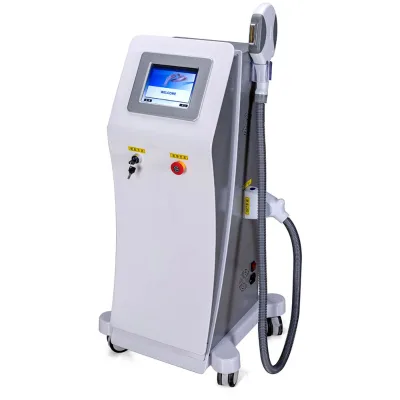
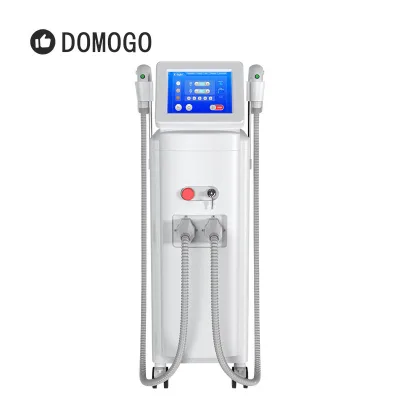


Beauty Hair Removal Machine Pigment Removal Skin Tightening IPL Laser Air Hair Removal
$2600.00 - $3200.00
MOQ: 1 unit

Comprehensive Sourcing Guide
Home Use IPL Hair Removal Machine with RF Sourcing Guide
The market for home use IPL hair removal devices with RF integration presents a distinct category of beauty equipment designed for dual-functionality. Based on observed listings, these instruments typically combine Intense Pulsed Light for hair and pigment removal with Radio Frequency technology for skin tightening and lifting. Buyers should note that while some units are marketed as portable handheld devices, others are larger salon-grade systems adapted for home use, creating a wide variance in physical footprint and power requirements.
Procurement decisions must account for the specific application environment, as the same device may be listed for both salon and home use. The observed product range includes models with varying power outputs, from compact 25W units to high-power 1200W systems, which directly impacts the speed of treatment and the depth of tissue penetration. Understanding whether the intended use is for rapid hair removal or comprehensive skin rejuvenation is critical before selecting a specific model configuration.
Product Scope and Observed Listing Signals
Buyers must carefully distinguish between single-function IPL devices and those offering combined E-Light or RF capabilities. The observed data indicates that many units feature multiple handpieces, such as an IPL/Opt/Sh handle paired with a dedicated RF face lifting handle, allowing for versatile treatment protocols. It is essential to verify the specific handle configurations included in the package, as the presence of an RF handle significantly alters the device's utility for skin tightening compared to standard hair removal machines.
Listing signals also reveal significant variation in spot sizes and filter wavelengths, which dictate the efficacy of the treatment. Standard spot sizes observed include 1550mm² with optional 1240mm² or 12*30mm² variants, while filter wavelengths range from 430nm to 750nm to target different skin tones and hair colors. Procurement teams should cross-reference these optical specifications against the intended user demographics to ensure the device can effectively treat the target hair types without causing adverse skin reactions.
Technical Specifications to Verify
Technical verification begins with the energy density and pulse parameters, which are fundamental to the safety and efficacy of the treatment. The observed products specify an IPL energy density range of 1-50 J/cm² with pulse widths adjustable between 1-20ms and pulse sequences of 1 to 5 pulses. Buyers must confirm that the specific model they intend to source offers the necessary granularity in these settings to accommodate different skin sensitivities and treatment areas, as fixed parameters may limit the device's versatility.
Power supply and lamp longevity are equally critical technical factors that influence the total cost of ownership. Listings indicate power inputs ranging from 25W for mini handheld units to 1200W for high-performance systems, with lamp shot counts typically rated at 200,000 shots. It is vital to verify the input voltage compatibility, as observed models support both 220V and 110V, ensuring the device can be safely operated in the target market without requiring additional transformers or voltage converters.
Compliance and Safety Documentation
Regulatory compliance is a non-negotiable aspect of sourcing medical-grade beauty equipment, particularly for devices marketed for home use. The observed product listings frequently cite CE, ISO, and RoHS certifications, which are essential for market entry in Europe and other regulated regions. Buyers should request valid certification documents for the specific model number, as these certifications often apply to the entire product line rather than individual configurations, and verify that the RF component also meets relevant safety standards for electrical appliances.
Safety documentation must also address the electrical and optical safety mechanisms built into the device. Given the high energy output of some units, such as those with 1200W power supplies, the presence of cooling systems and skin contact sensors is crucial to prevent burns. Procurement teams should verify that the device includes an optical system to ensure safe operation and that the packaging standards, such as export-standard wooden cases, are sufficient to protect the sensitive internal components during international shipping.
Cost Drivers and Commercial Terms
The price of these devices is heavily influenced by the complexity of the technology and the inclusion of multiple handpieces. Observed price ranges span from approximately $59 for basic mini units to $10,000 for high-end systems with advanced RF and E-Light capabilities. Buyers should analyze the cost per watt and the number of included filters to determine the value proposition, as a higher upfront cost may be justified by a longer lamp life or more comprehensive treatment capabilities.
Commercial terms regarding customization and packaging also play a significant role in the total landed cost. Many suppliers offer OEM/ODM services, allowing buyers to customize the device color, such as the observed white and pink options, and branding. Additionally, the packing specifications, which vary from compact 21929cm boxes to large 604374cm wooden cases, directly impact shipping logistics and freight costs, requiring careful calculation of volumetric weight during the procurement planning phase.
Supplier Qualification and Quality Control
Supplier qualification should focus on the manufacturer's origin and their ability to provide consistent quality control for complex electronic devices. The observed data points to Guangzhou, China, as a primary manufacturing hub for these instruments, suggesting a mature supply chain for beauty equipment. Buyers should verify the supplier's production capacity and their history of exporting to the target market, ensuring they can meet the demand without compromising on the quality of the RF and IPL components.
Quality control protocols must extend beyond the final inspection to include component-level testing. Since the devices rely on precise laser diodes and RF generators, buyers should request test reports for the lamp shots and energy output consistency. The warranty period, typically observed as one year, should be clearly defined in the contract, including the terms for handling defective units and the availability of replacement parts, which is critical for maintaining customer trust in the long term.
Long-Term Procurement Checks
Long-term procurement success depends on the availability of after-sales support and the durability of the product design. Buyers should establish clear communication channels with the supplier for technical support, especially regarding the maintenance of the RF handles and the replacement of IPL lamps after the 200,000-shot limit is reached. A robust support system ensures that end-users can continue to receive effective treatments without the device becoming obsolete due to minor component failures.
Finally, buyers must monitor the evolution of technology and regulatory standards to ensure the sourced products remain competitive and compliant. As the market for home use beauty devices evolves, new wavelengths and safety features may become standard, requiring periodic reviews of the product portfolio. Maintaining a flexible supply chain that can adapt to these changes will allow buyers to offer the most advanced and safe solutions to their customers over the long term.
FAQs
What customization options are available for this IPL device?
Customization is available for this IPL hair removal instrument to meet specific business needs. The product supports OEM and ODM services, allowing buyers to tailor features like handle types or packaging. This flexibility ensures the device fits various salon or home use requirements effectively.
Which certifications does the home use IPL machine hold?
The device holds CE, ISO, and RoHS certifications to ensure safety and compliance. These standards verify that the IPL and RF technology meets international quality requirements. Buyers can rely on these documented certifications when sourcing units for professional or personal use markets globally.
How many shots does the IPL lamp provide for longevity?
The IPL lamp provides 200,000 shots for extended operational life. This high shot count ensures the device remains functional for years of regular use in salons or homes. Such durability reduces the need for frequent replacements and supports long-term cost efficiency for business owners.
Can the machine be used for both hair and pigment removal?
Yes, the machine features hair removal, pigment removal, and skin tightening functions. It utilizes multiple wavelengths ranging from 430nm to 750nm to target different skin concerns effectively. This multi-functionality makes it suitable for comprehensive beauty treatments in both professional and home settings.
What is the power output of the E Light system?
The E Light power output ranges from 1000 to 1200 Watts for effective treatment. This high power ensures efficient energy delivery during hair removal and skin rejuvenation procedures. The system combines IPL and RF technologies to maximize results while maintaining safety standards for various skin types.
Which spot sizes are available for the treatment head?
The standard spot size is 15 by 50 square millimeters, with an optional 12 by 40 or 30 square millimeter size. These options allow users to select the appropriate coverage area for different body parts. The flexibility in spot size enhances the versatility of the device for various treatment applications.
Where is the product origin and what is the packing standard?
The product originates from Guangzhou, China, and uses export standard wooden case packing. This robust packaging ensures safe transport during international shipping. The origin location and standard packing methods support reliable logistics for buyers sourcing these devices from verified suppliers in the region.