Source Vacuum Suction Phone Holder for Car, Home, Office
Find 30 Vacuum Suction Phone Holder options from verified suppliers. Compare models like CA83 and CG912, featuring magnetic or sucker installation for cars, homes, and offices with customizable colors and logos.
Key considerations
Products List


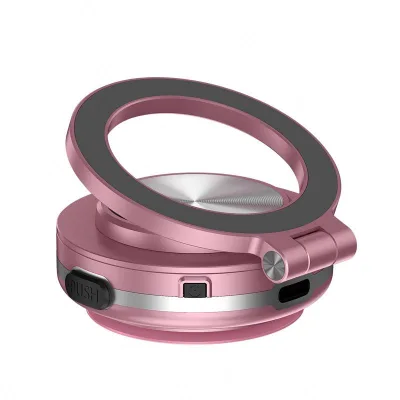


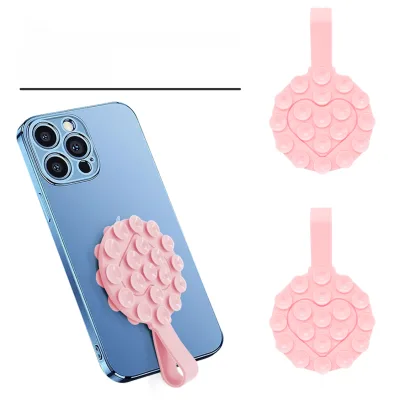


Wholesale Multifunctional Vacuum Suction Cup Magnetic Mobile Phone Holder
$2.50 - $2.90
MOQ: 100 Pieces


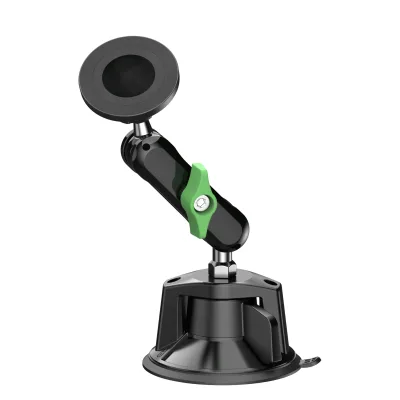

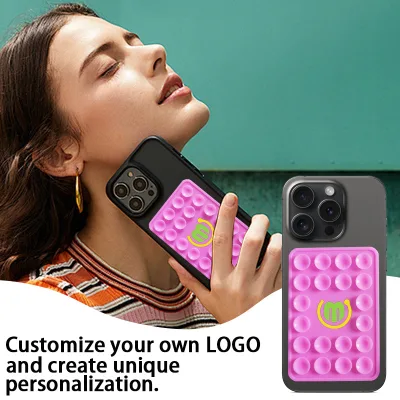
Comprehensive Sourcing Guide
Strategic Sourcing Guide for Vacuum Suction Phone Holders
Understanding Product Variants and Core Specifications
When initiating a procurement strategy for vacuum suction phone holders, buyers must first distinguish between the various functional and structural variants available in the global market. The core keyword "Vacuum Suction Phone Holder" typically refers to devices designed to secure mobile phones to flat surfaces using a vacuum mechanism, though the market often blends this with magnetic and air-vent technologies. Based on current product data, the primary distinction lies in the mounting mechanism and the intended application environment. Some units are explicitly labeled as "Vacuum Suction Car Phone Holders," while others are categorized broadly as "Car Phone Holders" or "Mobile Phone Table Holders" that may utilize suction cups for dashboard or windshield mounting.
The technical specifications for these devices vary significantly depending on the model. For instance, specific models such as CA83, CG912, CG711, and CG519 represent distinct design iterations. The material composition is a critical specification; high-quality units often utilize metal construction to ensure durability and weight-bearing capacity, while others may rely on plastic composites. The color palette observed in the market ranges from standard black to multi-color options including blue, allowing for customization to match vehicle interiors or brand aesthetics. Furthermore, the shape of the holder is a defining characteristic, with round designs being a common specification for certain models like B-261519, which may offer a more compact footprint compared to rectangular alternatives.
Buyers should also note the functional scope of these products. While some units are designed strictly as "Holder Only" devices, others integrate advanced features such as wireless charging capabilities, as seen in models like PA5 and CX16. The compatibility range is another vital specification; most vacuum suction holders are engineered to be compatible with "All Mobile Phones" or "All Sizes of Phones," ensuring versatility across different device generations. However, the installation method remains a key differentiator. While the vacuum suction mechanism is the primary focus, some products list "Sucker" as the installation type, while others are designed for air outlet mounting or general flat surface usage. Understanding these nuances is essential before proceeding to supplier selection.
Compliance, Certification, and Standard Verification
In the B2B procurement of electronic accessories and automotive mounts, compliance and standard verification are non-negotiable steps to mitigate liability and ensure product safety. Although specific certification bodies are not explicitly detailed in the provided product data, buyers must verify that suppliers adhere to "Standard Specifications" or offer "Customized" standards that meet the regulatory requirements of the target market. The origin of the products is predominantly listed as Guangdong, China, a major manufacturing hub, which necessitates rigorous due diligence regarding local and international export standards.
Buyers should request documentation confirming that the products meet relevant safety standards for automotive accessories. This includes verifying that the materials used, such as the metal components mentioned in the specifications, do not contain hazardous substances prohibited in the destination country. The "Standard Specifications" listed for certain models, such as the 100*60MM dimension for B-261519 or the 58mm standard for K022, serve as baseline measurements that must be validated against the buyer's technical requirements. Deviations from these stated dimensions can impact the fit and stability of the holder on various vehicle surfaces.
Furthermore, the "Standard Packaging" or "Customized" packaging options must align with import regulations regarding labeling and safety warnings. If the product includes electronic components, such as wireless charging modules, compliance with electromagnetic compatibility (EMC) and radio frequency (RF) standards is mandatory. Buyers should not assume that a product labeled as "Standard Specifications" automatically meets the specific safety protocols of their region. Instead, they must explicitly request test reports and certification documents from the supplier to confirm that the vacuum suction mechanism and any electronic integrations have been tested for safety and performance. The absence of specific certification names in the product data underscores the need for the buyer to proactively verify these details rather than relying on general product descriptions.
Cost Drivers and Pricing Dynamics
The pricing structure for vacuum suction phone holders is influenced by a complex interplay of factors, including material costs, customization levels, and order volume. The observed price range in the market spans from $0.10 to $10.60 USD, reflecting the vast disparity between basic, unbranded units and premium, feature-rich models. This wide range indicates that the cost is not uniform and is heavily dependent on the specific attributes of the product being sourced.
Material composition is a primary cost driver. Products specified as "Metal" construction generally command a higher price point compared to those made from plastic or composite materials due to the raw material costs and the additional processing required for metal finishing. Similarly, the inclusion of advanced functions, such as wireless charging, significantly increases the unit cost. Models like PA5 and CX16, which offer wireless charging capabilities, are likely positioned at the higher end of the price spectrum compared to simple mechanical holders like CA83 or CG912.
Customization is another significant factor affecting pricing. The market data indicates that "Customization" is available for color, logo, and packaging. While standard black or blue options may be produced at a lower cost due to economies of scale, custom color matching, logo printing, and bespoke packaging designs incur additional tooling and labor expenses. The "Customized" attribute suggests that buyers can tailor the product to their brand identity, but this flexibility comes with a premium.
Order volume also plays a crucial role in determining the final cost. The Minimum Order Quantity (MOQ) ranges from 1 to 1000 units, with specific models like B-261519 requiring an MOQ of 200 PCS and others like K022 requiring 100 PCS. Buyers purchasing at the lower end of the MOQ spectrum will likely face higher per-unit costs. Conversely, larger orders can leverage volume discounts, bringing the price closer to the lower end of the observed range. However, buyers must balance cost savings with inventory risk, especially when dealing with customized products that may have longer lead times or limited flexibility for future orders.
Typical Applications and Usage Scenarios
Vacuum suction phone holders are designed for a diverse range of applications, extending beyond their primary use in automotive settings. The product data highlights several key usage scenarios, including "Car," "Home/Office," and "All Flat Surfaces." This versatility makes them suitable for various market segments, from automotive accessory retailers to corporate gift suppliers and home organization markets.
In the automotive sector, these holders are primarily used for mounting mobile phones on dashboards, windshields, or other flat interior surfaces. The "Vacuum Suction" mechanism is particularly effective for these applications, providing a secure hold that can withstand the vibrations and movements associated with driving. The "Air Outlet" application is also noted, indicating that some models are designed to clip onto vehicle ventilation systems, offering an alternative to suction cup mounting. The compatibility with "All Mobile Phones" ensures that these holders can serve a broad customer base, regardless of the specific device model or size.
Beyond the car, the "Home/Office" usage scenario opens up opportunities for B2B buyers targeting the desk accessory market. The "Round" shape and "Fashion, Modern, Portable" style attributes suggest that these products are designed to be aesthetically pleasing and functional in a professional or domestic setting. The "Mobile Phone Table Holder" keyword further reinforces this application, indicating that the suction mechanism can be used to secure phones on glass tables, countertops, or other smooth surfaces. This dual-purpose capability allows buyers to source a single product line that can be marketed to multiple channels, maximizing the potential return on investment.
The "Special Function" of being a "Magnetic Holder" also expands the application scope. While the primary mechanism may be vacuum suction, the integration of magnetic technology allows for quick attachment and detachment of the phone, enhancing user convenience. This feature is particularly valuable in scenarios where the user frequently moves between the car and other locations, requiring a secure and easily accessible mounting solution.
Supplier Evaluation and Selection Criteria
Selecting the right supplier for vacuum suction phone holders requires a rigorous evaluation process that goes beyond price comparison. Given the origin of most products in Guangdong, China, buyers should prioritize suppliers with a proven track record of manufacturing quality and reliability. The "Customized" nature of the products means that the supplier's ability to manage customization requests is a critical evaluation criterion. Buyers should assess the supplier's capacity for "Customized Logo Printing" and "Label Sticker Service," as these services are essential for branding and product differentiation.
The supplier's production capabilities should be verified against the specific models and specifications required. For instance, if the buyer needs metal construction or specific dimensions like 100*60MM, the supplier must demonstrate the technical expertise to produce these items consistently. The "Standard Packaging" and "Packing Box" options also indicate the supplier's attention to detail in product presentation, which is vital for retail readiness.
Lead time and delivery reliability are other key factors. The data mentions a "Delivery Time" of "Around 3 Days for Small Orders," which suggests that some suppliers may offer rapid turnaround for low-volume requests. However, buyers should clarify lead times for larger orders and customized products, as these can vary significantly. The "MOQ" requirements, ranging from 100 to 1000 PCS, should be aligned with the buyer's inventory strategy and cash flow constraints.
Finally, the supplier's commitment to quality control and after-sales service should be evaluated. Buyers should inquire about the supplier's quality assurance processes, including inspection protocols and defect rates. The availability of "Customized" standards and the ability to meet specific "Standard Specifications" are indicators of a supplier's flexibility and responsiveness to buyer needs. By thoroughly vetting suppliers based on these criteria, buyers can ensure a reliable supply chain that meets their quality and operational requirements.
Quality Control and Long-Term Procurement Considerations
Ensuring the long-term success of a Vacuum Suction Phone Holder procurement program requires a robust quality control (QC) framework and a strategic approach to supplier relationships. Given the mechanical nature of the vacuum suction mechanism, buyers must prioritize testing for durability and holding strength. The suction cup must maintain its grip under various conditions, including temperature fluctuations, vibration, and exposure to sunlight, which are common in automotive environments.
Buyers should implement a multi-stage QC process that includes pre-production sample approval, in-process inspections, and final random inspections. The "Standard Specifications" and "Customized" attributes must be verified against the approved samples to ensure consistency. For metal components, surface finish and structural integrity are critical, as any defects can compromise the safety and functionality of the product. Additionally, if the product includes wireless charging features, electrical safety and performance testing are mandatory to prevent overheating or device damage.
Long-term procurement considerations involve building a sustainable relationship with suppliers who can scale production as demand grows. The ability to maintain consistent quality across different production batches is essential for brand reputation. Buyers should also consider the environmental impact of the products, particularly regarding packaging and material disposal. The "Standard Packaging" and "Customized" options should be evaluated for their sustainability, with a preference for recyclable materials where possible.
Furthermore, buyers should plan for product lifecycle management. As technology evolves, the demand for features like wireless charging may increase, requiring suppliers to adapt their product lines. Maintaining open communication with suppliers and staying informed about market trends will enable buyers to proactively adjust their sourcing strategies. By focusing on quality control and long-term strategic planning, buyers can secure a reliable supply of high-quality vacuum suction phone holders that meet the evolving needs of their customers.
FAQs
What materials are used for vacuum suction phone holders?
Some models are constructed from metal to ensure durability and weight-bearing capacity. Other units may rely on plastic composites, with colors ranging from standard black to blue options available for customization.
Which models support wireless charging capabilities?
Models such as PA5 and CX16 integrate advanced wireless charging features. These units are positioned at a higher price point compared to simple mechanical holders like CA83 or CG912 due to the added electronic components.
Can buyers customize the color and logo of the holder?
Yes, customization is available for color, logo, and packaging. Buyers can tailor the product to match vehicle interiors or brand aesthetics, though custom requests may incur additional tooling and labor expenses.
What is the typical minimum order quantity for these products?
The minimum order quantity ranges from 1 to 1000 units depending on the specific model. Some models like B-261519 require an MOQ of 200 PCS, while others like K022 require 100 PCS.
Where are these vacuum suction phone holders manufactured?
The products originate primarily from Guangdong, China, a major manufacturing hub. Buyers must verify that suppliers adhere to standard specifications or customized standards that meet the regulatory requirements of their target market.
How do installation methods vary across different models?
Installation methods include vacuum suction for flat surfaces, sucker mounts, and air outlet clips. While the vacuum mechanism is primary, some products are designed specifically for air outlet mounting or general flat surface usage.
What are the standard dimensions for specific holder models?
Specific models have defined dimensions, such as 100*60MM for model B-261519 and 58mm for model K022. Buyers should validate these measurements against their technical requirements to ensure proper fit and stability.