Source Vertical English Arcade Game Machine for Gameroom, Bar, Hotel
Find and compare 30 Vertical English Arcade Game Machine options for gamerooms, bars, and hotels. These units feature metal construction, multiple currency detection, and customizable interfaces to suit various amusement venues.
Key considerations
Products List


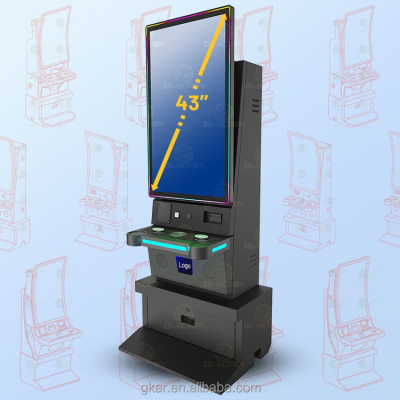


Multi-Game Arcade Entertainment Machine Video Vertical Touch Screen Slot Game Board
$1695.00 - $1995.00
MOQ: 1 Pieces

Arcade Game Machine Design Fruit Game Slot Machine English Video Machine
$1695.00 - $1995.00
MOQ: 1 Pieces

Video Game Entertainment Slot Machine Game Design Video Arcade Machine
$1695.00 - $1995.00
MOQ: 1 Pieces


Coin-Operated Slot Machine Interactive Arcade Game Machine with Coin Operation
$1695.00 - $1995.00
MOQ: 1 Pieces

Hot Selling Slot Game Board Slot Game Machine Video Game Arcade Board
$1695.00 - $1995.00
MOQ: 1 Pieces


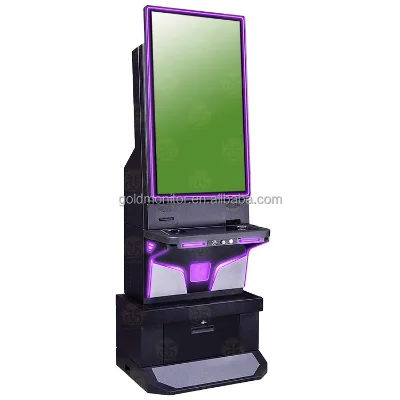
Most Popular 43" Vertical Upright Multi Skill Game Machine for Amusement Room
$304.09 - $1621.83
MOQ: 1 Minimum


Comprehensive Sourcing Guide
Vertical English Arcade Game Machine Sourcing Guide
Procuring vertical arcade game machines requires a strategic approach that balances aesthetic appeal with functional reliability, particularly when targeting international markets where English-language interfaces are a standard requirement. These units are designed to capture attention in high-traffic environments, utilizing vertical form factors to maximize floor space efficiency while delivering immersive gaming experiences. Buyers must navigate a diverse supplier landscape, ensuring that the selected machines meet specific technical and compliance standards for their target regions. The following guide outlines the critical considerations for sourcing these entertainment systems, focusing on verification of specifications, compliance documentation, and long-term operational viability.
The market for vertical arcade machines is characterized by a wide range of configurations, from classic coin-operated units to modern, multi-functional entertainment centers. Sourcing decisions should be driven by the intended deployment environment, whether it be a dedicated gameroom, a commercial bar, a hotel lobby, or a club setting. Each environment imposes different demands on the machine’s durability, user interface, and maintenance requirements. Understanding these contextual needs is essential for selecting the right product model and ensuring that the investment yields a positive return through sustained customer engagement and minimal downtime.
Product Scope and Observed Listing Signals
The current market for vertical arcade machines exhibits a broad price range, with observed listings spanning from approximately $190 to $12,650 USD. This significant variance reflects differences in build quality, technological sophistication, and brand positioning. Lower-priced units may offer basic functionality and standard materials, while higher-priced models often feature advanced display technologies, robust construction, and comprehensive warranty packages. Buyers should interpret these price points as indicative of the overall value proposition rather than a direct correlation to performance, and they must carefully evaluate the specific features included in each price tier to avoid under-specifying their procurement needs.
Minimum Order Quantities (MOQ) for these products are typically set at one unit, providing flexibility for small-scale operators or those testing new concepts. This low barrier to entry allows buyers to pilot machines in their venues before committing to larger orders. However, the lead time for production and delivery is generally around ten days, which requires careful planning to ensure timely installation and opening. Buyers should also note that customization is widely available, allowing for tailored solutions such as specific branding, language settings, or hardware configurations, which can be crucial for differentiating their offerings in a competitive market.
Technical Specifications to Verify
When evaluating technical specifications, the display technology is a primary differentiator, with options ranging from standard VGA outputs to high-definition HDMI and DisplayPort connections. The screen size is another critical factor, with common configurations including 23.6-inch flat screens that provide a balanced viewing experience for various game types. Buyers must verify the video output compatibility with their existing infrastructure to ensure seamless integration. Additionally, the control interface, which may include buttons, touch screens, or hybrid systems, should be selected based on the game genre and user preference, ensuring an intuitive and responsive experience for players.
Power requirements and physical dimensions are essential for logistical planning and venue setup. Voltage specifications vary, with common options including 110V and 220V, necessitating careful alignment with the local power grid standards to prevent equipment damage. The physical footprint of the machine, often described in dimensions such as 63cm x 58cm x 192cm or similar variations, must be assessed against the available floor space. Furthermore, the material composition, which may include metal frames, acrylic panels, or plastic components, impacts both the aesthetic appeal and the durability of the unit, influencing its suitability for high-traffic commercial environments.
Compliance and Safety Documentation
Compliance with regional safety and environmental standards is non-negotiable for commercial arcade machines. Certifications such as CE, FCC, RoHS, ISO, and CCC are commonly cited, indicating adherence to specific regulatory frameworks for electrical safety, electromagnetic compatibility, and hazardous substance restrictions. Buyers must verify that the certifications provided are valid for their target market, as requirements differ significantly between regions like Europe, North America, and Asia. Relying on generic certification claims without verifying their applicability can lead to legal liabilities and operational disruptions.
Safety documentation should also include detailed information on electrical insulation, grounding, and emergency stop mechanisms, particularly for machines with moving parts or high-voltage components. The condition of the product, typically listed as "New," should be accompanied by clear instructions for safe operation and maintenance. Buyers should request comprehensive user manuals and safety guidelines from the supplier to ensure that their staff is adequately trained to operate and maintain the equipment, thereby minimizing the risk of accidents and ensuring a safe environment for customers.
Cost Drivers and Commercial Terms
Several factors influence the total cost of ownership for vertical arcade machines, including the choice of materials, display technology, and customization options. Metal construction and high-resolution displays generally command higher prices due to their superior durability and visual quality. Customization services, such as adding specific logos, changing color schemes, or modifying software interfaces, also add to the initial cost but can enhance brand identity and customer engagement. Buyers should weigh these upfront investments against the potential for increased revenue and customer loyalty to determine the optimal balance.
Commercial terms, including payment methods, shipping arrangements, and warranty coverage, play a crucial role in the procurement process. The lead time of approximately ten days suggests a relatively quick turnaround, but buyers should confirm whether this includes production, testing, and packaging. Packaging methods, such as cartons, wooden cases, or bubble film with stretch film, are designed to protect the machine during transit, but buyers should verify that the packaging is robust enough to prevent damage. Additionally, warranty periods, which may extend up to 15 months, provide a safety net for early failures, but the terms and conditions of these warranties should be clearly understood to avoid unexpected repair costs.
Supplier Qualification and Quality Control
Supplier qualification is a critical step in ensuring the reliability and consistency of the arcade machines. Buyers should prioritize suppliers with a proven track record in manufacturing and exporting entertainment equipment, particularly those located in established industrial hubs like Guangzhou, China. The origin of the product is often a key indicator of the supply chain’s maturity and the availability of skilled labor and components. Verifying the supplier’s production capabilities, including their use of advanced technologies like injection molding for plastic components, can provide insights into the quality and consistency of the final product.
Quality control measures should be rigorously enforced throughout the procurement process. Buyers should request detailed product specifications, including model numbers, dimensions, and material compositions, to ensure that the delivered machines match the agreed-upon standards. Regular inspections, either through third-party agencies or on-site visits, can help identify potential issues before shipment. Additionally, establishing clear communication channels with the supplier for post-delivery support and troubleshooting is essential for maintaining the operational integrity of the arcade machines over time.
Long-Term Procurement Checks
Long-term success in operating vertical arcade machines depends on ongoing maintenance, software updates, and customer feedback. Buyers should establish a routine maintenance schedule that includes cleaning, inspection of electrical components, and testing of game functionality to prevent wear and tear from affecting performance. Regular software updates can enhance the gaming experience by introducing new features, fixing bugs, and improving security, thereby keeping the machines relevant and engaging for customers.
Feedback from players and staff is invaluable for identifying areas for improvement and optimizing the user experience. Buyers should actively solicit feedback to understand what aspects of the machine are most appreciated and what issues need to be addressed. This information can guide future procurement decisions, such as selecting models with more durable materials or more intuitive interfaces. By continuously monitoring performance and adapting to changing market trends, buyers can ensure that their arcade machines remain a profitable and popular attraction in their venues.
FAQs
What certifications do these arcade machines have?
The machines hold RoHS, ISO, FCC, CE, and CCC certifications. These standards ensure safety and compliance for international markets, allowing use in gamerooms, bars, and hotels without regulatory issues.
Can I customize the coin capacity of the machine?
Yes, customization is available for the coin capacity, which ranges from several hundred to a couple of thousand coins. This flexibility allows operators to tailor the machine to specific venue needs and expected traffic volumes.
What is the lead time for ordering these units?
The standard lead time is 10 days for production and preparation. This quick turnaround supports urgent restocking needs for amusement parks and clubs while maintaining the new condition of the equipment.
Which voltage options are supported for these machines?
The machines support both 110V and 220V voltage options. This dual compatibility ensures the equipment can be deployed in various regions without requiring additional transformers or electrical modifications for the venue.
How many players can use the game machine simultaneously?
The machine supports between 1 to 50 players depending on the specific configuration. This wide range accommodates both single-player fighting games and larger group activities suitable for bars and hotels.
What materials are used to construct the arcade machine?
The primary materials include metal and acrylic, with some models using plastic suction or FRP. These durable materials ensure longevity in high-traffic environments like amusement parks and clubs while maintaining a sleek appearance.
Is the product available in different screen sizes?
Yes, the product features a 23.6-inch flat screen display with VGA, HD-Mi, or DP video output options. This ensures high-quality visual performance for the game interface and enhances the player experience.