Source Vibrating Jewelry Polishing Machine for metal, stone, and alloy parts
Explore 30 listings of vibrating jewelry polishing machines designed for metal, stone, and alloy surface finishing. Buyers can compare specifications, power ratings, and supplier details to find the right equipment for their production needs.
Key considerations
Products List
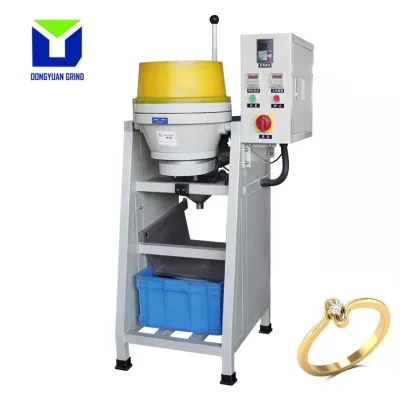
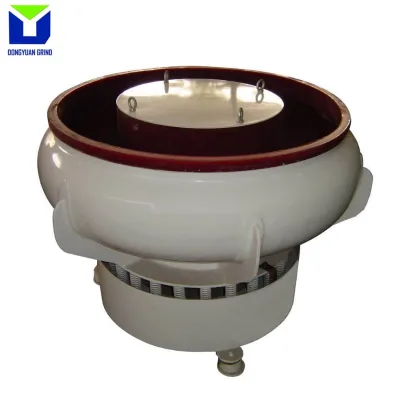
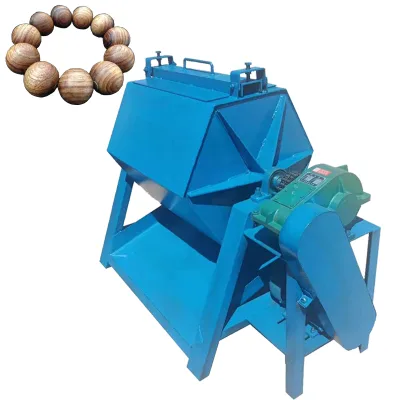
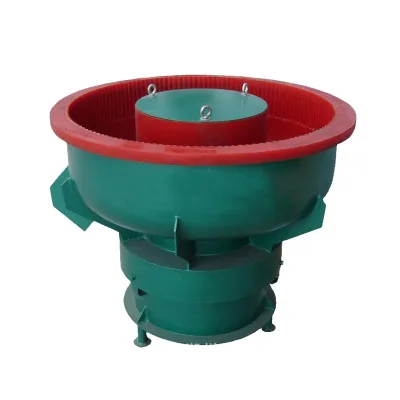
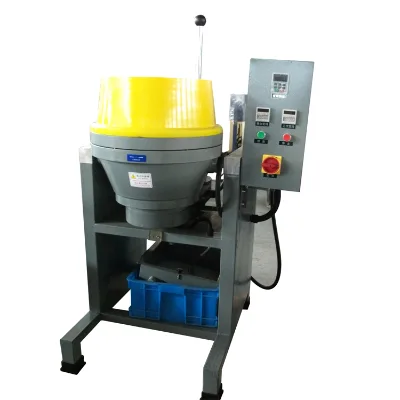
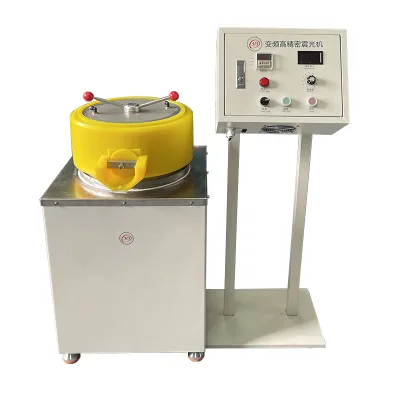
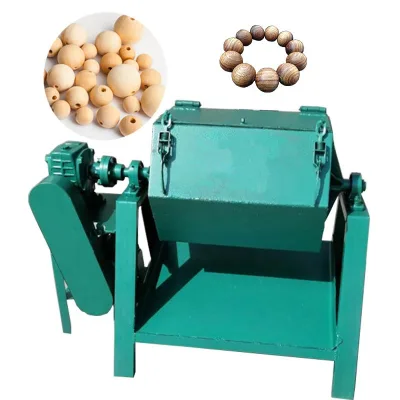
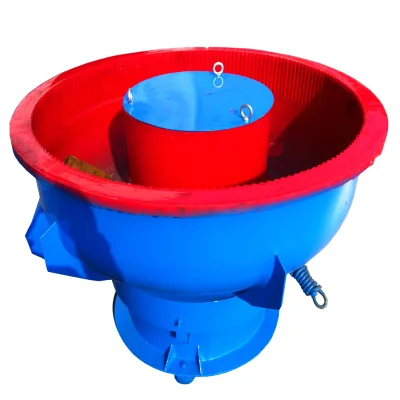
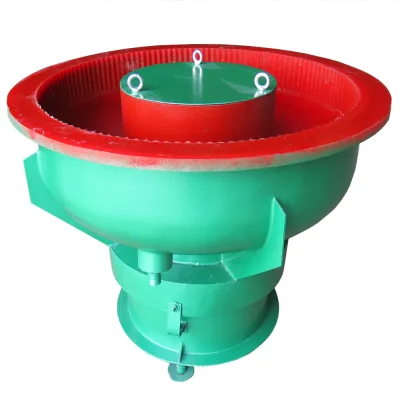
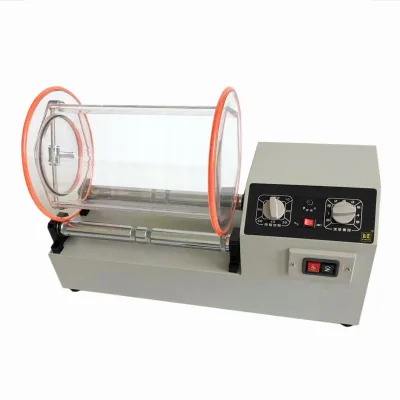
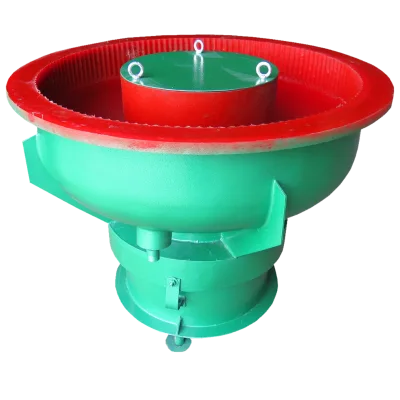
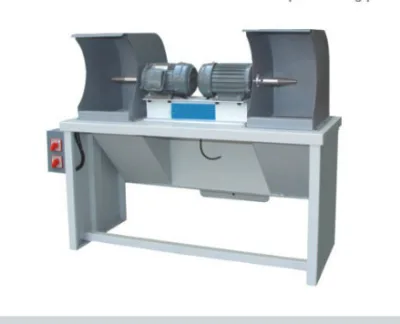
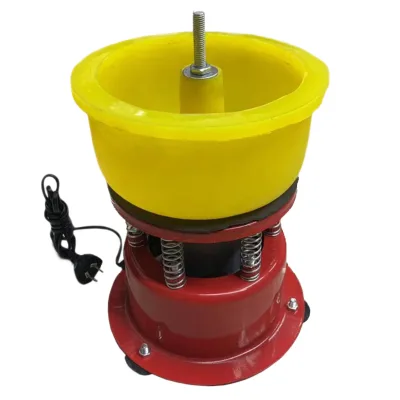
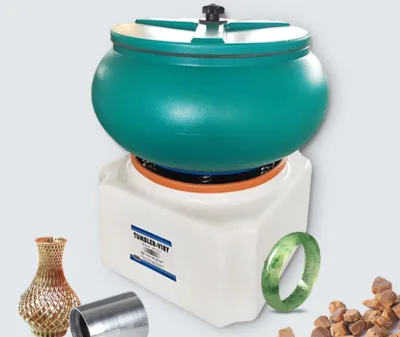
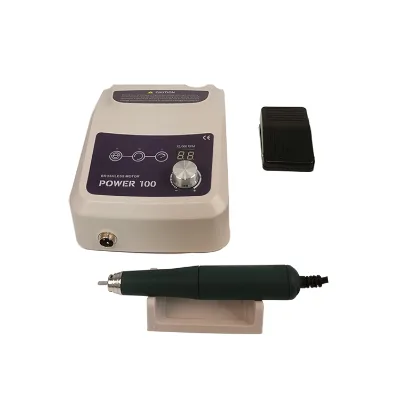
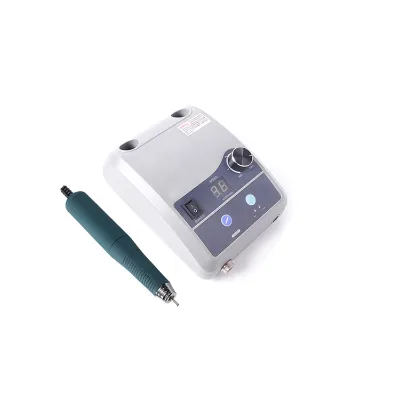
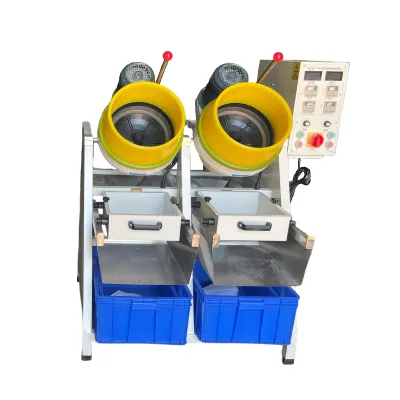
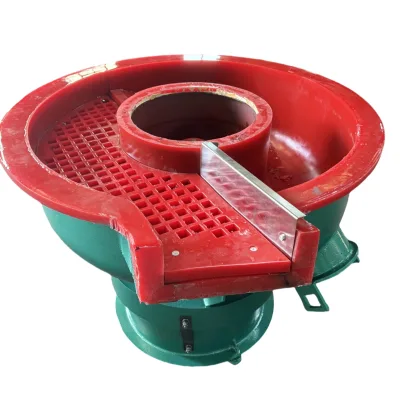
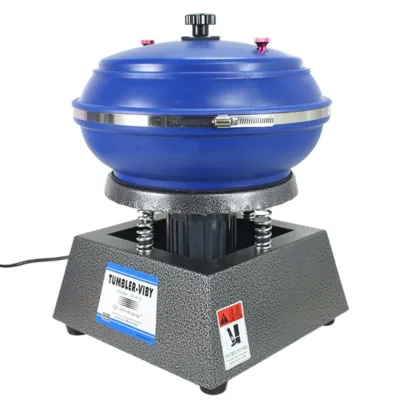
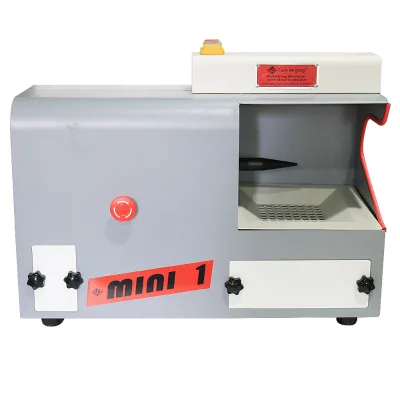
Lapidary Machine Jewelry Polishing Machine Polishing Machine With Dust Collector
$185.00 - $220.00
MOQ: 1 Minimum
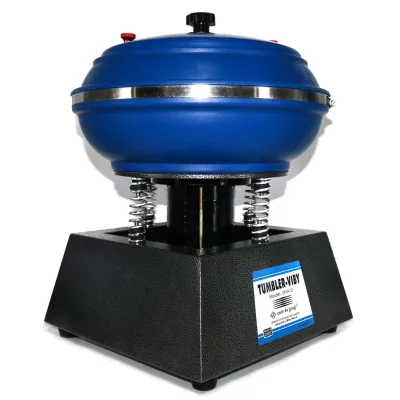
Jewelry Tools Equipment Vibrating Polishing Machine 12 Inch Vibratory Tumbler
$4.00 - $179.00
MOQ: 1 Minimum


Comprehensive Sourcing Guide
Strategic Sourcing Guide for Vibrating Jewelry Polishing Machines
Understanding the Technology and Operational Mechanics
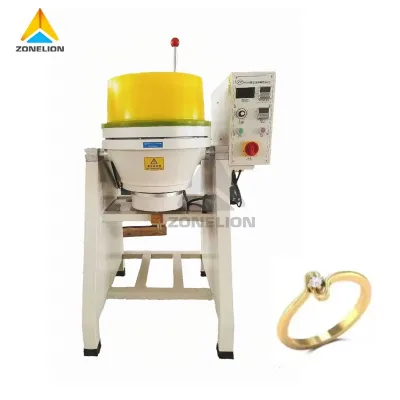
The Vibrating Jewelry Polishing Machine represents a specialized category within industrial finishing equipment, designed specifically for high-volume surface treatment of small components. Unlike traditional tumbling methods that rely on gravity and rotation, these units utilize high-frequency vibration to agitate media and workpieces simultaneously. This mechanical action creates a uniform abrasive action that effectively deburrs, polishes, and finishes delicate items without causing the distortion or damage often associated with more aggressive mechanical processes. The core functionality relies on the interaction between the machine's motor, the vibrating bowl or tub, and the specific media selected for the job.
In the context of available market data, the term "vibration tumbler polisher" accurately describes the operational principle of these devices. The machinery typically integrates a motor as a core component to generate the necessary oscillation. For smaller, benchtop units intended for jewelry applications, the power consumption is often modest, with observed specifications indicating power ratings around 250W. This energy efficiency makes them suitable for small workshops and jewelry studios where space and power availability are constrained. Conversely, larger industrial variants may feature higher power outputs, such as 2.2kW, to handle heavier loads or more demanding polishing cycles. The distinction in power and size directly correlates to the intended application scale, ranging from single-item prototyping to batch production of jewelry components.
The physical dimensions of these machines vary significantly based on their capacity. Compact models designed for precision jewelry work may occupy a footprint of approximately 50x50x55cm, making them ideal for placement on standard workbenches. These units often weigh around 60kg, a factor that influences both shipping logistics and the stability required during operation. Heavier industrial counterparts, such as those used for metal surface grinding and polishing, can weigh upwards of 420kg, requiring dedicated floor space and reinforced flooring. The weight of the machine is a critical specification for buyers, as it ensures the unit remains stable during high-frequency vibration, preventing unwanted movement that could compromise the finishing quality or safety.
Technical Specifications and Performance Parameters
When evaluating a Vibrating Jewelry Polishing Machine, buyers must scrutinize specific technical parameters to ensure the equipment meets their production requirements. The model number is a primary identifier, with variations such as SR-PGJ100 or HS-30L indicating different generations or capacity tiers. These alphanumeric codes often correspond to specific bowl sizes, vibration frequencies, and power configurations. For instance, a model designated for jewelry applications typically features a lower power rating, such as 250W, compared to general-purpose metal polishing machines which may operate at 2.2kW.
The voltage supply is another critical specification that must align with the buyer's local infrastructure. Standard industrial units in the region of origin often operate on 220V, but variations exist depending on the target market and manufacturer standards. Buyers should verify the voltage compatibility before installation to prevent motor damage or operational failure. Additionally, the core components, particularly the motor and engine, dictate the longevity and consistency of the vibration. High-quality units often provide machinery test reports, offering empirical data on performance stability and durability under load.
The application scope of these machines is diverse, extending beyond jewelry to include metal surface polishing, pebble stone polishing, and general deburring. The "Function" attribute often lists "Vibration Tumbler Polisher" or "Metal Surface Grinding Polishing," indicating the machine's versatility. However, the specific design of the bowl and the media used must be matched to the material being processed. For jewelry, the focus is on achieving a high-gloss finish on precious metals and stones without altering the dimensional tolerances of the pieces. For metal surfaces, the emphasis shifts to removing burrs and achieving a uniform matte or polished texture.
Compliance, Certification, and Quality Assurance
Navigating the compliance landscape is essential for B2B procurement, particularly when importing machinery from international markets. The presence of certifications serves as a proxy for manufacturing quality and adherence to international safety and management standards. In the observed market data, ISO9001:2015 certification is a notable attribute, indicating that the supplier maintains a quality management system that meets rigorous international criteria. This certification suggests a commitment to consistent product quality and process control, which is vital for buyers seeking reliable equipment.
Beyond general quality management, buyers should verify the availability of machinery test reports. These documents provide third-party or internal validation of the machine's performance, including vibration stability, motor efficiency, and safety features. The provision of such reports is a strong indicator of a supplier's transparency and confidence in their product. Additionally, the warranty period is a key contractual element. A standard warranty of one year is commonly observed, offering buyers a baseline level of protection against manufacturing defects. However, the scope of this warranty, including what components are covered and the terms of service, must be clearly defined in the purchase agreement.
The "After-sales Service Provided" attribute highlights the importance of long-term support. Suppliers that offer engineers available to service machinery overseas demonstrate a commitment to global customer satisfaction. This capability is crucial for minimizing downtime in production environments. Buyers should inquire about the specific nature of this support, including response times, availability of spare parts, and the technical expertise of the service team. The presence of "Trade Assurance" supplier types further adds a layer of financial security, ensuring that the transaction is protected against non-delivery or quality discrepancies.
Cost Drivers and Pricing Structures
The pricing of vibrating jewelry polishing machines is influenced by a complex array of factors, resulting in a wide observed range from $4 to $60,000. This disparity reflects the difference between small, benchtop units and large, industrial-grade systems. The primary cost drivers include the machine's power rating, weight, dimensions, and the complexity of its mechanical design. A 250W unit weighing 60kg will naturally be priced lower than a 2.2kW machine weighing 420kg. The materials used in construction, such as the durability of the bowl and the quality of the motor, also significantly impact the final cost.
Minimum Order Quantity (MOQ) is another critical factor in the total cost of ownership. While some suppliers accept small orders with an MOQ of just one set, others may have higher thresholds. The flexibility to order single items allows buyers to test equipment before committing to larger volumes. However, the "Selling Units" being listed as "Single item" suggests that the market supports flexible purchasing for various business sizes. Buyers should also consider the "Key Selling Points" such as "Competitive Price" and "Easy To Operate," which can influence the perceived value and long-term operational costs.
The "Single volume" and "Single gross weight" are logistical considerations that affect shipping costs. For instance, a machine with a single gross weight of 0.0 kg in the data may indicate a placeholder or a specific packaging configuration, but the actual weight of 60kg for a jewelry unit is a more realistic figure for freight calculation. Buyers must factor in these logistics costs when evaluating the total price. Additionally, the origin of the product, typically China, plays a role in pricing due to manufacturing economies of scale, but shipping and import duties can vary based on the destination country.
Supplier Evaluation and Market Selection
Selecting the right supplier requires a thorough evaluation of their capabilities, reputation, and alignment with the buyer's needs. The "Brand Name" is a significant indicator of market presence, with names like Northern Craftsmen, SHARE, Hasung, and HUMO appearing in the market. These brands often specialize in different niches, from general metal polishing to specific jewelry applications. Buyers should research the brand's history and product range to ensure it matches their specific requirements. The "Supplier Types" attribute, such as Trade Assurance, provides a mechanism for verifying the supplier's legitimacy and financial stability.
The "Place of Origin" is another critical factor, with Guangdong and Henan being prominent manufacturing hubs in China. These regions have established supply chains and expertise in machinery production, which can translate to better pricing and faster lead times. However, buyers should not assume that all products from these regions are identical; the specific factory's capabilities and quality control measures vary. The "Key Words" associated with the products, such as "centrifugal jewelry polishing machine" or "flat metal surface polishing machine," help in identifying the specific niche of the supplier.
Buyers should also assess the "Key Selling Points" offered by suppliers. Attributes like "Easy To Operate" and "Competitive Price" are valuable, but they must be backed by tangible evidence. The availability of "Engineers available to service machinery overseas" is a strong differentiator, indicating a supplier that supports its customers globally. Additionally, the "Quality" attribute, described as "High-quality" in some listings, should be verified through references, testimonials, or third-party audits. The "Application" field, ranging from "Jewellry" to "Polishing," helps buyers narrow down suppliers who specialize in their specific industry.
Quality Control and Long-Term Procurement Strategy
Implementing a robust quality control strategy is essential for ensuring the reliability of vibrating jewelry polishing machines. Buyers should request detailed specifications and test reports before finalizing a purchase. The "Machinery Test Report" mentioned in the data is a vital document that confirms the machine's performance against stated specifications. Buyers should verify that the test results cover critical parameters such as vibration amplitude, frequency stability, and motor temperature under load.
Long-term procurement considerations extend beyond the initial purchase price. The "Warranty" period of one year is a standard baseline, but buyers should negotiate terms that cover critical components like the motor and vibration mechanism. The availability of spare parts is equally important; a machine that is difficult to repair can lead to significant production losses. The "After-sales Service Provided" attribute suggests that suppliers with overseas engineering support are better positioned to handle maintenance and troubleshooting.
Buyers should also consider the "Feature" of the machine, such as its classification as a "Polishing Machine" or "Grinding Polishing" unit. The versatility of the machine can impact its long-term value, allowing it to adapt to changing production needs. The "Usage" attribute, specifically "Polishing Surface," indicates the primary function, but the machine's ability to handle different media and materials adds to its utility. Finally, the "Application" field, whether for jewelry or general metal polishing, should guide the selection of the machine to ensure it meets the specific quality standards required for the end product.
Comparative Analysis of Machine Capabilities
To facilitate informed decision-making, the following table compares key attributes of the observed machine categories based on the provided data. This comparison highlights the differences in power, weight, and application, aiding buyers in selecting the appropriate equipment for their specific needs.
| Attribute | Jewelry Polishing Unit | General Metal Polishing Unit | Industrial Vibration Unit |
|---|---|---|---|
| Primary Application | Jewelry, Small Components | Metal Surface, Deburring | Heavy Duty, Stone Polishing |
| Power Rating | 250W | 2.2kW | Variable (High) |
| Weight | Approx. 60kg | 420kg | Variable |
| Dimensions | 50x50x55cm | Large Footprint | Large Footprint |
| Voltage | 220V | 220V | 220V |
| Model Examples | SR-PGJ100, HS-30L | BL-S 1200 | DY-DISC |
| Key Feature | High Precision, Low Noise | High Power, Durability | Heavy Load Capacity |
| Warranty | 1 Year | 1 Year | 1 Year |
This comparative overview underscores the importance of matching machine specifications to the intended application. While the jewelry unit offers precision and compactness, the industrial units provide the power and durability required for heavy-duty tasks. Buyers must carefully evaluate these differences to ensure their investment aligns with their production goals. By focusing on technical specifications, compliance, and supplier reliability, buyers can navigate the complex market of vibrating jewelry polishing machines with confidence and clarity.
FAQs
What is the typical power consumption for a Vibrating Jewelry Polishing Machine?
Small benchtop units typically consume around 250W of power. Larger industrial variants may operate at 2.2kW to handle heavier loads or more demanding polishing cycles effectively.
Which certifications should I look for in a Vibrating Jewelry Polishing Machine?
ISO9001:2015 certification is a notable attribute indicating adherence to international quality management standards. Buyers should verify this to ensure consistent product quality and process control.
How does the weight of the machine affect its operation?
Compact models often weigh around 60kg while heavier industrial counterparts can weigh upwards of 420kg. This weight ensures the unit remains stable during high-frequency vibration to prevent unwanted movement.
Can I order a single unit of a Vibrating Jewelry Polishing Machine?
Yes, many suppliers accept small orders with a minimum order quantity of just one set. This flexibility allows buyers to test equipment before committing to larger production volumes.
What after-sales support is available for these machines?
Suppliers often provide engineers available to service machinery overseas to minimize production downtime. Buyers should inquire about response times and the availability of spare parts for long-term support.
What is the standard warranty period for a Vibrating Jewelry Polishing Machine?
A standard warranty of one year is commonly observed for these industrial finishing units. This offers a baseline level of protection against manufacturing defects, though specific terms must be defined.
Where are these machines typically manufactured?
The products originate from manufacturing hubs in China, specifically regions like Guangdong and Henan. These locations have established supply chains and expertise in machinery production.