Source VHF UHF Handheld Walkie Talkie for Security, Outdoor, and Emergency
Compare 30 VHF UHF Handheld Walkie Talkie models featuring voice control, noise suppression, and encryption. Buyers can evaluate specifications like channel count, battery type, and IP ratings to find suitable units for security, outdoor, and emergency applications.
Key considerations
Products List


Mobile Radio Two-Way Wireless Walkie Talkie VHF Long Range Walkie Talkie
$158.00 - $168.00
MOQ: 2 Pieces


Iradio Walkie Talkie R80 High Frequency VHF/UHF, Dual-Standby Two Way Radio
$30.00 - $33.00
MOQ: 2 Pieces


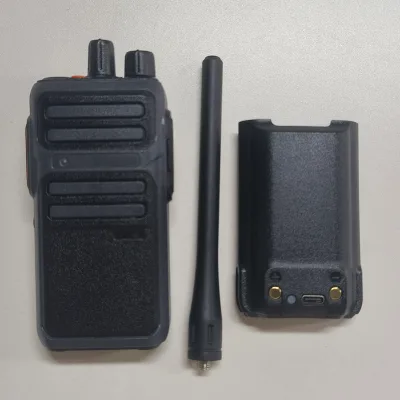


Tyt Tc-32 5W Portable Handheld Radio VHF 136-174MHz UHF 400-480 MHz Walkie Talkie
$34.00 - $45.00
MOQ: 50 pieces
Comprehensive Sourcing Guide
VHF UHF Handheld Walkie Talkie Sourcing Guide
Selecting the right two-way radio requires balancing technical performance with commercial viability, especially when sourcing from international markets. The global supply chain for VHF and UHF handheld transceivers is dominated by manufacturers in China, which offers a wide spectrum of options ranging from basic analogue units to advanced digital systems with encryption and GPS capabilities. Buyers must navigate a landscape where product attributes vary significantly between models, necessitating a rigorous verification process to ensure that the equipment meets specific operational requirements. This guide provides a structured approach to evaluating these devices, focusing on the critical technical, compliance, and commercial factors that influence procurement success.
The decision to source handheld walkie talkies often stems from the need for reliable, short-to-medium range communication in environments where cellular networks are unavailable or unreliable. Common use cases include outdoor security, construction site coordination, event management, and industrial logistics. The observed market data indicates a diverse product range, with models supporting everything from 16 channels to 128 channels, and output powers varying from 5W to 60W. Understanding these variations is essential for aligning the procurement strategy with the actual communication needs of the organization, ensuring that the selected devices provide adequate coverage and clarity without unnecessary cost or complexity.
Product Scope and Observed Listing Signals
The current market for handheld walkie talkies exhibits a broad price range, typically observed between $10.9 and $1200 USD, reflecting the disparity between basic analogue units and feature-rich digital systems. This wide variance is driven by differences in channel capacity, encryption standards, and additional functionalities such as GPS positioning and emergency alarms. For instance, models like the BF-S50 and BF-TD516 represent different tiers of functionality, with the latter offering advanced features like encrypted communication and Bluetooth connectivity. Buyers should recognize that the lowest price points often correspond to simpler devices with fewer channels and basic noise suppression, while higher-priced units provide robust security and extended range capabilities.
Minimum Order Quantities (MOQ) also vary, with observed ranges from 1 to 50 units, indicating flexibility for both small-scale trials and bulk procurement. Some suppliers may require an MOQ greater than 2 units, which can impact the initial investment for smaller organizations. Additionally, packaging standards are generally consistent, with products typically shipped in standard carton boxes or individual boxes, as seen with models like the HX-850 and MYT-9800. The physical dimensions and weights of these devices also differ, with single gross weights ranging from 226g to 1200g, which is a critical consideration for users who require lightweight, portable equipment for extended outdoor use.
Technical Specifications to Verify
When evaluating technical specifications, buyers must prioritize the signal type and channel capacity to ensure compatibility with existing infrastructure. The market offers both analogue and digital signal types, with digital options providing enhanced clarity and security through features like AES encryption. Channel spacing is another critical parameter, with observed values of 125 kHz and 200 kHz, which determine the number of available channels within a given frequency band. Buyers should verify the frequency range of the device, as models support various bands including 136-174MHz, 400-470MHz, and wider ranges up to 490MHz, depending on the specific model and regional regulatory requirements.
Output power and communication distance are key performance indicators that directly impact operational effectiveness. Observed output powers range from 5W to 60W, with higher power levels enabling longer communication distances, such as the >30km range noted for certain high-power models. However, buyers should be cautious when interpreting these figures, as actual range is heavily influenced by environmental factors like terrain and obstacles. Additionally, features such as Voice Operated Transmission (VOX), noise suppression, and one-click frequency copying can enhance usability, but their presence varies by model. It is essential to confirm the battery type, typically lithium-ion, and capacity, such as 1800mAh, to ensure sufficient runtime for daily operations.
Compliance and Safety Documentation
Compliance with international standards is a non-negotiable aspect of sourcing electronic communication devices. Certifications such as CE and ISO are commonly observed, indicating that the products meet specific safety, health, and environmental protection requirements. The CE mark, in particular, is crucial for selling or using products within the European Economic Area, ensuring that the device adheres to relevant directives. Buyers should request valid certification documents from suppliers to verify that the products have undergone appropriate testing and meet the necessary regulatory standards. This step is vital for mitigating legal risks and ensuring that the equipment can be legally imported and used in the target market.
In addition to certifications, buyers should pay attention to the IP rating of the devices, which indicates their resistance to dust and water ingress. Observed ratings include IP54 and IP68, with IP68 offering superior protection against immersion in water, making it suitable for harsh outdoor environments. The physical dimensions and weight of the devices, such as the 60x36x123mm size for the BF-S50 and 145x190x47mm for the MYT-9800, should also be considered in the context of ergonomic design and durability. Ensuring that the device meets the required IP rating and physical specifications is essential for maintaining operational reliability in challenging conditions.
Cost Drivers and Commercial Terms
The cost of handheld walkie talkies is influenced by several factors, including the complexity of the technology, the number of channels, and the inclusion of advanced features like encryption and GPS. Higher output power and extended communication distances also contribute to increased costs, as seen in the price range of $10.9 to $1200. Buyers should analyze the total cost of ownership, which includes not only the initial purchase price but also the cost of accessories, batteries, and potential maintenance. Understanding these cost drivers allows for more accurate budgeting and helps in selecting the most cost-effective solution that meets the organization's needs.
Commercial terms such as warranty and customization options are also important considerations. A standard warranty period of 12 months is commonly offered, providing some assurance of product quality and manufacturer support. Customization is available for many models, allowing buyers to tailor the devices to specific requirements, such as branding or specialized features. However, buyers should clarify the terms of customization, including any additional costs or lead times associated with these changes. Clear communication regarding commercial terms helps in establishing a transparent and mutually beneficial relationship with the supplier.
Supplier Qualification and Quality Control
Supplier qualification is a critical step in the sourcing process, ensuring that the selected manufacturer has the capability to deliver high-quality products consistently. Buyers should verify the supplier's production capacity, quality control processes, and track record in the industry. Given that the majority of these products originate from China, it is advisable to conduct thorough due diligence, including factory audits or third-party inspections, to assess the supplier's reliability. This step helps in identifying potential risks and ensuring that the supplier can meet the required quality standards and delivery schedules.
Quality control measures should be integrated into the procurement process to minimize the risk of receiving defective products. Buyers should establish clear quality acceptance criteria, including functional tests for signal clarity, battery life, and durability. Regular communication with the supplier regarding quality expectations and feedback on received products can help in maintaining high standards. Additionally, buyers should consider implementing a sample testing phase before placing large orders, allowing for a thorough evaluation of the product's performance and compliance with specifications.
Long-Term Procurement Checks
Long-term procurement success depends on the ability to adapt to changing market conditions and technological advancements. Buyers should regularly review the performance of the sourced devices and gather feedback from end-users to identify any issues or areas for improvement. This continuous feedback loop allows for proactive management of the procurement process and ensures that the equipment remains fit for purpose. Additionally, staying informed about industry trends and new product developments can help in making informed decisions about future purchases and upgrades.
Building a strong relationship with the supplier is also essential for long-term procurement success. Open communication, mutual trust, and collaborative problem-solving can lead to better pricing, improved service, and access to new products. Buyers should consider establishing a framework for ongoing partnership, including regular reviews and joint planning sessions, to ensure that the procurement strategy aligns with the organization's evolving needs. By focusing on these long-term checks, buyers can maximize the value of their investment and ensure the reliable operation of their communication systems.
FAQs
What features do these handheld radios offer?
These handheld radios provide voice control and noise suppression to ensure clear communication. Some advanced models also include GPS positioning, encrypted communication, and emergency alarm functions for enhanced safety and security in professional environments.
Which certification standards do the products meet?
The products meet CE certification standards, and some models also carry ISO certification. These certifications indicate compliance with specific safety and quality requirements for electronic devices used in various industrial and commercial applications.
Can I customize the packaging for bulk orders?
Yes, customization is available for these products. Buyers can request specific packaging solutions, such as standard carton boxes or custom boxes, to meet their logistical needs and branding requirements for wholesale distribution.
What is the communication distance for these devices?
Communication distances vary by model, ranging from 5 to 9 kilometers for standard units to over 30 kilometers for high-power professional radios. The actual range depends on environmental conditions and the specific output power of the device.
How many channels are supported by these radios?
Channel capacity varies significantly across models, with options supporting 16, 32, or up to 128 channels. Some units also feature specific channel spacing like 125 or 200 channels to accommodate different frequency requirements.
What battery type is used in these walkie talkies?
These devices utilize Lithium-ion batteries for reliable power. Specific models may offer capacities such as 1800mAh to ensure extended operational time during outdoor activities or professional shifts without frequent recharging.
Are these radios suitable for outdoor applications?
Yes, these radios are designed for outdoor applications and feature IP54 or IP68 ratings for dust and water resistance. This durability makes them suitable for use in various weather conditions and rugged environments.