Source Vintage Glass Reed Diffuser Bottle for Home Fragrance, Cosmetics, and Essential Oils
Find 30 Vintage Glass Reed Diffuser Bottle options from China suppliers. Compare round and square shapes in 50ml to 500ml sizes with screw caps and custom printing for home fragrance, cosmetics, and essential oil applications.
Key considerations
Products List


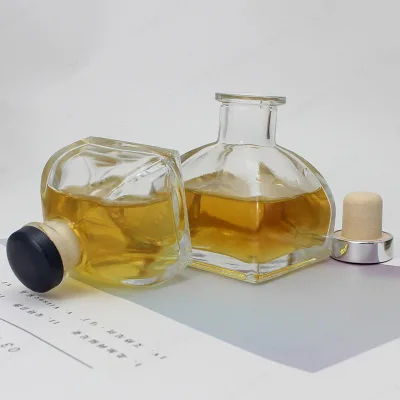


50ml 100ml Home Aromatherapy Reed Diffuser Glass Reed Diffuser Bottles with Box
$0.27 - $0.65
MOQ: 10000 Pieces
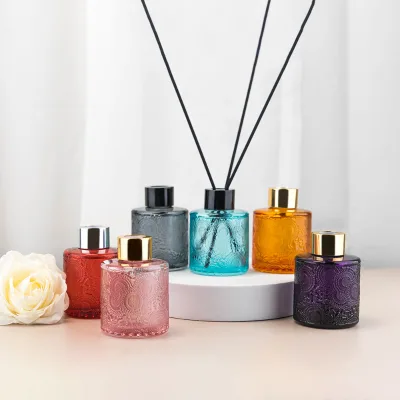


Factory Wholesales Custom 50ml/100ml Glass Diffuser Bottle for Home Decoration
$0.45 - $0.65
MOQ: 1000 Pieces


Custom Design 100ml Round Shape Reed Diffuser Glass Bottle with Cork Lid
$0.30 - $0.80
MOQ: 2000 Pieces

100ml 120ml 180ml 200ml Unique Glass Bottle Aroma Luxury Reed Diffuser Bottles
$0.48 - $0.62
MOQ: 1000 Pieces


Aromatherapy 400ml Fragrance Home Freshener Glass Bottles with Reed Diffuser
$0.40 - $0.45
MOQ: 2000 Pieces
Comprehensive Sourcing Guide
Sourcing Guide for Vintage Glass Reed Diffuser Bottles
The global market for home fragrance and aromatherapy products continues to expand, driving demand for high-quality packaging solutions. Among these, the Vintage Glass Reed Diffuser Bottle stands out as a critical component for brands seeking to blend aesthetic appeal with functional utility. Sourcing these items requires a nuanced understanding of material properties, manufacturing standards, and supply chain logistics. This guide provides evidence-based procurement strategies for buyers evaluating vintage glass reed diffuser bottles, focusing on verified attributes and industry-standard practices without relying on unverified supplier claims.
Technical Specifications and Material Composition
The foundation of any successful procurement strategy lies in a precise understanding of the product's technical specifications. For vintage glass reed diffuser bottles, the primary material is glass, specifically noted as lead-free in verified product data. This distinction is crucial for safety and regulatory compliance, particularly when the bottles are intended for use with essential oils or cosmetics. The glass composition must be robust enough to withstand the chemical properties of various fragrance oils while maintaining the aesthetic integrity of a vintage design.
Shape and neck configuration are equally vital. The market offers both round and square bottle options, with the round shape being a dominant feature in vintage-inspired designs. The neck type is typically a flanged open neck, which facilitates the insertion of reeds and the application of screw caps. While the closure type is often a screw cap, it is important to note that open-neck configurations inherently lack a leak-proof seal unless a specific cap or liner is applied. Buyers must verify the specific closure mechanism required for their fragrance viscosity.
Capacity specifications vary significantly across the product range. Verified data indicates standard models available in 50ml, 100ml, 120ml, 150ml, 180ml, 200ml, and 500ml capacities. The "vintage" aesthetic is often achieved through specific surface finishes, such as smooth polishing, and color options that include transparent, light gray, light pink, and light purple hues. Customization is a key feature, allowing buyers to request specific sizes and colors to match their brand identity. The product models identified in the market, such as GBD047, XJ24, and JRF656, serve as reference points for these varying specifications.
Compliance, Certification, and Safety Standards
When sourcing glass packaging, compliance with safety and quality standards is non-negotiable. The supply chain for vintage glass reed diffuser bottles must adhere to rigorous testing protocols. Verified product information indicates that many manufacturers provide SGS testing certification, which serves as a third-party validation of product quality and safety. This certification is particularly relevant for ensuring that the glass is free from harmful substances like lead, which is explicitly confirmed in the provided data.
However, buyers must exercise caution regarding food-grade classifications. The available data explicitly states that these glass bottles are not classified as food-grade. This distinction is critical for procurement planning; while the bottles are suitable for essential oils, cosmetics, and home fragrance applications, they should not be used for food storage or consumption. Procurement teams must ensure that the intended application aligns with the material's certified usage parameters to avoid regulatory violations.
Furthermore, the recyclability of the product is a significant factor in modern sustainability-driven procurement. The glass material is noted as 100% recyclable, which supports corporate sustainability goals and aligns with increasing consumer demand for eco-friendly packaging. Buyers should verify that the specific batch or model they are purchasing maintains this recyclability status, as additives or specific colorants used in the vintage finish could theoretically impact the recycling stream, though the base material remains glass.
Cost Drivers and Pricing Dynamics
Understanding the cost structure of vintage glass reed diffuser bottles is essential for budgeting and margin analysis. The observed price range in the market spans from $0.04 to $1.50 USD per unit. This wide variance is driven by several factors, including bottle size, customization level, and order volume. Smaller bottles, such as the 50ml or 100ml variants, generally fall at the lower end of the price spectrum, while larger 500ml bottles or those with complex customizations command higher prices.
Minimum Order Quantity (MOQ) is another primary cost driver. The market data shows an MOQ range from 100 to 10,000 units, with specific listings indicating MOQs of 500 to 1,000 units or 1,000 pieces for reed diffuser bottles. Negotiable MOQ terms are available, offering flexibility for startups or brands testing new products. However, buyers should be aware that lower MOQs often result in a higher unit cost due to the fixed costs of production setup and tooling.
Additional cost factors include surface finishing and printing. Customized screen printing, such as logo application, adds to the unit price. The complexity of the print design, the number of colors, and the specific printing technique (screen printing) all influence the final cost. Buyers should request detailed quotes that break down the base bottle cost from the printing and customization fees to ensure accurate total cost of ownership calculations.
Typical Applications and Market Fit
Vintage glass reed diffuser bottles are versatile and serve multiple applications within the fragrance and personal care industries. The primary use case is for essential oils and home fragrance products, where the aesthetic appeal of the vintage glass enhances the perceived value of the scent. The transparent and lightly colored options allow the liquid fragrance to be visible, which is a key selling point for consumers who enjoy the visual aspect of their home decor.
Beyond home fragrance, these bottles are also utilized in the cosmetics sector. The verified data confirms their suitability for cosmetic applications, provided the formulation is compatible with glass and does not require food-grade certification. The flanged open neck design makes them ideal for reed diffusers, where the reeds absorb the liquid and disperse the scent into the room. The screw cap closure provides a secure seal when the product is not in use, preventing evaporation and spillage.
The customization options further expand the market fit. Brands can leverage the available color palette—transparent, light gray, light pink, and light purple—to create a cohesive brand identity. The ability to customize the size allows for product differentiation, ranging from travel-sized 50ml bottles to large statement pieces at 500ml. This flexibility makes vintage glass reed diffuser bottles a strong candidate for luxury brands, boutique retailers, and large-scale manufacturers alike.
Supplier Evaluation and Origin Verification
Selecting the right supplier is as important as selecting the right product. The verified data indicates that the place of origin for these products is China, specifically Guangdong. This region is a known hub for glass manufacturing and packaging, offering a mature supply chain and competitive pricing. However, buyers must conduct thorough due diligence to ensure the supplier's capabilities align with their quality expectations.
When evaluating suppliers, buyers should verify the existence of SGS testing certifications and confirm the lead-free status of the glass. It is also essential to assess the supplier's capacity for customization, including their ability to handle screen printing and color matching. The availability of different packing methods, such as carton, pallet, sea, or air freight, should be confirmed to ensure logistical compatibility with the buyer's distribution network.
Buyers should avoid relying solely on price comparisons. Instead, they should request samples to verify the physical attributes of the bottle, including the smooth polished finish, the accuracy of the neck dimensions, and the quality of the screw cap fit. The observed price range of $0.18 to $0.30 for certain models suggests that mid-range pricing often correlates with higher quality control and better customization options. Suppliers with a track record of meeting specific model numbers like GBD047 or JRF656 are preferable, as they demonstrate experience with established product lines.
Quality Control and Long-Term Procurement Considerations
Implementing a robust quality control (QC) process is vital for mitigating risks associated with glass packaging. Given the brittle nature of glass, transportation damage is a significant concern. Buyers should ensure that the supplier utilizes appropriate packing methods, such as carton and pallet configurations, to minimize breakage during transit. The verified data mentions packing by sea or air, and the choice of method should be dictated by the urgency and volume of the order.
Long-term procurement considerations include the stability of the supply chain and the consistency of product quality. Buyers should establish clear communication channels with suppliers regarding lead times and production schedules. While specific lead times are not provided in the data, the negotiable nature of MOQs suggests that suppliers are often willing to accommodate different production timelines.
Sustainability remains a long-term priority. The 100% recyclability of the glass is a strong asset, but buyers should also consider the environmental impact of the printing inks and the energy consumption of the manufacturing process. Regular audits of the supplier's facilities and a commitment to continuous improvement in quality standards will help maintain a reliable supply of vintage glass reed diffuser bottles.
Comparative Analysis of Key Product Attributes
To facilitate decision-making, the following table summarizes the key attributes of vintage glass reed diffuser bottles based on verified market data. This comparison highlights the variations in specifications that buyers must consider during the sourcing process.
| Attribute | Verified Options | Notes for Procurement |
|---|---|---|
| Material | Glass (Lead-Free) | Must verify SGS certification for safety. |
| Shape | Round, Square | Round is common for vintage styles; Square available. |
| Neck Type | Flanged Open Neck | Requires screw cap for sealing; not inherently leak-proof. |
| Capacity | 50ml, 100ml, 120ml, 150ml, 180ml, 200ml, 500ml | Select based on target market and fragrance volume. |
| Color | Transparent, Light Gray, Light Pink, Light Purple | Custom colors may be available; verify sample accuracy. |
| Surface Finish | Smooth Polished | Standard for vintage aesthetic; check for imperfections. |
| Customization | Logo Printing (Screen), Size, Color | MOQs apply for custom orders; verify print quality. |
| Usage | Essential Oils, Cosmetics, Home Fragrance | Not food-grade; verify application compatibility. |
| Origin | China (Guangdong) | Verify logistics capabilities for sea/air freight. |
| MOQ | 100 - 10,000 (Negotiable) | Lower MOQs may increase unit cost. |
| Price Range | $0.04 - $1.50 USD | Mid-range ($0.18-$0.30) often indicates better quality. |
In conclusion, sourcing vintage glass reed diffuser bottles requires a balanced approach that weighs aesthetic requirements against technical specifications and compliance standards. By focusing on verified attributes such as lead-free glass, SGS certification, and customizable options, buyers can build a reliable supply chain that supports their brand's growth and sustainability goals. The flexibility in size, color, and customization offered by the market provides ample opportunity for differentiation, provided that rigorous quality control and supplier evaluation protocols are maintained throughout the procurement process.
FAQs
What certifications do vintage glass reed diffuser bottles have?
Many bottles are SGS tested to verify safety and quality standards. This third-party validation confirms the glass is lead-free, which is essential for use with essential oils and cosmetics without regulatory violations.
Can I customize the size and color of these glass bottles?
Yes, customization is available for specific sizes and colors like transparent, light gray, pink, or purple. Buyers can request custom screen printing for logos, though minimum order quantities typically apply for these personalized features.
Which bottle shapes are available for vintage glass reed diffusers?
Both round and square bottle shapes are available in the market. Round shapes are common for vintage designs, while square options provide alternative aesthetics, all featuring a flanged open neck for reed insertion.
How much does a Vintage Glass Reed Diffuser Bottle cost?
Prices range from 0.04 to 1.5 USD per unit depending on size and customization. Specific models like the GBD047 may cost between 0.18 and 0.3 USD, with costs increasing for larger capacities or complex printing.
What is the minimum order quantity for these glass bottles?
The minimum order quantity ranges from 100 to 10,000 units and is often negotiable. Some listings specify an MOQ of 500 to 1,000 pieces, while others require 1,000 pieces specifically for reed diffuser bottles.
Are these glass bottles suitable for food storage applications?
No, these bottles are not classified as food-grade and should not be used for food storage. They are verified for use with essential oils, cosmetics, and home fragrance products only.